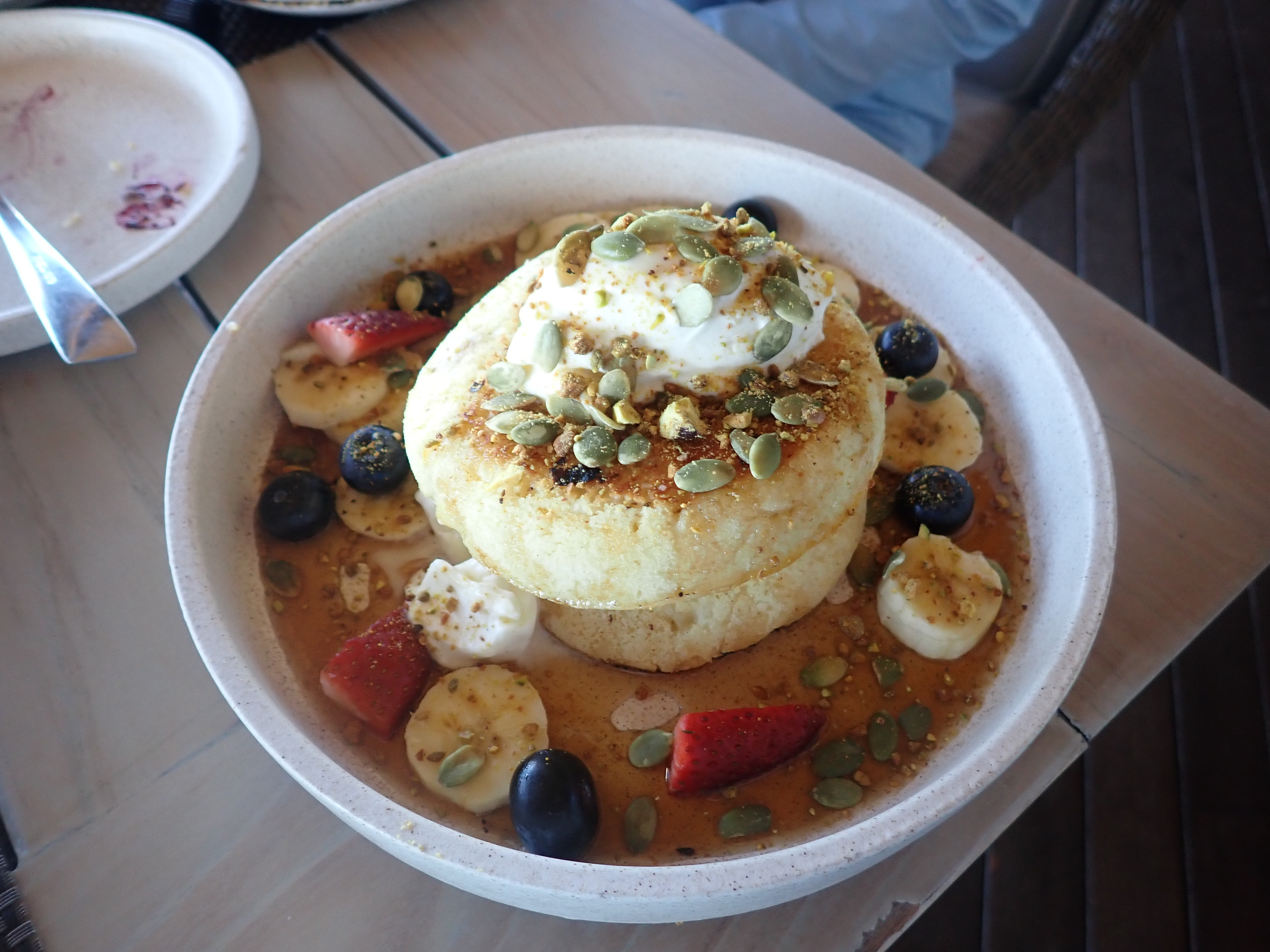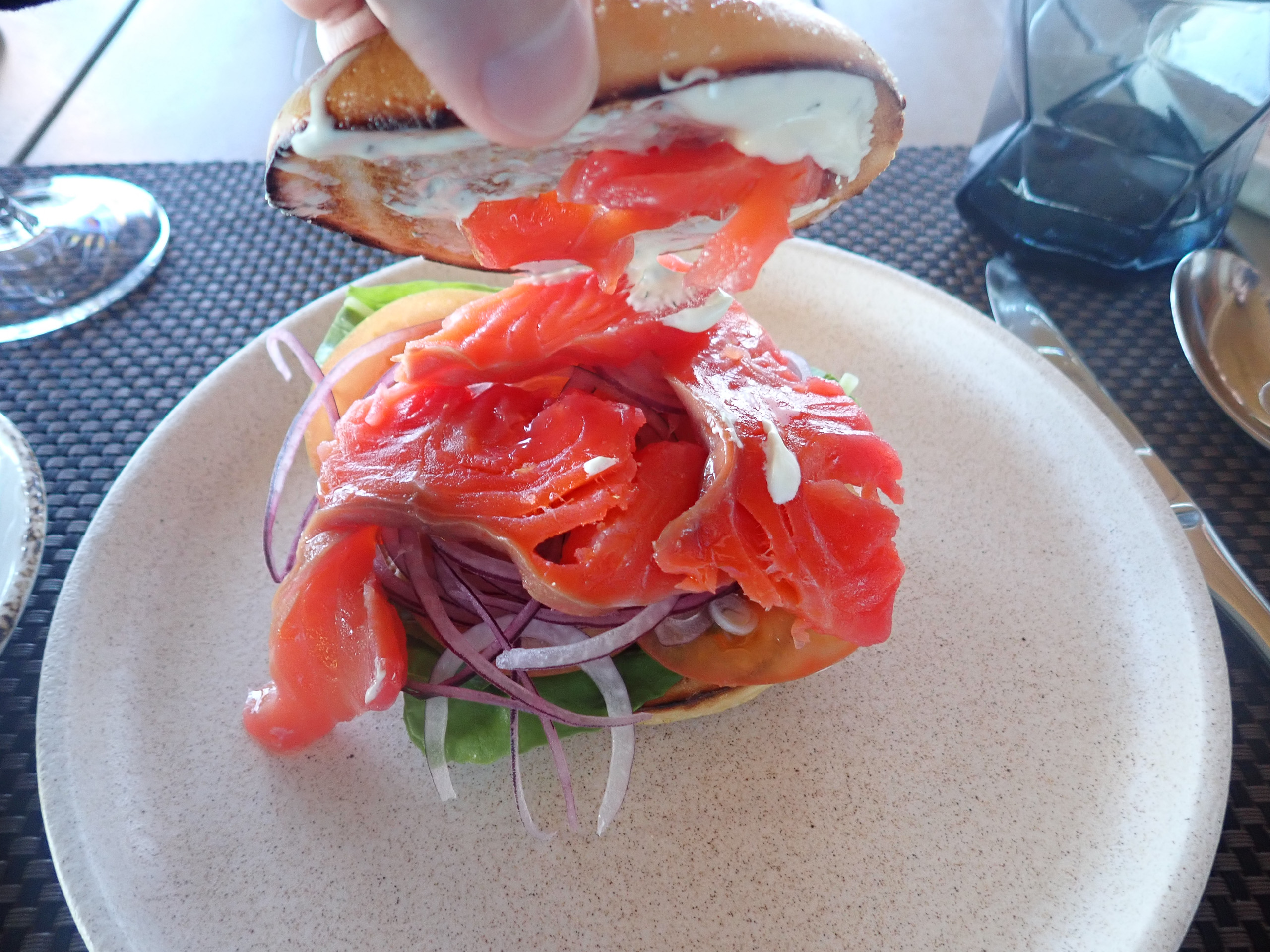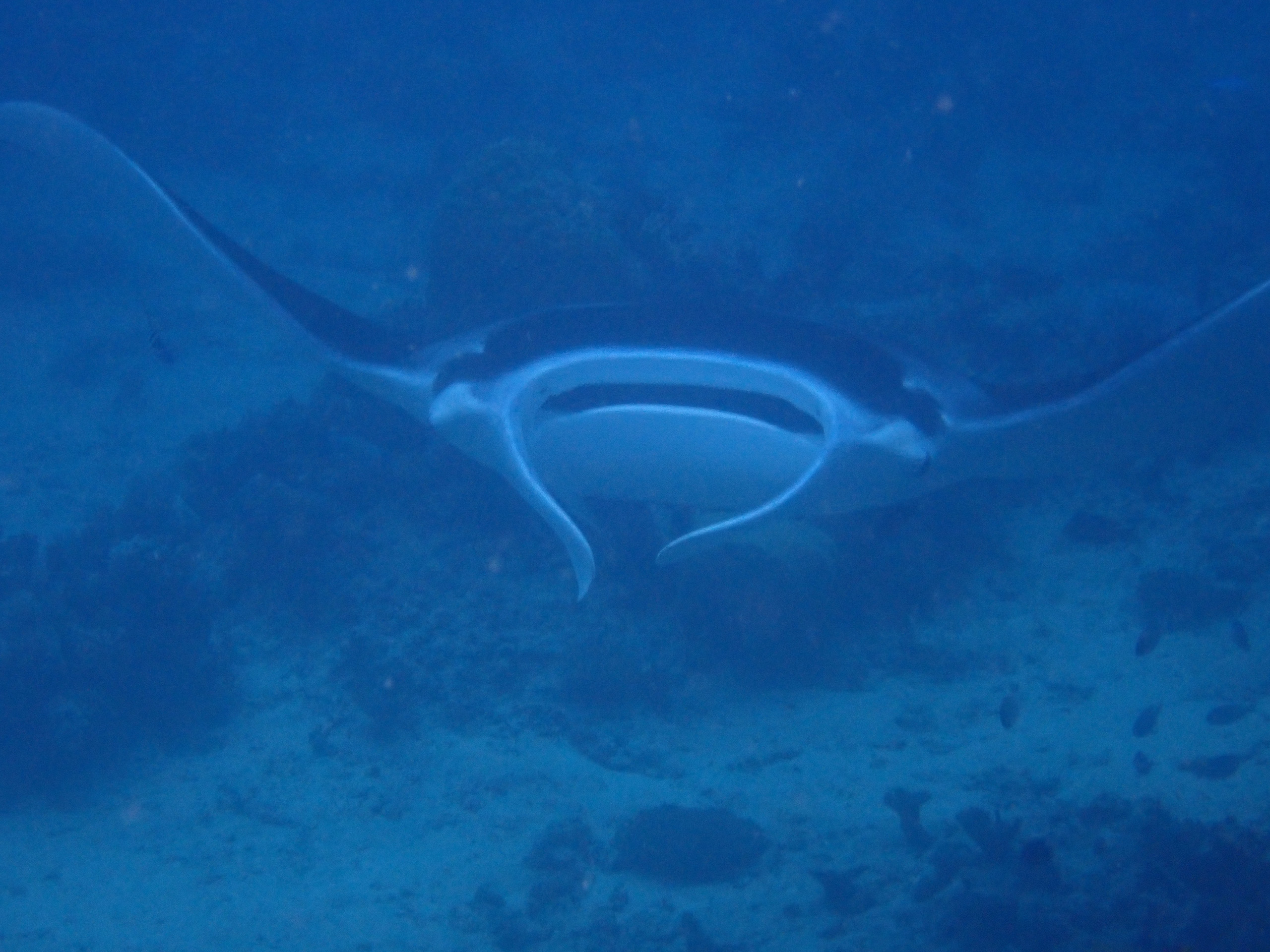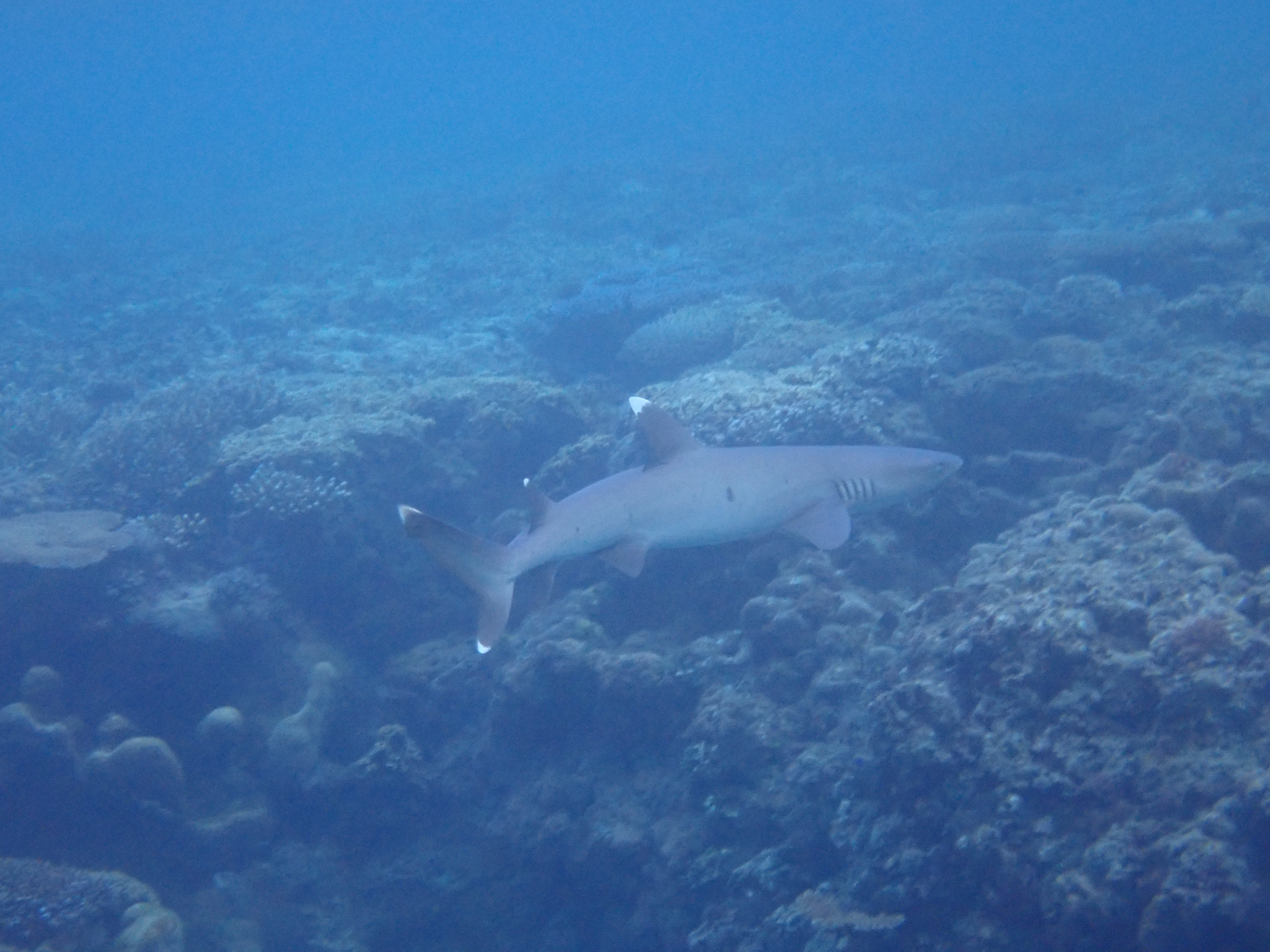
KOKOMO PRIVATE ISLAND, FIJI · HOTEL DINING · 9 MIN READ
Dinner on Kokomo Private Island: Three Kitchens and No Printed Menu
Everything you eat comes with the island and nothing you drink does – and what arrives at the table is decided each afternoon by the boat, the reef and five and a half acres of farm.
By J.C. Mercer
- Covers Two, dinner, across seven nights
- Dined April and May 2026
- Menu The five-course tasting at Beach Shack; no printed menu at Walker D’Plank, where the kitchen decides at the table
- Drinks Soft drinks and the villa bar are included; wine, beer and spirits are not
- How it was booked The way any other guest would
Every meal on this site is booked the way any other guest would book it.
Kokomo sells itself on a rate with all the food inside it. Twenty-one villas and five residences, three kitchens, dining on your own deck at any hour, and a folio at the end of the week that does not itemise a single meal. That part holds. What nobody explains before you fly down is what an arrangement like that does to the cooking.
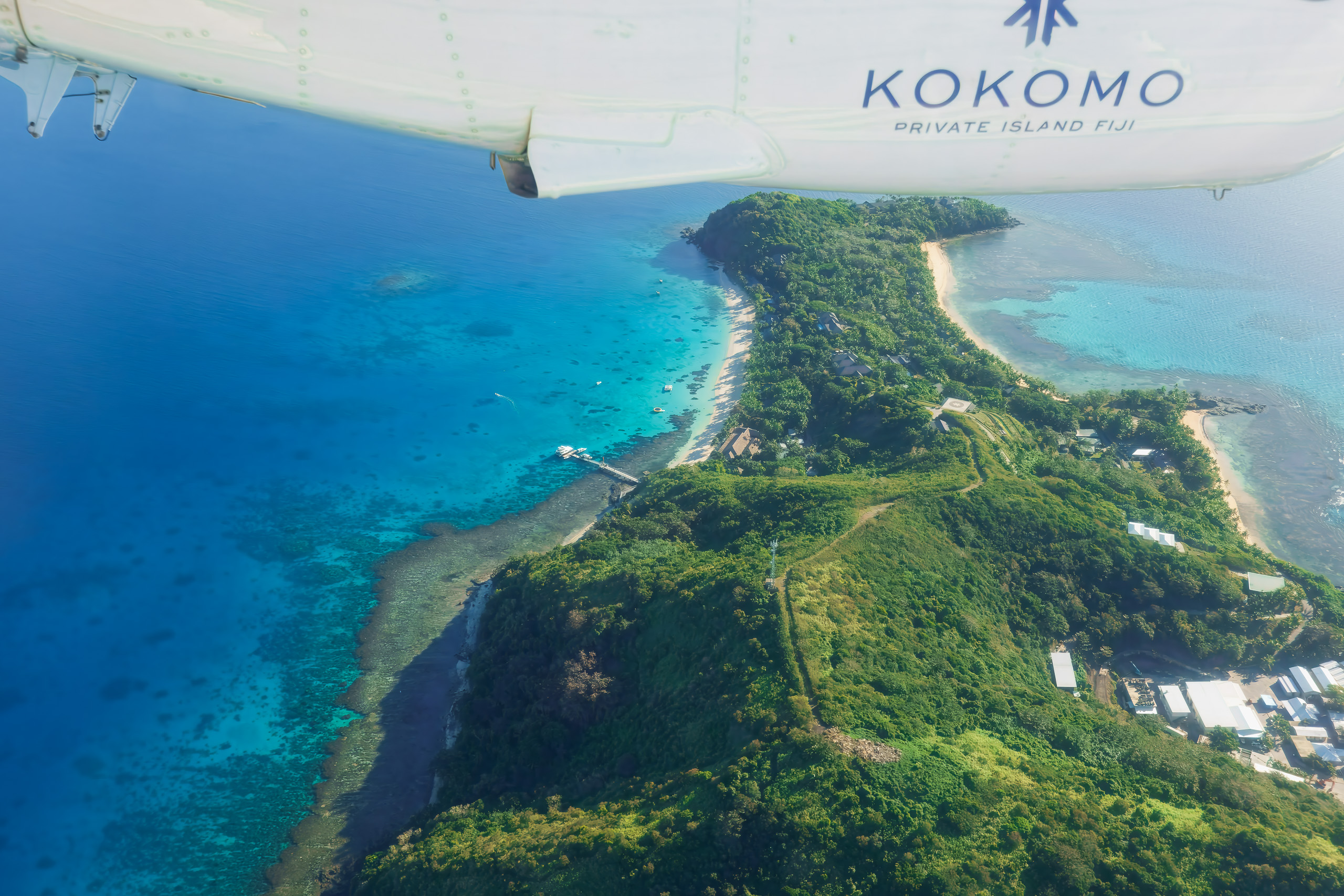
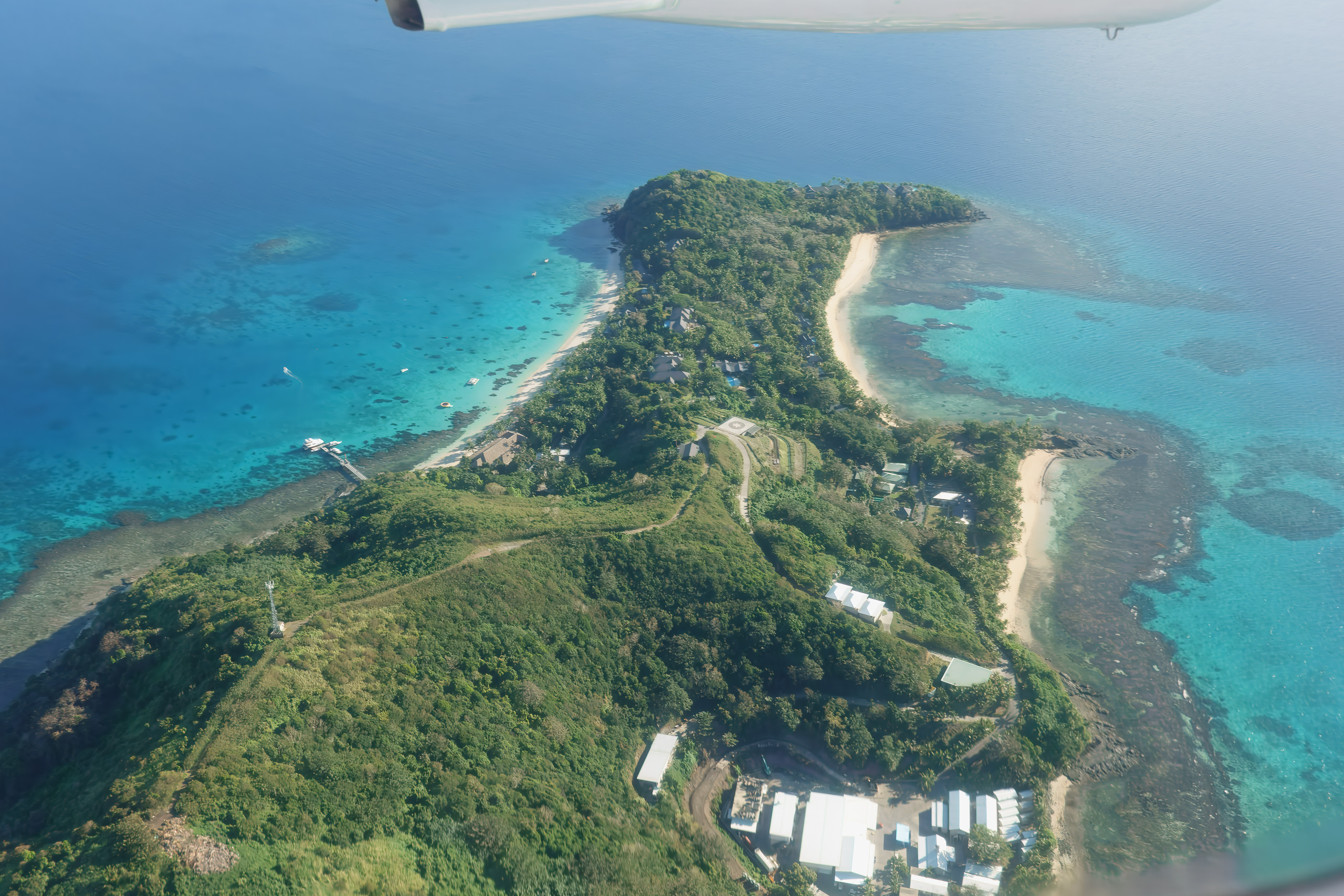
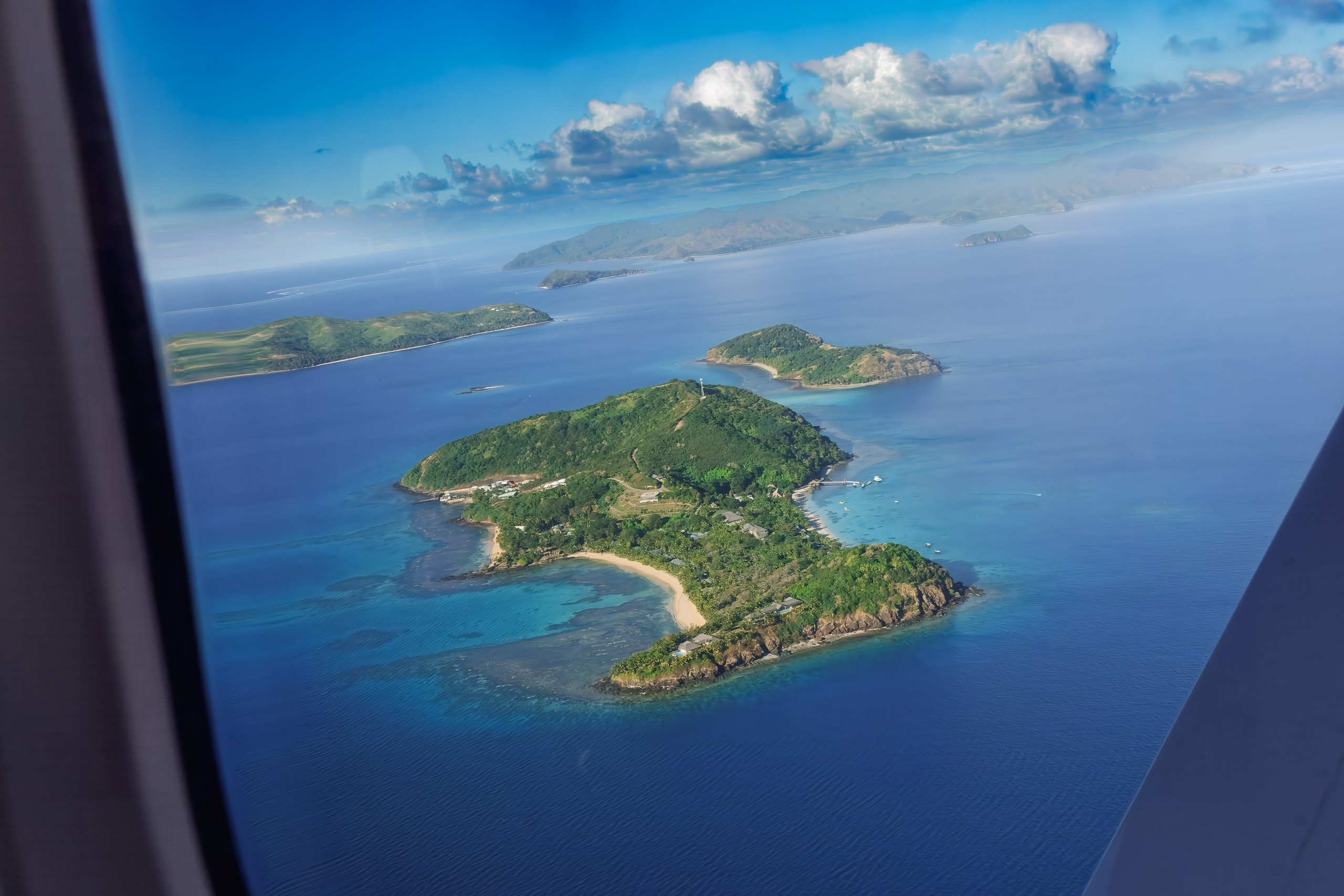
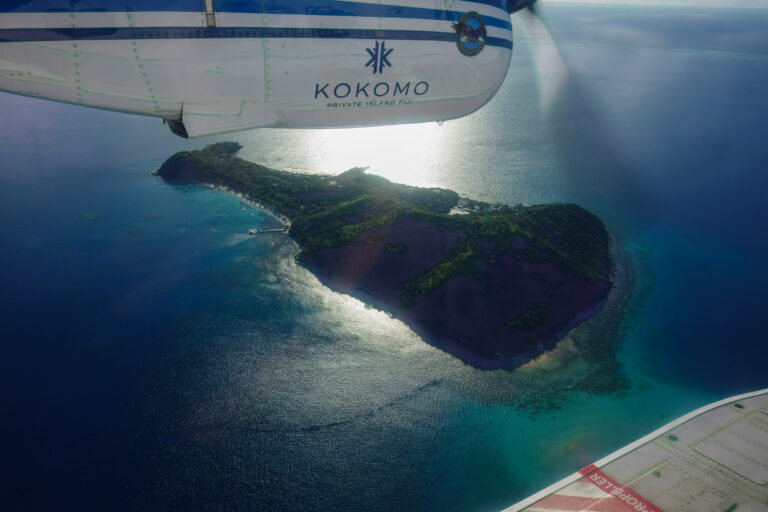
An island forty-five minutes south of Nadi cannot go shopping. It grows what it can on five and a half acres, takes what the reef and the boats hand over, and brings everything else – flour, dairy, beef, most of the fruit – in by sea or by air on a timetable the weather sets. Rather than hide that, all three kitchens have built their style around it. At the restaurant everyone remembers afterwards there is no printed menu at all: the head chef comes to the table, asks what you feel like, and cooks around whatever came off the boat that afternoon.
It is a wonderful way to eat, right up to the point where it is not.
Three rooms, and what each one is for
The island runs three restaurants and they are not variations on one another. Getting the week right is mostly a matter of knowing which is which before you arrive.
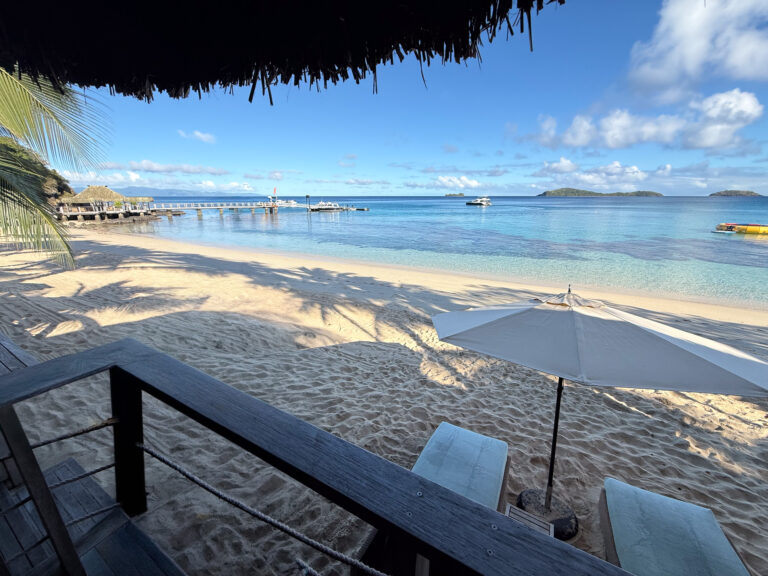
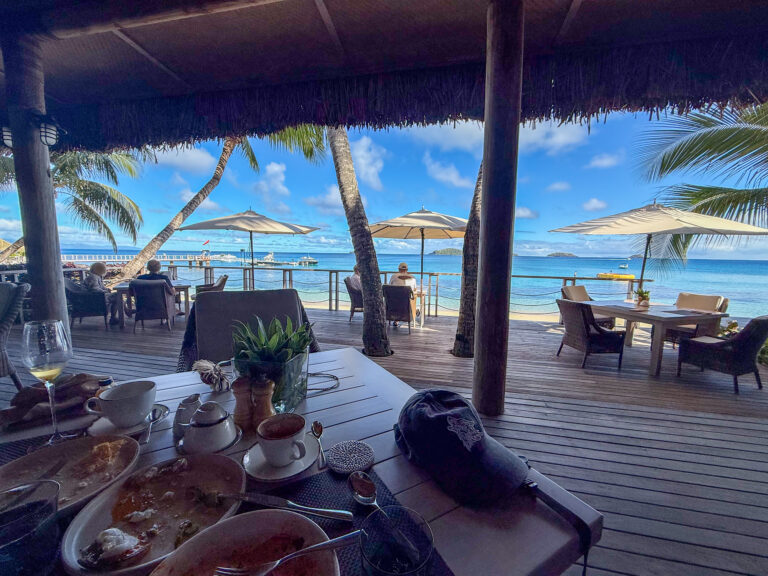
Beach Shack is the main room and the one you will use most: breakfast, lunch and dinner, Fijian timber and thatch, tables looking straight out at the water. Its menu is written to move through the day rather than sit still, and at dinner it firms up into a tasting of five courses. Marty Kindleysides runs the whole food operation on the island; Adrien Narayan has this kitchen, classically French-trained with an Asian bent, and you are meant to go and talk to him about what you want. The oddity is that the reception desk looks down over the dining tables, so the room doing the welcoming and the room doing the eating are the same room.
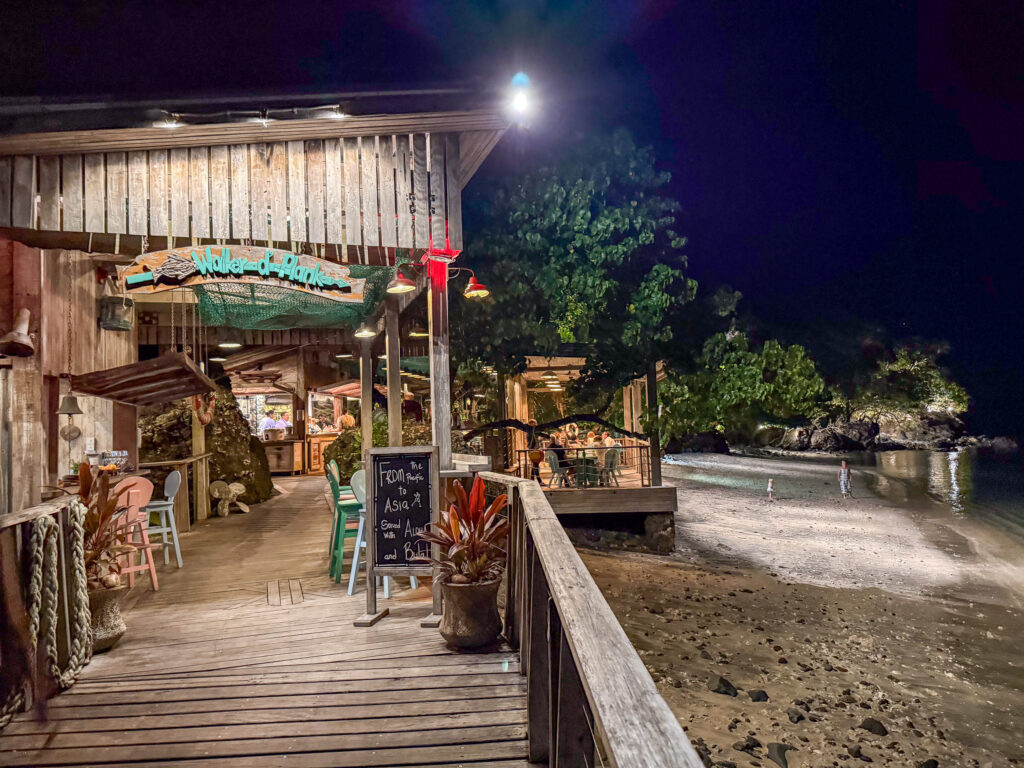
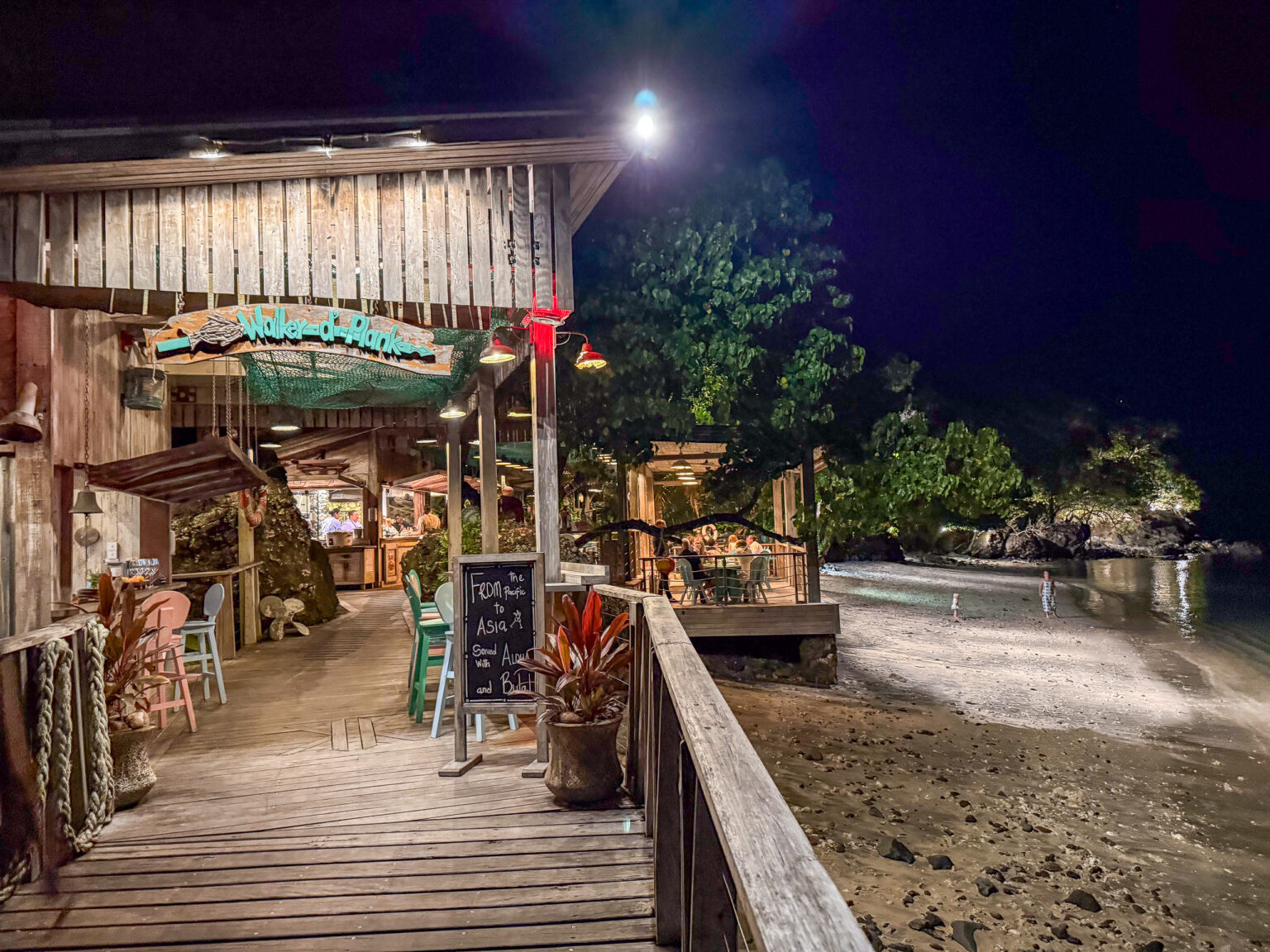
Walker D’Plank is the one the island is really selling. It sits out over the water in a cove past the arrival jetty, part restaurant and part bar. Caroline Oakley cooks it. The register is broadly Asian and refuses to sit still long enough to be labelled – handmade dumplings, sushi and sashimi, Singapore chilli lobster, Fijian-Indian curries, lamb cutlets. Ask three people what kind of restaurant it is and you get three answers, which is the honest description of a kitchen that decides nightly.
Kokocabana is the pool club and the most conventionally equipped kitchen on the island: a Josper grill, dry-ageing cabinets, a butcher’s block turning out house charcuterie, and a wood-fired oven doing Neapolitan pizza. Vincenzo Maione cooks Italian and Mediterranean here, there is an ice-cream counter and an arcade room next door, and a lounge for anyone who has flown to the Kadavu group and still wants to watch sport. It is nominally the children’s room. Everybody uses it, for a reason that comes later.
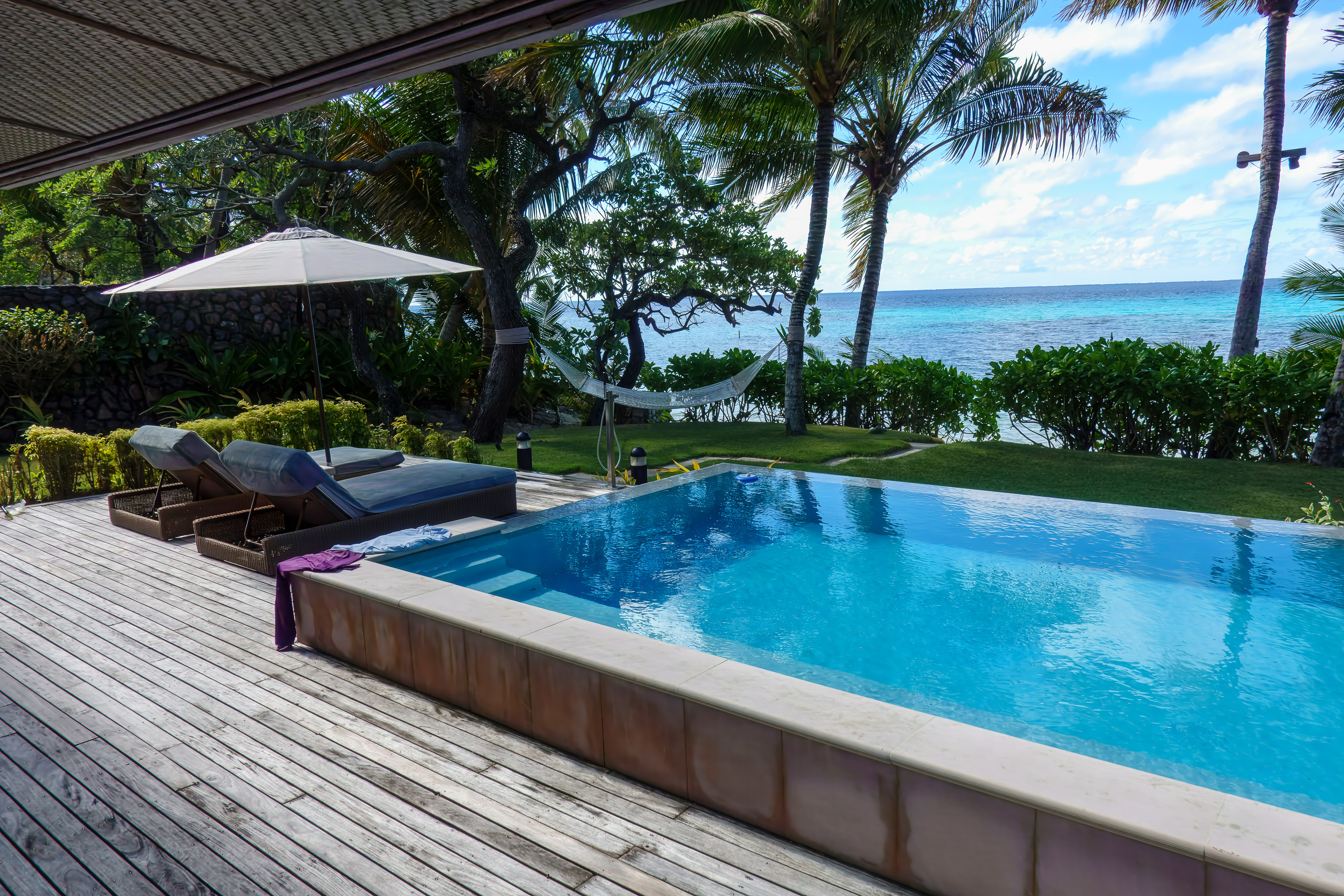
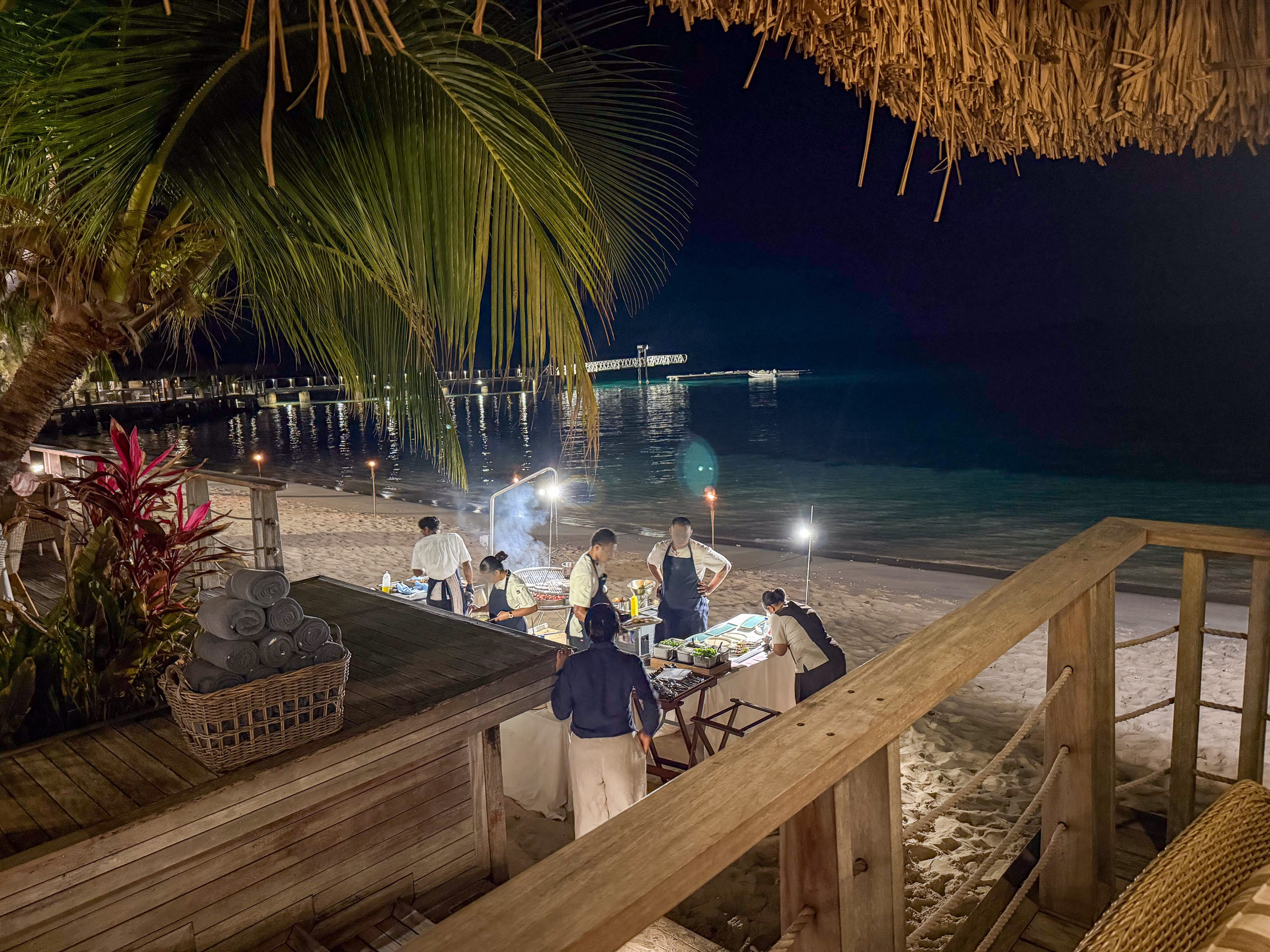
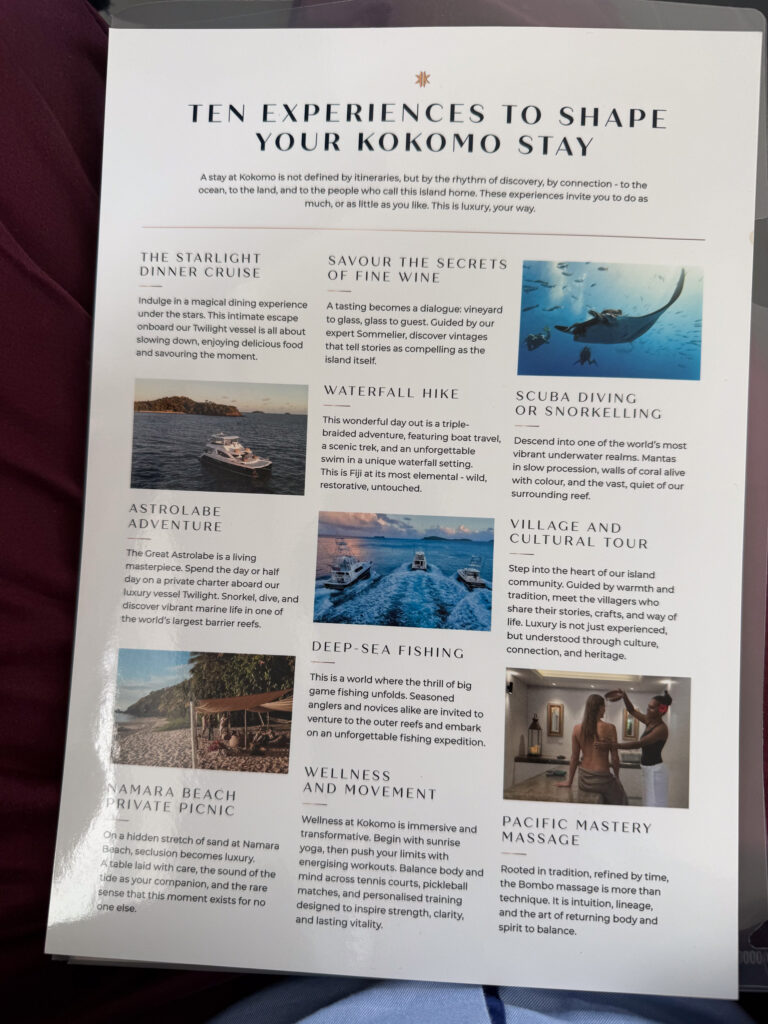
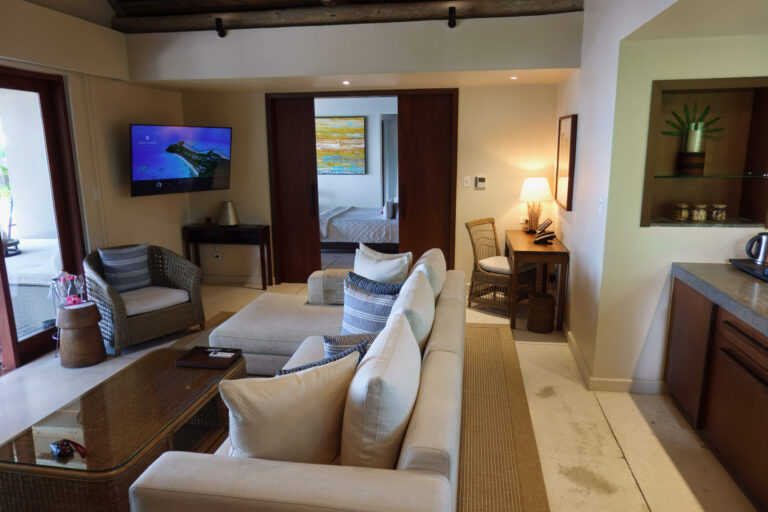
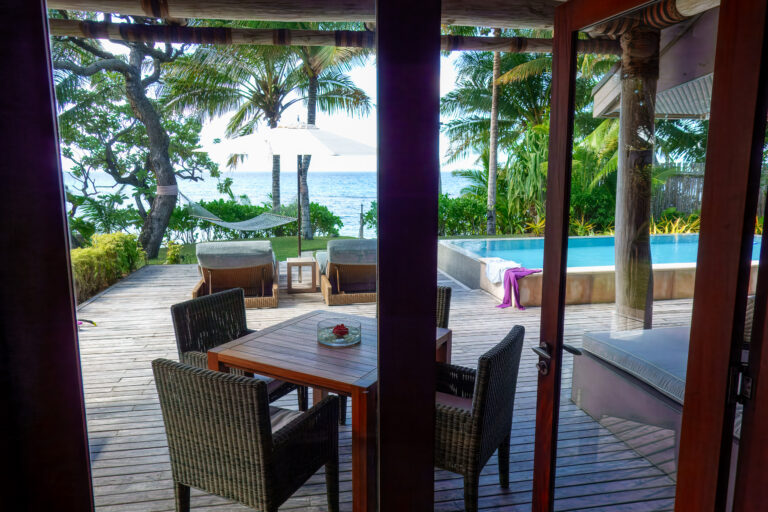
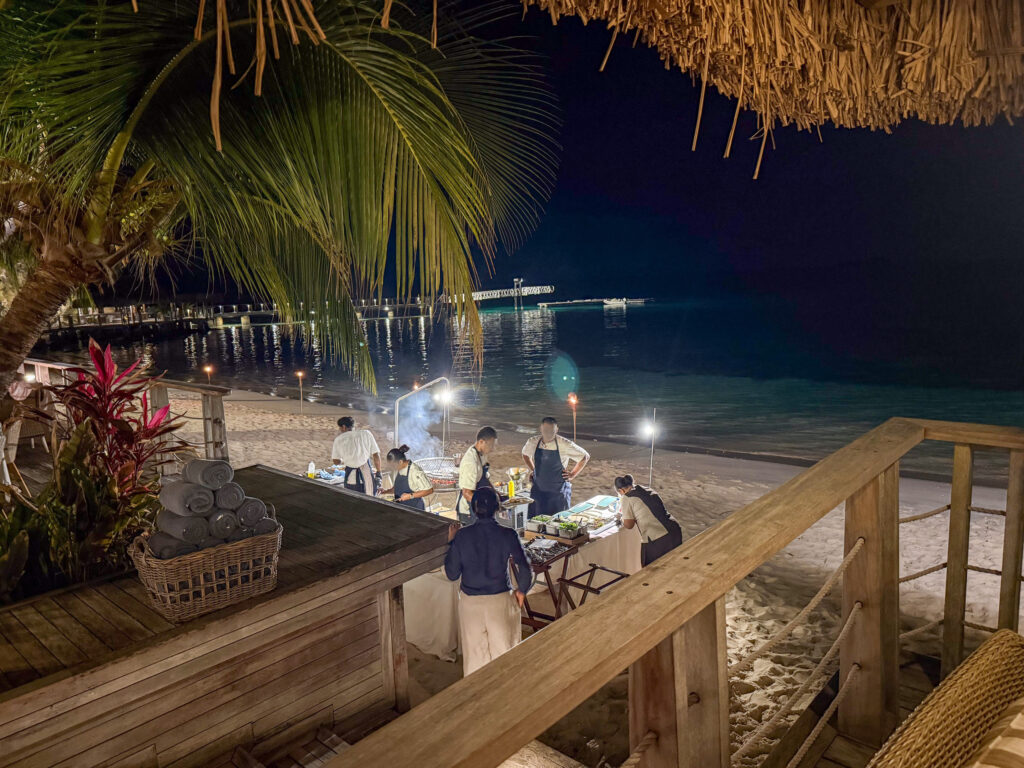
Beyond the three, the resort will lay a table almost anywhere: your own villa deck at any hour, a cookout on the beach, dinner in the wine cellar alongside the international list kept down there. The furthest is the Namara picnic – ten minutes out by boat to an uninhabited island, a chef-prepared lunch under the palms, someone pouring drinks, snorkelling off the sand, and a radio to call the boat back. None of these is described in advance, which is a sentence you will read again further down.
The night there is no menu
The no-menu format is the thing people either love or quietly resent, and both reactions are earned by the same mechanism. Nothing is printed. Dishes are decided against what came in that day and handed over as they are finished. The chef arrives at the table first, and the conversation that follows is the menu.
What makes it work is that it is not theatre. If no fish were caught, there is no fish, and the kitchen says so. That is a real constraint, plainly handled, and it produces the best version of this island’s cooking: a run of courses nobody could have ordered off a card, built around a boat that came in four hours earlier. Substitutions are absorbed without any fuss at all, which matters more here than at a restaurant with a printed list, because there is nothing to read and no fallback dish to point at.
What makes it fragile is that the whole thing runs on that conversation, and the conversation is not always available. At dinner, with the island reasonably full, it is excellent. At lunch on a quiet week it can thin out to two choices and a waiter, which is a poor trade for a format that has removed your ability to read a menu and decide. Anyone eating around an allergy should understand that the burden shifts entirely onto talking to somebody: do it on the first day, with the kitchen, and do not assume the person taking your lunch order has been briefed.
This is also the argument for Kokocabana that the resort does not make out loud. A Josper grill and a wood-fired oven do not need a chef to be free to talk. On the days when the island is empty and the format is at its weakest, the pool club is the room that works regardless.
Five and a half acres, and what they actually supply
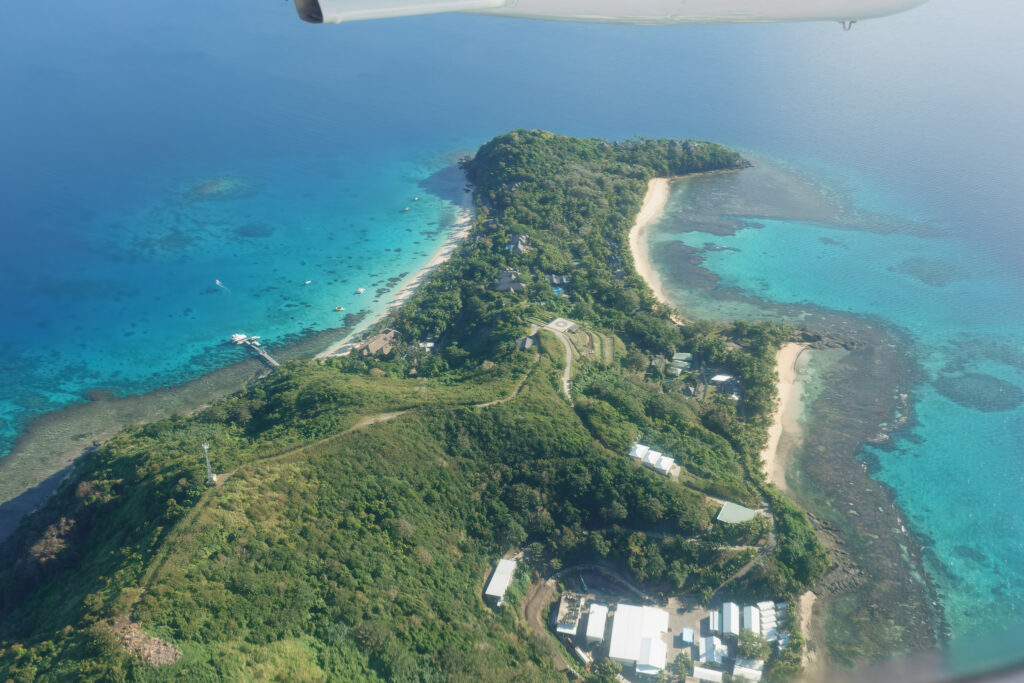
The farm is real and worth the walk, but it is worth being precise about what it does. Five and a half organic acres in the middle of the island grow vegetables, herbs, edible flowers and fruit in soil, with a greenhouse running hydroponic lettuce, tomatoes and cucumbers all year. Eight hives of Italian honeybees produced eighty to ninety kilos of honey at the last harvest. Free-roaming hens lay seventy-five to eighty-five eggs a day and guests get first call. What is not used goes back as compost.
The quoted number is that the farm supplies over eighty per cent of the herbs and greens across all three kitchens. Read that precisely: eighty per cent of the herbs and greens, not eighty per cent of the food. No overall figure is published anywhere, and there is a reason for that. The protein, the dairy, the dry goods and most of the fruit come in by boat and plane, and some ingredients are openly sourced from mainland Fiji. This is not a place that feeds itself. It grows the fresh, fast-spoiling third of dinner on site and ships the rest.
Take the tour. It does what a farm tour is supposed to do, which is make the following night’s dinner legible – you stop reading the greens as garnish once you have seen the beds they came out of. Do it early in the week, so the meals that come after are the ones that benefit.
Your own fish, and the rule that stops you eating the best of it
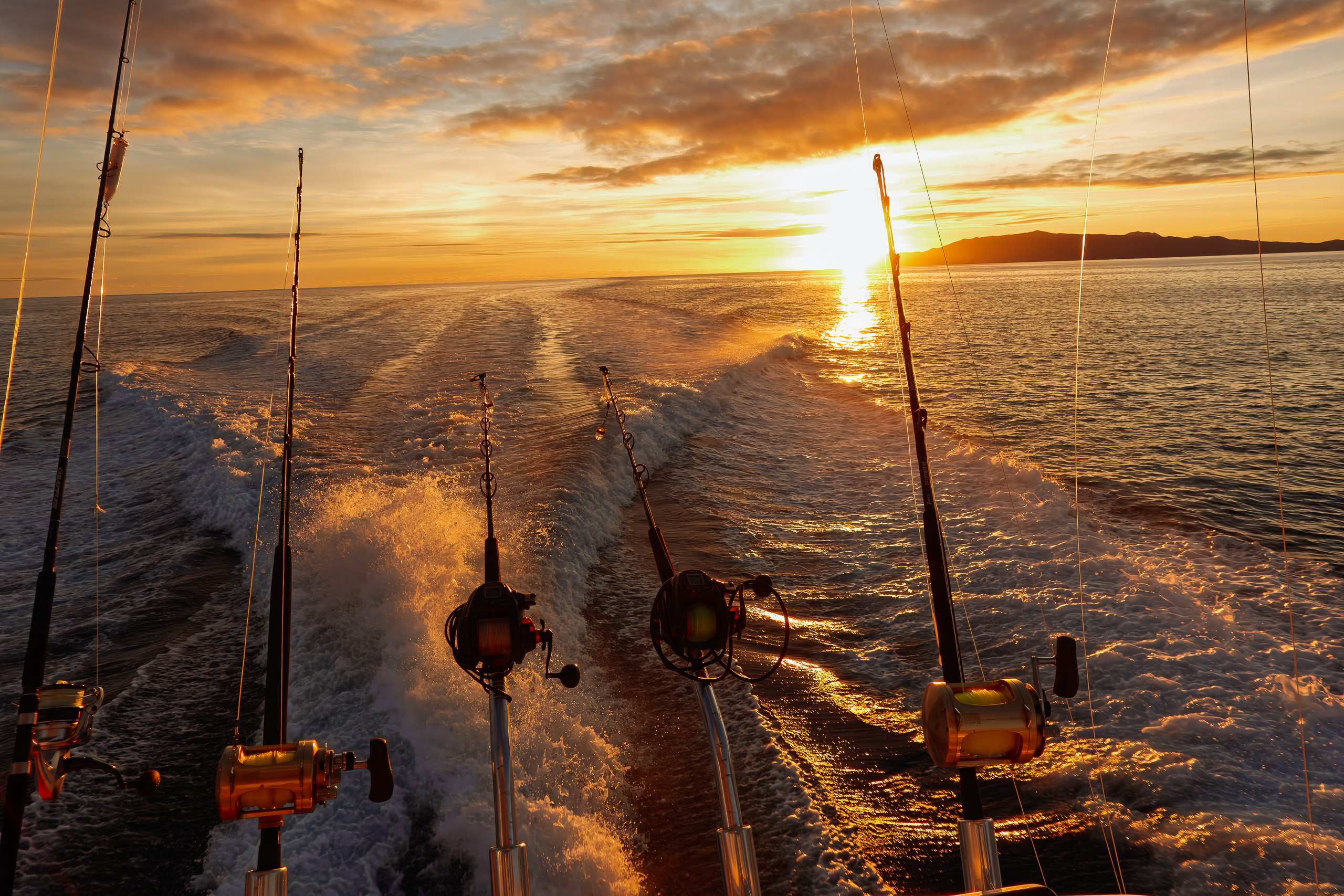
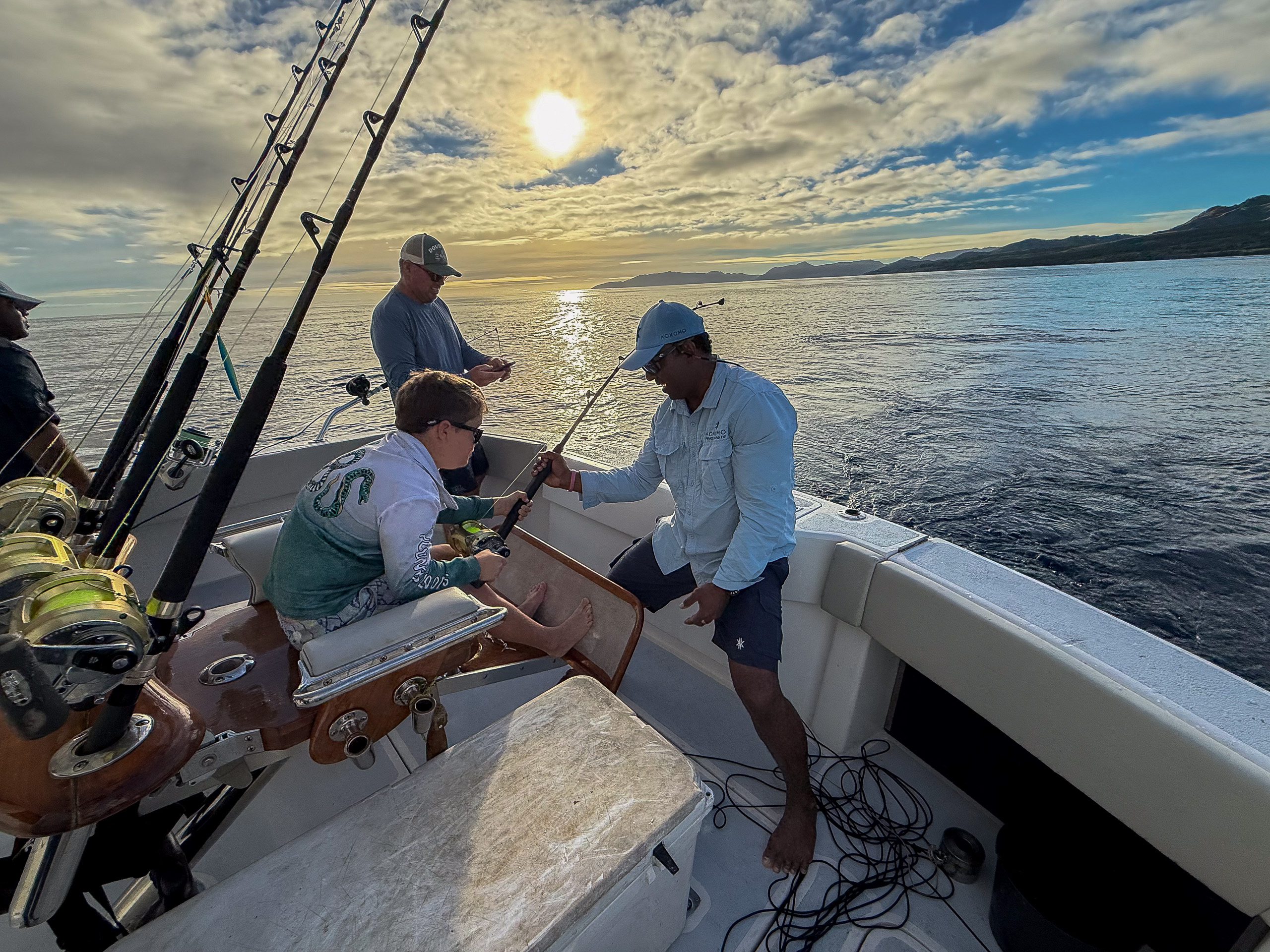
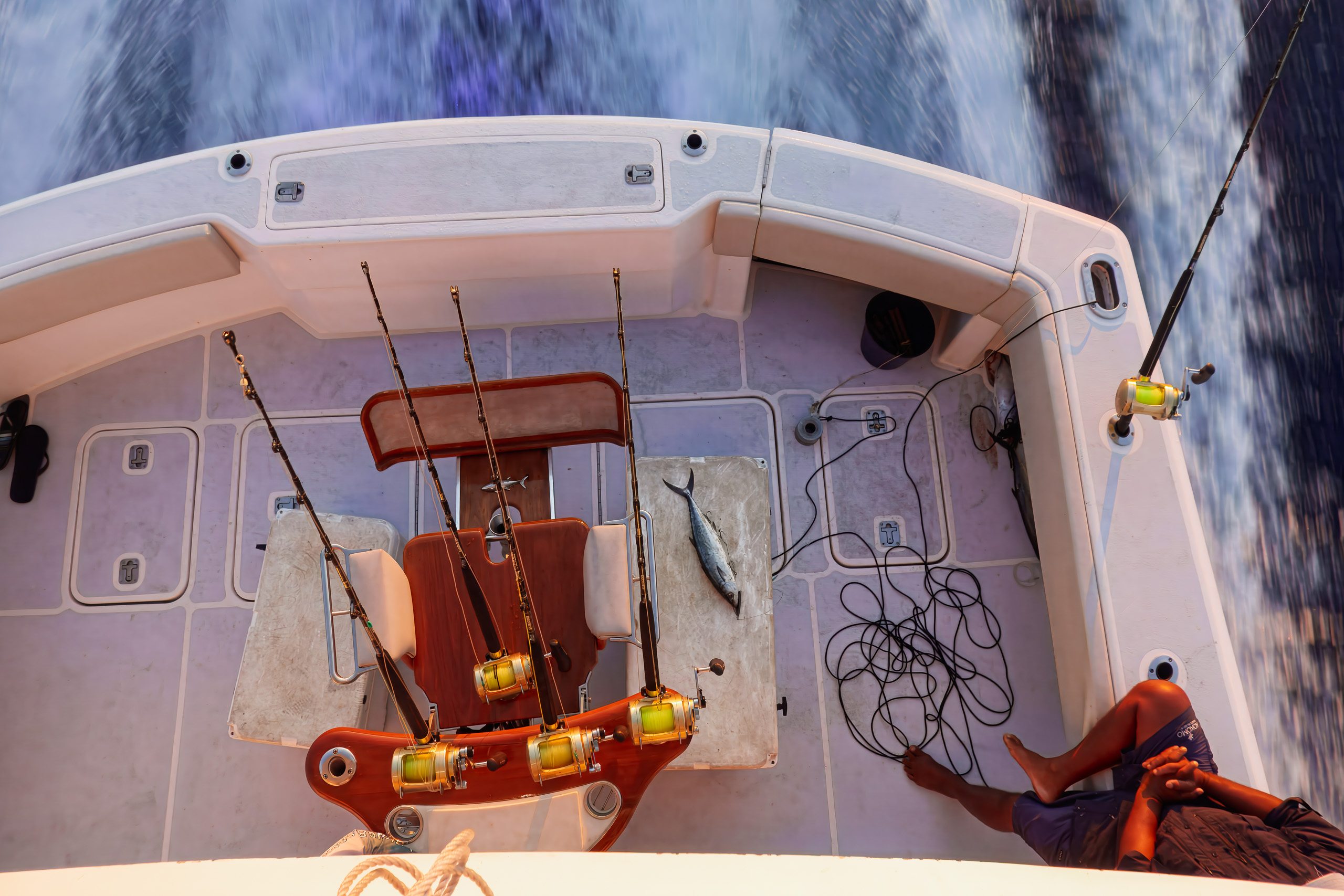
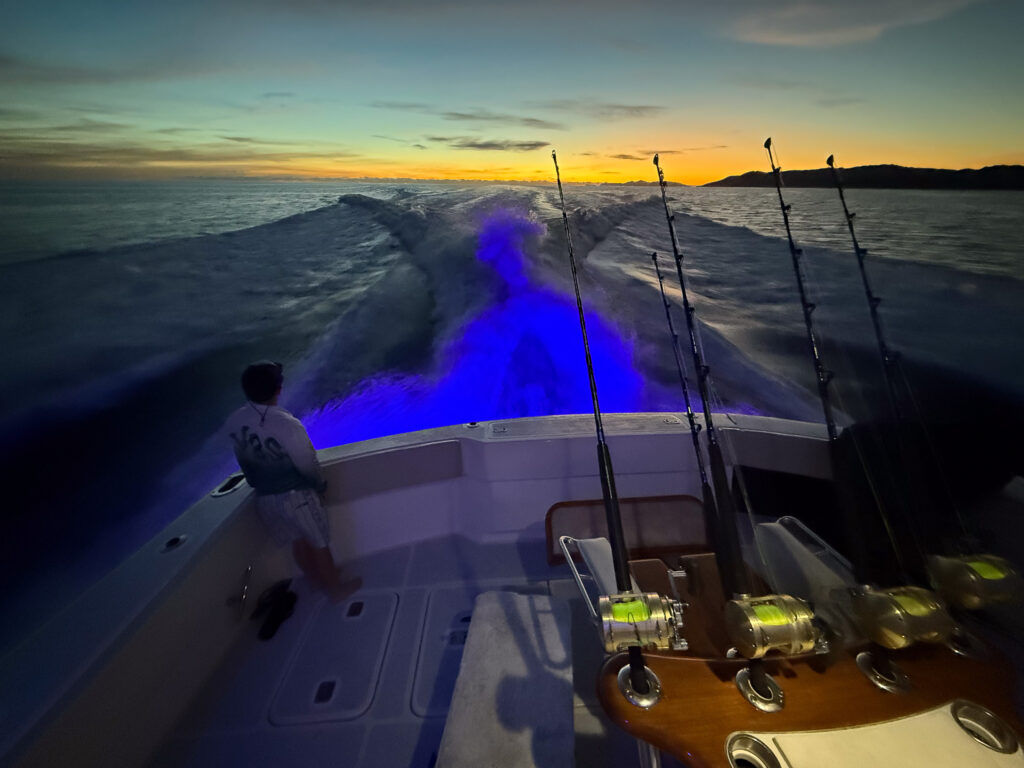
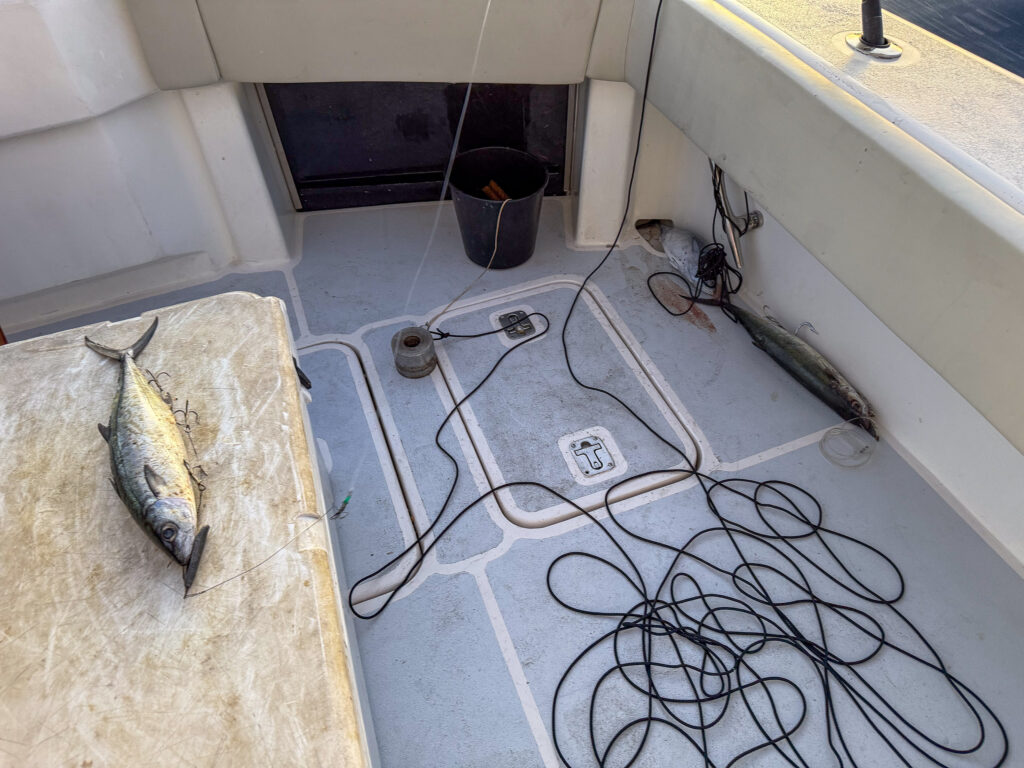
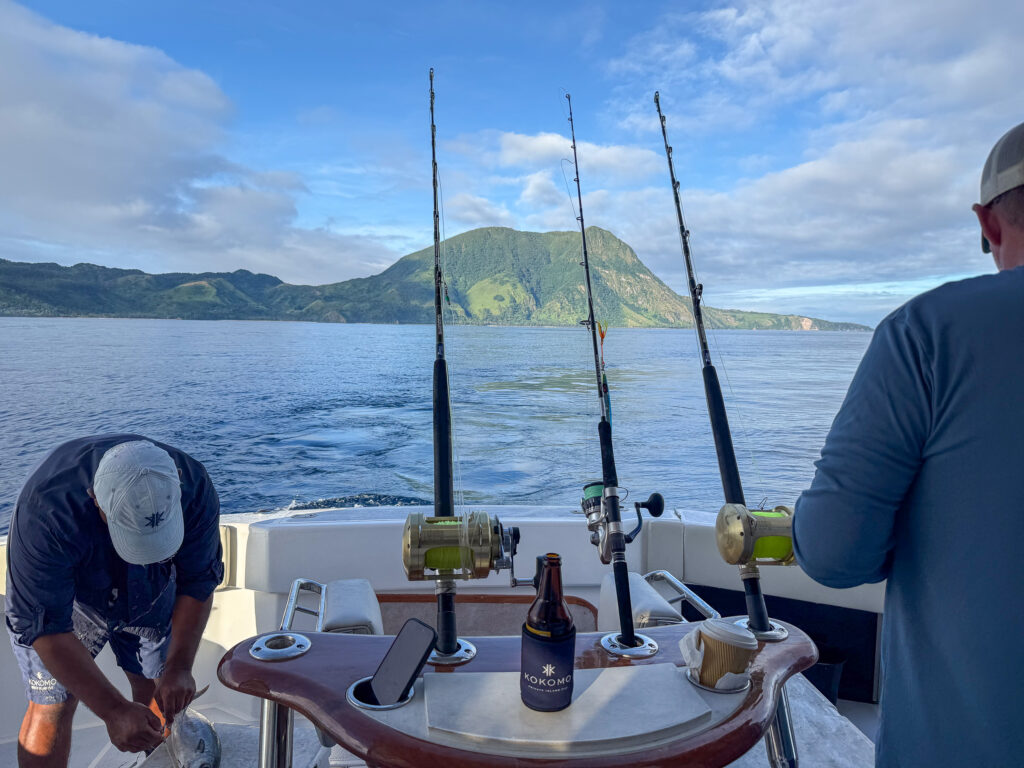
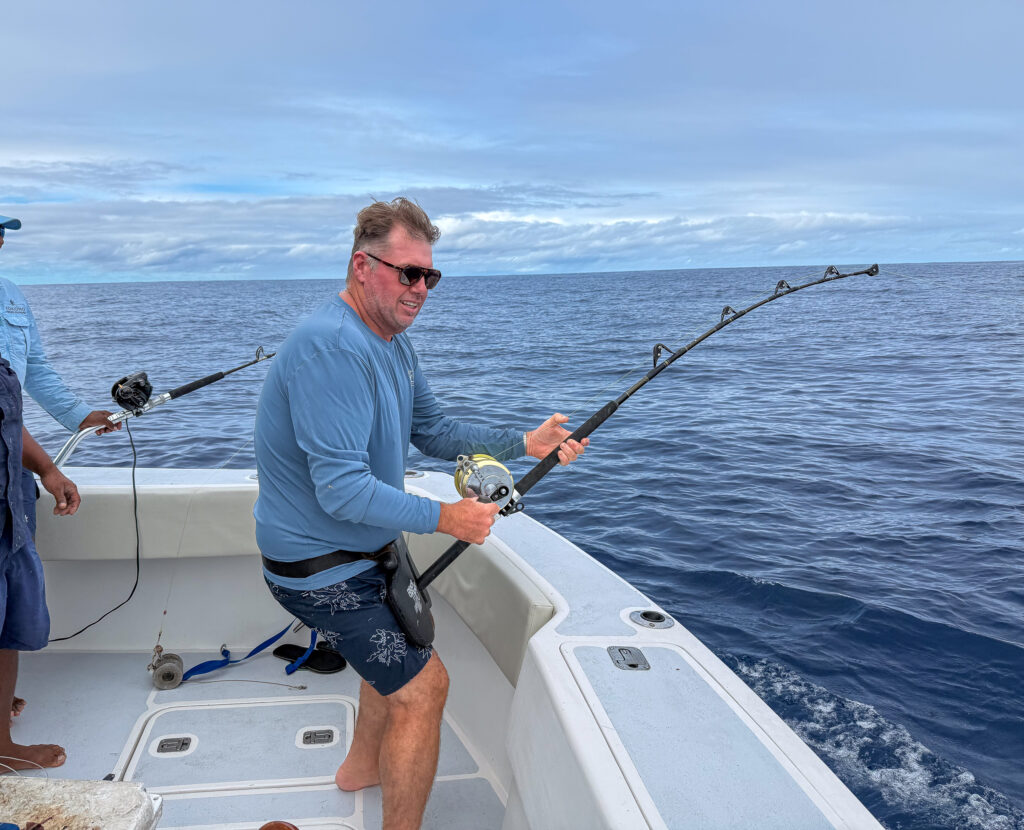
The catch-to-table arrangement is one of the truly unusual things about eating here. Whatever you land can go to the kitchen and come back cooked, finished with herbs cut on the island. Walu and mahi-mahi both travel well and both turn up on plates. Radio ahead with what you are keeping.
There is a catch, and it is a good one. Dogtooth tuna and giant trevally are both released as a matter of course – territorial, slow to repopulate, and raised by the crews before a guest thinks to ask. Which means the two most thrilling fish in this water are the two you are least likely to eat. If dinner is the point of the fishing, target the mackerel family and the mahi-mahi and let the doggies go back.
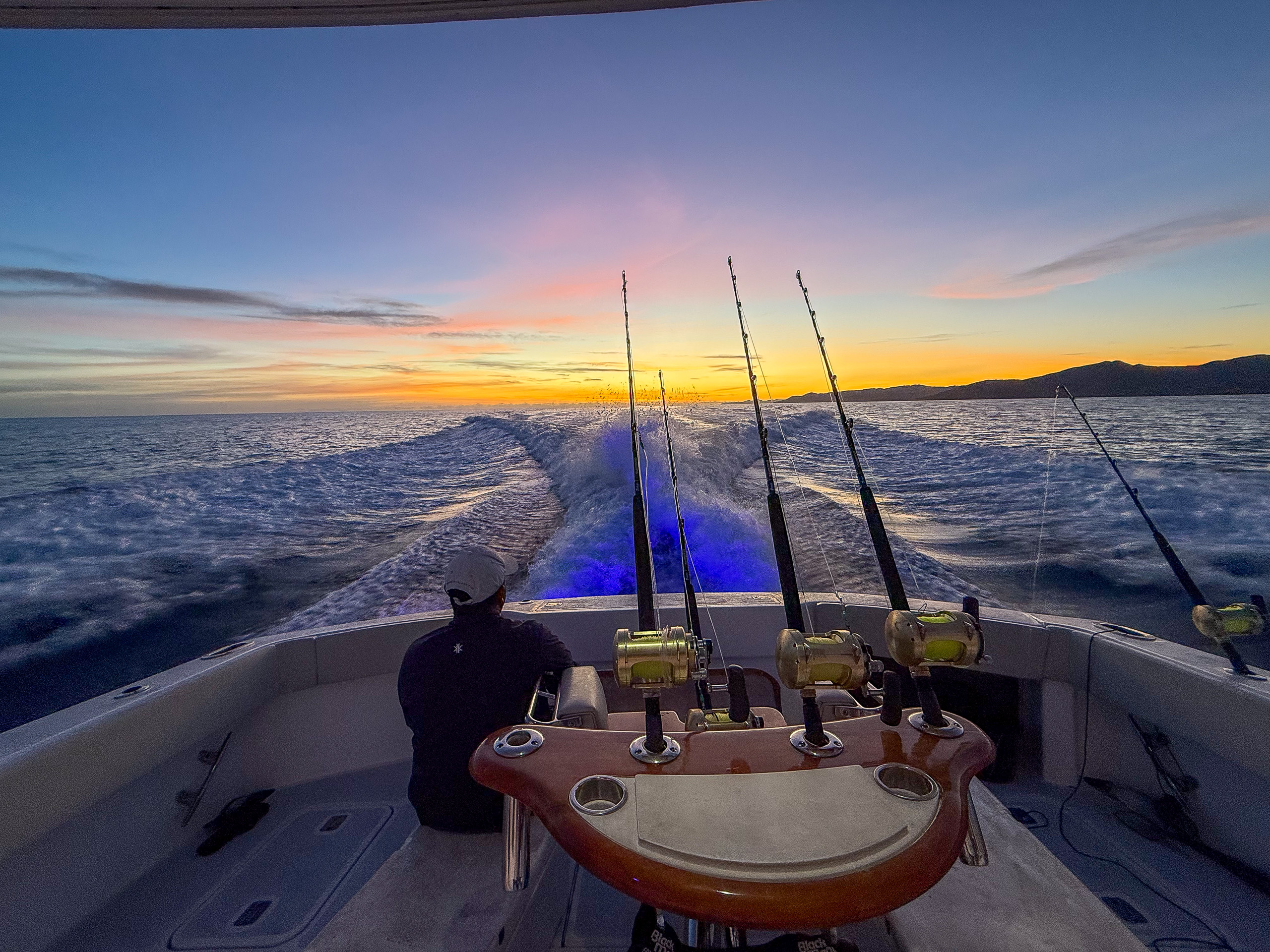
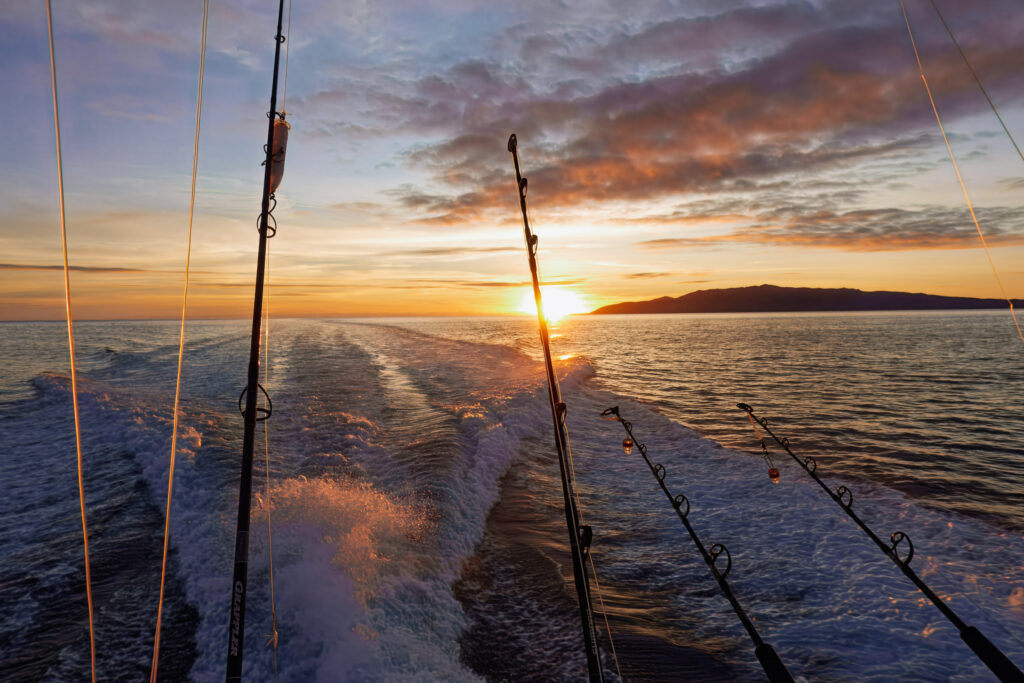
The seasons decide the rest of it. Between May and September the cooler water brings wahoo, sailfish, walu and Spanish mackerel; from October to April the warm months bring the big yellowfin and the mahi-mahi. Spearfishing is offered too, and it is the only version of this where you choose the individual fish rather than accept what took the lure. None of it comes with the island.
The counter-argument
The complaints about food on Kokomo are almost never about the cooking. They are about repetition, and they are about lunch.
Repetition first, because it is the real one. Seven nights is the stay this island argues for, and seven nights is exactly long enough for the supply chain to show through the menu. When one delivery feeds three kitchens, it is entirely possible to find a single ingredient leading breakfast, then lunch, then dinner on the same day – rice is the usual culprit. Nobody is cutting corners; there is simply nowhere else for the food to come from. On three nights you will never notice. On seven you might.
Then the format. The no-menu conceit is not as fashionable as it was, and several properties in the same bracket have quietly gone back to printing something. The case against it is fair: a chef sitting down to discuss what he can make is, on a bad day, a chef telling you what is left in the fridge, dressed up as a bespoke service. On a good night that is exactly the wrong way to describe it. On a slow Tuesday lunch with two other guests on the island, it is not.
The wine by the glass is thin. At a beach lunch you may be looking at one or two options each of white, red and champagne, which is a narrow list at this rate and a reason to decide between the package and a bottle from the cellar. The boundary of the all-inclusive is enforced generally, too, not only at the bar: the complimentary spa treatment is one voucher per villa rather than per person, and overrunning it is billable. Read the inclusions as a list, not as a philosophy.
Set against all of that: the tasting dinners land, the pizza oven is excellent, breakfast changes daily, there is cake all afternoon, and service at dinner is quick and unbothered by substitutions. Kokomo has a lunch problem and a repetition problem. It does not have a cooking problem.
Know before you go
Book Walker D’Plank more than once, and put the first one early. It is the only kitchen here that gets better the more it knows about you, and a chef who has already cooked for you once on a Monday is a materially different proposition on a Friday. Post the same logic onto the allergy conversation: have it on day one, with the kitchen, and repeat it at lunch.
Opening hours, dress code and whether any of the three needs booking are not published anywhere you can read from a distance. The in-villa compendium carries them and the front desk will tell you on arrival, but do not plan a first evening around an assumption. The same goes for how children are handled at dinner: the clubs run to nine, Kokocabana is plainly built for families, and the arrangements elsewhere are something to settle at check-in rather than discover at seven o’clock.
Time the week around the water rather than the kitchen. May to September puts wahoo and walu within reach; October to April brings the mahi-mahi and the big yellowfin. Either way, take the farm walk in the first half of the stay, keep Kokocabana in reserve for the flat days, and give the kitchen a day’s notice for anything ambitious. On an island supplied by boat, notice is the only currency there is.
See the full set: Kokomo Private Island, Fiji — in frames. More Fiji: the Fiji set.
The boat writes the menu here. That is the best thing about the food, and it is also the worst.
The Kokomo gallery
Every photo on this site is my own, shot on the stay. Slide through →