The Suite Report

Tag: Fairmont

  • Banyan Tree or Fairmont Mayakoba: Is the Villa Worth the Premium?

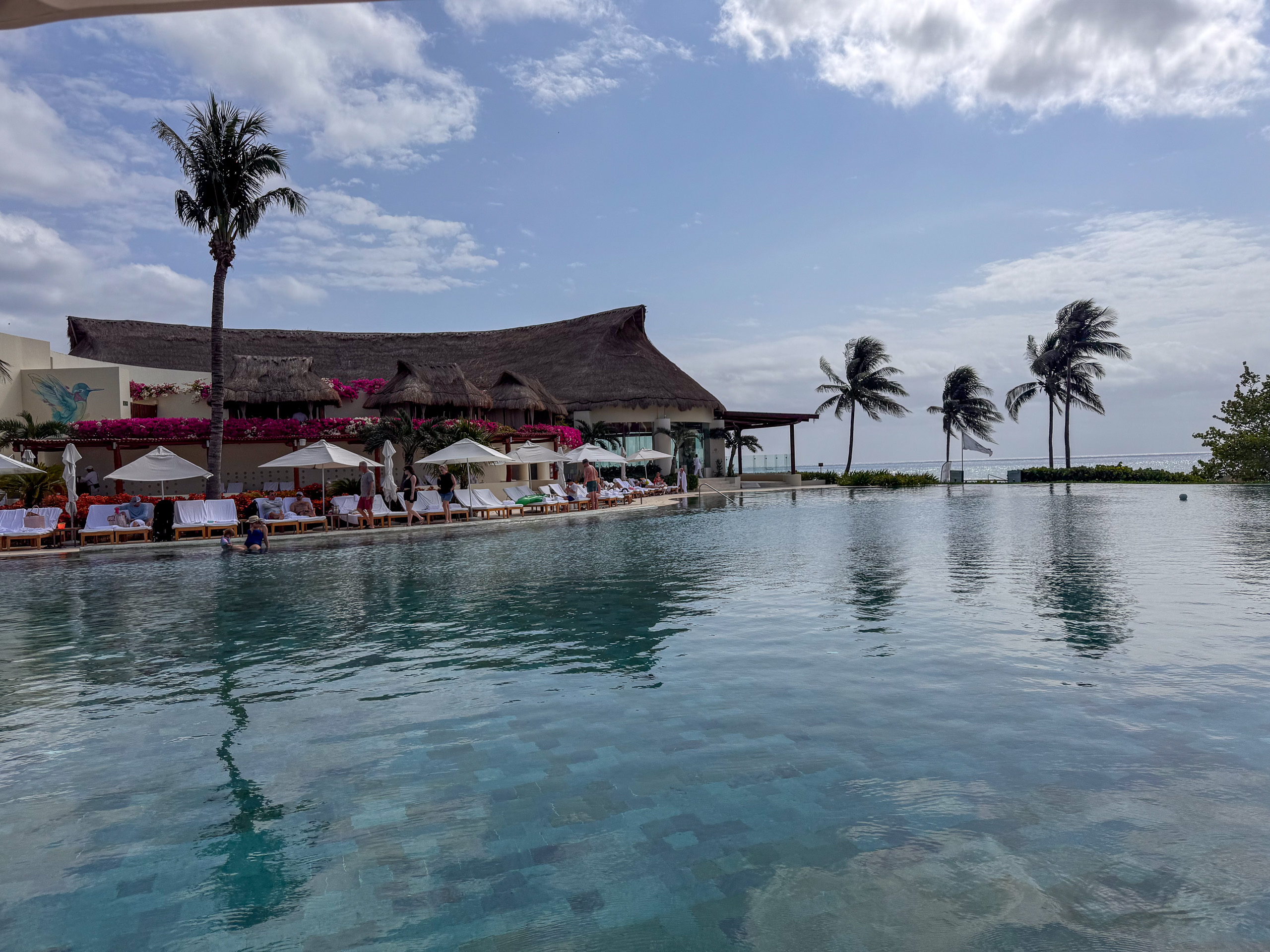
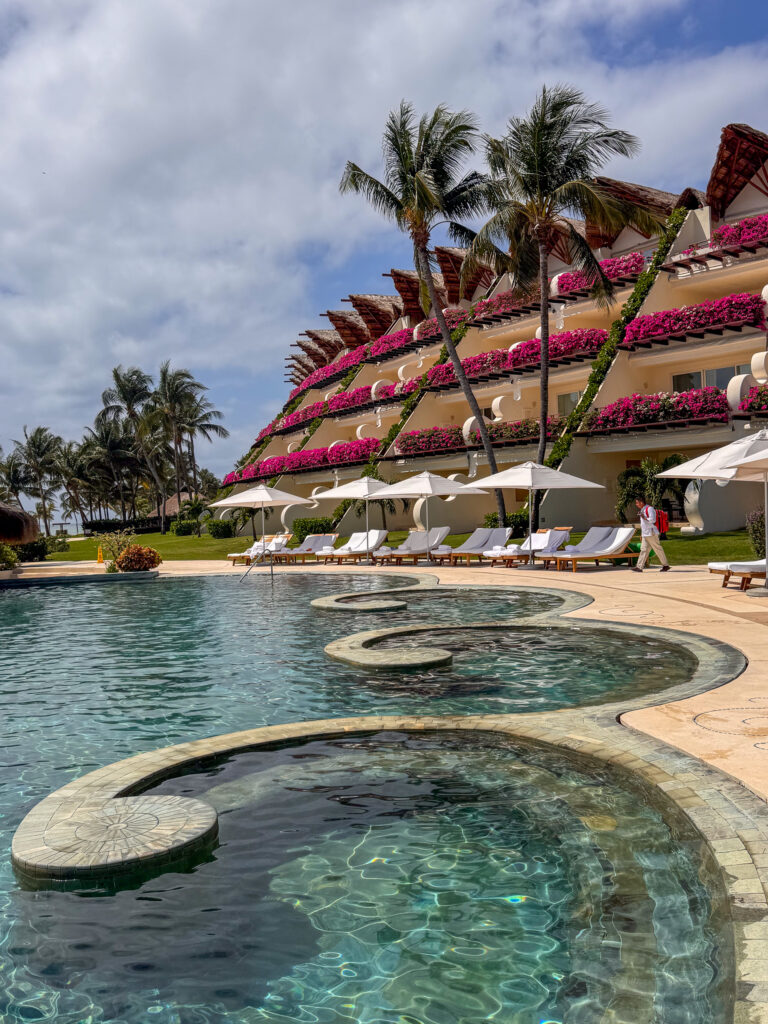
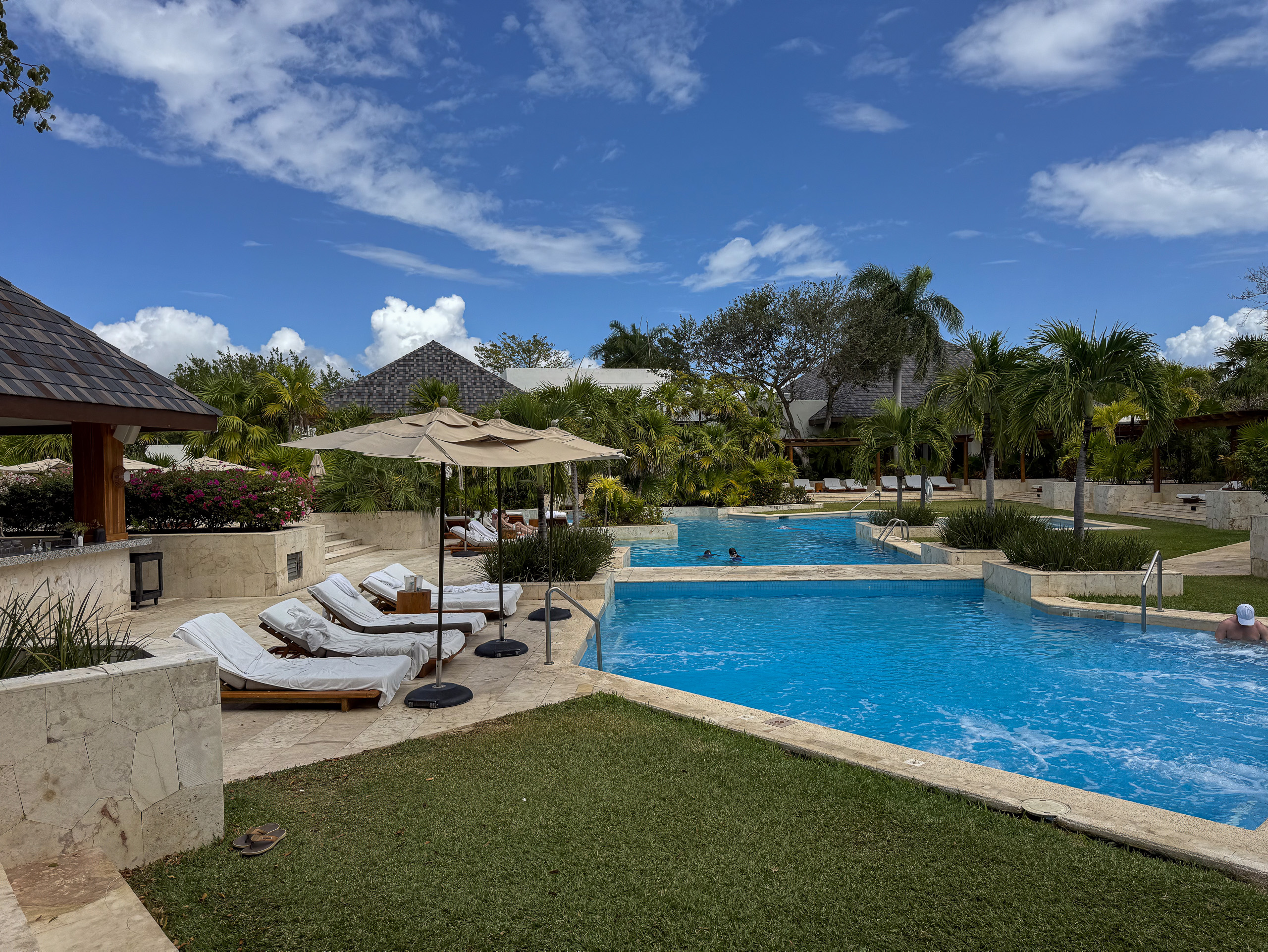
    The long lagoon-edge pool at Mayakoba, palms along one side

    BANYAN TREE MAYAKOBA vs. FAIRMONT MAYAKOBA · 13 MIN READ

    Banyan Tree or Fairmont Mayakoba: Is the Villa Worth the Premium?

    Four hotels share one jungle estate on the Riviera Maya. Two of them are the real decision, and the gap between them is a few hundred dollars a night.

    By J.C. Mercer

    At a glance

    • The estate Mayakoba, about 600 gated acres north of Playa del Carmen
    • The matchup Banyan Tree Mayakoba vs. Fairmont Mayakoba
    • Banyan Tree in a line about 160 villas, every one with a private pool, and a Thai-heritage spa
    • Fairmont in a line 401 rooms, five pools, a waterslide, an all-inclusive option

    Every stay on this site is paid for in full and booked the way any other guest would book it.

    Mayakoba is not a hotel. It is roughly 600 acres of gated jungle about forty minutes south of Cancún airport, threaded with canals that were cut out of the limestone and fed by the underground rivers running beneath the Yucatán. Four luxury hotels sit inside it, along with a Greg Norman golf course that has hosted tour events and a shared village square called El Pueblito. Guests move between the properties by golf cart, bike or boat.

    Which means the location argument, which usually decides these comparisons, does not exist here. Same jungle, same beach, same drive, same course. What is left is the hotel itself and the rate, and the rate is where this gets interesting: Banyan Tree runs well above the Fairmont on comparable dates, roughly half as much again at entry and more up the villa categories.

    The question is whether the villa is worth the premium. The answer is more complicated than the star ratings suggest.

    I have written each hotel up on its own, at length: Banyan Tree Mayakoba: Beachfront or Jungle? goes through the villa categories, and Fairmont Mayakoba: The One That Got Here First covers the oldest hotel on the estate. This piece assumes you have narrowed it to these two and want to know which way to jump.

    I slept here

    Banyan Tree Mayakoba

    • Nights 3
    • Stayed February 2026
    • Room booked Oceanfront Pool Villa
    • How it was booked Amex Fine Hotels + Resorts, public rate
    • Rate band $$$$Check current rates

    Fairmont Mayakoba

    • Nights 3
    • Stayed March 2026
    • Room booked Signature Casita, king
    • How it was booked Amex Fine Hotels + Resorts, public rate
    • Rate band $$$$Check current rates

    The short version

    Banyan Tree is all villas, around 160 of them, every one with its own private pool, wrapped in Southeast-Asian design and anchored by a Thai-heritage spa. It is the quieter, more design-led property, the one built around wellness, and the one that will make you feel you have left the resort world entirely.

    Fairmont lists 401 rooms, casitas and suites across 45 acres, five pools including one with a waterslide, a kids’ club and a teens’ club, eight restaurants and an optional all-inclusive plan. It is the better-value property and the more practical one for a family.

    Both share the same canals and the same beach. Neither shares the same bill.

    The arrival

    The arrival is a gentler difference here than it is at some of the estate’s other hotels, but it still sets the tone.

    At Banyan Tree you arrive into a lobby built around a living banyan tree that rises out of the lagoon, and you are handed a cold green juice and a fresh-flower bracelet before anyone talks logistics. You move around by buggy, by bike, or by boat along the canals. It is a calm, deliberate welcome, and the Southeast-Asian design language is set from the first minute.

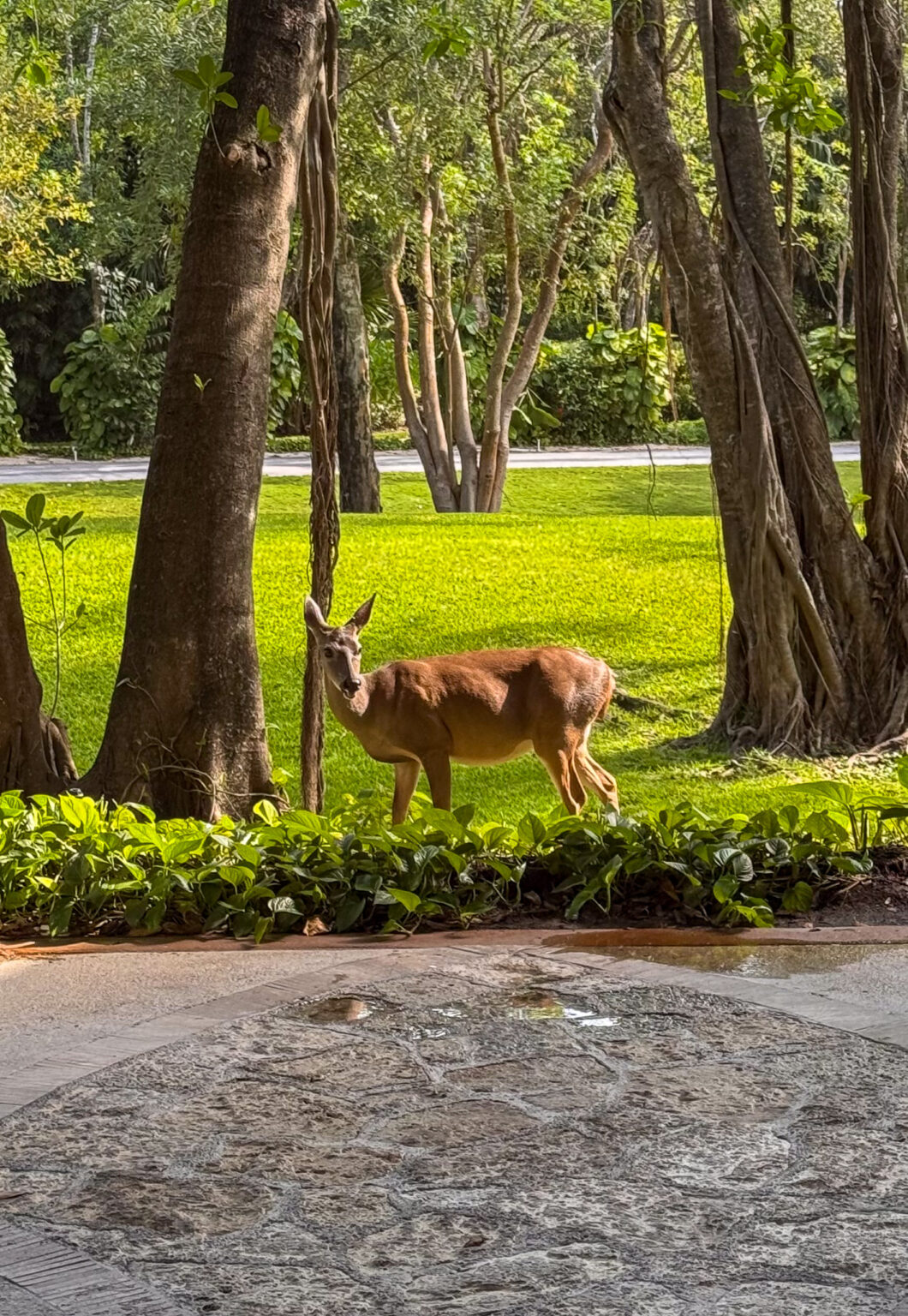
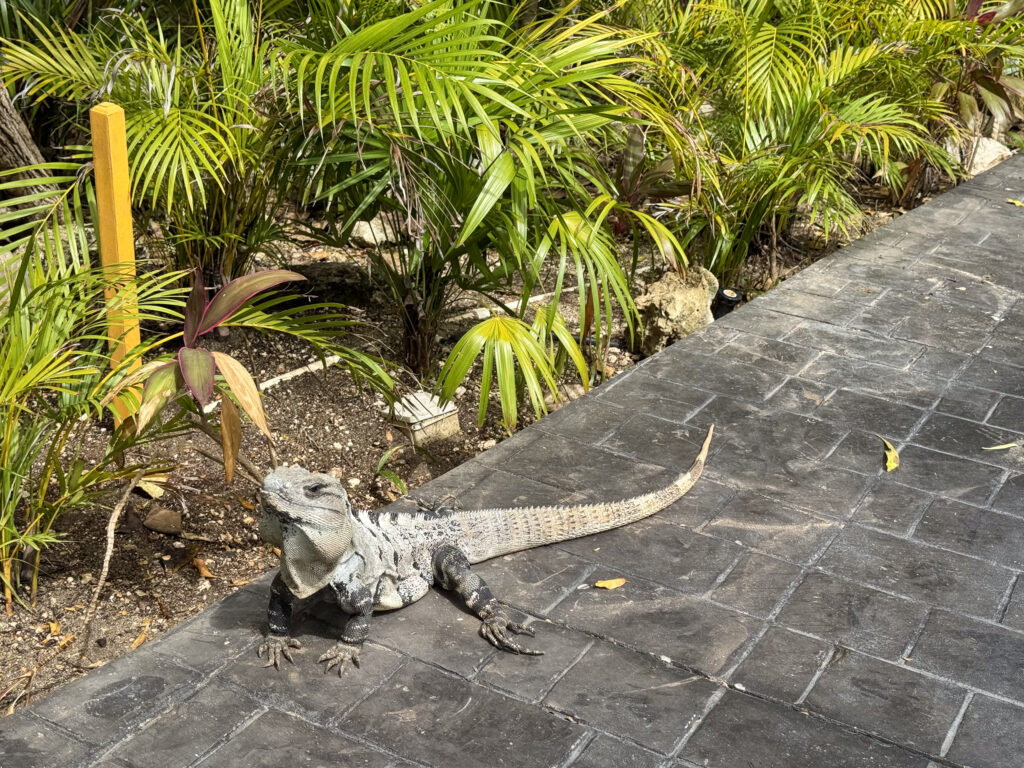
    At Fairmont you arrive by road and move around by golf cart, bike or on foot, with boats on the canals as an activity rather than as transport. The grounds are lush and genuinely full of wildlife – coatis, iguanas and birds are part of the walk to breakfast, not an excursion you book. It is a lovely arrival at a resort. It is simply a busier one.

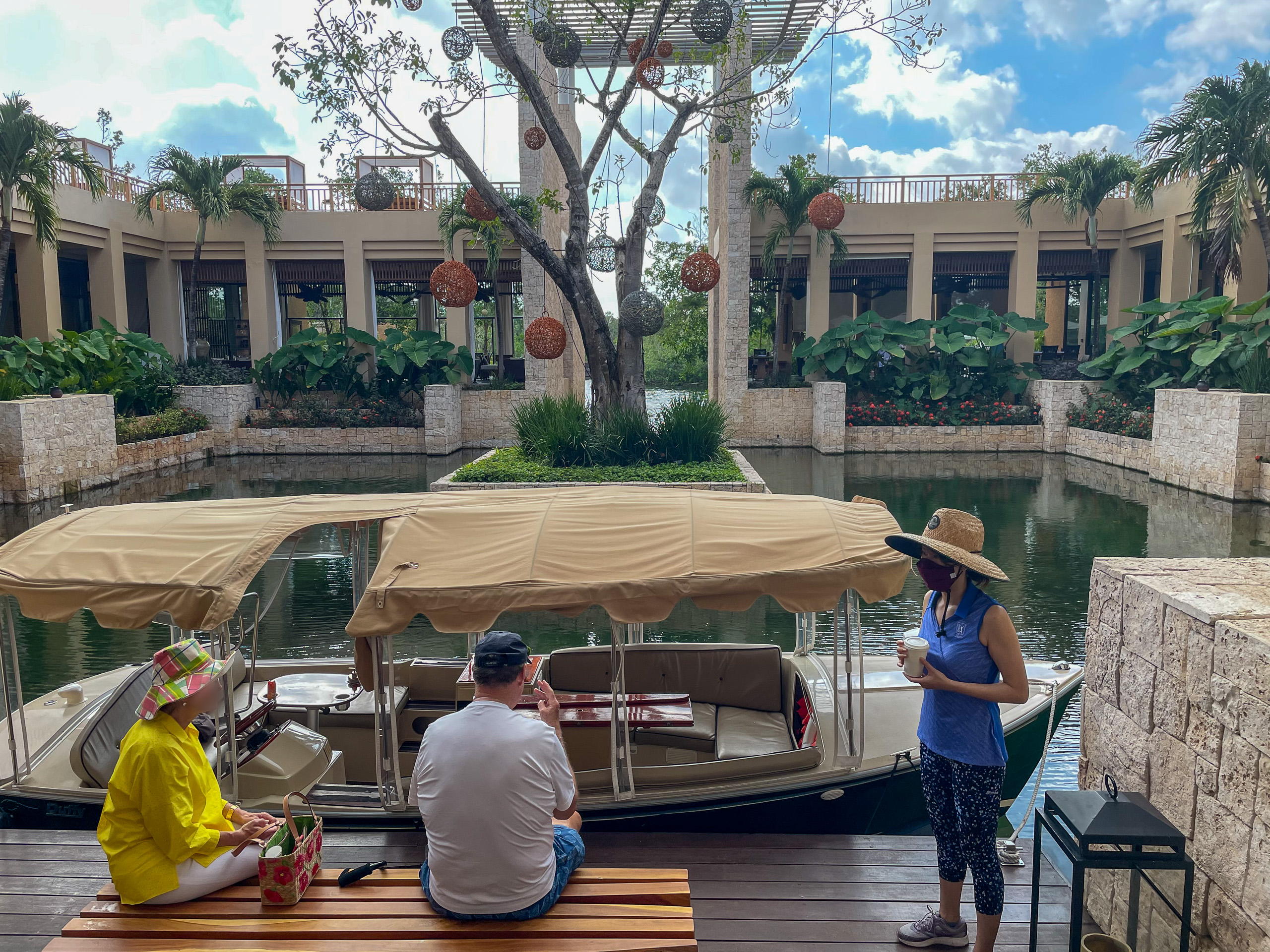
    Guests boarding a boat at the Mayakoba arrival dock

    The rooms

    Banyan Tree is all villas, a listed 160 of them, each with a private, heated pool, entry categories published at around 1,600 square feet, in a pared-back Southeast-Asian style softened with Mexican materials. Living space and bedroom open onto a terrace and your own water, whether you book garden, lagoon or oceanfront.

    One tip worth having: the garden and lagoon villas run noticeably cheaper than the oceanfront ones and, screened by jungle, often feel more private rather than less.

    Fairmont’s 401 rooms, casitas and suites are large and bright with deep marble soaking tubs, and some categories have private plunge or infinity pools. The honest note is that the decor reads plain for a hotel at this price: wooden furniture, beige marble floors, a level of finish that does not match the setting outside the window. The walls are thin, too, and maintenance can lag. The grounds are the luxury here. The rooms are comfortable rather than memorable.

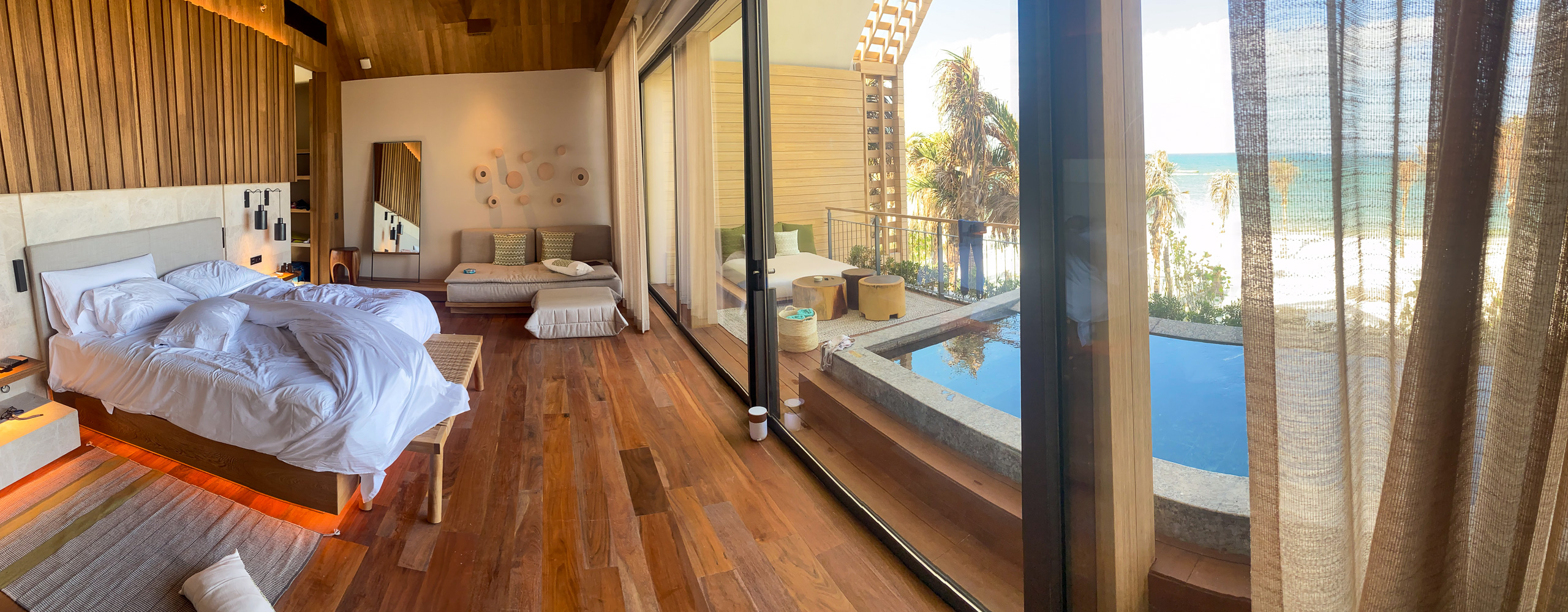
    A Banyan Tree villa bedroom opening onto its private pool and the sea

    Food, and the all-inclusive maths

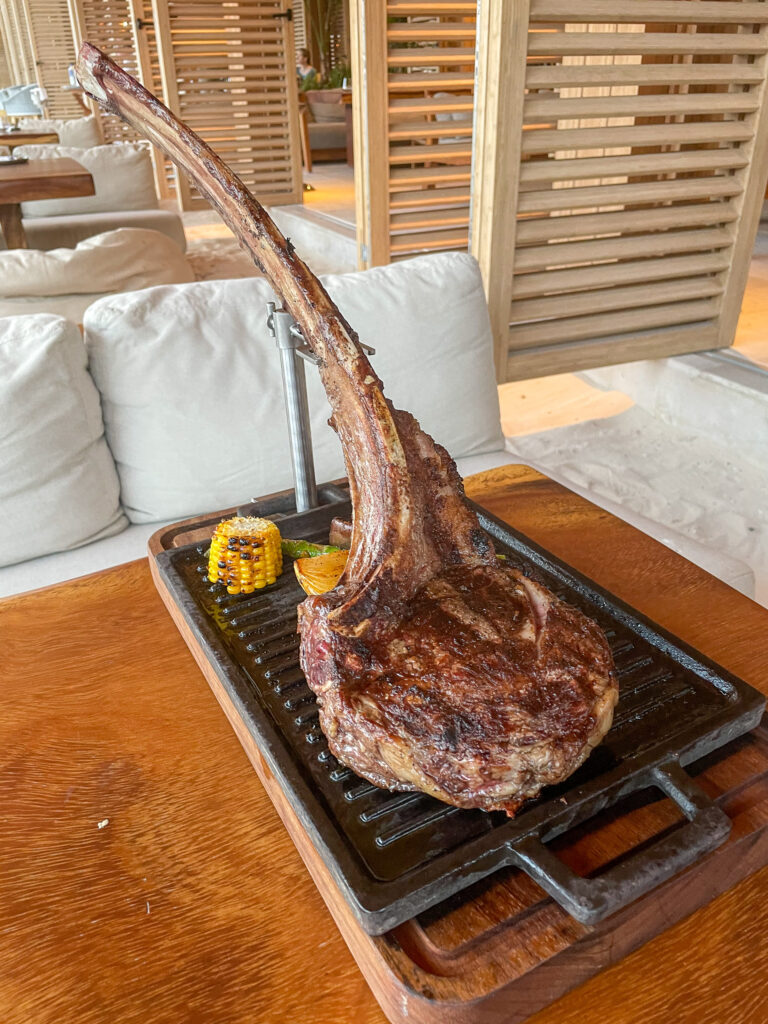
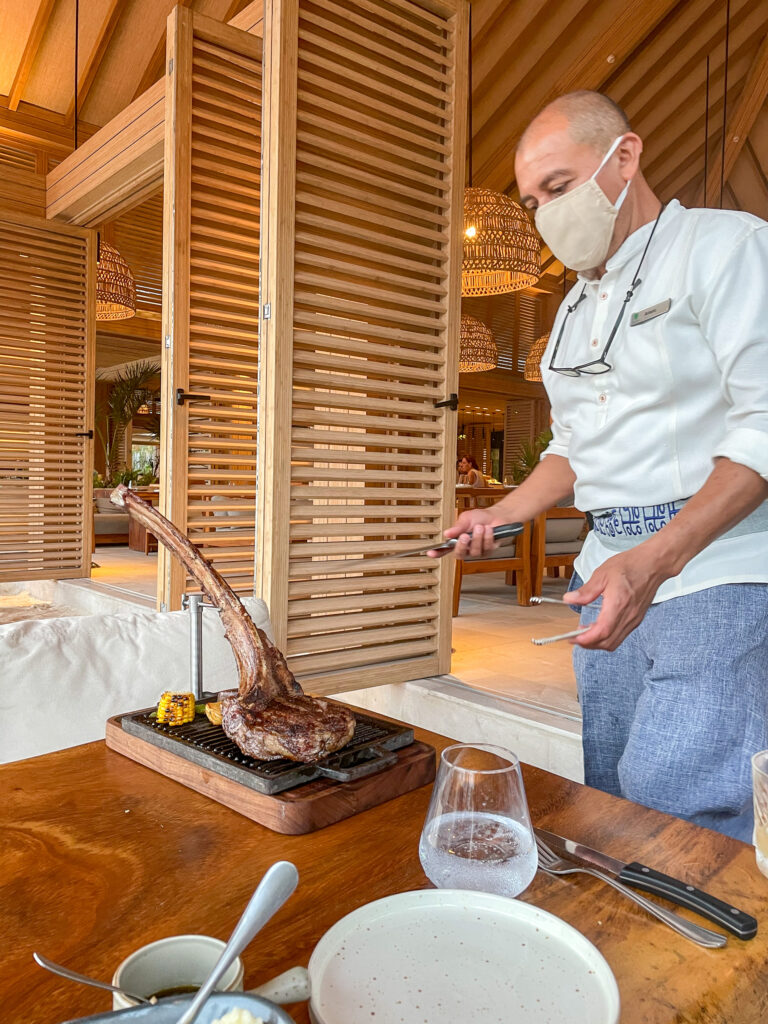
    Banyan Tree runs around nine venues and leans into its Asian heritage rather than international hotel food. Saffron is the signature Thai room and the standout. Oriente handles canal-view breakfasts and international plates. Tomahawk is an open-fire Latin grill, Cello does Italian, Suna covers Nikkei, and La Copa and Cocina Corazón take Mexican onto the terrace and into the street-food register. Two beach clubs, Sands and Sur, run the daytime.

    Fairmont runs eight venues built around a partnership with chef Richard Sandoval: El Puerto for the gourmet end, La Laguna for modern Mexican with a tequila bar, a beachside grill, coffee shops including one in El Pueblito, and a lobby lounge. It is a strong programme without a single standout comparable to Saffron.

    Then there is the plan. Fairmont offers an all-inclusive option covering unlimited dining and premium drinks, charged per room per night on top of the rate. Run the numbers before dismissing it. Two people eating three meals a day at resort prices in the Riviera Maya, with wine at dinner and drinks by the pool, will clear that figure without trying. For a family of four it stops being close. If you plan to eat on property most days, the all-inclusive is the cheaper way to stay at the Fairmont, and it is the single strongest argument in this comparison.

    Banyan Tree has no equivalent. You pay per plate, and the plates are priced for a resort of this level.

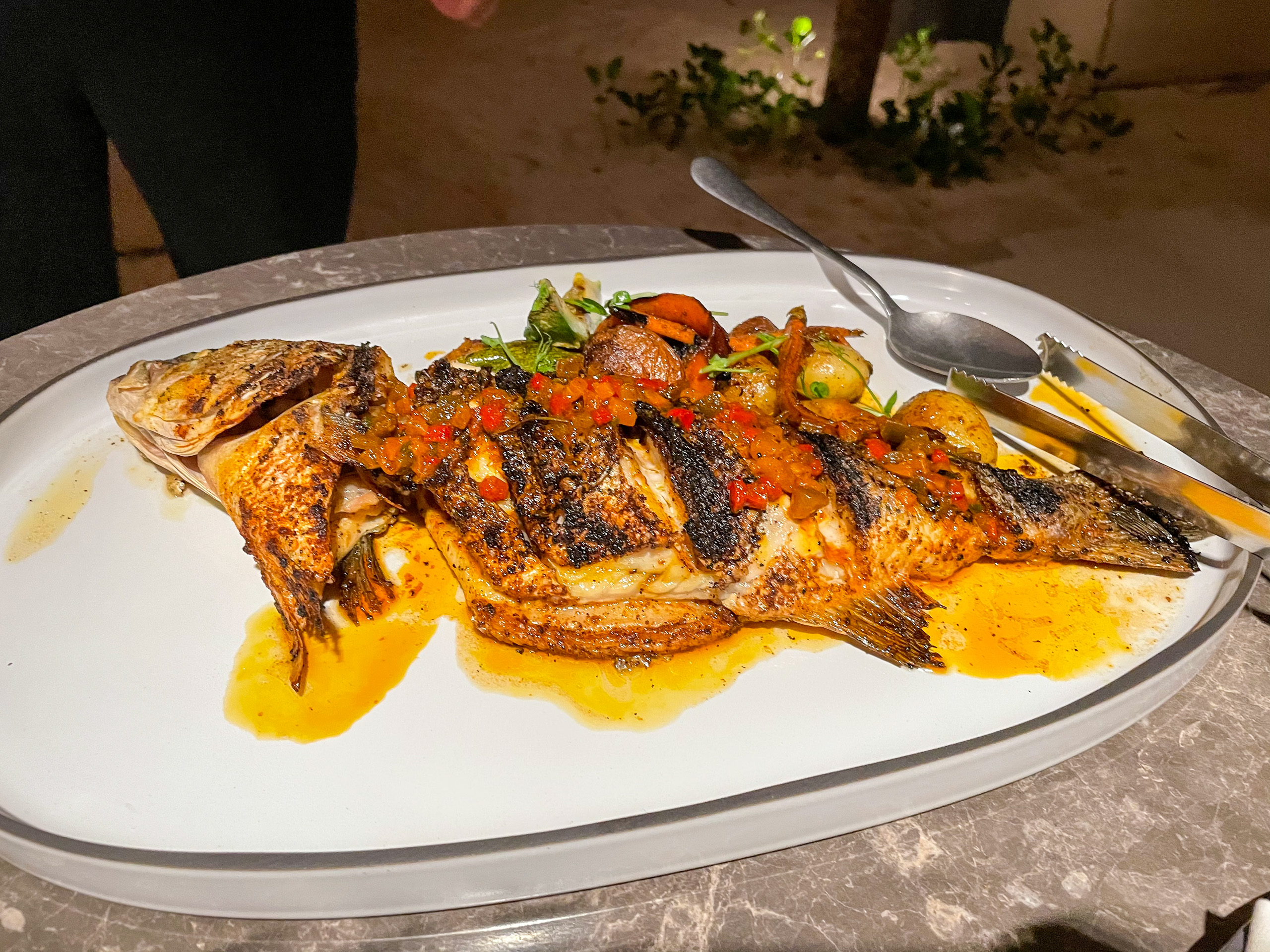
    A whole fish plated at dinner

    Pools, beach and the thing nobody wants to mention

    Banyan Tree gives every villa its own pool, which changes how the resort feels: the shared water is quieter than the guest count suggests. The Sands Beach Club anchors the public pools with a waterfront swim-up bar, and there is more water across the grounds if you want to leave your terrace.

    Fairmont has five, including a family pool with a waterslide, a beachfront pool and an adults-only infinity pool that looks over the lagoon into the jungle. For a resort of 401 rooms that is enough water to avoid a lounger scramble most days.

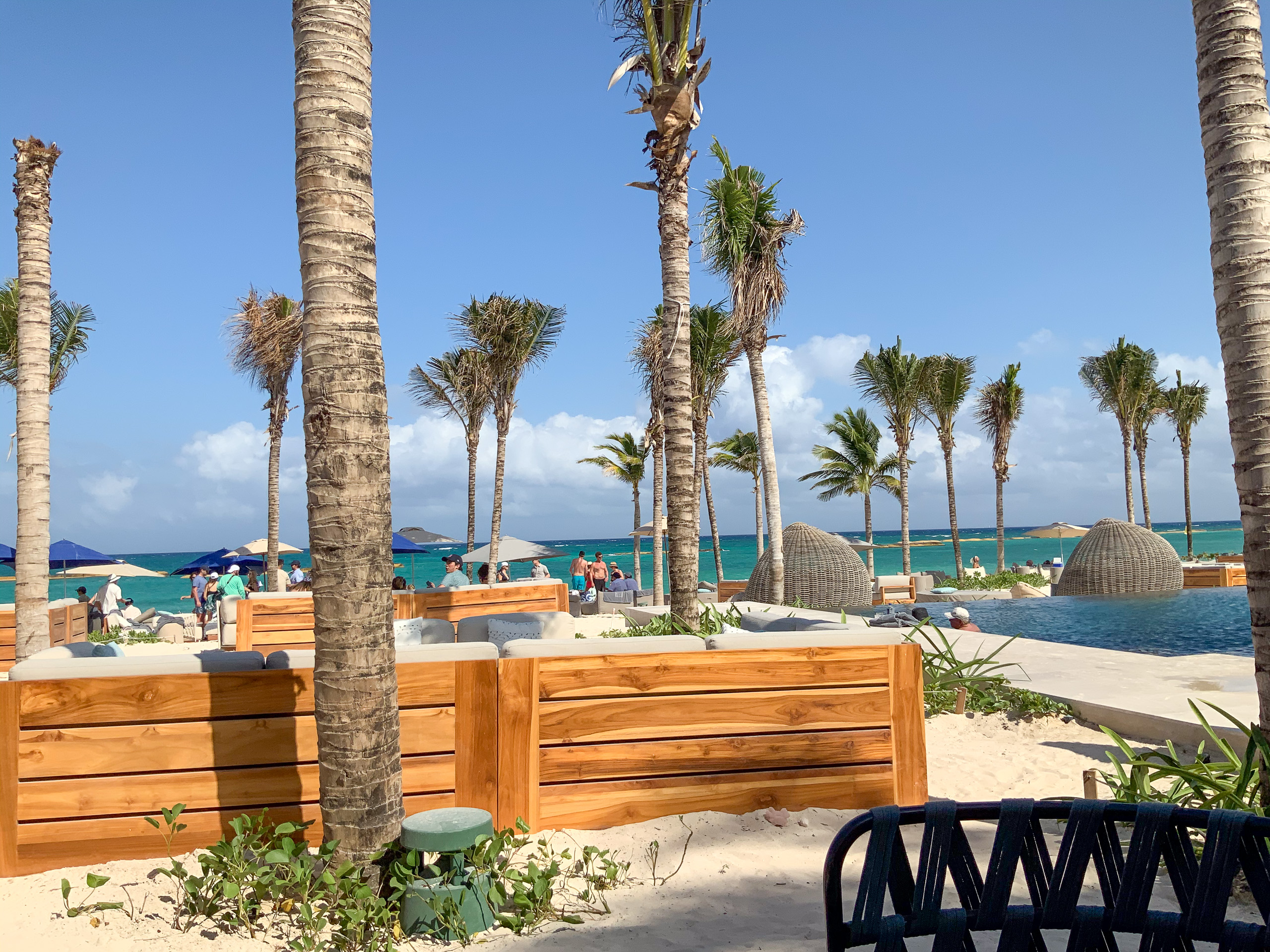
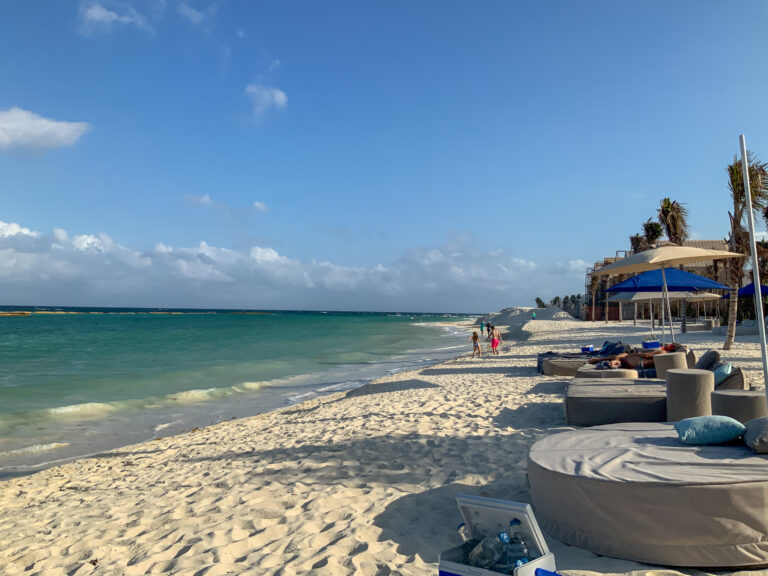
    Now the honest part, and it applies to both. This stretch of the Riviera Maya gets sargassum seaweed seasonally, and the offshore barriers used to manage it mean the beach does not look like the brochure. Banyan Tree guests raise it as their one disappointment. Fairmont guests raise it alongside past beach construction work. Neither hotel can fix it and both handle it about as well as anyone does. If a flawless Caribbean beach is the point of your trip, look at the Pacific side or come outside sargassum season and check recent guest photos before you book.

    Teak daybeds and woven pod cabanas on the sand beside the beachfront infinity pool, palms and the Caribbean behind

    Spa

    Banyan Tree brings its Asian wellness heritage to Mexico, and the spa is a reason to choose this side on its own. The Banyan Tree Spa runs Thai-influenced treatments in private therapy villas, and The Rainforest, a hydrothermal circuit of steam, ice, heat and sensation pools, is the thing you build a slow afternoon around. It is one of the more serious wellness offerings on the estate.

    Fairmont’s spa is very good, and it sells the afternoon rather than the hour: a private spa pool, a coffee bar, an outdoor hot tub. It simply is not built on a wellness brand the way Banyan Tree’s is.

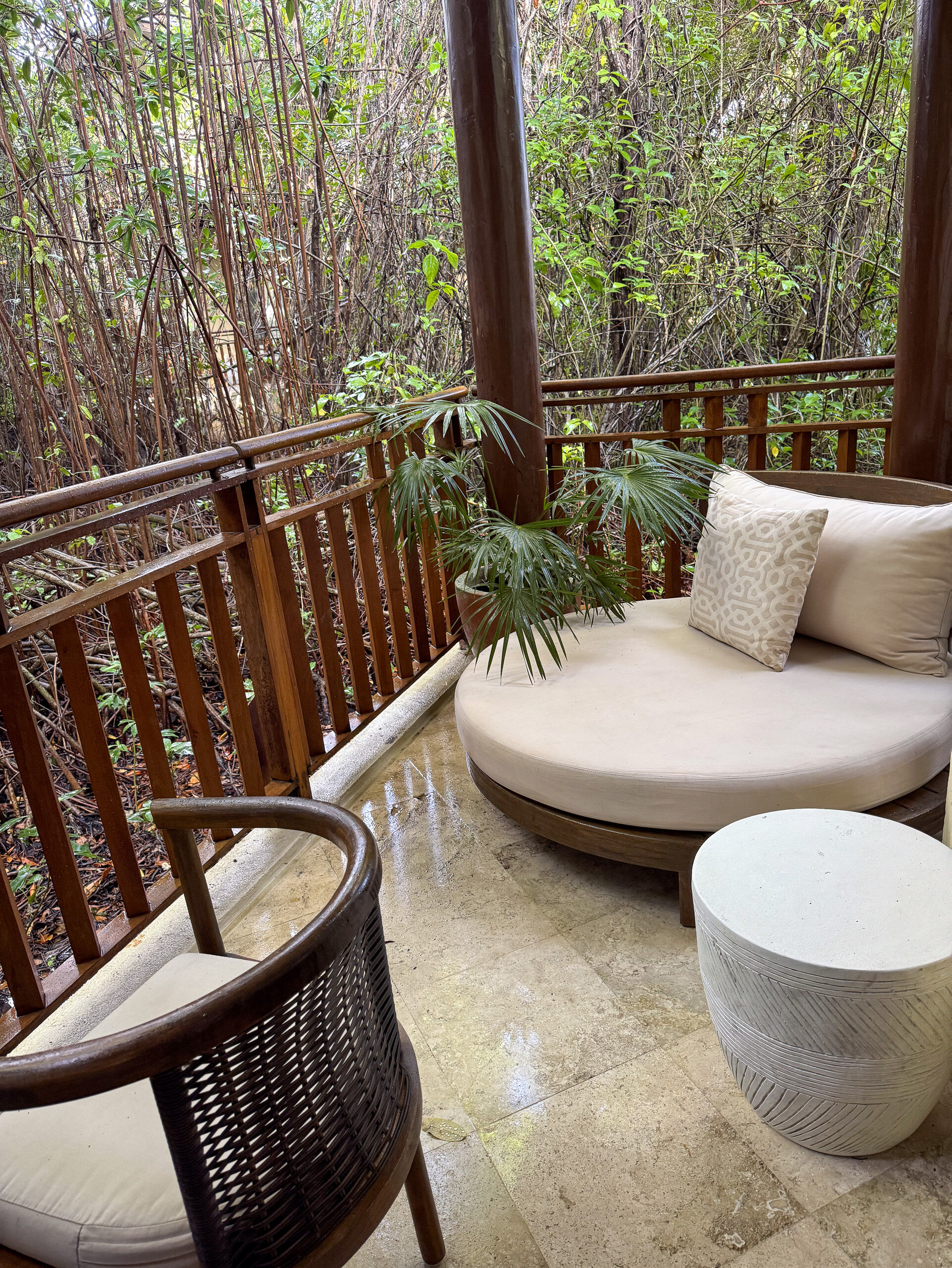
    A shaded daybed on a deck above the mangroves

    Families

    This is the one category where the gap widens rather than narrows.

    Fairmont is built for families: kids’ club, teens’ club, waterslide, connecting rooms, and enough space that nobody minds noise. It is also pet friendly, with dog kits.

    Banyan Tree leans the other way. It is a couples-and-wellness property at heart, with no dedicated kids’ club, though it will put families in multi-bedroom Harmony villas or a Family Residence and arrange babysitting on request. It is, for what it is worth, also pet friendly, with dogs of any size welcome for a small fee.

    The real difference: at Fairmont your children are the point. At Banyan Tree they are quietly accommodated, and the resort is happiest when the villas are full of couples.

    Service

    Banyan Tree is the best-served hotel on the estate, and the all-villa model is why. Fewer guests, more attention per room, and staff who are not stretched across four hundred keys.

    Fairmont is a step behind, and the pattern is the familiar one at this size: individuals who go conspicuously out of their way, alongside restaurant service and housekeeping that can drop. Location and cleanliness are consistently strong. Service and value are where it wobbles, and the misses are memorable when they come – which is part of what a big resort costs you.

    Is Banyan Tree worth the premium?

    On comparable dates Banyan Tree opens a clear tier above Fairmont, and climbs steeply up the villa categories and in high season. Both swing hard with the season, Fairmont further than Banyan Tree.

    For that you get a private pool on every terrace, the Thai-heritage spa and The Rainforest, Southeast-Asian design, and an all-villa resort of around 160 keys instead of 401. Those are real, and the difference in feel is not subtle.

    But the premium is smaller than it first looks. Banyan Tree is not twice the Fairmont; it is closer to half as much again. Add the all-inclusive to a Fairmont booking and the two rates land closer still, with all the food and drink covered on the Fairmont side. That gap buys a lot of trip elsewhere.

    Which one

    Take Banyan Tree for a honeymoon, an anniversary, or any trip built around the villa and the spa. Take it if wellness is a reason for going, if you want a private pool off your own terrace, and if Southeast-Asian calm is the mood you have been carrying around.

    Take Fairmont with children, with a group, on a golf trip, or on any stay longer than four nights where the food bill compounds. Take the all-inclusive if you plan to eat in.

    If the budget stretches and you want my answer: four nights in a Banyan Tree villa beats six in a Fairmont room. If it does not stretch, the Fairmont is not a consolation prize. You are in the same jungle, on the same beach, and you can hop the ferry to Saffron for dinner.

    The comparison

    WhatBanyan Tree MayakobaFairmont Mayakoba
    SizeAbout 160 pool villas and suites401 rooms, casitas and suites
    GroundsVilla estate on the Mayakoba lagoons45 acres within the same estate
    ArrivalBuggy, bike or canal boat; banyan-tree lobbyBy road, then cart or bike
    Entry accommodationVilla, around 1,600 sq ft, private poolRoom or casita, comfortable but plain
    Private poolEvery villaSome categories only
    DesignSoutheast-Asian, villa-ledResort-standard, family-led
    PoolsBeach-club pools, plus your ownFive, including a waterslide
    SpaBanyan Tree Spa and The Rainforest hydrothermalVery good, praised by guests, no wellness brand
    DiningAround nine venues, Saffron the standoutEight venues, Richard Sandoval partnership
    All-inclusiveNot offeredOptional, charged per room per night
    ChildrenWelcomed, no dedicated kids’ clubKids’ club, teens’ club, built for families
    PetsDogs welcome, small feeDog kits, pet friendly
    ServiceThe strongest on the estate – fewer guests, more attentionGood, and occasionally uneven at 401 keys
    Typical rateA clear tier above the FairmontLower, and further still in low season
    Best forCouples, wellness, the villaFamilies, groups, golf, longer stays

    Measured, not guessed

    Here is what I measured and noted across both stays, rather than what the websites promise. This is the part I always want from a review and rarely get.

    WhatBanyan TreeFairmont
    Accommodation size1,610 sq ft villa plus private pool645 sq ft plus terrace
    Wi-Fi speed132 Mbps down, steady across the villa88 Mbps down, weak on the terrace
    NoiseBirds and insects; no neighbours audibleNeighbouring room audible through the wall
    BedKing, medium-firm, excellent linenKing, medium, good linen
    Water pressureStrong, hot in about ten secondsStrong, hot in about fifteen
    Private poolHeated, cleaned dailyNot in this category
    Time to reach the beach5 minutes by buggy from the villa6 minutes on foot
    Loungers gone byNever an issue in three days10am at the family pool
    Sargassum on the beachPresent, barriers in place, cleared each morningPresent, barriers in place, cleared each morning
    Mosquitoes at duskNoticeable on the lagoonNoticeable in the gardens

    Measured, not guessed

    Quick verdict

    Which side are you?

    • Book Banyan Tree for the private-pool villa, the Thai-heritage spa and Southeast-Asian calm
    • Book Fairmont for the space, the waterslide and the all-inclusive maths
    • Travelling with children or a group? Lean Fairmont
    • Celebrating something? Lean Banyan Tree

    Book Banyan Tree if the villa is the trip. Book Fairmont if the trip is bigger than the room.
    The Mayakoba galleries

    Every photo on this site is my own, shot on the stays. Slide through →
    Canals running between the villa buildings at Banyan Tree MayakobaPolished metal letters spelling mayakoba on a low stone wall beside the highway, seen through a car windowBed and plunge pool looking out to the Caribbean in a beachfront suiteTwo wooden loungers under a timber pergola looking across lawn to the resort poolA villa terrace with a private plunge pool above the beachA wooden restaurant deck over the canal set with red chairs and festoon lights, a boat passing behindCabanas around the beachfront poolA waiter in blue gloves preparing guacamole at a wooden trolley of chips, limes and salsas on the deckClear water and clean sand on the beach at MayakobaA waiter spooning guacamole from a tableside trolley set with lime, tomato, cheese and chapulinesThe beachfront pool under palmsDried chillies, chapulines and a grasshopper arranged on a blue-and-white patterned plateA tomahawk steak from the open-fire grillPalms, a lit stone colonnade and the moon reflected in a still black reflecting pool at nightWhole fish from the kitchenA bathroom with a sunken tub beside a garden window, stone-topped double vanity and rolled white towels
  • Fairmont Mayakoba: The One That Got Here First

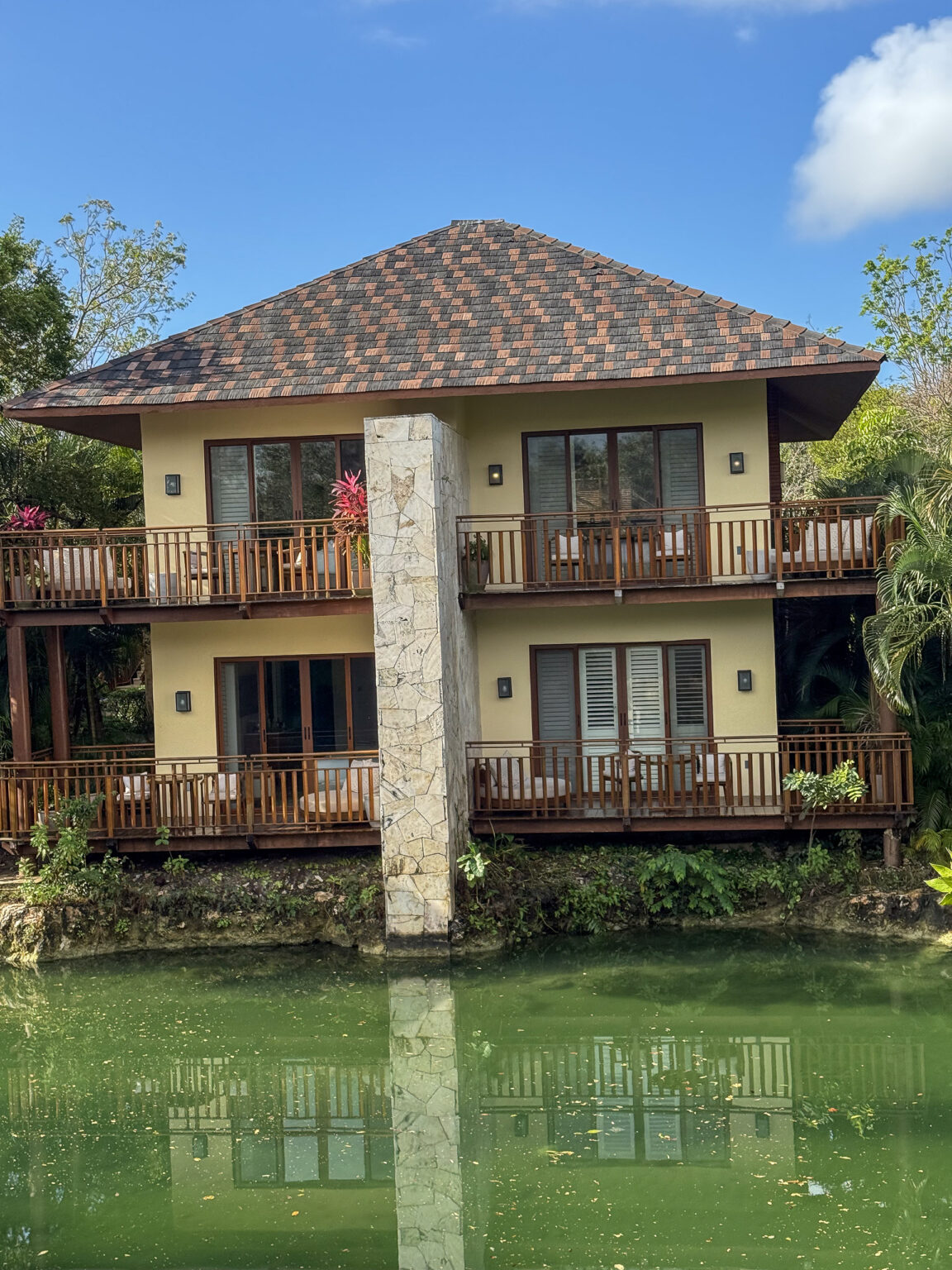
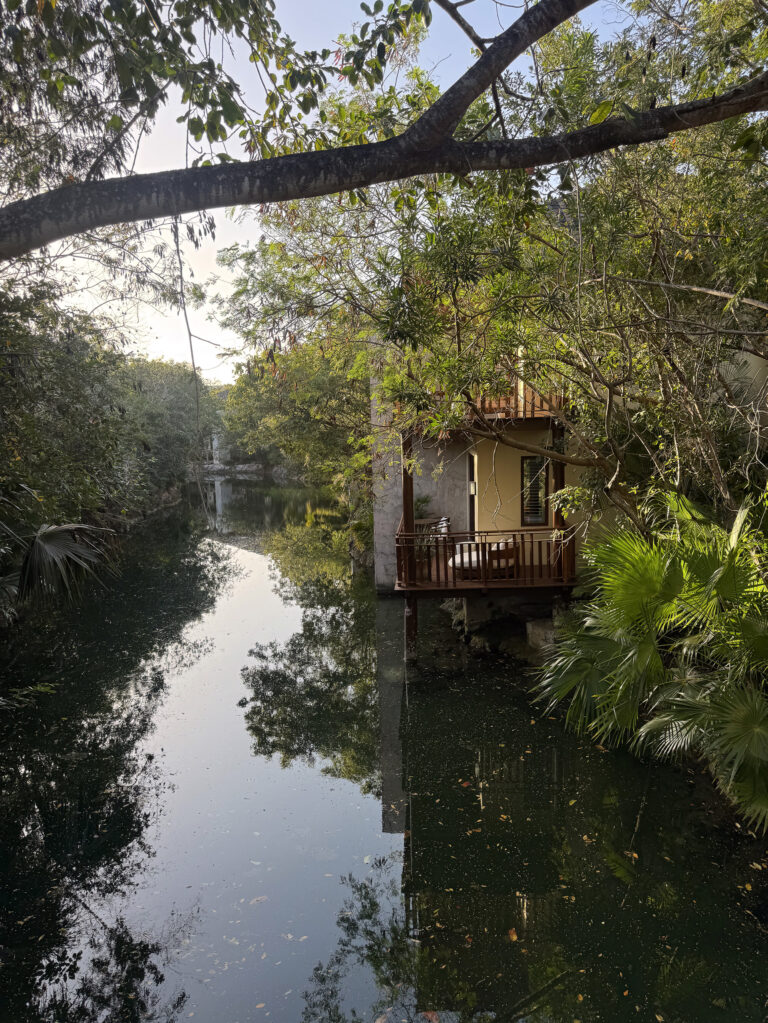
    A two-storey casita of pale stucco and wooden balconies standing directly above the green lagoon

    MAYAKOBA, MEXICO · VERIFIED STAY · 9 MIN READ

    Fairmont Mayakoba: The One That Got Here First

    Twenty years on, the resort that opened Mayakoba is the biggest of the four, the least precious about it, and the only one that will sell you the whole stay all-inclusive.

    By J.C. Mercer

    Know before you go

    • Where Mayakoba, Riviera Maya, about 25 minutes north of Playa del Carmen and 45 from Cancún airport
    • The property 401 rooms and suites on roughly 45 acres, inside the gated Mayakoba community; opened 2006 as the first of the four resorts here
    • The choice two-storey casitas along the lagoon and the mangrove, or casitas and suites on the beach side
    • Rates all-inclusive nights for two, published by the hotel
    • Getting around paths, bicycles and golf carts; guests at any Mayakoba resort can dine at the others on their room key

    Every stay on this site is paid for in full and booked the way any other guest would book it.

    Mayakoba is four resorts sharing one address, a private community of clear-water canals cut through mangrove on the Riviera Maya. Fairmont got here first. It opened in 2006, before the canals had a reputation and before Rosewood, Banyan Tree and Andaz arrived to give the place its luxury shorthand, and in 2026 it is marking twenty years with a programme of art exhibitions called Past, Present and Paradise.

    That head start explains most of what the resort is now. It is the largest of the four, with a listed 401 rooms and suites spread across roughly 45 acres of the wider community, and it is the one that behaves least like a boutique hotel. There are two kids’ clubs, a main pool you could lose a family in, and an optional all-inclusive package — three things nobody would write about Rosewood next door.

    Whether that reads as a warning or a relief is the whole question, and it depends almost entirely on who is travelling with you.

    I slept here

    Fairmont Mayakoba

    • Nights 4
    • Stayed March 2026
    • Room booked Deluxe Casita, lagoon side
    • How it was booked Amex Fine Hotels + Resorts, public rate
    • Rate band $$$$Check current rates

    Twenty years of planting

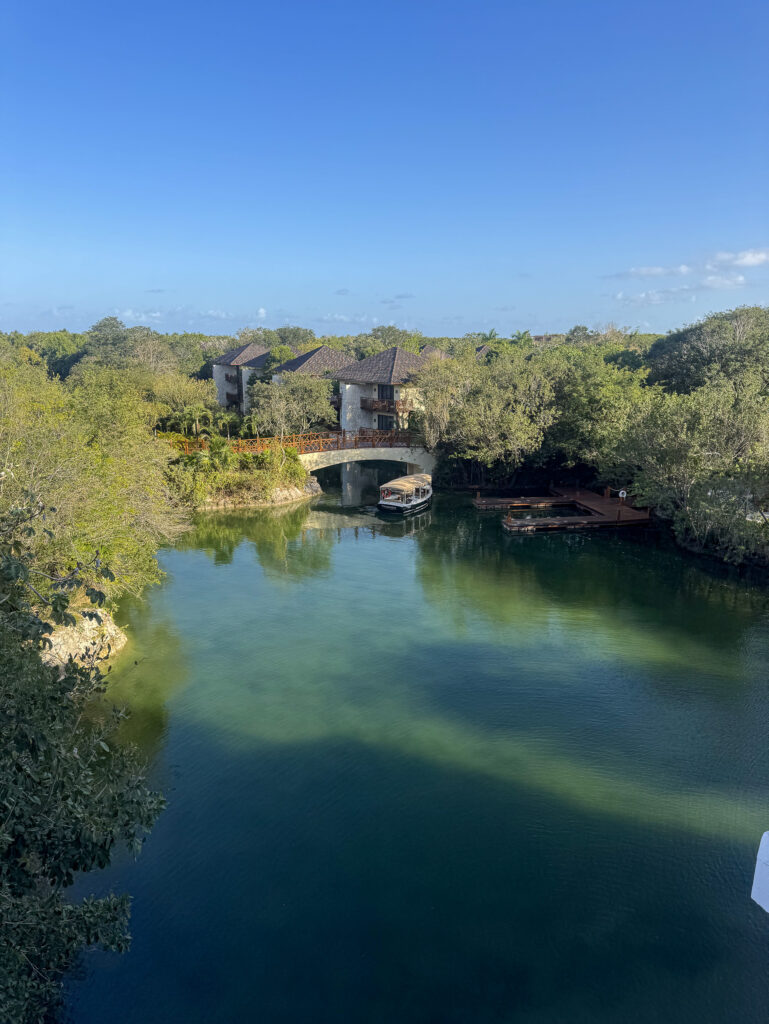
    A wide green canal curving past a two-storey resort building and a low stone bridge under a clear sky
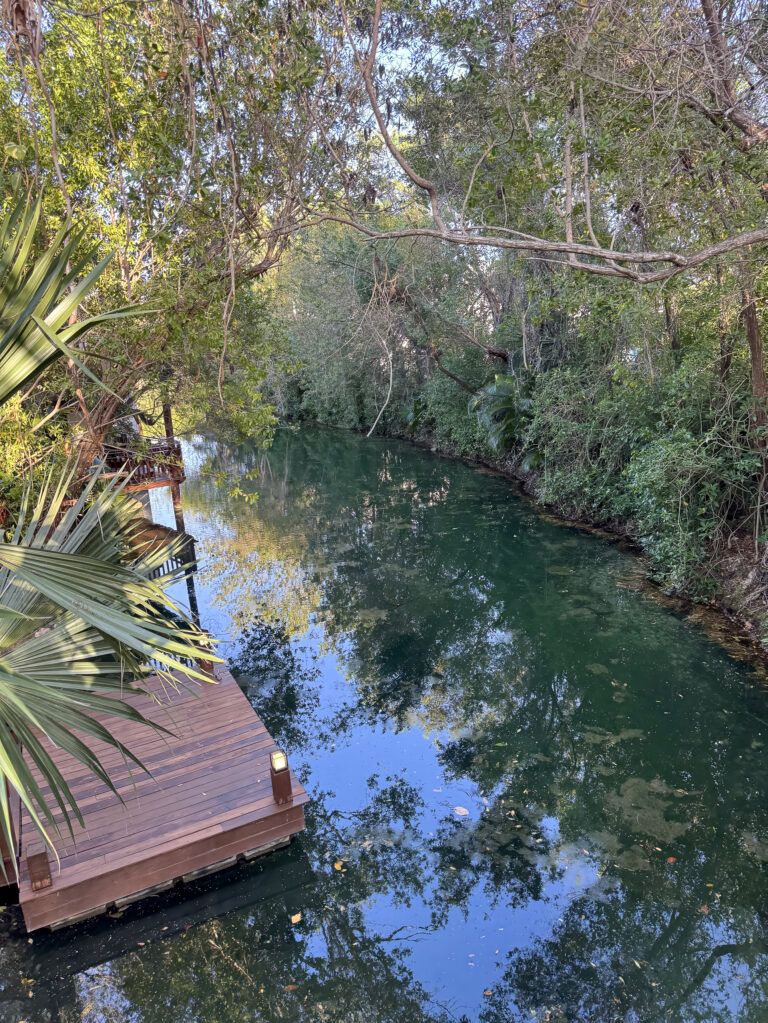
    The canal system is the spine of the whole community. Buildings sit on it rather than beside it, and boats pass under low stone bridges between resorts.

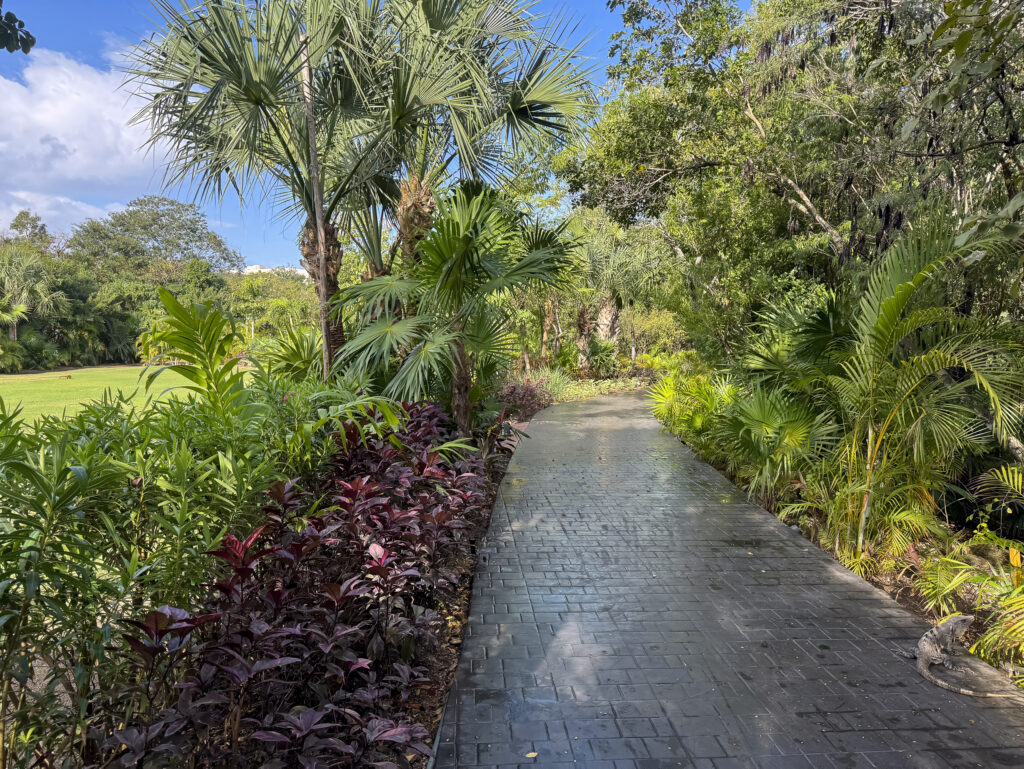
    The single most underrated advantage of arriving first is that your trees are older than everyone else’s. Fairmont’s own material describes Mayakoba as a private community of some 594 acres of jungle; the Fairmont’s slice of it has had two decades to close over. In my photographs the fan palms lean across the paths rather than standing politely beside them, the planting beds run to dark red croton and heliconia thick enough to hide the edging, and the canal banks are properly overgrown. It does not look landscaped. It looks kept.

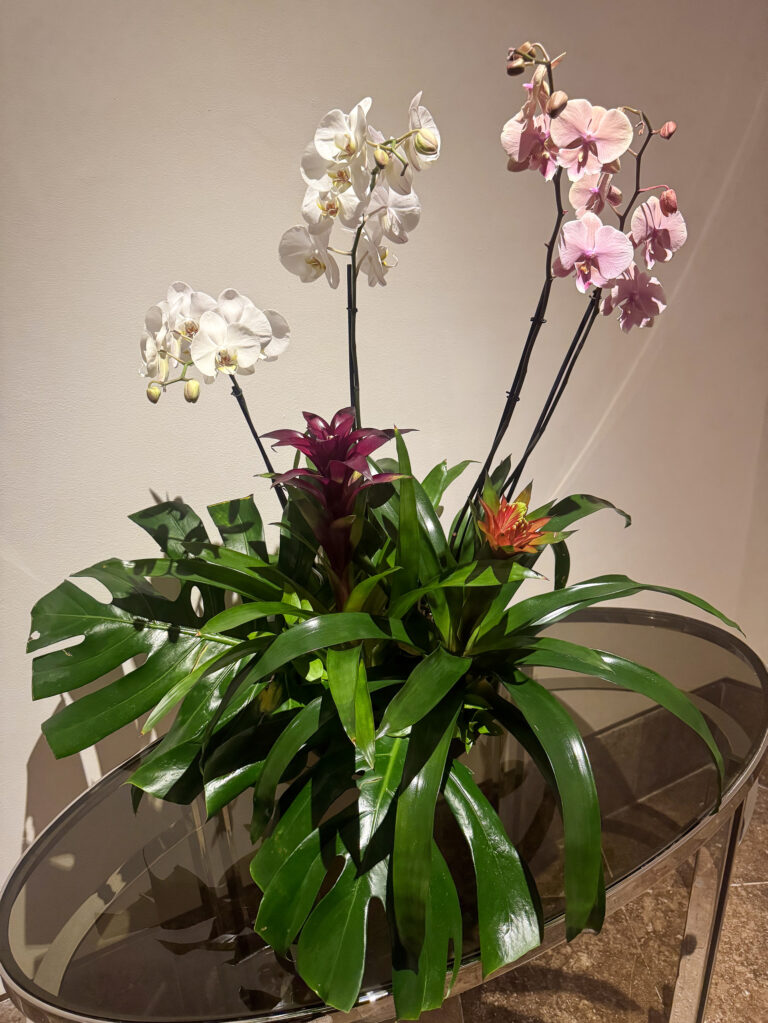
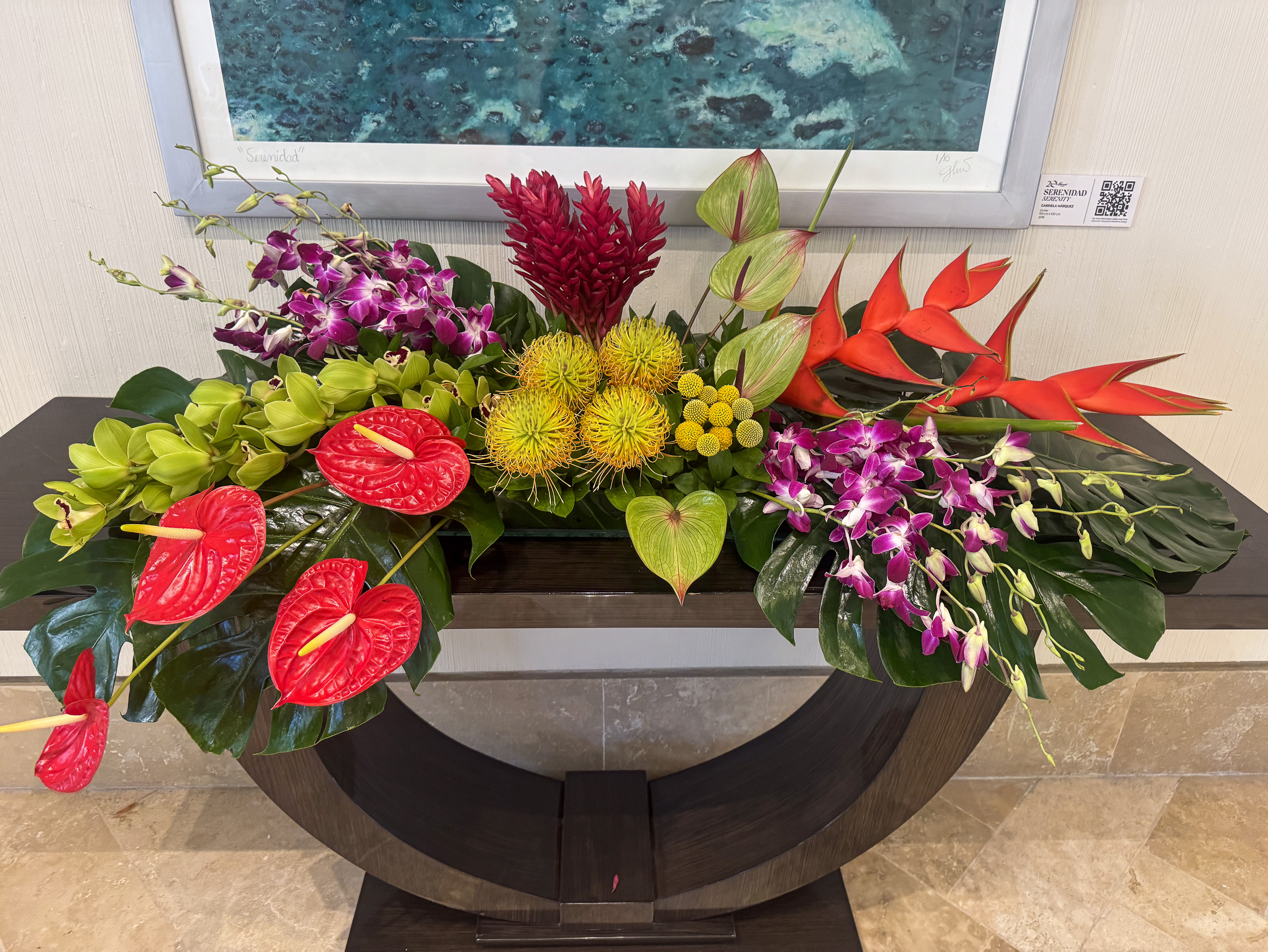
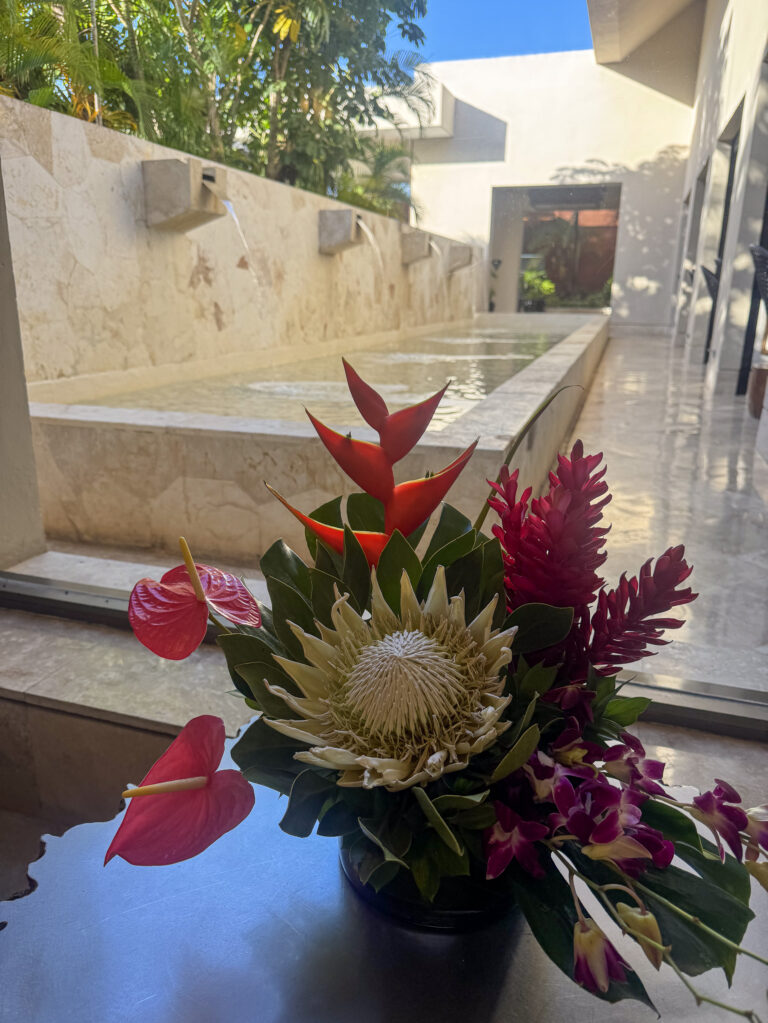
    The other thing the head start bought is scale. Rosewood and Banyan Tree are villa properties. Fairmont is a resort, in the older and more literal sense: buildings, corridors, a lobby with a florist’s arrangement the length of a console table, a golf course running through the back of it. El Camaleón, the Greg Norman course that hosts the PGA Tour’s World Wide Technology Championship, sits directly against the property, and one of my photographs of a garden path has the fairway sitting open and green just off the left shoulder.

    A brick-paved path curving between fan palms and dark red planting with the golf course beyond
    Paths like this one are the property’s circulation. Flat, shaded, and long enough that the bicycles are not a novelty.

    The casitas

    The building block here is the casita: two-storey blocks of a handful of rooms each, dropped into the mangrove along the lagoon or set back from the beach. Fairmont’s own room list runs from Beach Area and Beachfront Casitas at ground level, through the taller Fairmont Rooms and View Rooms, up to Signature Casita Suites with butler service, two named Presidential suites — El Camaleón and La Tortuga — and a set of multi-bedroom Residences with private pools and grills.

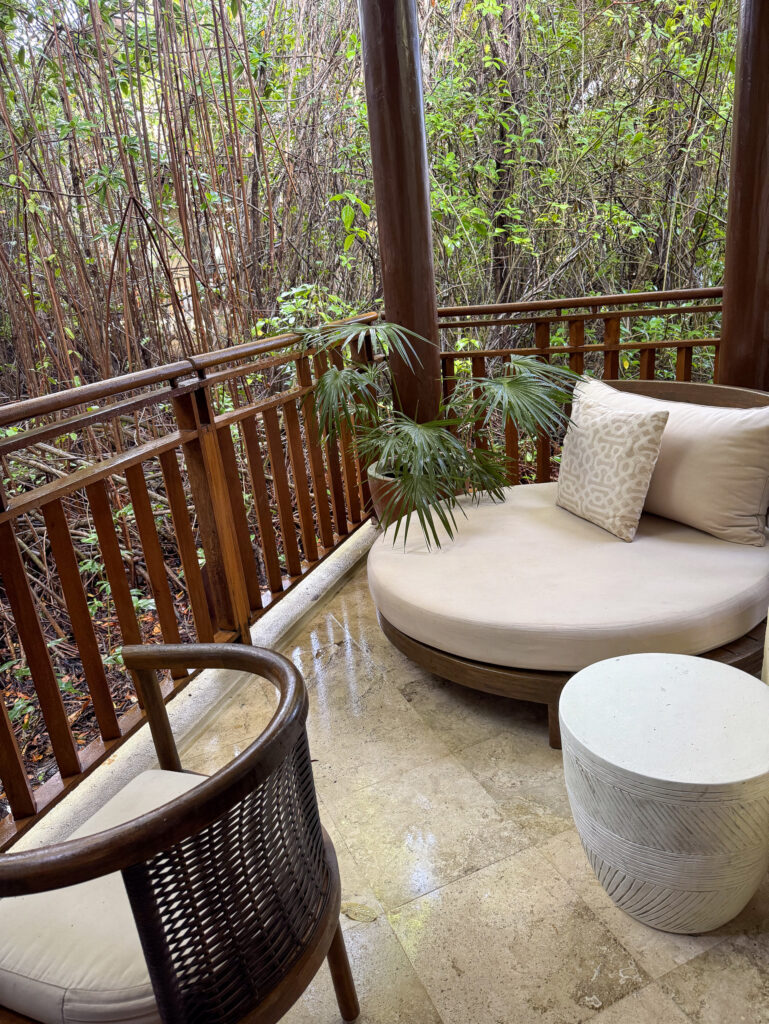
    A round cushioned daybed and wicker chair on a casita terrace looking straight into the mangrove
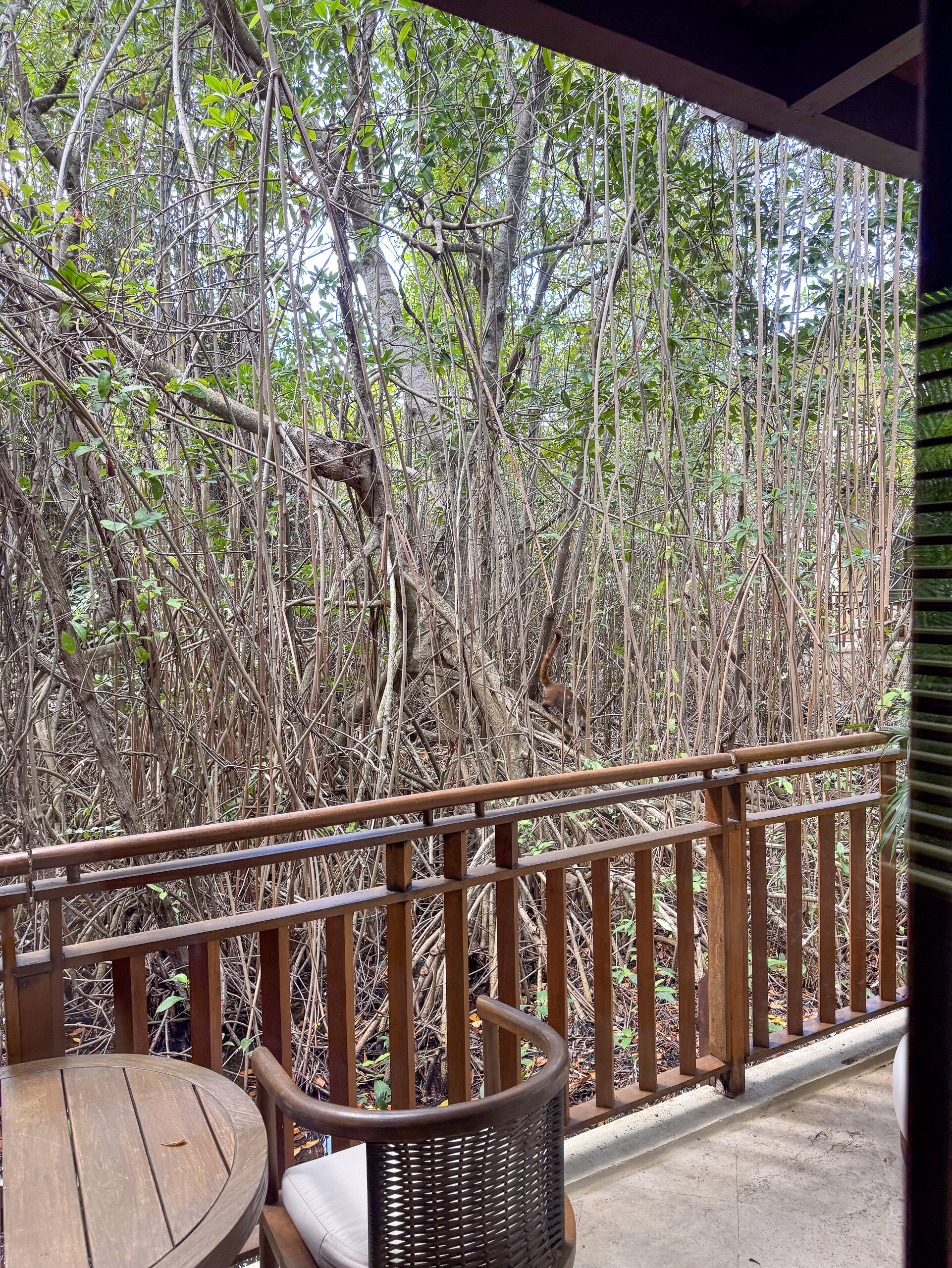
    A lagoon-side terrace. The railing is about two metres from the mangrove, which is the argument for this side of the property in one frame.

    What the photographs show, consistently, is that the terraces are the room. Every casita balcony I shot has furniture that assumes you will sit on it for a while: a round cushioned daybed on one, a table and a pair of wicker chairs on another, and in both cases a hardwood railing with nothing beyond it but mangrove. There is no view in the postcard sense. There is a wall of trees a few feet away, and birds in it.

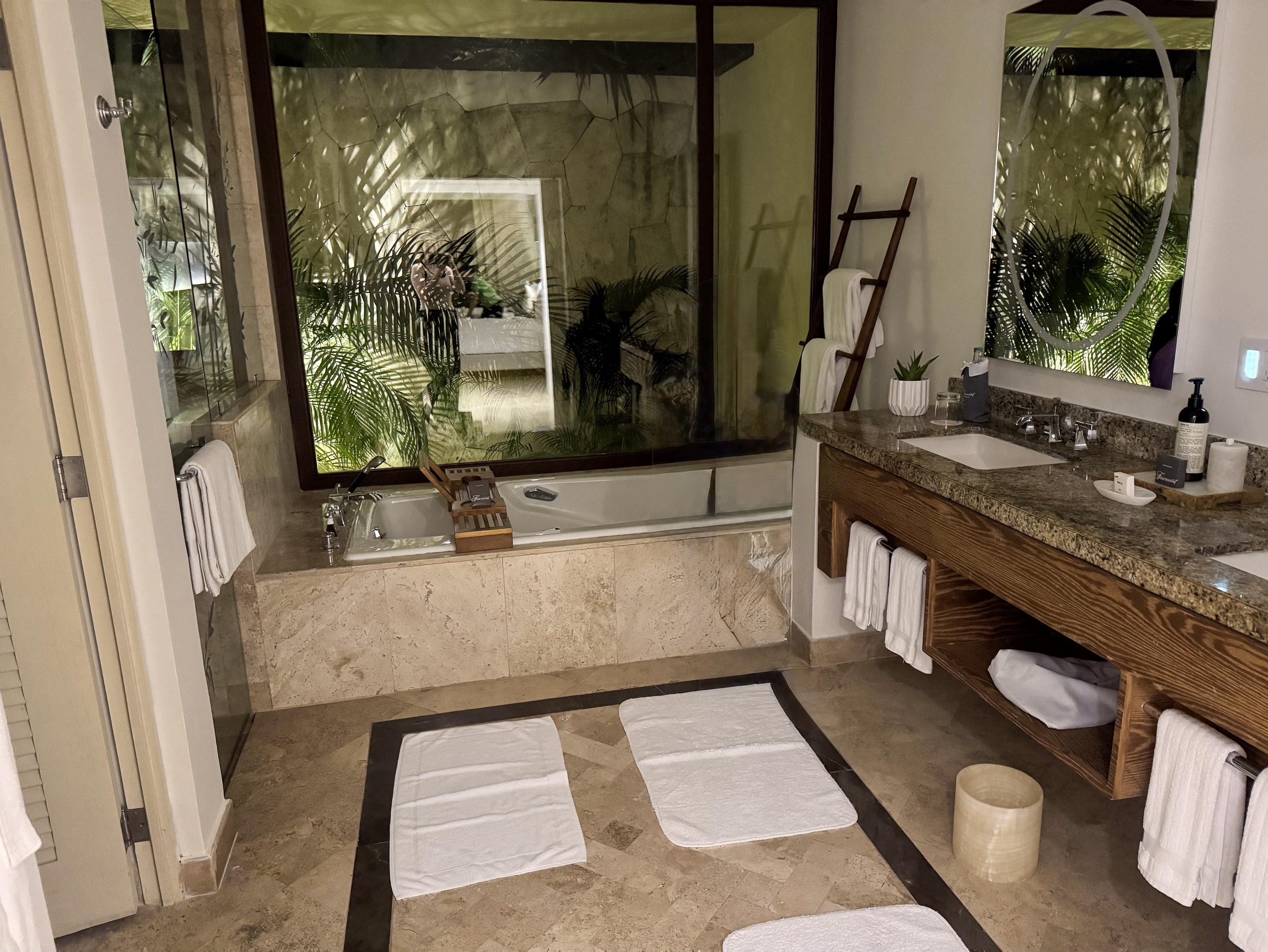
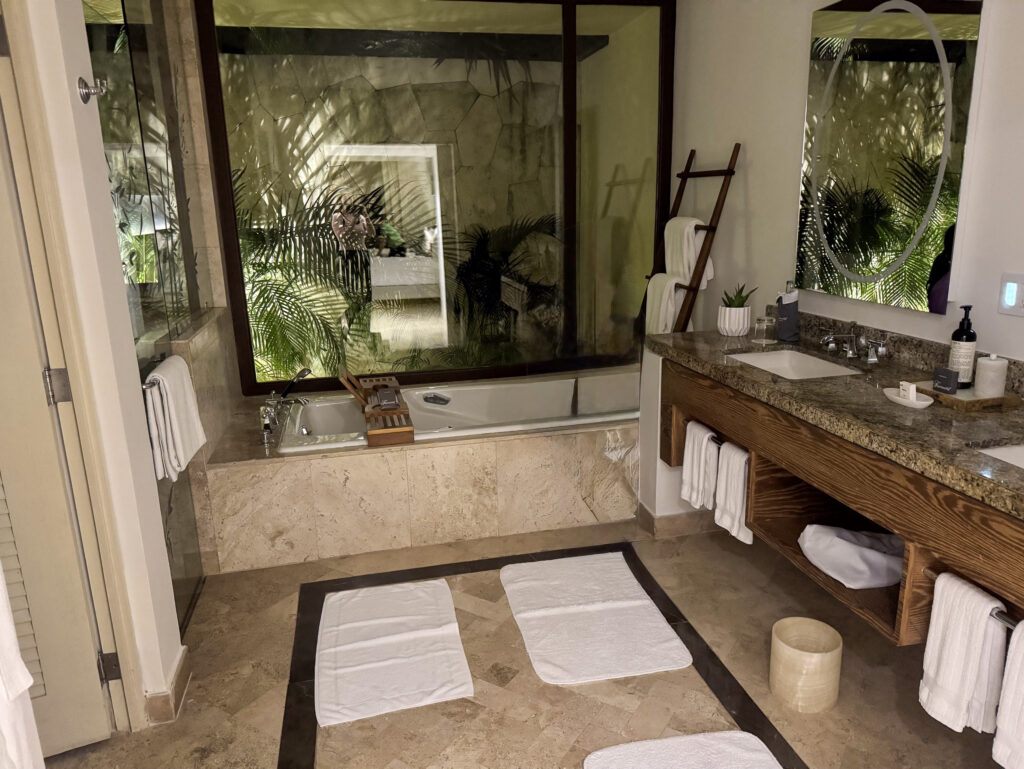
    A bathroom with a sunken tub beside a garden window, stone-topped double vanity and rolled white towels
    The bathrooms are the strongest part of the room: a double vanity in stone, a deep tub, and a window that puts jungle at eye level from the bath.

    Inside, the finish is warm rather than fashionable — travertine floors, dark timber, a stone-topped double vanity, a deep tub set against a window that looks straight into planting. It is not the pale, stripped-back palette the newer Mayakoba properties use, and it will read to some people as dated. It also means nothing in the room is trying very hard, which after four days is not a complaint.

    The lagoon does most of the work

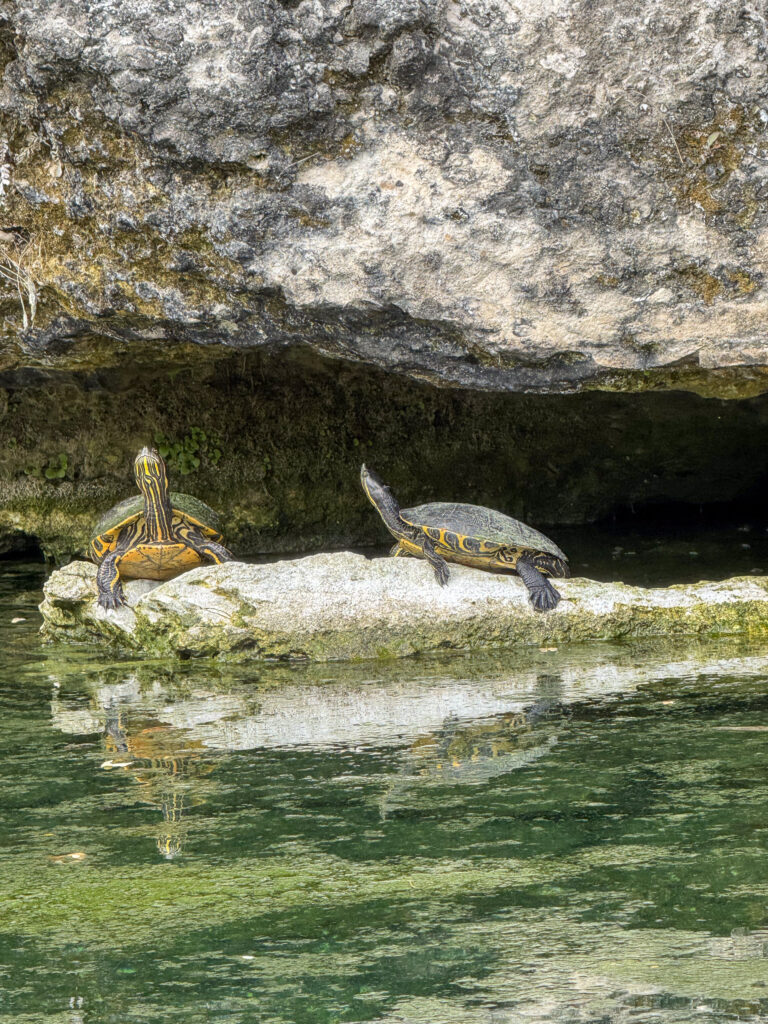
    Mayakoba’s canals are dug, not natural, but they connect to the limestone that riddles this coast, and what they attract is not decorative. My own frames from the water’s edge include two turtles hauled out on a rock ledge under an overhang, a full-grown iguana holding a footpath in the sun, and a bank of limestone undercut by green water with jungle growing straight out of the top of it.

    Two turtles hauled out on a limestone ledge beneath an overhanging rock at the water's edge
    Turtles on a ledge, a few metres from a guest path. The canals are stocked with nothing; this is what turns up.

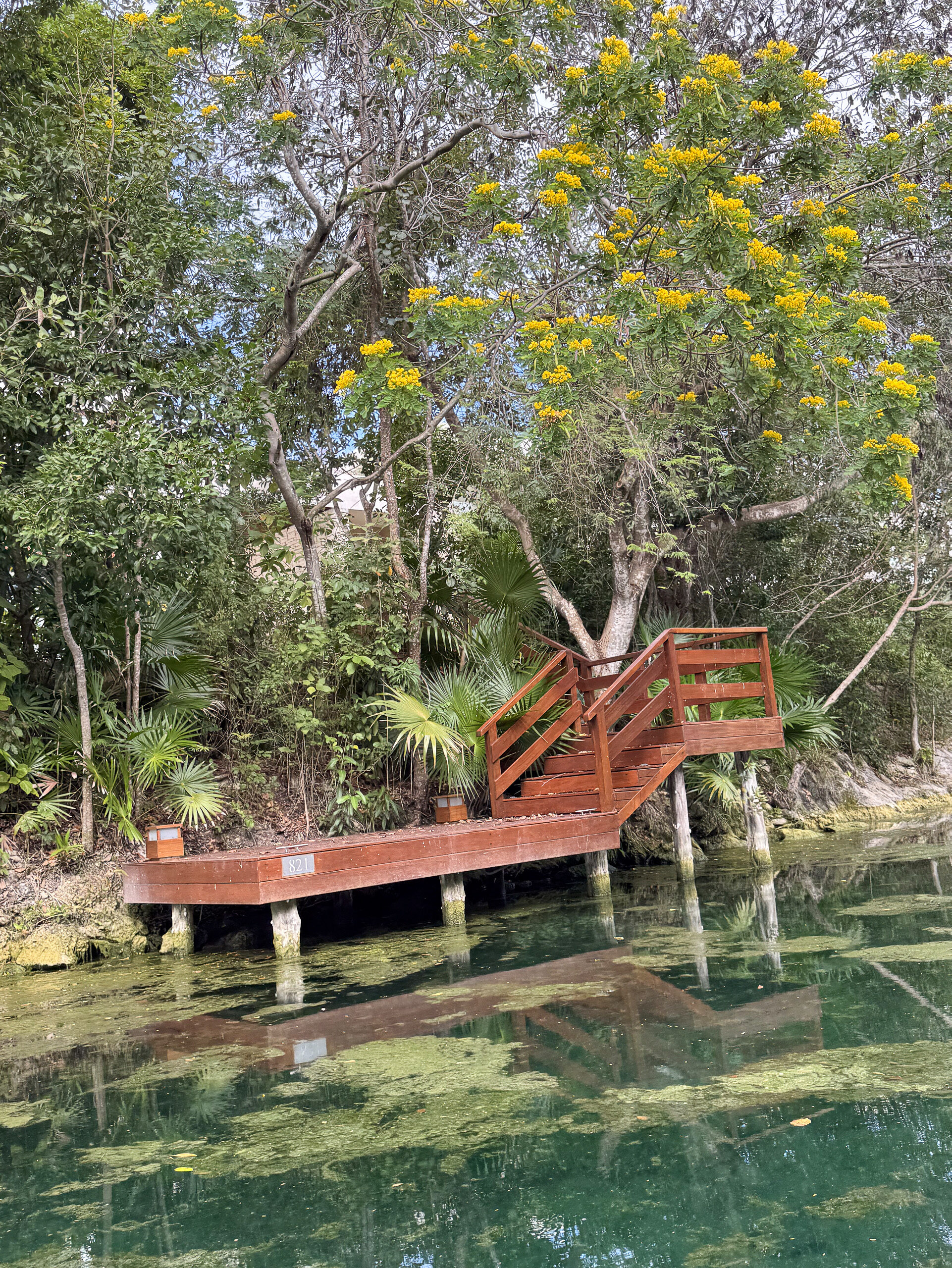
    The resort runs eco boat tours through the mangrove, and there are cenotes inside the community. If you have read my piece on Banyan Tree, the wildlife argument is the same argument, because it is the same water. The difference is that Fairmont’s lagoon frontage is longer and more of it is public: docks, stair landings, decks that end over the water, all of them walkable rather than attached to somebody’s villa.

    A large grey iguana sunning on a stamped-concrete path beside palm planting
    You will walk around these rather than the other way about.

    Pools, and the beach club that reset the property

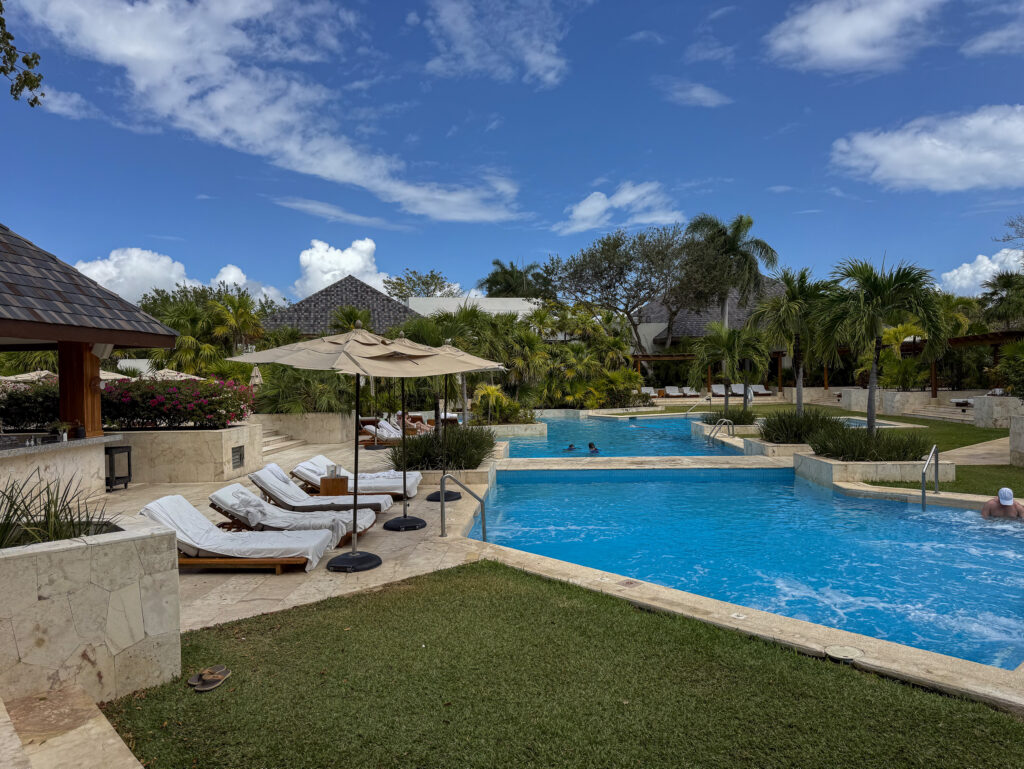
    The main pool stepping down in terraces past umbrellas and lawn under a bright sky
    The main pool steps down in linked sections across limestone terraces and lawn. Loungers are plentiful and the shade is real.

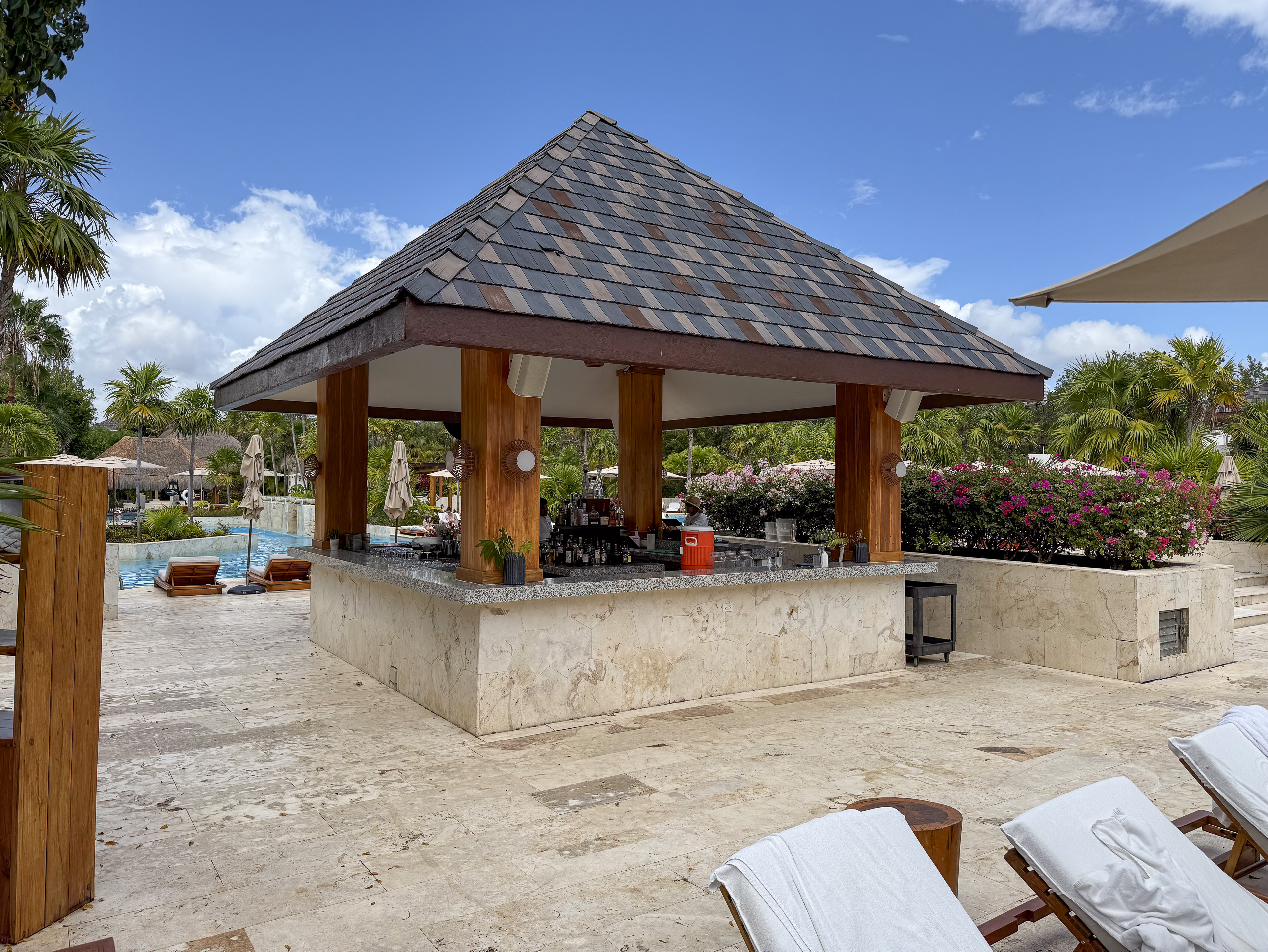
    The main pool is a linked series of sections stepping down across limestone terraces and lawn, with a stone swim-up bar under a shingled pyramid roof at one end and enough loungers and canvas umbrellas that the towel-on-the-chair economy never gets going. It is a family pool, unambiguously, and it is very good at being one.

    The bigger change is Maykana, the beach club Fairmont opened in September 2022 at the end of a multi-million-dollar renovation. It brought five food and drink outlets to the sand at once — Brisas, Fuego, Aqua, the signature Gaia, and Cielo, an adults-only rooftop bar over the Caribbean — along with a beachfront pool, private cabanas and sunken fire pits. Before Maykana, the beach was the weakest part of a resort whose best material was inland. It is now a reason to book.

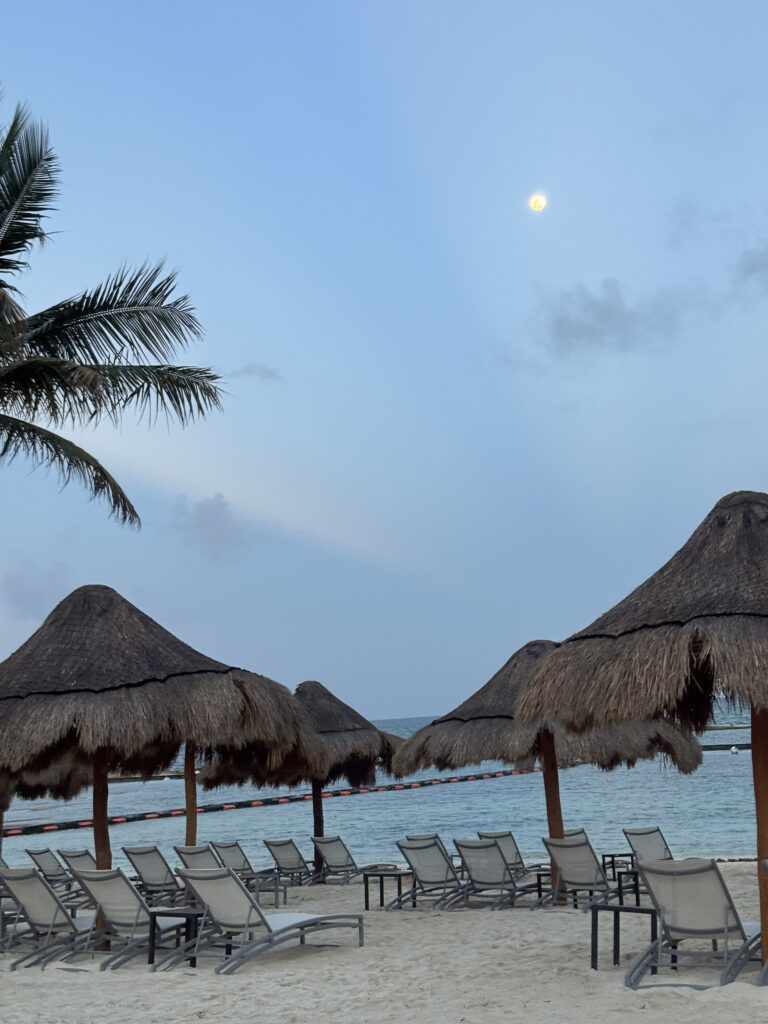
    Palapas and rows of loungers on the beach at dusk with the moon over the Caribbean
    The beach at dusk. Thatch palapas, sling loungers, and a swimming line marked out beyond them.

    The beach itself is wide, white, and thoroughly furnished: rows of thatch palapas with sling loungers under them, a marked swimming area, and enough space between the rows that it does not feel like a lido. On the day I photographed it, the water was clear to the swim line.

    Behind all of it sits the Fairmont Spa, a freestanding building the hotel puts at about 37,000 square feet, with roughly twenty treatment rooms, hydrotherapy pools and a Technogym-fitted gym.

    Eating here

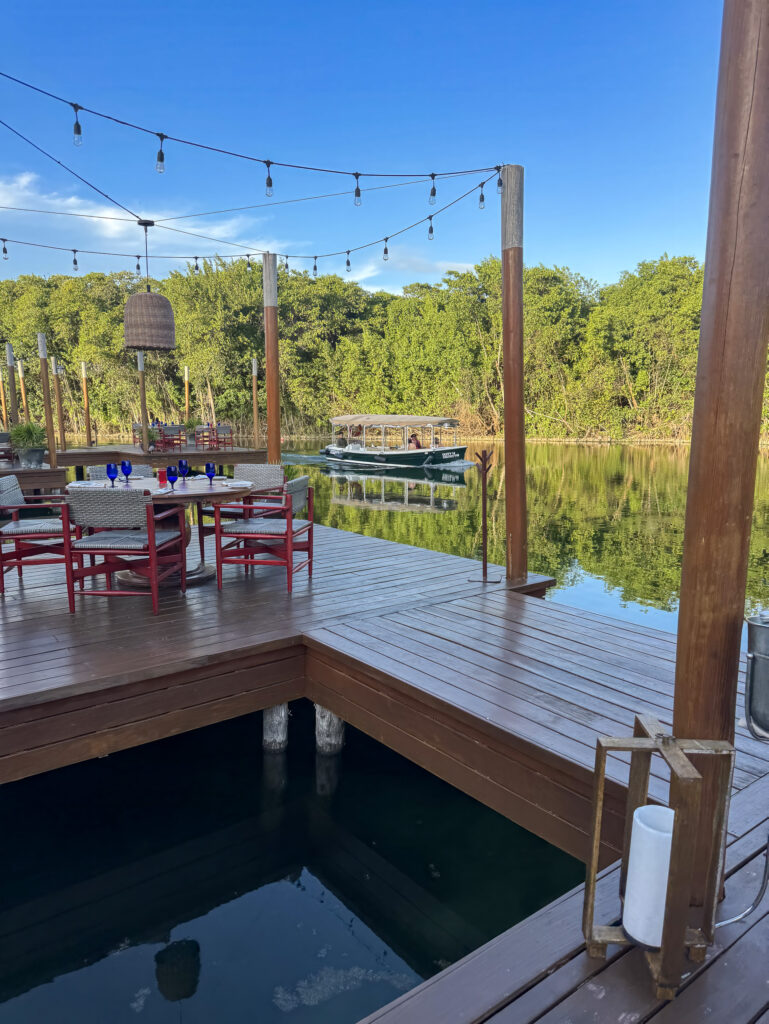
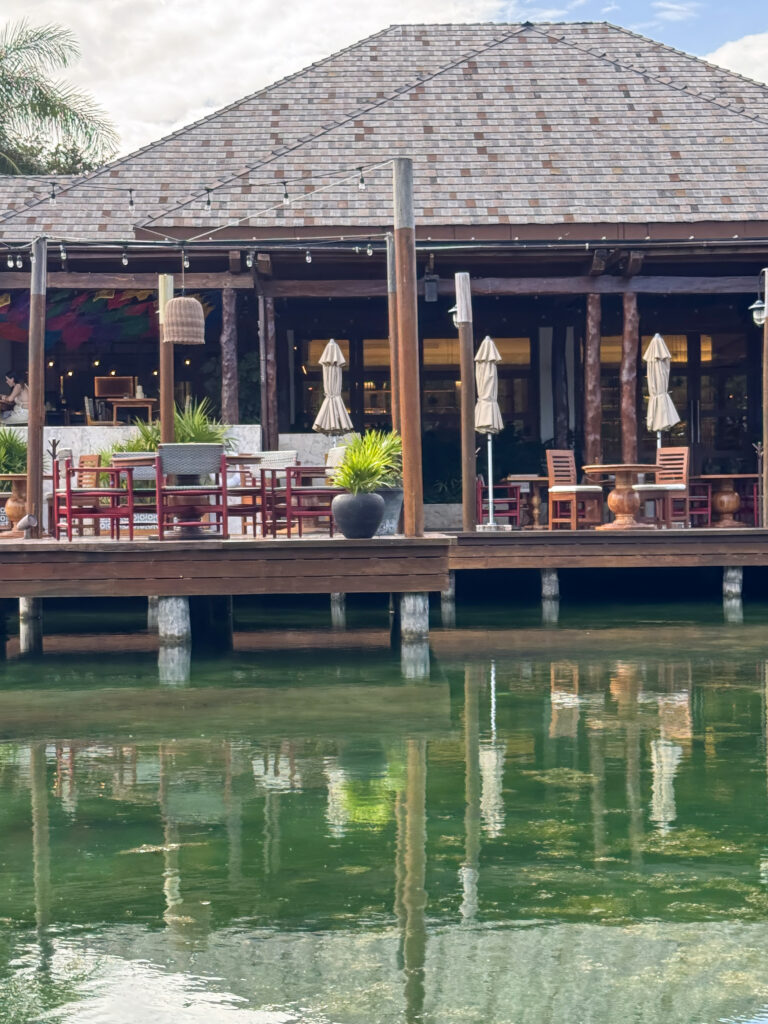
    A wooden restaurant deck over the canal set with red chairs and festoon lights, a boat passing behind
    The over-water deck at the lagoon restaurant, laid up before service, with a boat going past on the canal. [UNVERIFIED: I believe this is La Laguna at La Isla — confirm before publishing.]

    The list is long for a single property. La Laguna does Mexican over the water at La Isla; Tauro is the steakhouse; Bassano covers Italian; Café Maya is the thatch-roofed beach hut; Hix is the lobby bar and lounge; La Cantina and Las Olas handle drinks; and Maykana adds Brisas, Fuego, Aqua and Cielo on the sand.

    The best room of the lot, on the evidence of my own photographs, is the lagoon deck: a shingle-roofed pavilion on pilings with red-painted chairs, woven pendant lamps and festoon lights strung over a hardwood terrace that ends in green water. It is the only dining room on the property that could not be anywhere else.

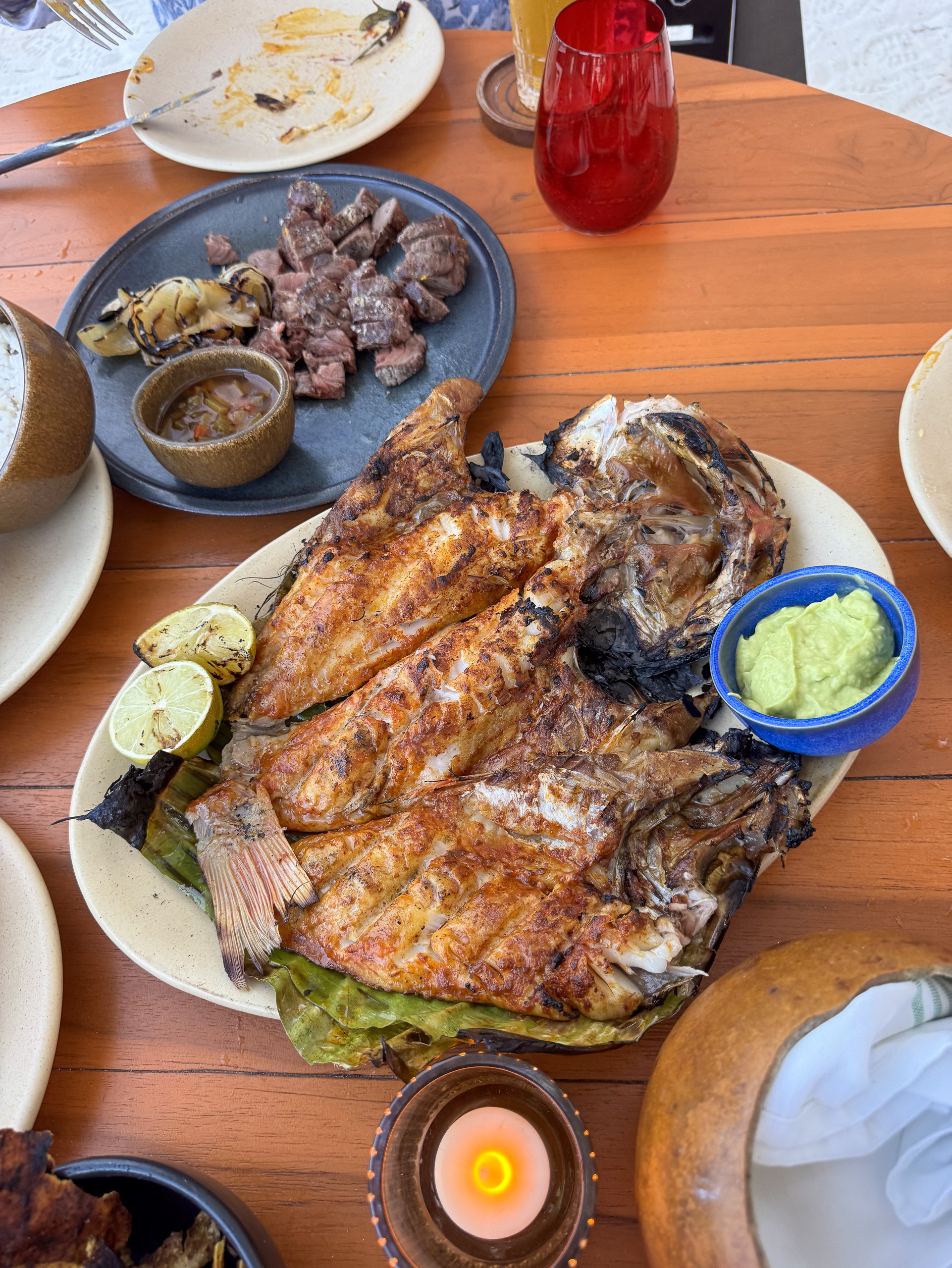
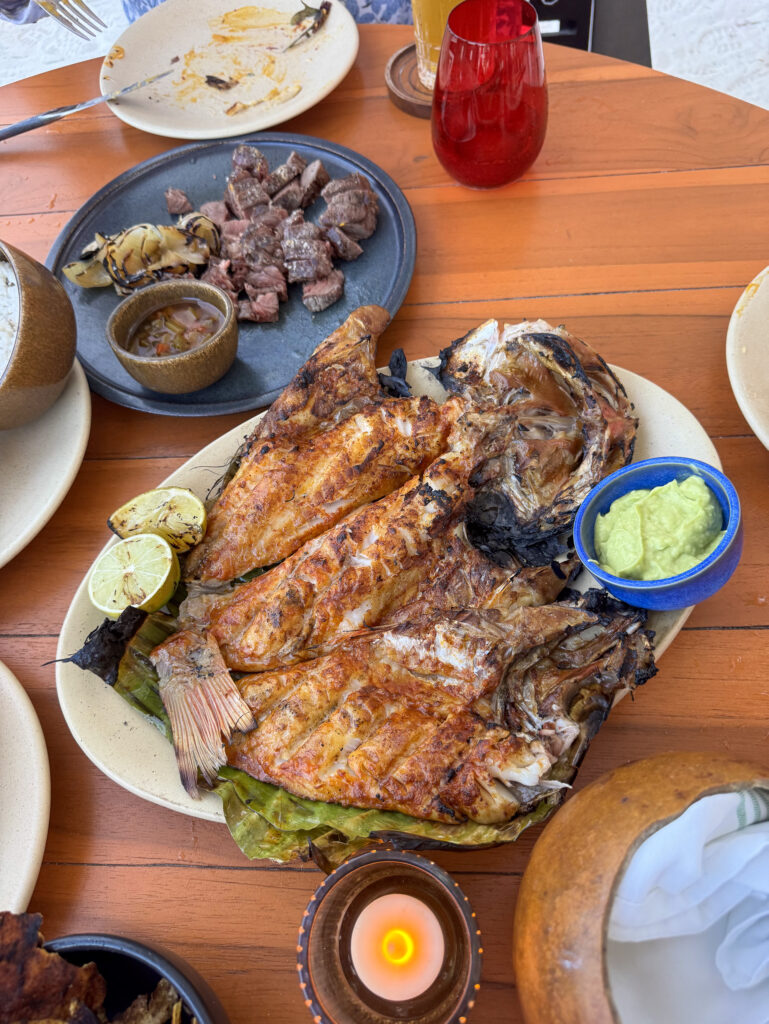
    A whole grilled fish with charred lime, guacamole and grilled steak on a wooden table
    Whole grilled fish, charred lime and guacamole. The kitchens lean local and simple, which suits the setting.

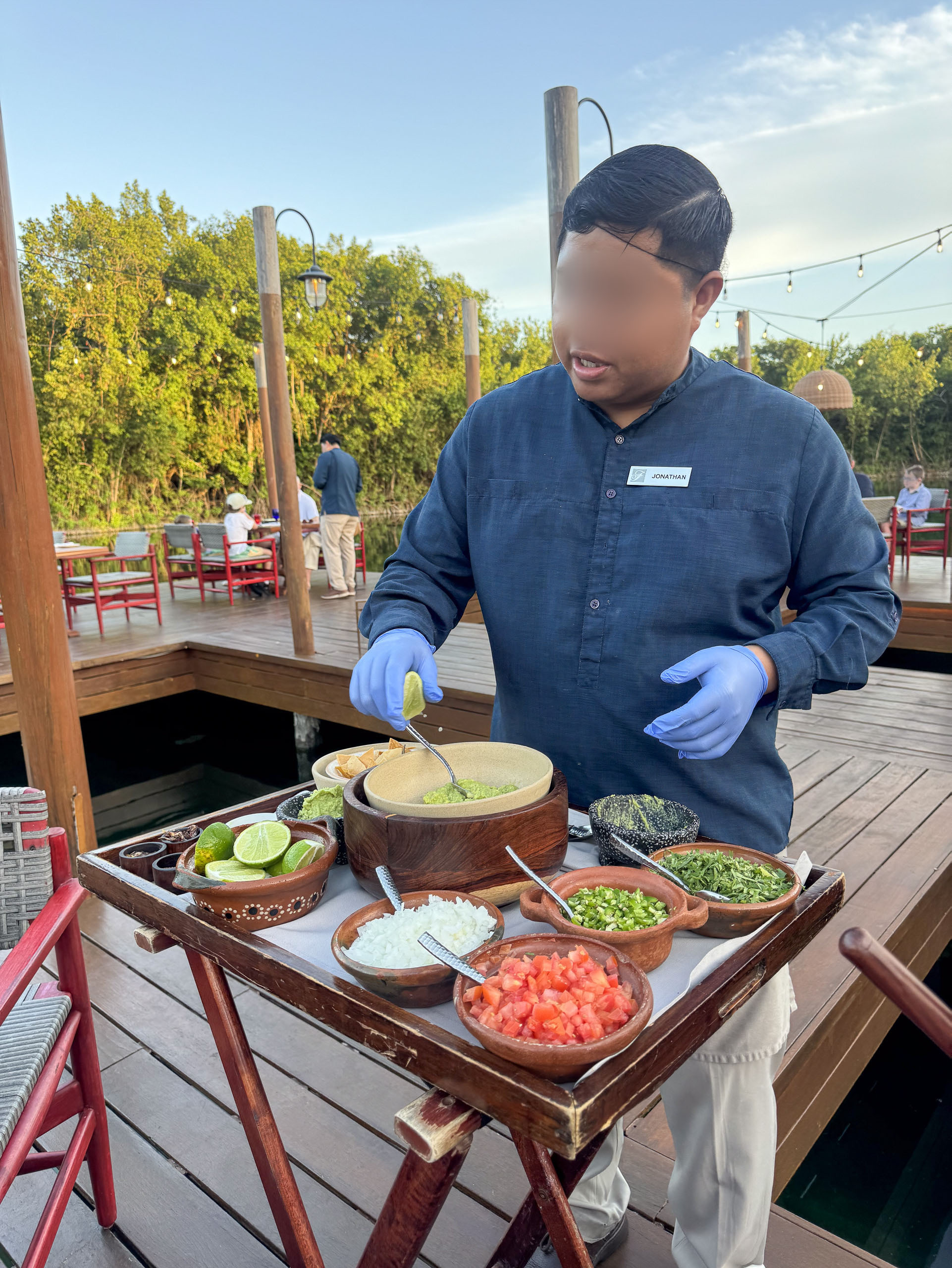
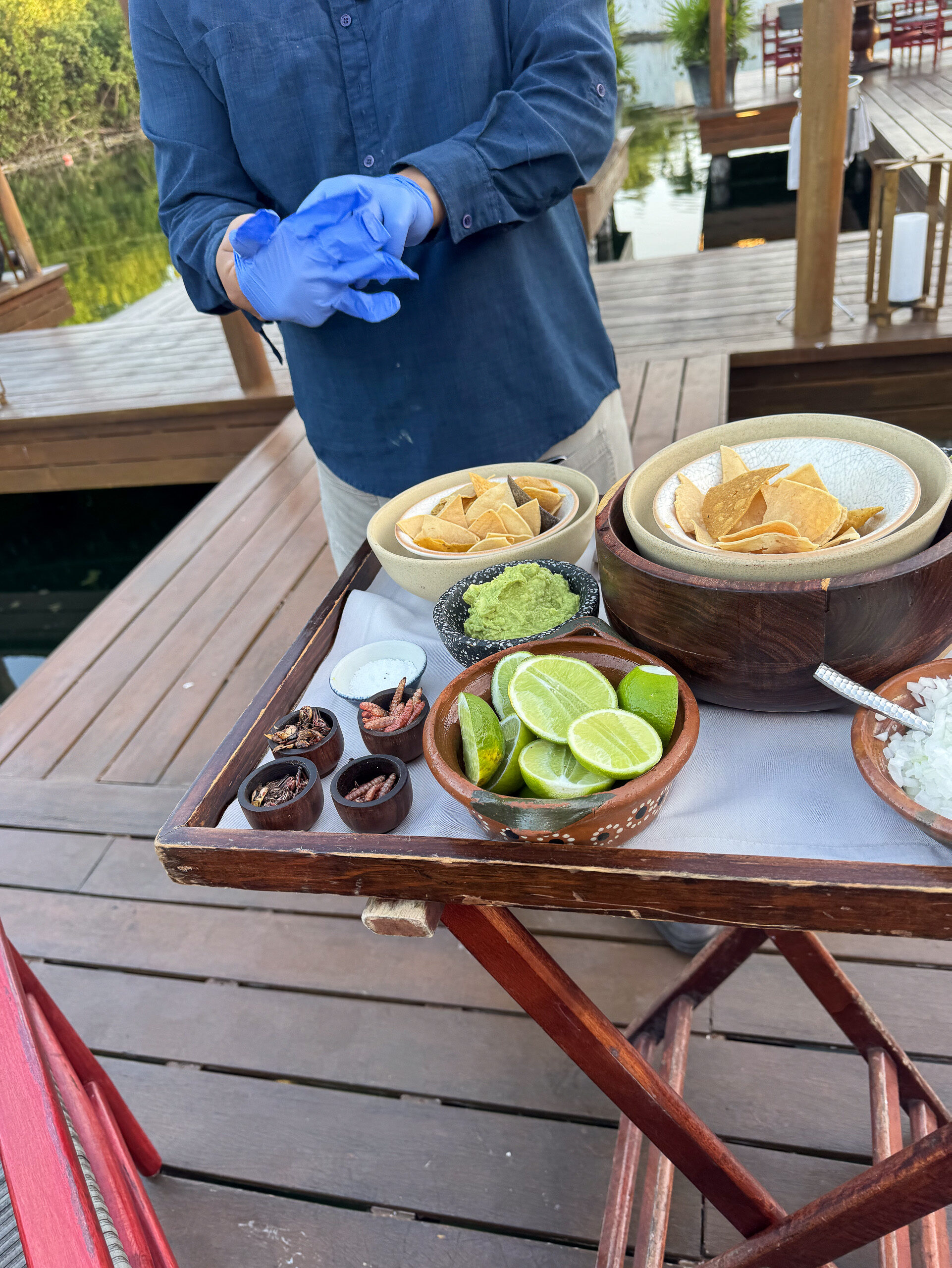
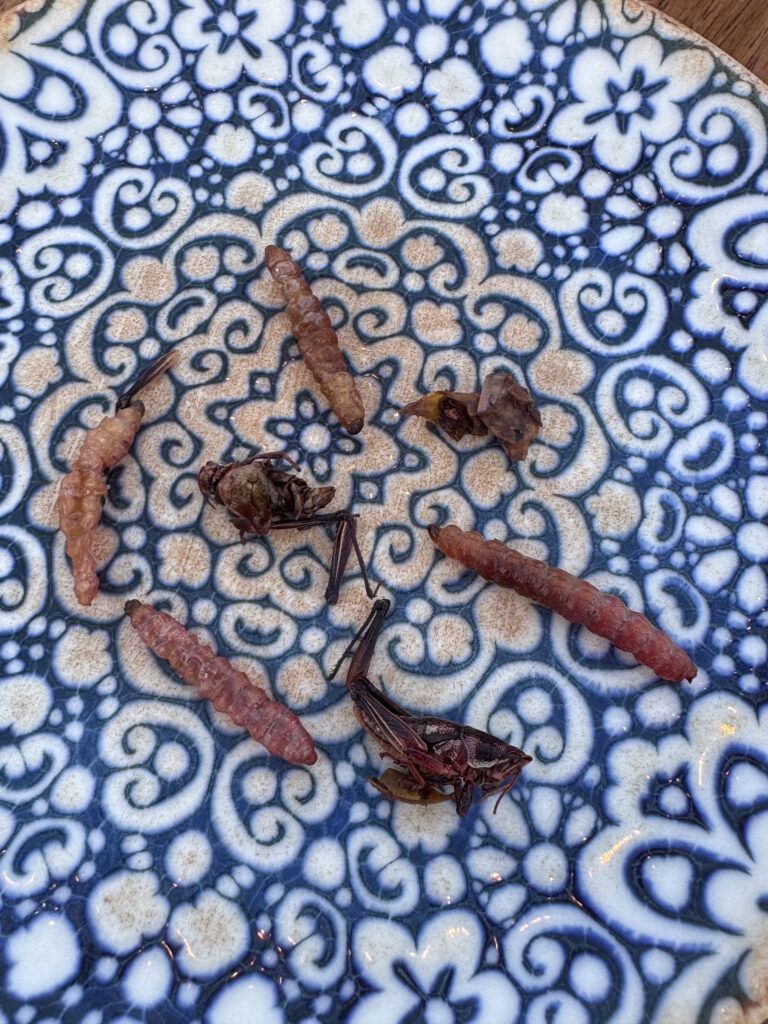
    The service style is old-school in the way Fairmont still does well: a guacamole trolley wheeled to the table and made in front of you, with lime, tomato, cheese, coriander and a dish of chapulines beside it for anyone who wants them. Whole fish comes off the grill and onto the table more or less as it left it.

    Then there is the all-inclusive question. Fairmont Mayakoba sells an optional all-inclusive package covering meals and drinks by the glass at participating outlets, and several booking channels now list the hotel under an “All Inclusive” name. The exclusions are the part to read: premium menu items, bottled wine, and breakfast at some restaurants sit outside it. A five-diamond resort with an all-inclusive tick-box is a genuinely unusual animal, and it is the clearest signal of how this property differs from its neighbours.

    Lagoon side or beach side

    Lagoon and mangroveBeach side
    What you seeMangrove at the railing, canal belowGarden, sand, open sky
    Walk to the seaSeveral minutes, or a buggyImmediate; some casitas have their own stair
    WildlifeConstant — birds, iguanas, turtlesOccasional
    InsectsRepellent, in warm monthsSea breeze helps
    Sargassum exposureYou choose when to lookYou see it from the room
    NoiseQuiet; away from the poolsCloser to Maykana and the main pool
    Best forCouples, longer stays, second visitsFamilies, short stays, first visits

    The counter-argument

    Four hundred and one rooms is four hundred and one rooms. This is not a hideaway, and anyone arriving expecting the hush of Rosewood or the villa-per-guest privacy of Banyan Tree will spend the first day recalibrating. The lobby is a lobby. There are corridors. At peak season the main pool has children in it, which is the correct outcome for a resort with two kids’ clubs and entirely the wrong one if you booked for silence.

    The all-inclusive option cuts both ways. It makes the bill predictable at a destination where dining costs are the usual complaint, and it also changes the room around you: a package that includes unlimited drinks does not attract the same guest as an à la carte one. If that matters to you, book room-only and eat where you like, including at the neighbouring resorts.

    And the sargassum season applies here exactly as it does everywhere on this coast. Seaweed washes onto Caribbean-facing beaches along the Riviera Maya seasonally, heaviest from roughly late spring into early autumn. Mayakoba rakes and manages it; nobody can prevent it. A beach-side room in August is a room with a view of whatever the tide brought, and a lagoon casita is not.

    What it costs

    The Deluxe Casita is quoted all-inclusive for two, before a nightly room tax and a small per-guest environmental fee paid at the hotel.

    Banyan Tree, next door, sits a clear tier above on rate. Fairmont is not competing there and is not trying to. It is the volume luxury option inside a compound of low-volume ones, and the gap is most of the reason to consider it.

    Rates move hard by season here, with December to April carrying the premium and the summer months discounting against heat and seaweed.

    Know before you go

    Take a lagoon casita if you are two people and coming for the setting, and a beach-side room if you are travelling with children or coming for four nights or fewer. Pack repellent whichever side you land on, because the mangrove is the whole point and the mangrove has mosquitoes. Do the eco boat tour early in the day. Book Cielo for sunset if the adults-only rooftop is the kind of thing you want, and book it before you arrive. Walk the canal paths at least once at dusk, when the turtles and the iguanas are still out and the light is on the water. And if the all-inclusive package is on the table, price both versions before you commit — the sums are closer than you would expect, and only one of them lets you spend an evening eating at Rosewood.

    Twenty years in, the Fairmont’s advantage is not novelty. It is the trees.

    Don’t miss

    If you only do five things:

    • Dinner on the over-water deck at La Laguna
    • Sunset at Cielo, the rooftop bar at Maykana
    • The eco boat tour through the mangrove canals
    • A treatment and the hydrotherapy circuit at the spa
    • One evening eating at a neighbouring Mayakoba resort

    The Fairmont Mayakoba gallery

    Every photo on this site is my own, shot on the stay. Slide through →
    A two-storey casita of pale stucco and wooden balconies standing directly above the green lagoonA wide green canal curving past a two-storey resort building and a low stone bridgeA round cushioned daybed on a casita terrace looking into the mangroveA bathroom with a sunken tub beside a garden window and a stone double vanityThe main pool stepping down in terraces past umbrellas and lawnLoungers and canvas umbrellas along the main pool with the shingled pool bar behindA shingle-roofed restaurant on stilts over the lagoon with red chairsTwo turtles hauled out on a limestone ledge at the water's edgePalapas and rows of loungers on the beach at dusk with the moon over the CaribbeanA large grey iguana sunning on a path beside palm planting