ISTANBUL, TÜRKİYE · STAYED APRIL 2025 · 5 MIN READ
Four Seasons Sultanahmet: A Former Prison, Two Hundred Paces from Hagia Sophia
A former prison two hundred paces from Hagia Sophia, and what the conversion did and did not solve.
By J.C. Mercer
Four Seasons Istanbul at Sultanahmet
- Stayed April 2025
- Room booked Deluxe Room, king, courtyard side
- How it was booked AmEx FHR
- What the channel bought Full Fine Hotels and Resorts Package w/ Upgraded Room
- Value verdict Worth it for two nights in the old city; not as a base for a week.
- When to go April-June Book this stay
Booked the way any other guest would book it.
Arrival
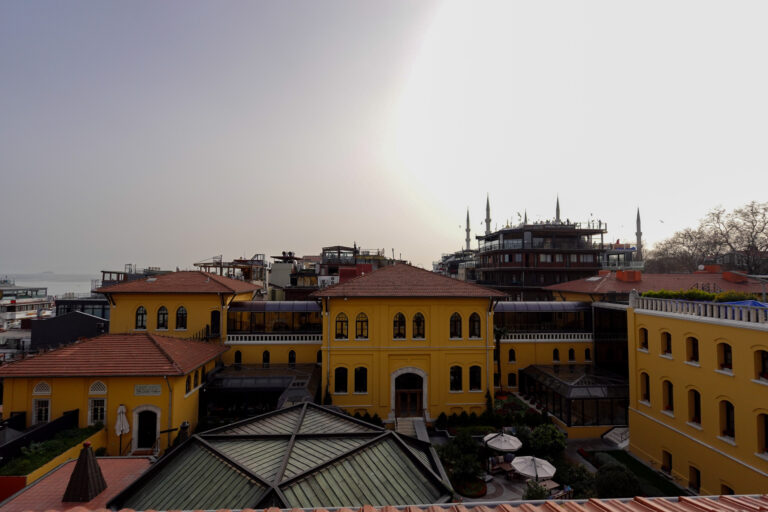
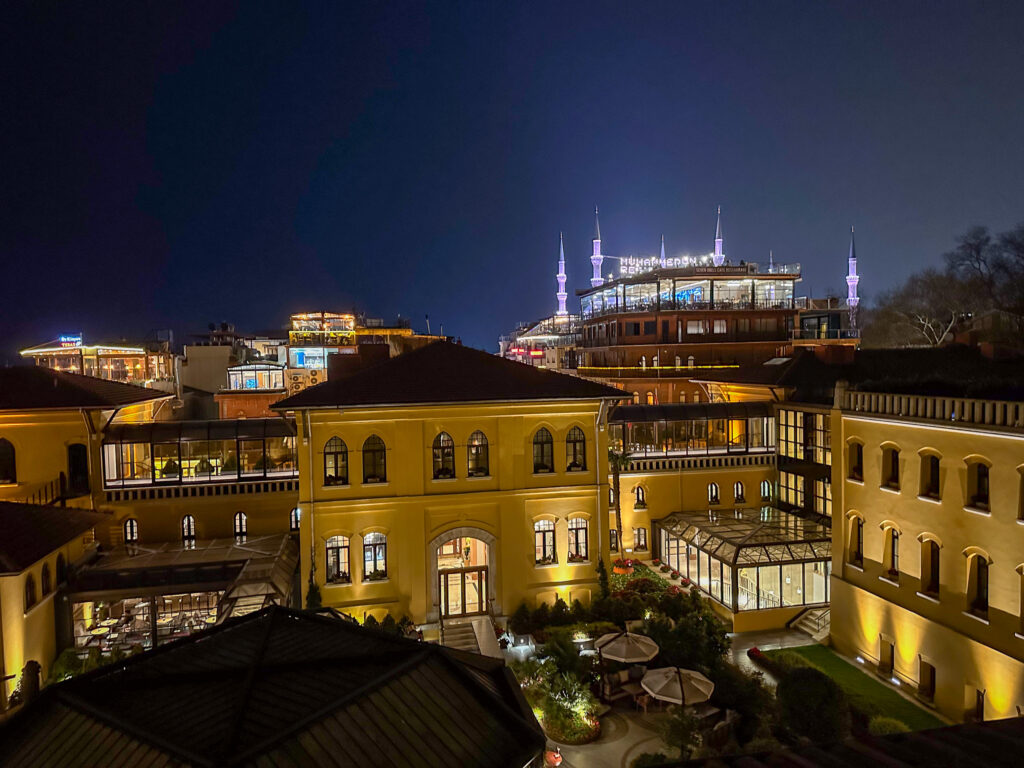
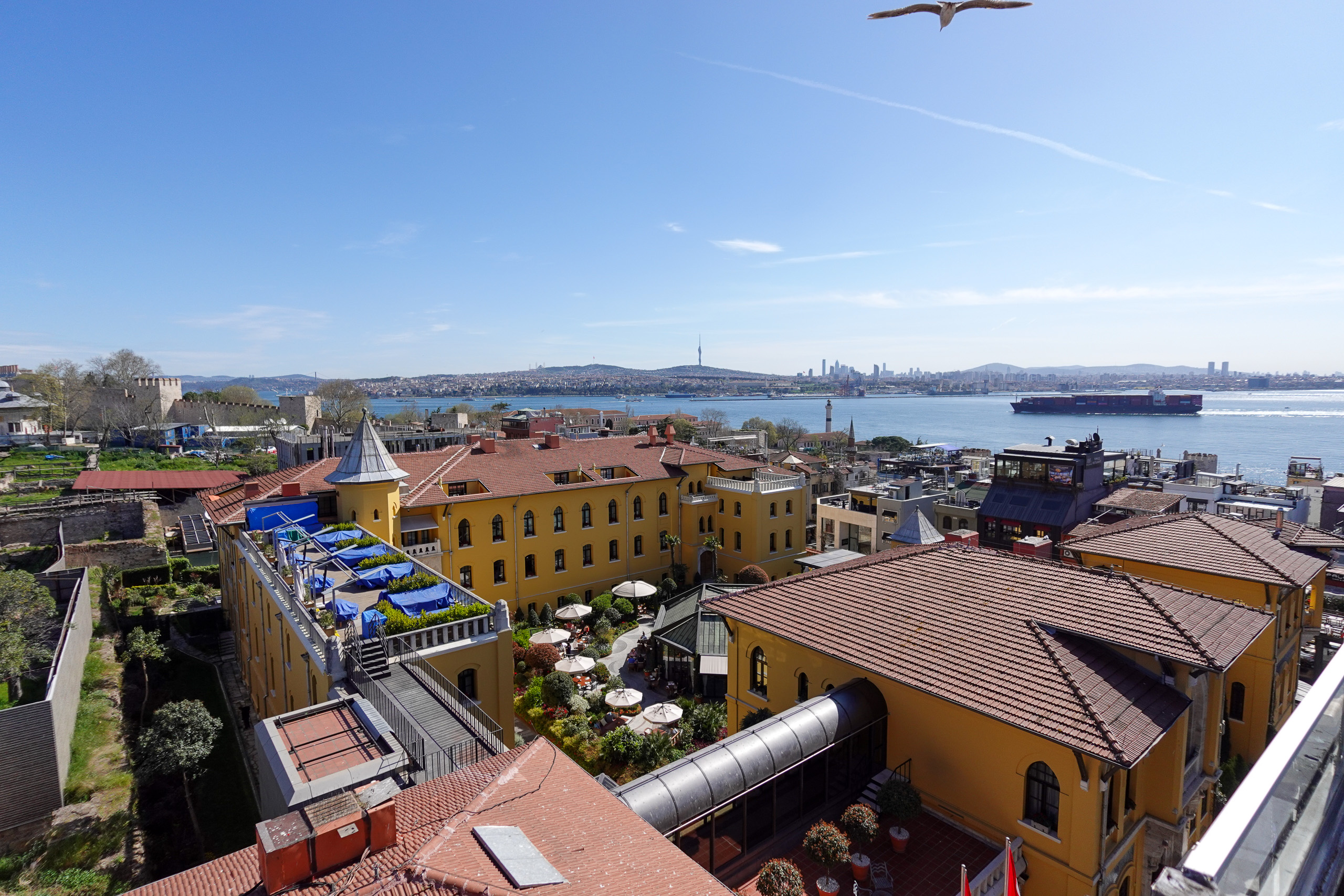
The street is called Tevkifhane Sokak, which means detention house street, and the hotel is the reason. For half a century this ochre building held prisoners, a good number of them writers and journalists, and the address kept the name after the function changed. Nobody at the hotel is coy about it; the history is on the wall in the corridor, which is the right decision, because a building this shape cannot pretend to have been anything else.
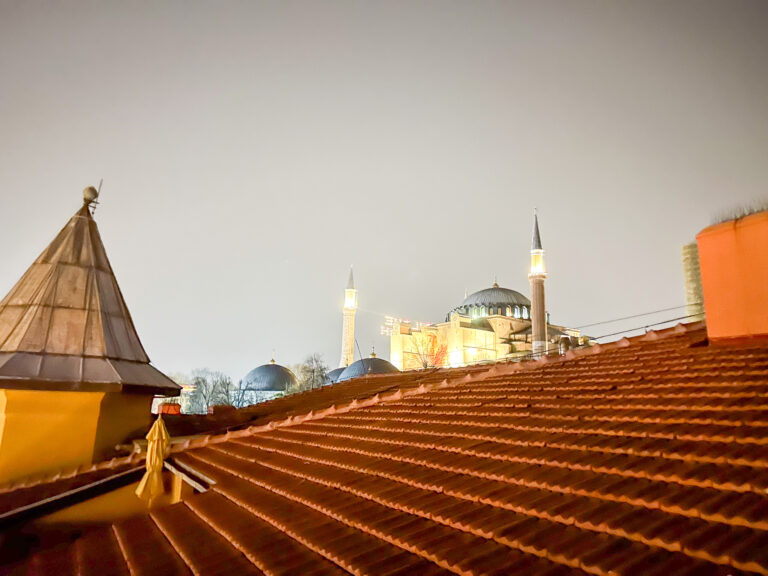
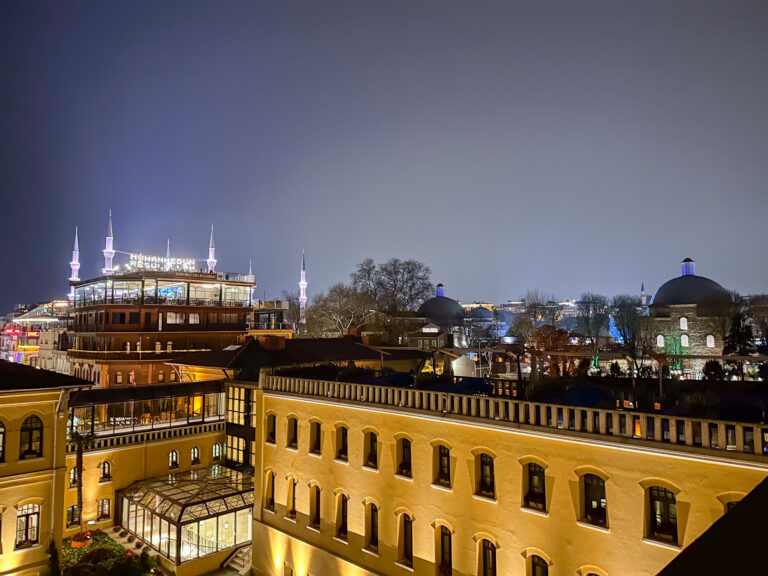
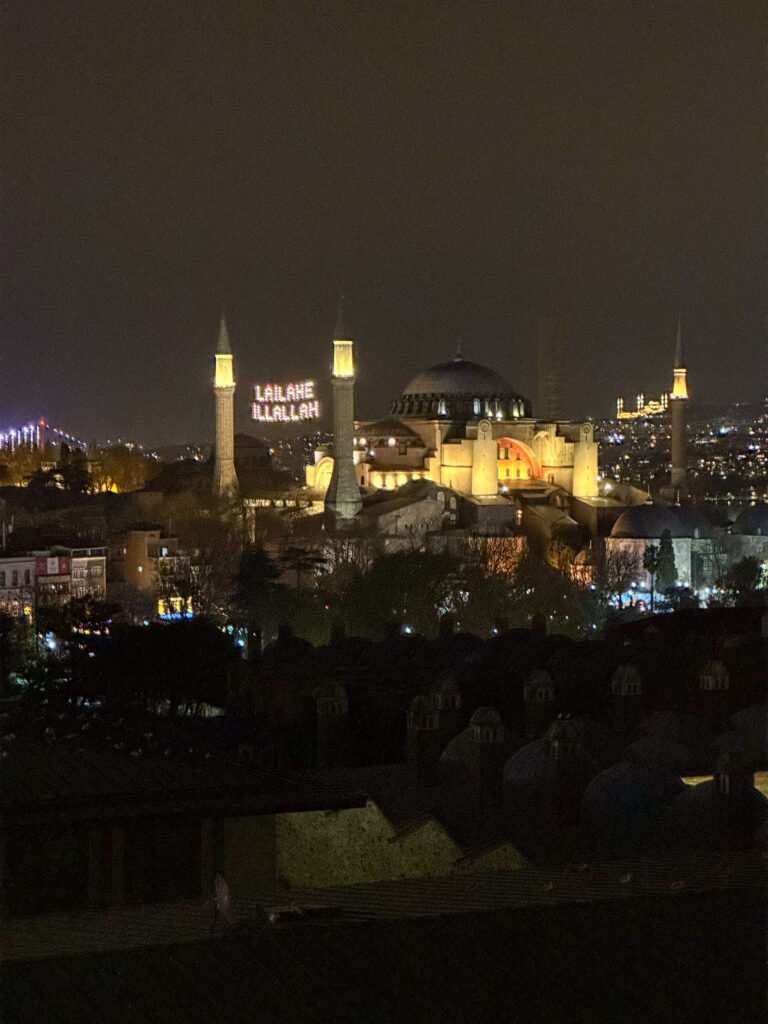
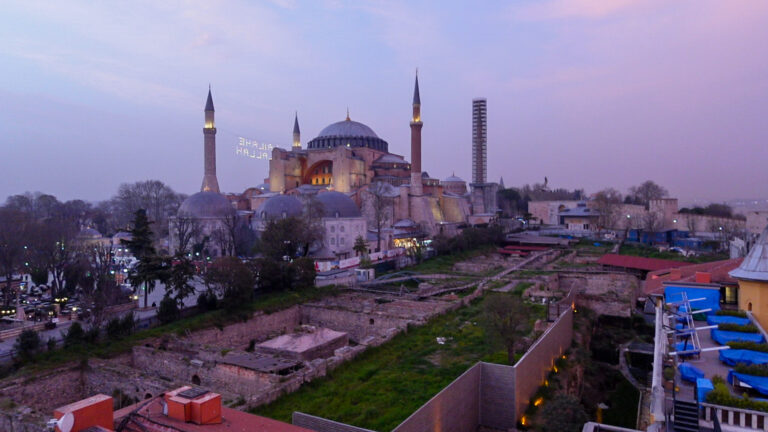
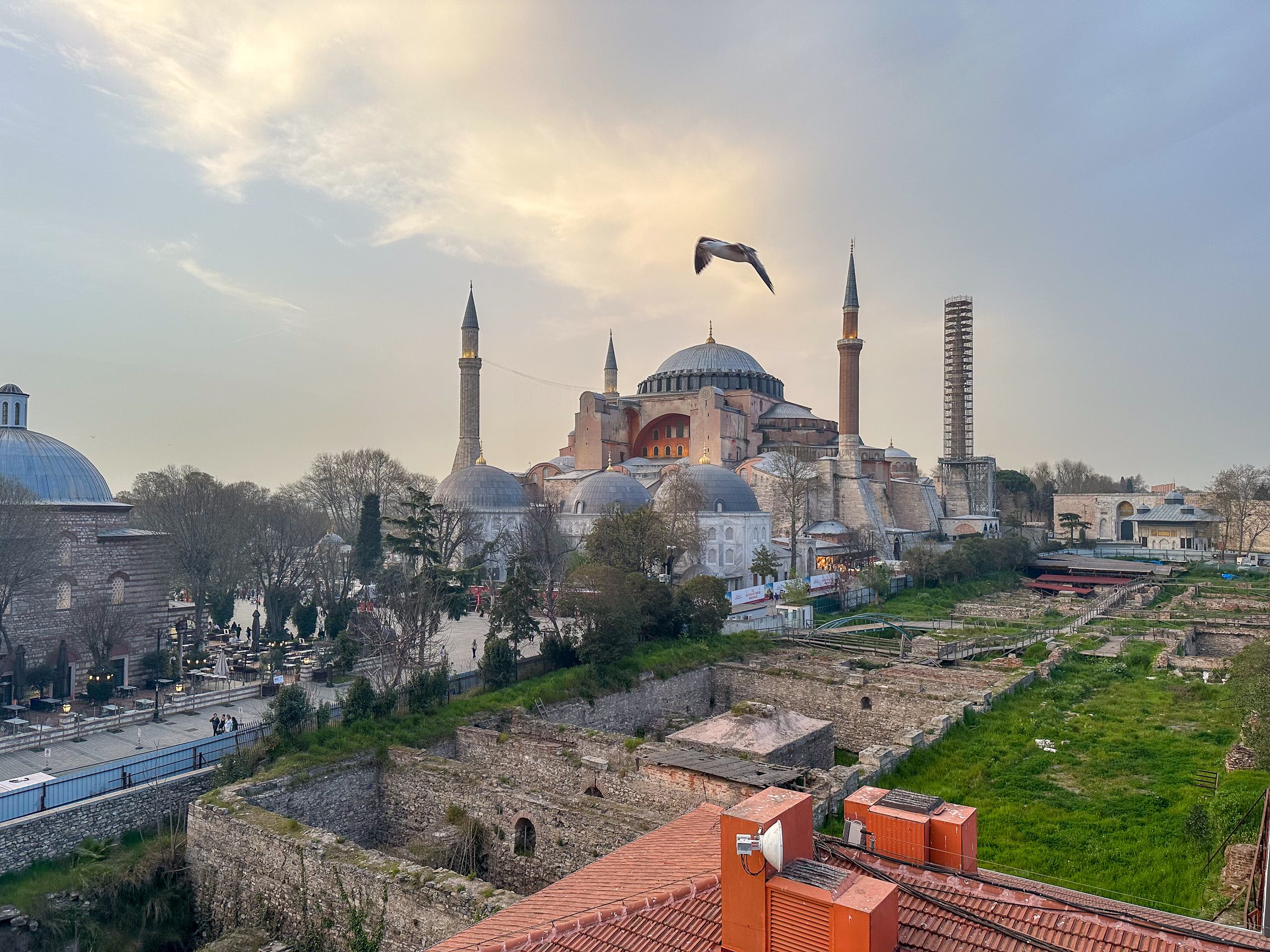
It stands about two hundred paces from Hagia Sophia, with the Blue Mosque on the ridge above and the Sea of Marmara below. There is no hotel site in Istanbul like it, and there is not going to be another one. The quarter has a rhythm you learn by the second day: at seven in the morning the square is yours, by nine the coaches have arrived, and by seven in the evening it has emptied again.
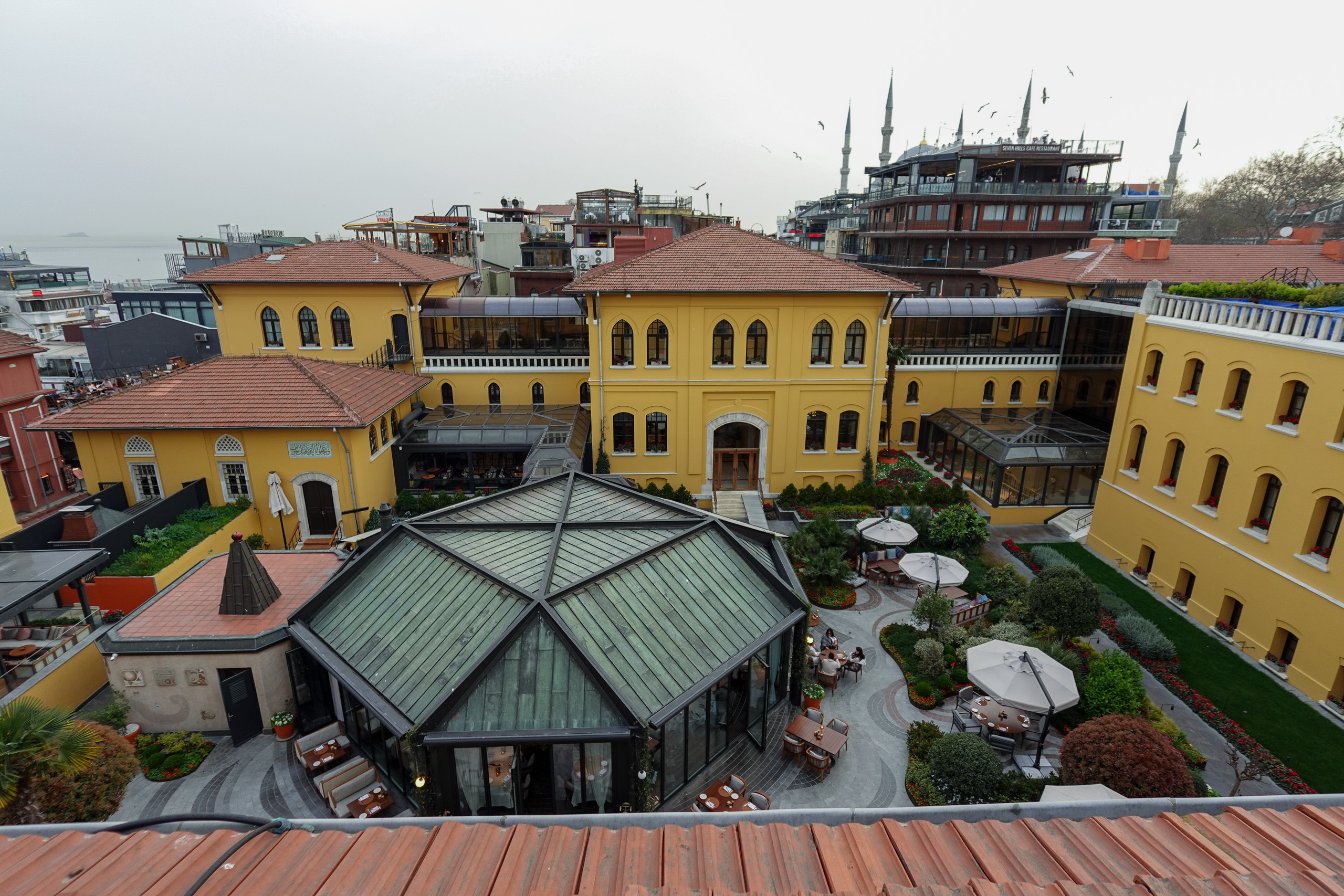
You can read the plan. Corridors run straight and long because they were galleries. Rooms sit in a rhythm because cells did. The proportions are tall and narrow in a way no hotel architect would choose, and the effect is better than it sounds: high ceilings, deep window reveals, thick walls that make the place quiet in a quarter that is not. It is the only hotel I know where “the walls are thick” is a matter of public record.
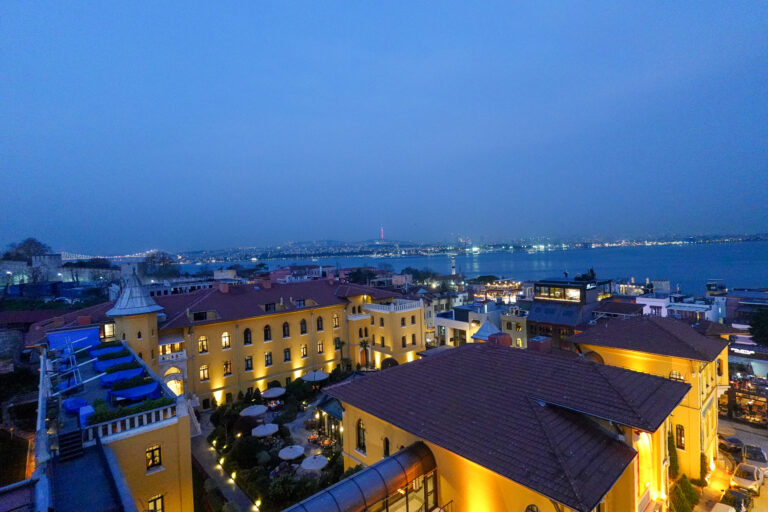
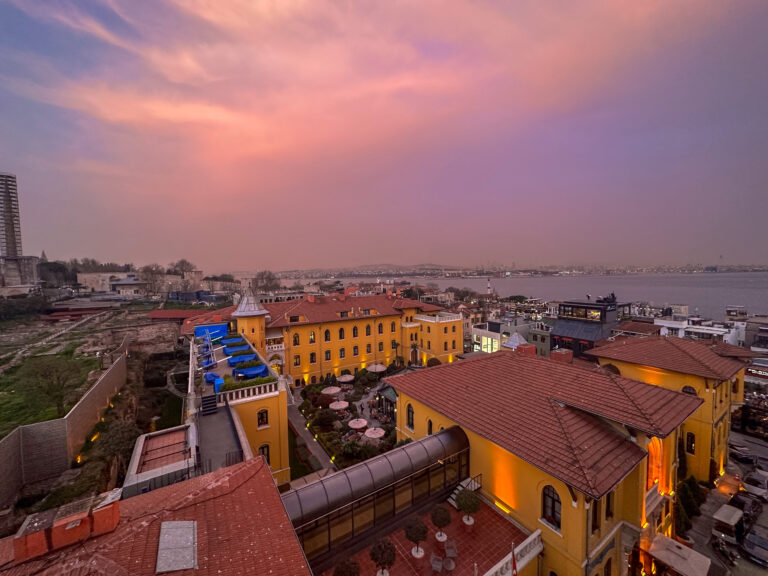
The exercise yard is now a garden with a glazed pavilion in the middle, and every route through the building crosses it. It is a small hotel, and the scale is the single most important thing to understand about staying here: staff learn your name on the first morning because there are not enough guests for them not to, and the courtyard never feels crowded even when the house is full. There is no lobby scrum, no queue at the desk, and no moment at breakfast when the room turns over and the staff visibly change gear. Small hotels are not automatically better than large ones. This one uses its size properly.
The room
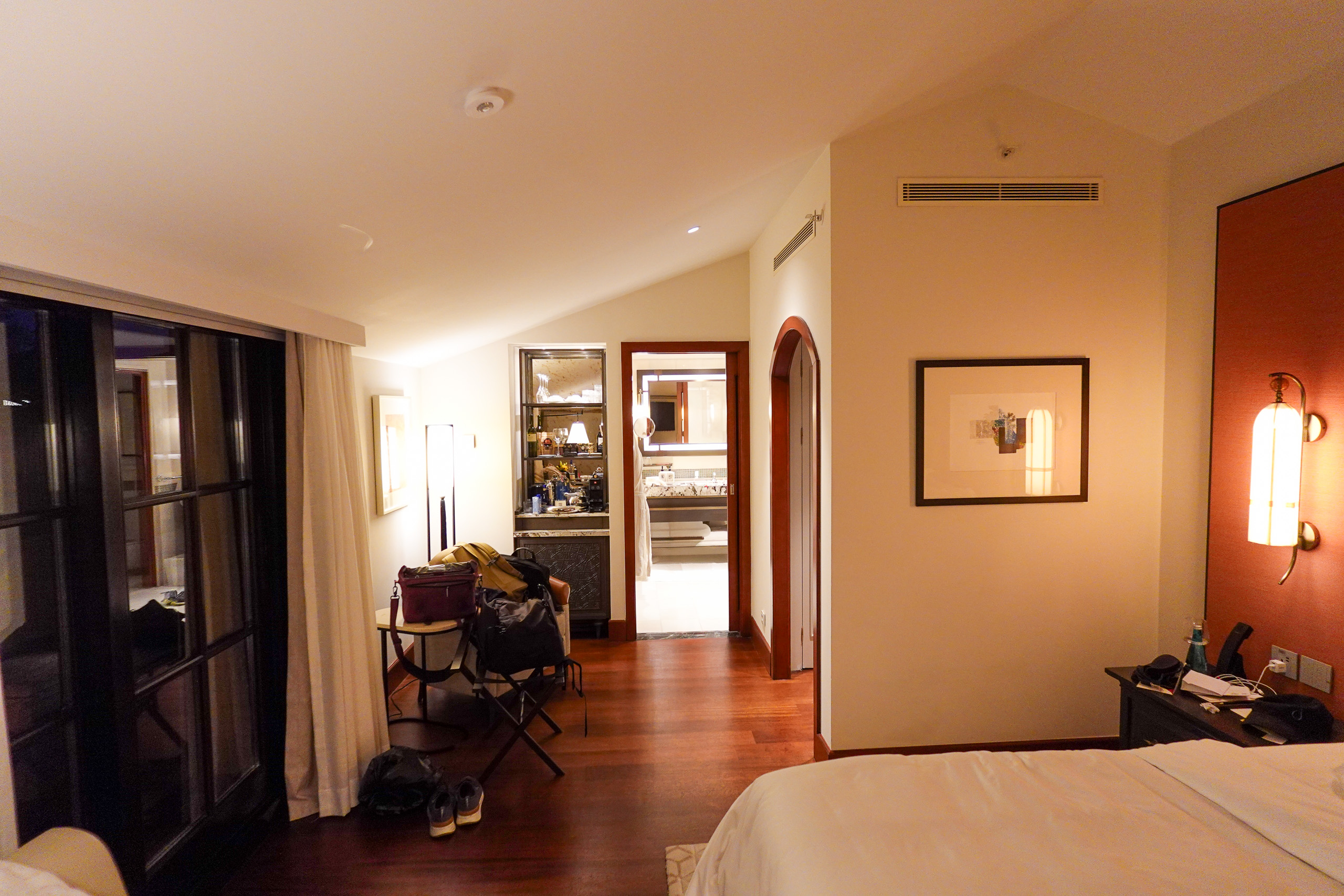
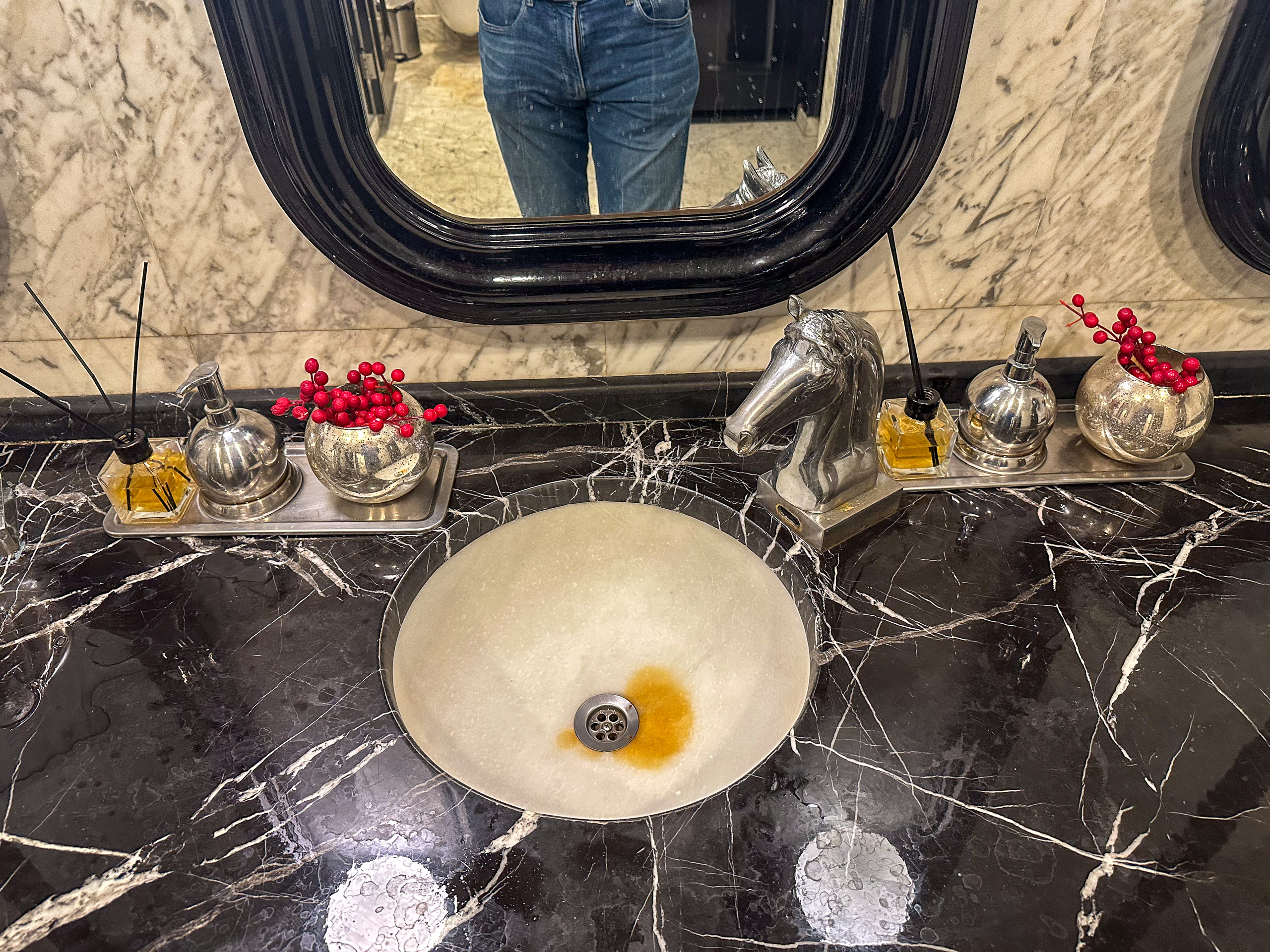
I had a Deluxe Room on the courtyard side. Warm ochre walls, a dark timber headboard, an arched doorway through to the bathroom, a wall sconce rather than a downlight, dark boards underfoot. It is a warm, low-lit, slightly old-fashioned room, and it is a great deal more comfortable than the exterior leads you to expect.
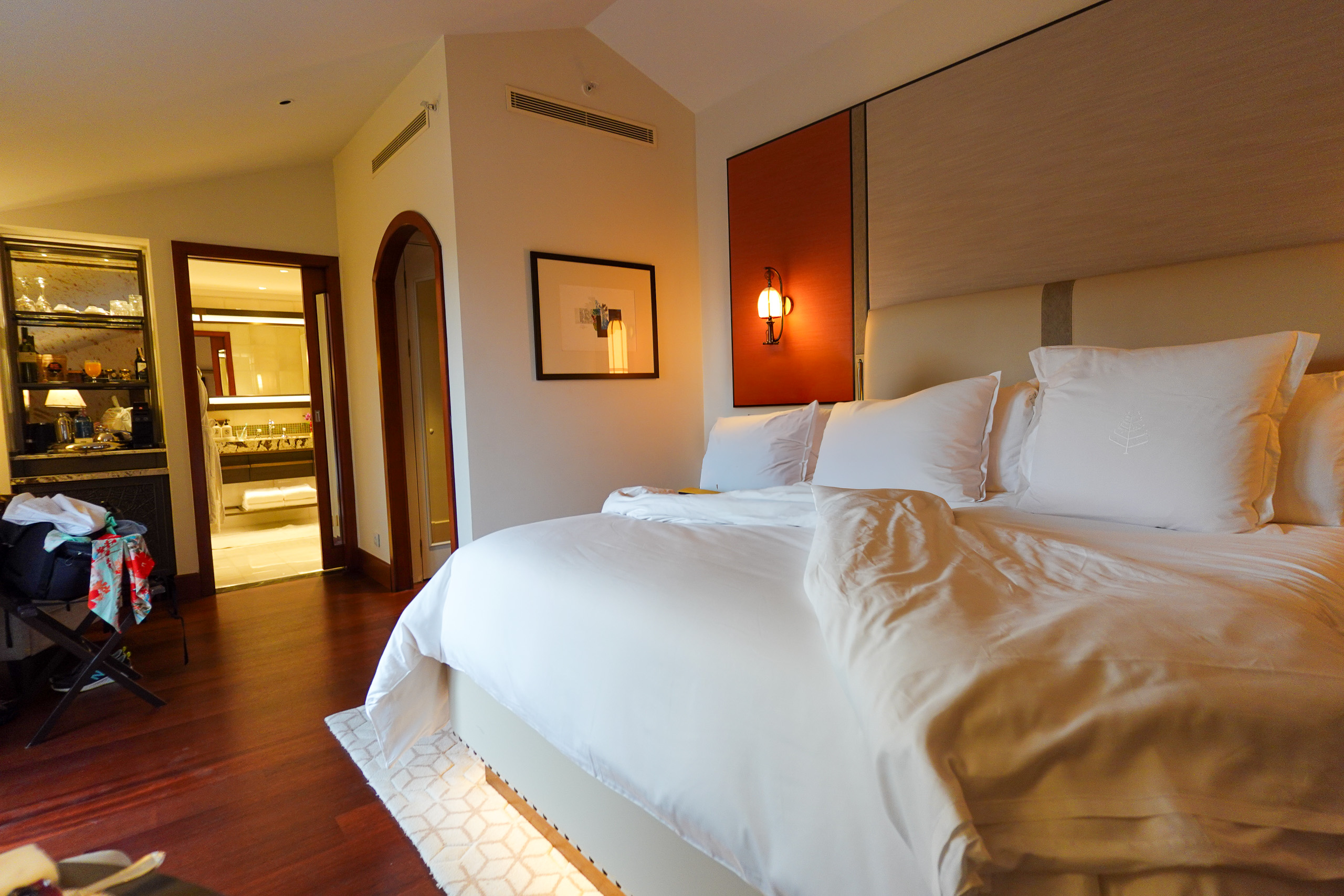
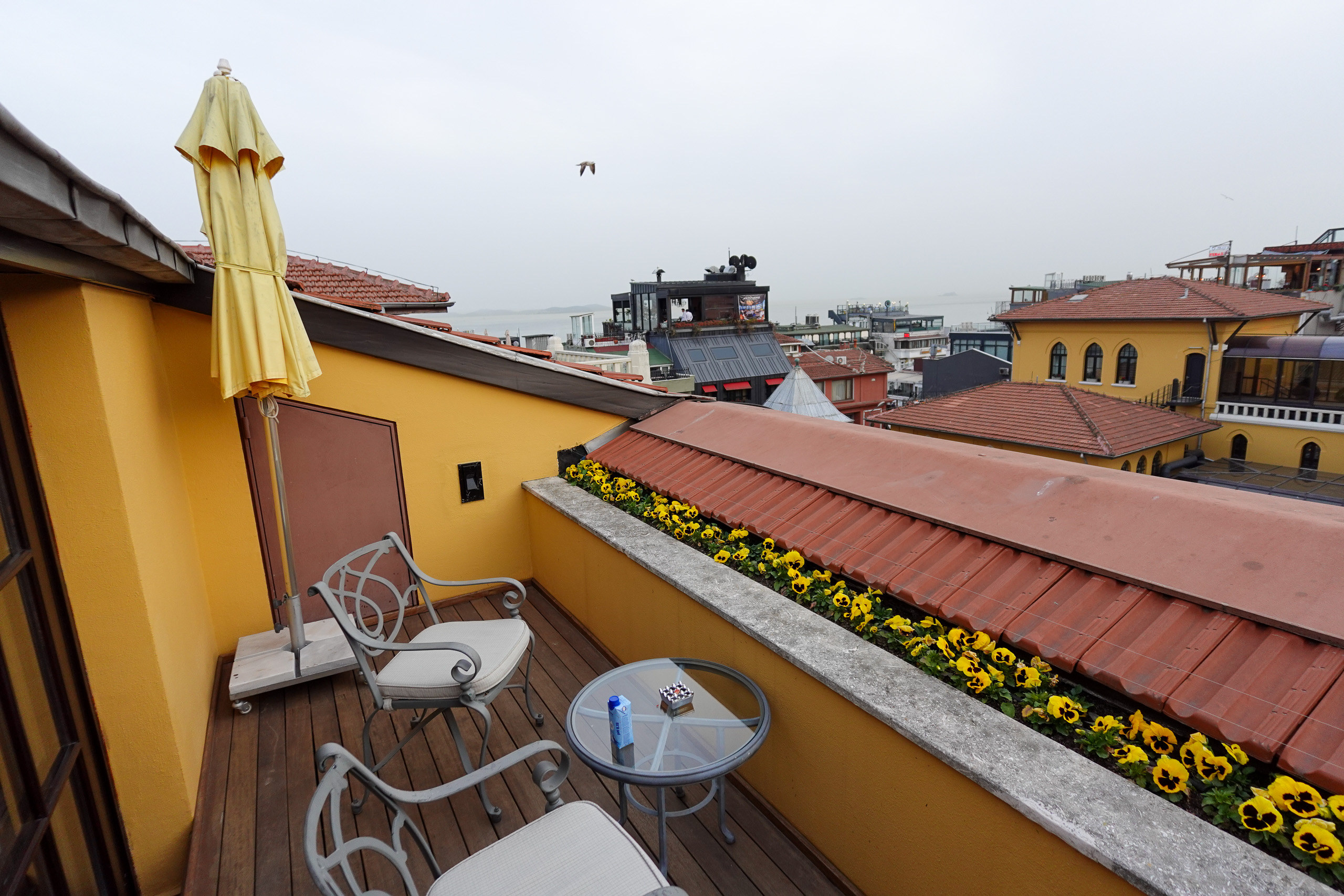
The variation between rooms is real and worth managing. The building has a fixed geometry and the rooms were fitted into it rather than the other way round, so some look at the courtyard, some at a wall, and a small number look at the monuments. If the view is why you are booking, name it at the time of booking and be specific. The difference in the room is small. The difference in what is outside it is enormous. Nobody will volunteer this at check-in, for the same reason nobody volunteers the view from the lesser seats.
Noted
Observed on the stay, not measured.
| What | Checked on the stay |
|---|---|
| Walk to Hagia Sophia | Three minutes, and you are inside the site boundary before that |
| Noise | Silent in the room; the call to prayer carries on the roof, which is the point |
| Bed | King, medium-firm |
| Water pressure | Strong and hot, no wait |
| Pool | None on site — guests use the pools at the sister hotel on the Bosphorus |
| Spa | Kurna Spa, hammam, steam and sauna; books out |
Eating
Avlu is the courtyard and the pavilion, contemporary Anatolian, and it is the rare hotel dining room in a monument quarter that locals will cross town for. Breakfast there is the meal to plan around rather than the one to rush: a full Turkish spread rather than a continental one with olives added, served outside under a blanket in April. Have it included, and book the dinner before you arrive. Best in class honeycomb and bread. DO NOT SKIP.
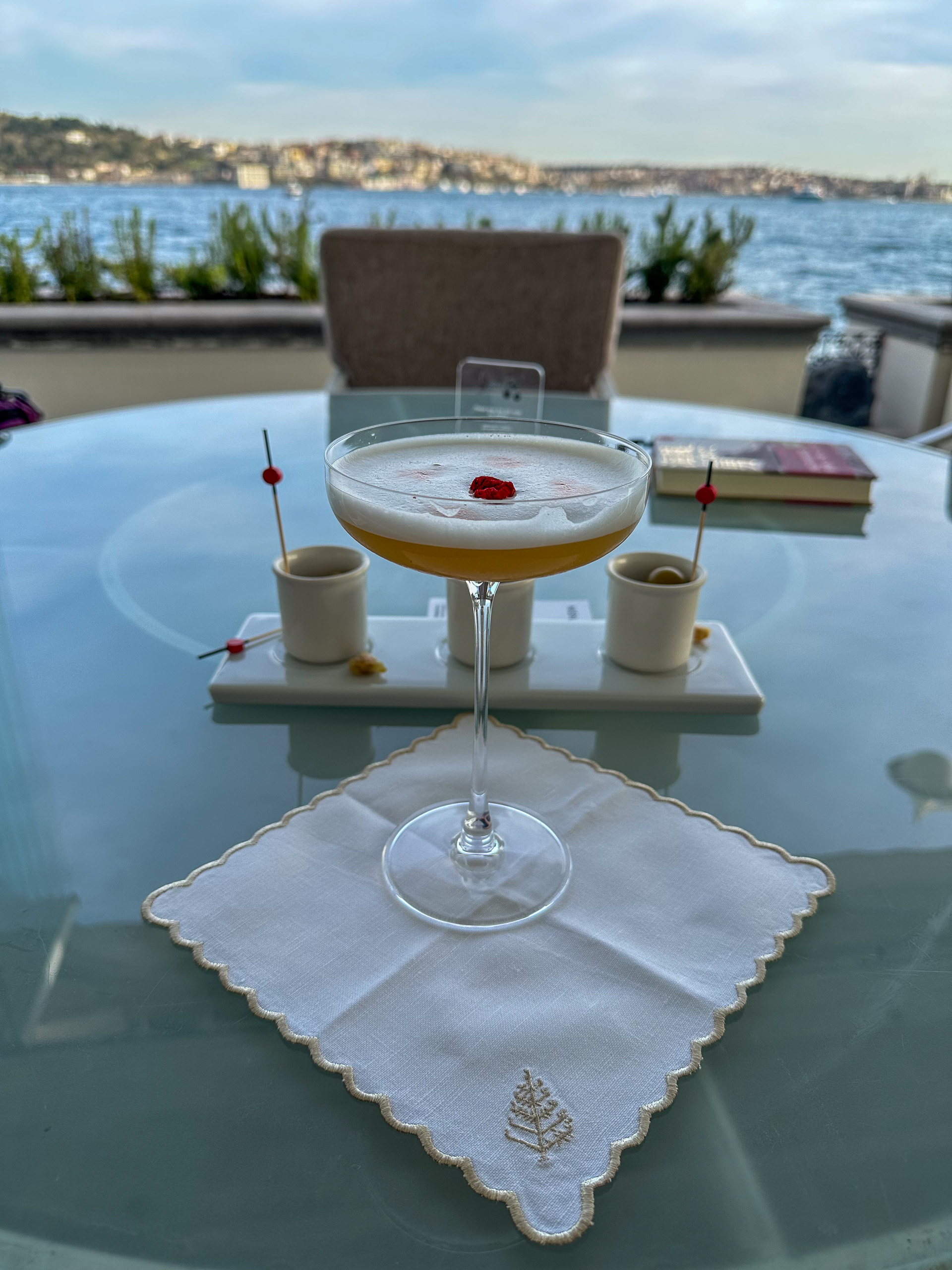
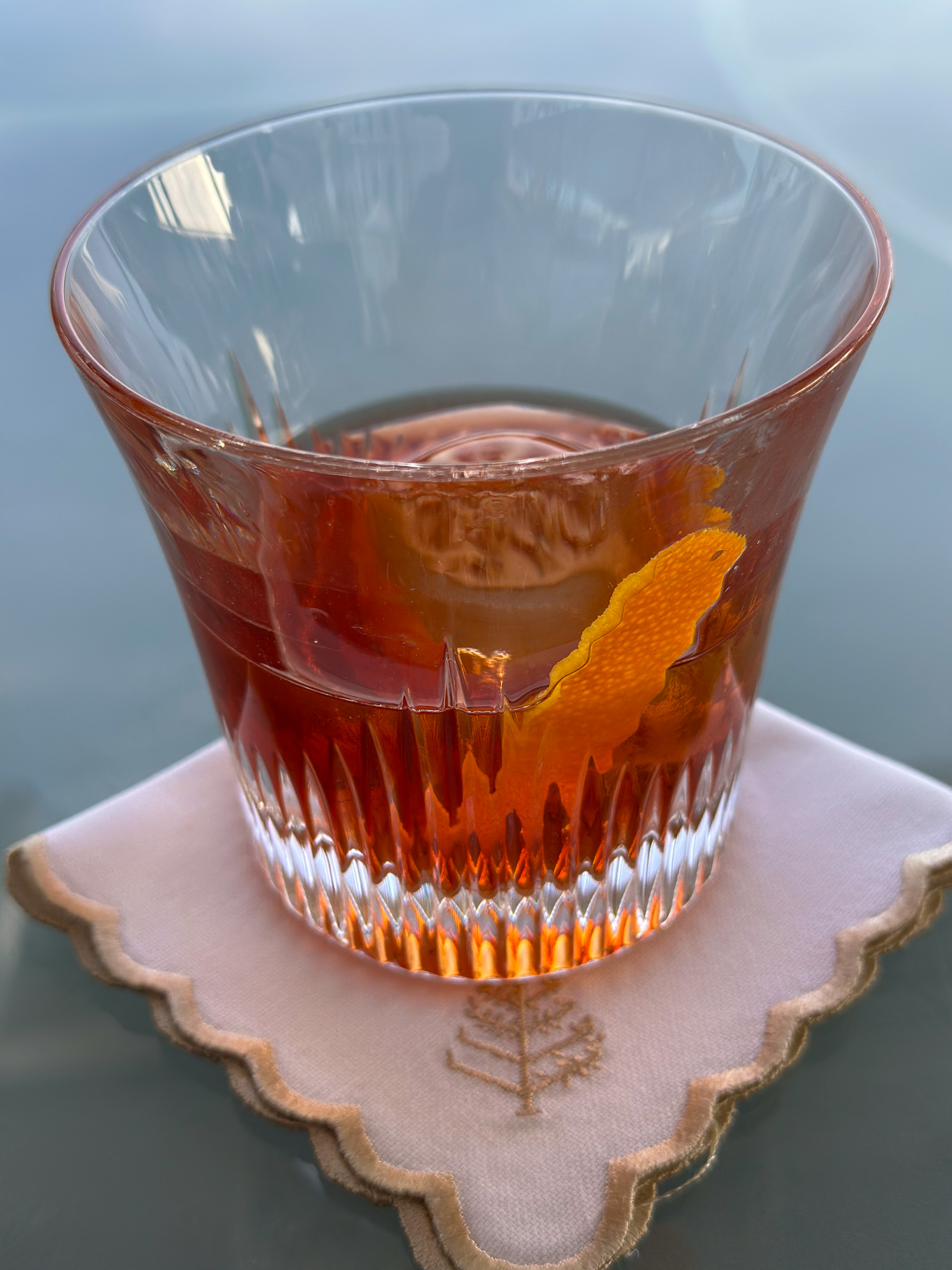
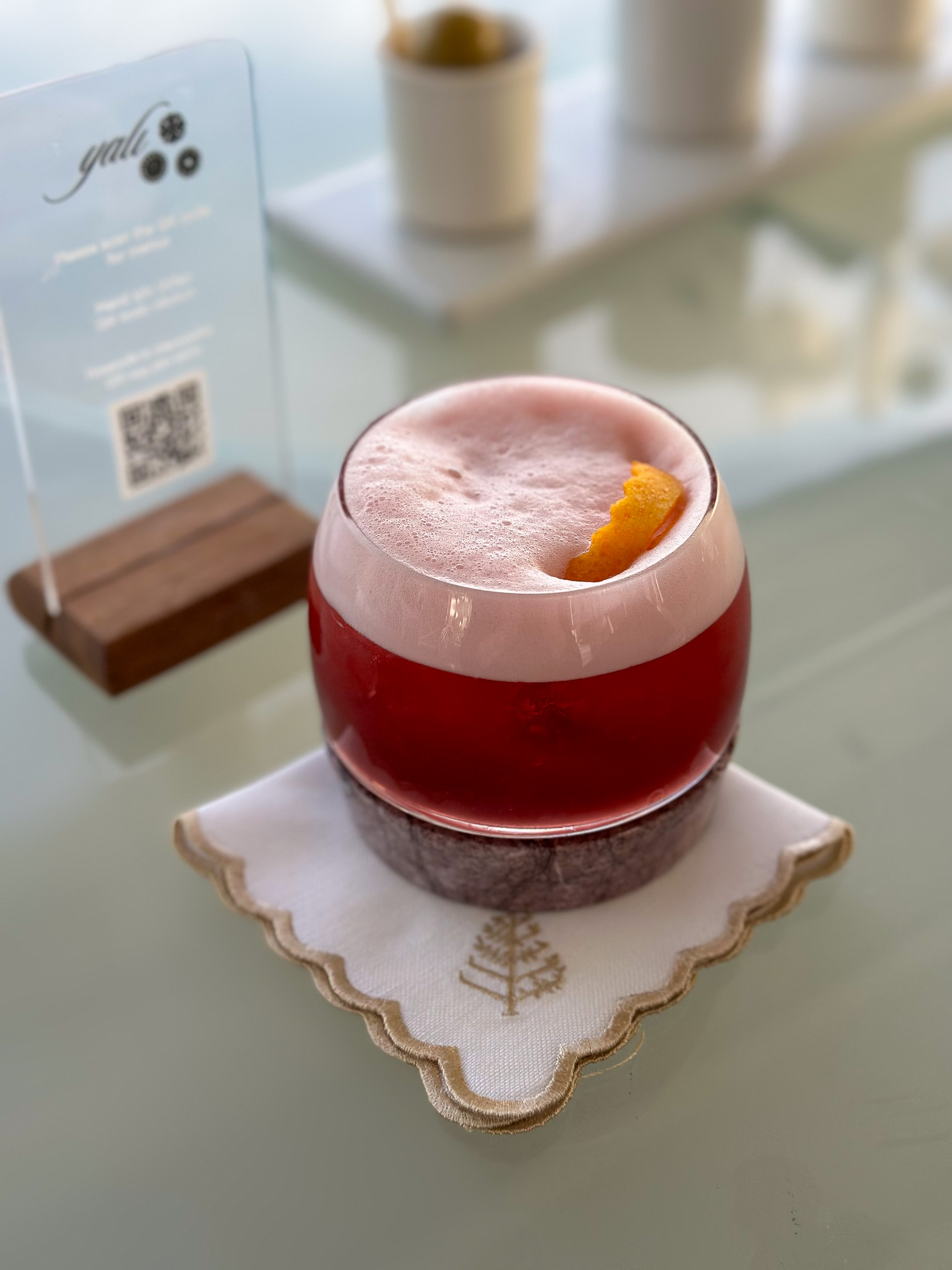
Lingo Lingo is the bar and restaurant, La Pistache the patisserie, and The Rooftop is where the evening ends. Four rooms in a hotel this size is generous, and none of them feels like a room that exists because the brand standard required one.
The roof, the hammam, and the pool that is not here
The Rooftop is the single best thing the hotel owns. From it, Hagia Sophia sits square in front of you across the archaeological garden, the Blue Mosque rises to the right, and the Marmara opens out beyond both with the shipping lane running across it. Go half an hour before sunset and stay through the call to prayer. In April the sky went pink and stayed pink for twenty minutes.
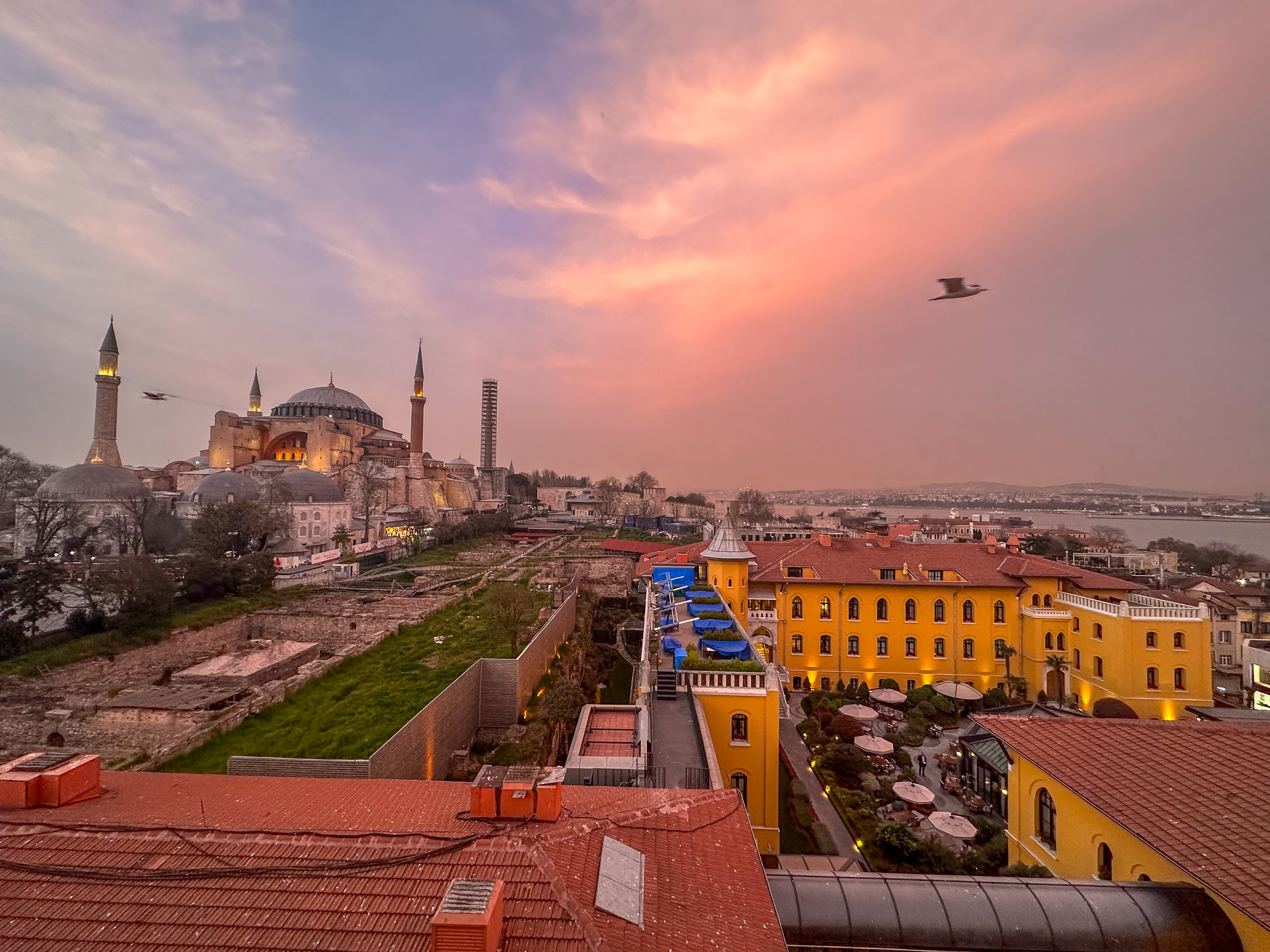
Half the people up there are not staying in the hotel, which tells you two things: that it is a destination in its own right, and that you should go up before the hour everybody else does. Go on the first evening rather than the last, because if the weather turns you want the second chance.
The spa is built around a hammam, which is the correct thing for a hotel to offer in this city and an easy thing to do badly. This one is done properly: marble, heat, a scrub that is not a gentle exfoliation, and a rest afterwards you should allow an hour for rather than the twenty minutes you will be tempted to take. Book it for the afternoon of a heavy walking day, and book it before you arrive, because every guest in the house wants the same two slots. A Hammam of this quality is a must do before death.
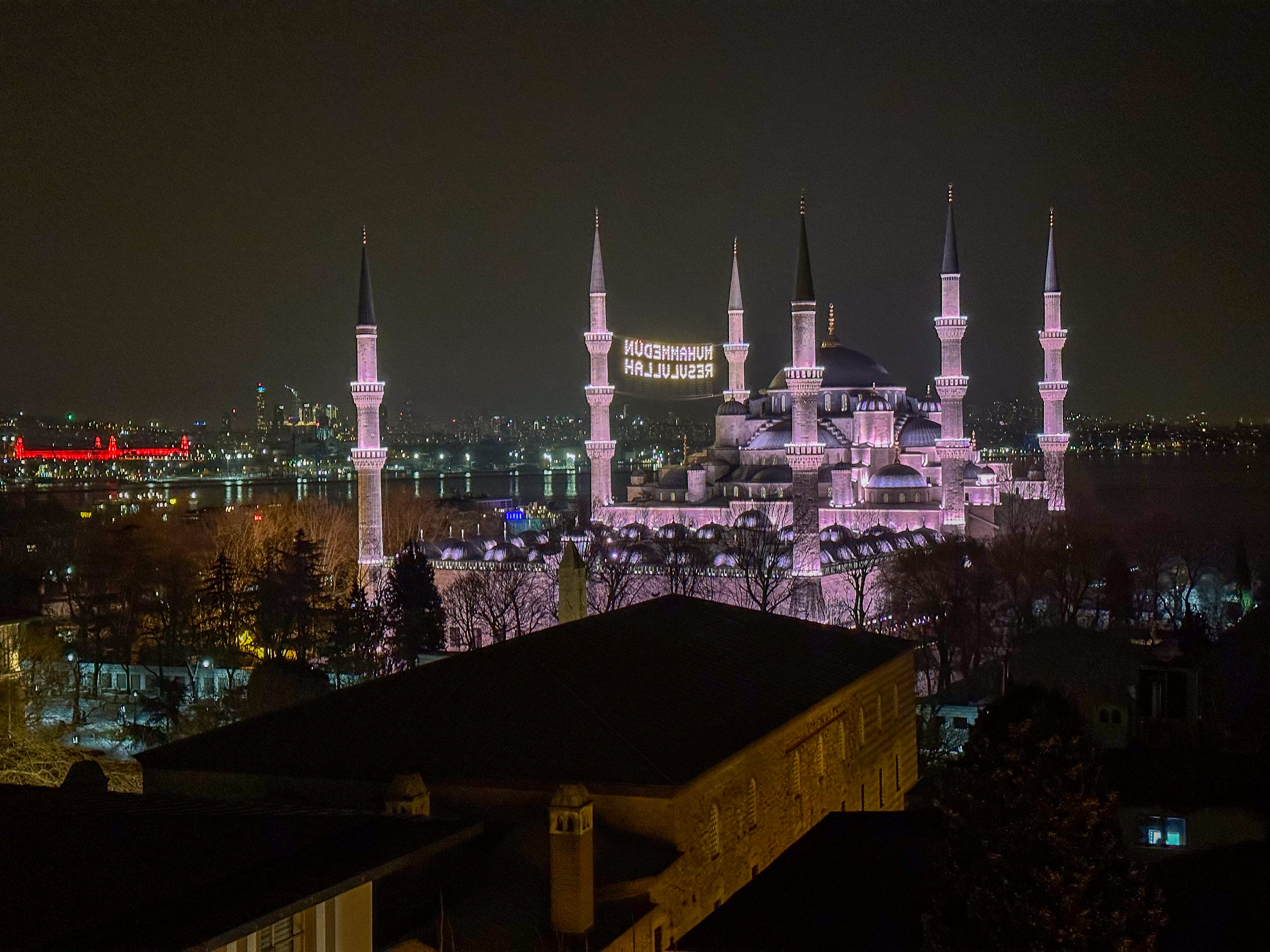
There is no pool. Guests are sent to the sister hotel on the Bosphorus, which is a car ride across the city, and on a hot day in July that is not a facility, it is an outing. I did it and vote worth it. The hammam is excellent, but nobody has ever done lengths in one.
Service moments
The concierge desk is expert on the old city, which is rarer than it should be in a quarter this heavily toured, and the advice I was given about when to walk to which monument was better than anything I had planned. Ask, and then do what they say. Spend on a guide rather than on the minibar; the monuments are better with one, and the desk will find you one who does not end the tour in a carpet shop.
Names by the first morning. Breakfast under a blanket without having to ask for the blanket. A second Turkish coffee that arrived because the first cup was empty, not because I had looked up. The history of the building told to me in the corridor by someone who had clearly told it a hundred times and still liked it.
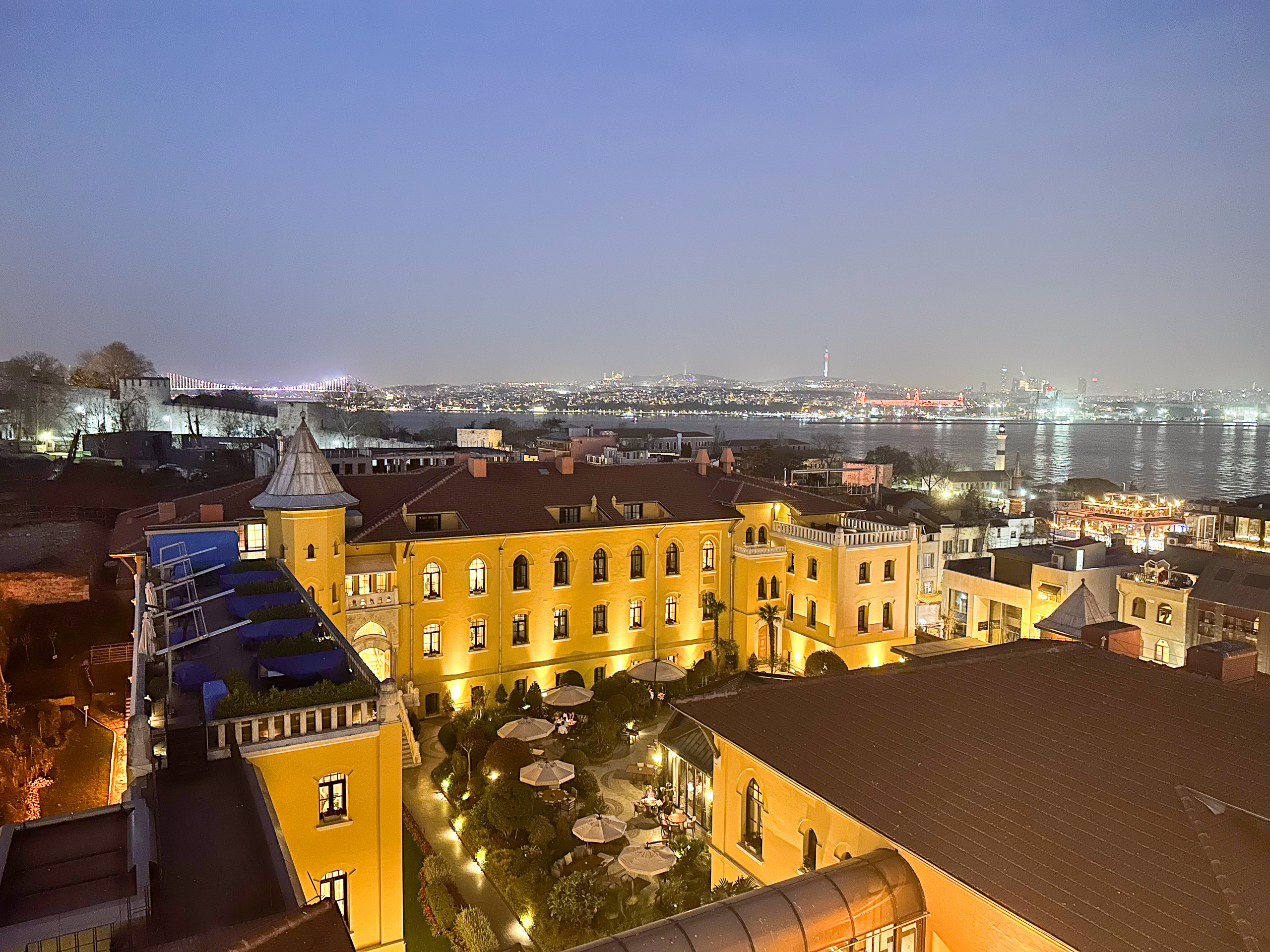
The address is the argument. Everything else here is good; nothing else here is unrepeatable.
Who it is for, and who it is not
Come for two or three nights of the old city on foot, for a first visit to Istanbul, or for the roof at sunset. Walk to Hagia Sophia at opening rather than after breakfast. Take the tram or a boat rather than a car when you cross to the modern city, because the traffic on the bridges will otherwise decide your evening for you.
Look elsewhere if a pool is part of what you are buying; the other Four Seasons in this city has one and this one does not pretend to. Look elsewhere for a week-long base: Sultanahmet empties at seven and fills with coach parties at nine, and the eating and drinking that make Istanbul worth a week are across the water in Karaköy, Beyoğlu and Cihangir. Every evening here involves a decision to leave. The Çırağan, on the Bosphorus, is the other way to do this city, and I have written it up.
Bottom line
There is no other site like it in Istanbul, and the hotel knows not to compete with it. Book a courtyard-facing Deluxe for two nights, and be on the roof half an hour before sunset.
See the full set: Four Seasons Sultanahmet — in frames. More Istanbul: Çırağan Palace Kempinski.
Four Seasons Sultanahmet gallery
Every photo on this site is my own, shot on the stay. Slide through →