The Suite Report

Tag: Bangkok

  • Sorn: Three Stars, and Worth Planning a Trip Around

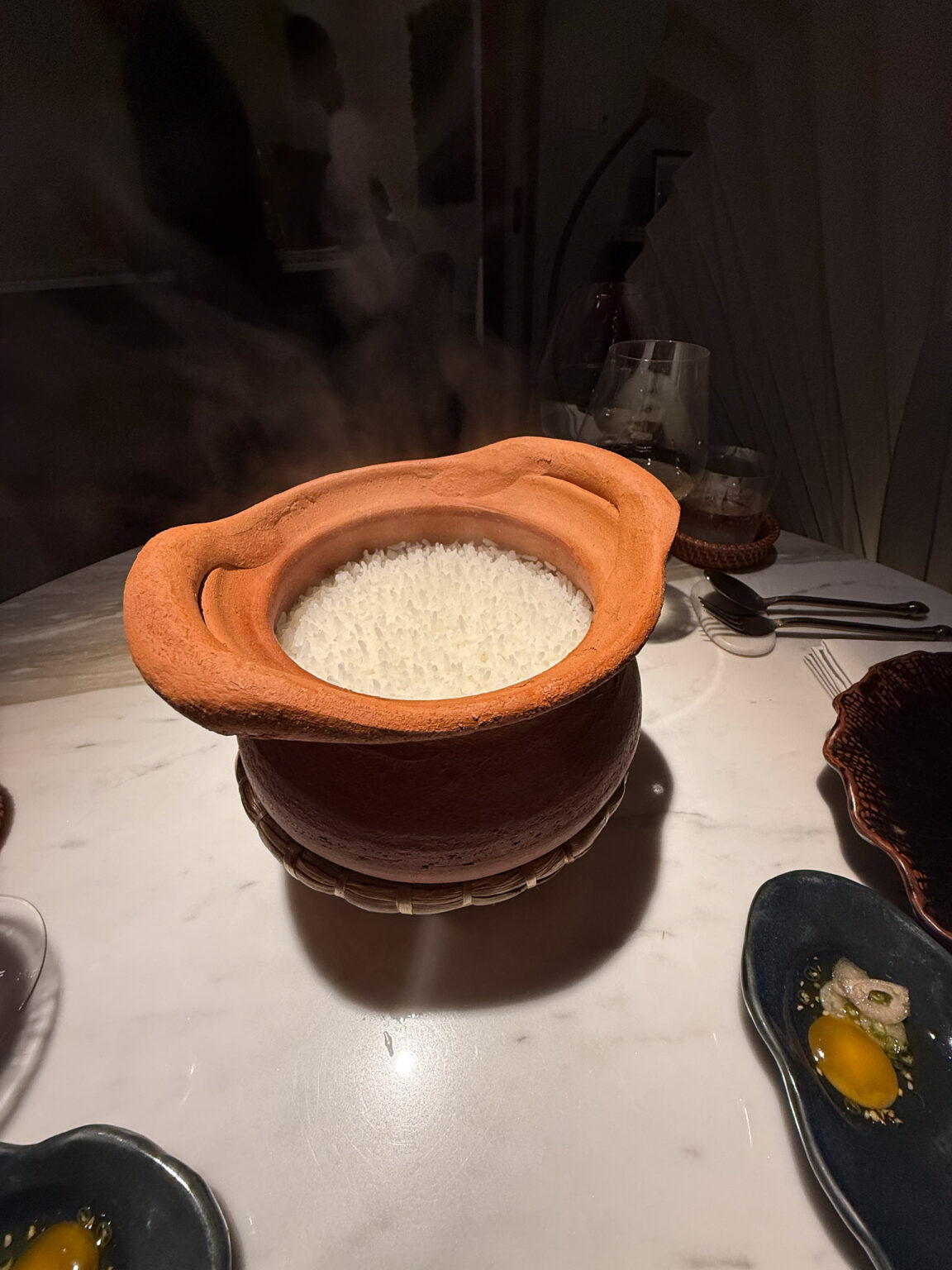
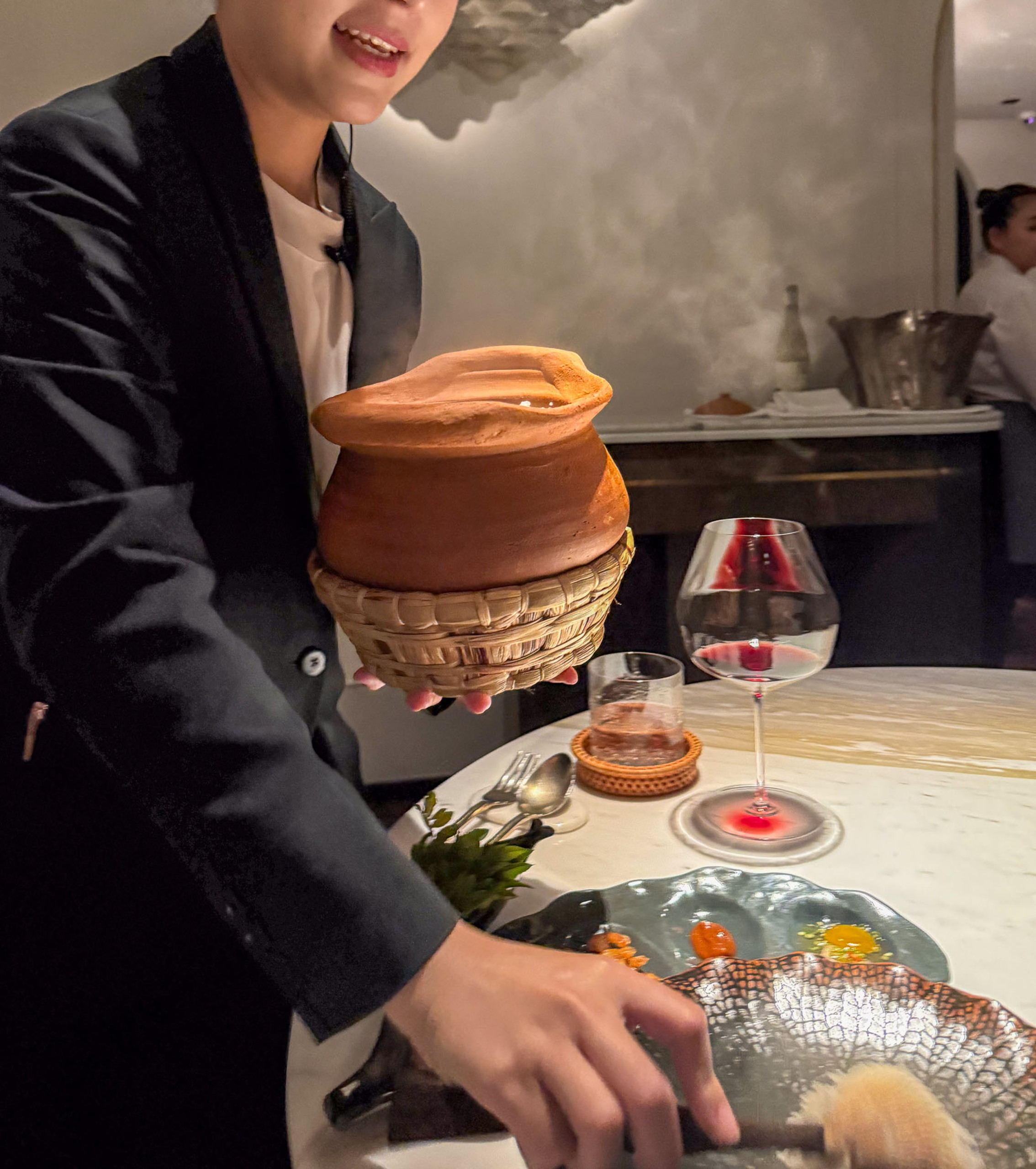
    A terracotta pot of steaming jasmine rice set in a woven basket on the marble table

    BANGKOK, THAILAND · RESTAURANT · 9 MIN READ

    Sorn: Three Stars, and Worth Planning a Trip Around

    One southern Thai tasting menu, one sitting a night, paid for in full weeks in advance and refundable under no circumstances. The hard part is not the meal. It is the booking.

    By J.C. Mercer

    Know before you go

    • Where 56 Soi Sukhumvit 26, Bangkok – a restored house down a residential lane, fifteen minutes on foot from BTS Phrom Phong
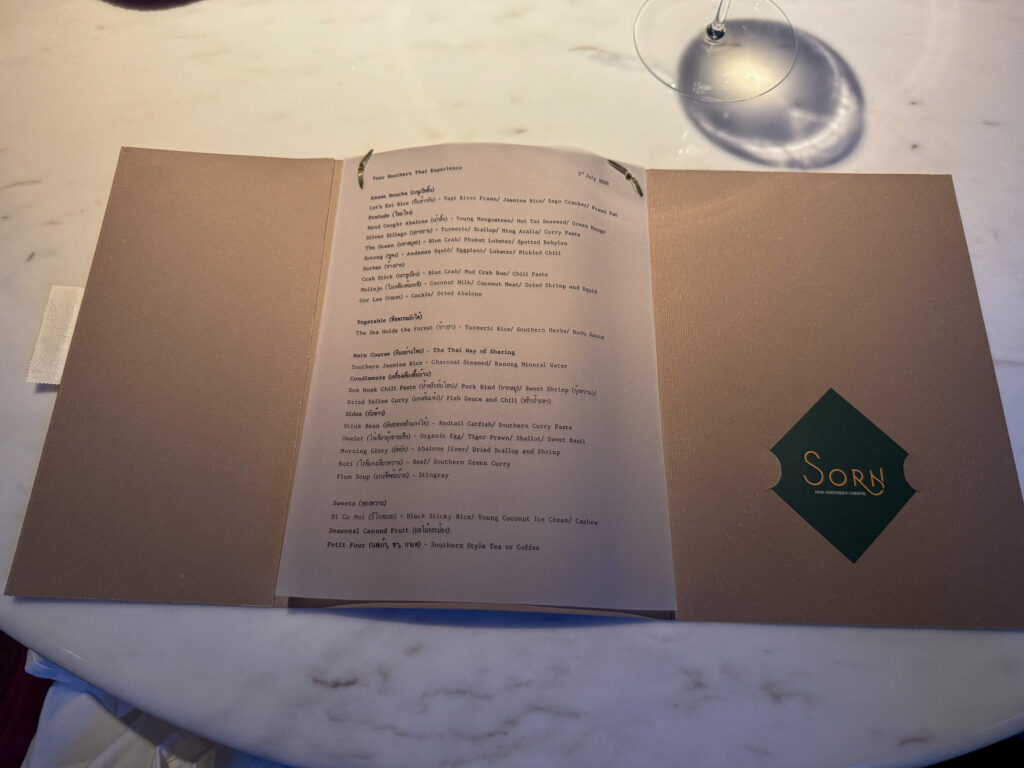
    • The format one set southern Thai tasting menu, dinner only, from 6pm. No à la carte, no vegetarian menu
    • What it costs one fixed price per person on the restaurant’s own booking page, with service and VAT added on top
    • Booking paid in full at booking, non-refundable, non-transferable, impossible to reschedule. Email opens on the 15th; the online release is at noon on the 25th
    • The stars one in the 2019 Michelin Guide Thailand, two in 2020, three in the 2025 guide announced November 2024, held since

    Every meal on this site is paid for in full and booked the way any other guest would book it.

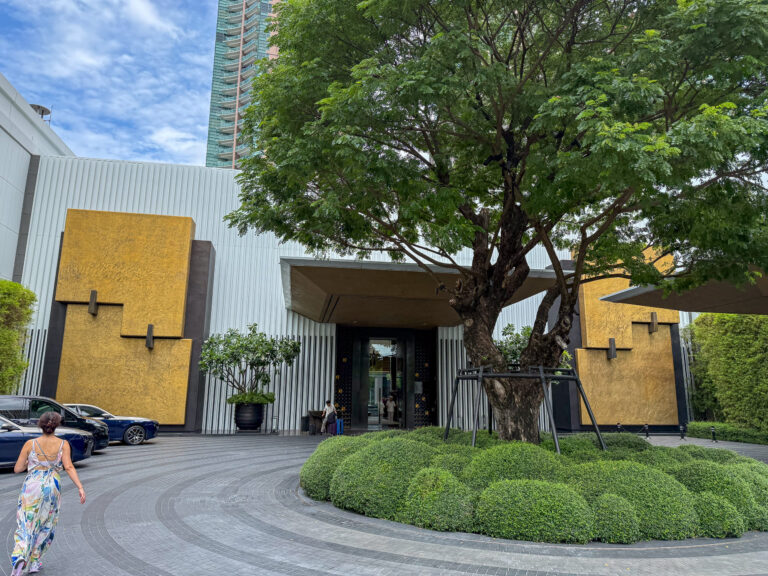
    Sorn is a restored house down a quiet residential lane off Sukhumvit 26, and you would walk straight past it if you did not know. By the guide’s own count it was the first Thai restaurant anywhere to be given three Michelin stars, and for a year it was the only one in the country. It is not the only one now, but it got there first. What it actually does is narrower than three stars suggests: one set menu, dinner only, built entirely from the food of the south, cooked over charcoal and in clay pots.

    Supaksorn Jongsiri – Ice, to everyone – is from Nakhon Si Thammarat, never went to culinary school, and learned to cook from his grandmother. By his own account, before opening in 2018 he spent two years driving all fourteen southern provinces, eating and writing things down. That is the whole restaurant in a sentence: this is not southern Thai food interpreted for Bangkok, it is southern Thai food brought north intact.

    Almost nobody argues about the cooking. The argument is about getting in – and that part is won or lost weeks before you eat.

    I ate here

    Sorn, Bangkok

    • Covers Two, 6pm
    • Dined May 2026
    • Menu The tasting menu
    • Drinks Wine pairing
    • How it was paid for Prepaid in full at booking
    • What it cost the fixed menu price per person, plus service and VAT, before any drinks

    The hardest table in Thailand

    It may be the hardest table in Thailand. There is one seating a night, and the room is small: somewhere between twenty and forty covers depending on how the tables are laid. Demand is not small at all.

    There are two ways in. Booking from outside Thailand, you email the restaurant from midnight Bangkok time on the 15th, for the following month. Everyone else goes through TableCheck, which opens at noon on the 25th, again for the month ahead, moving to the 24th if the 25th falls on a Saturday.

    Do not treat those dates as gospel. The restaurant has run other systems – a monthly application window, different release times – and the guidance floating around online contradicts itself constantly. Email early, set one alarm for the 15th and another for noon on the 25th, and check the restaurant’s own channels the week before.

    By emailOnline, via TableCheck
    OpensMidnight Bangkok time on the 15thNoon Bangkok time on the 25th, or the 24th if the 25th is a Saturday
    Who forInternational guestsAnyone; parties of one to twelve
    How you payThe full menu price, at the moment of booking. Visa, Mastercard and AMEX only
    The catchReplies reported at three weeks, or neverThe month reported gone within seconds

    What you buy at that moment is not a reservation in the ordinary sense. The full price is charged up front and the terms are hard: final on confirmation, no rescheduling, no cancellation, and the credit covers the menu only, never drinks. Arrive more than thirty minutes late and the booking is void, which in Bangkok traffic is a real risk. Turn up with fewer people than you booked and you pay for the empty seats anyway.

    One piece of advice worth taking: book for four rather than two. There are simply more tables for four, and which table you get matters more here than it should.

    What the kitchen is actually doing

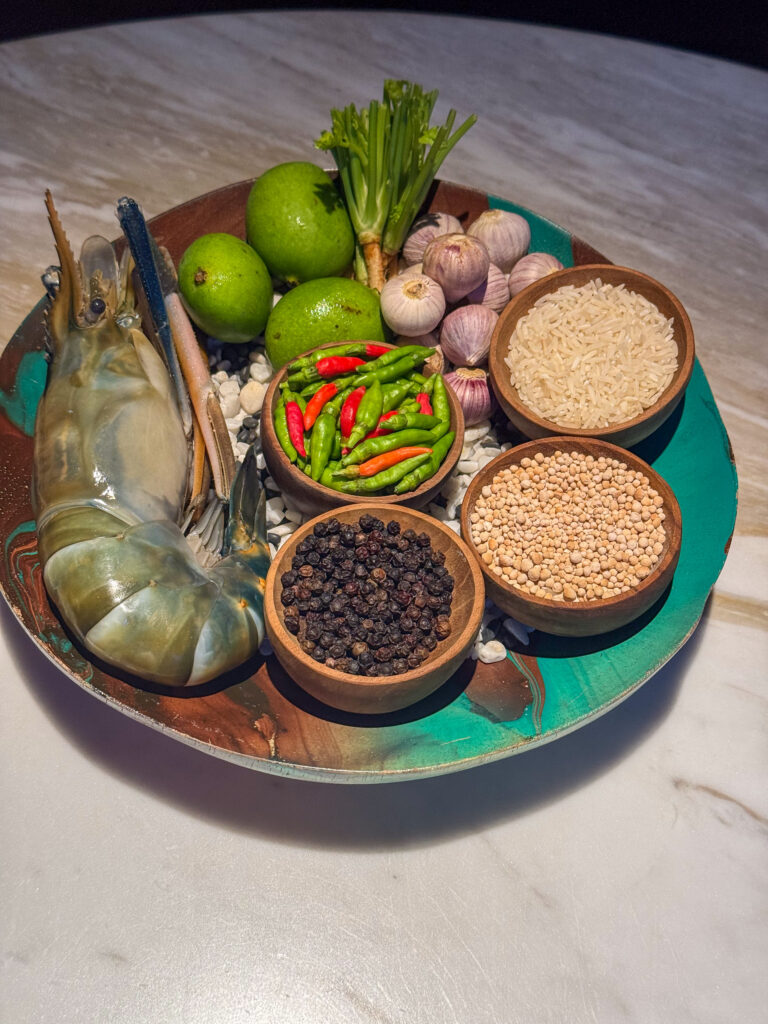
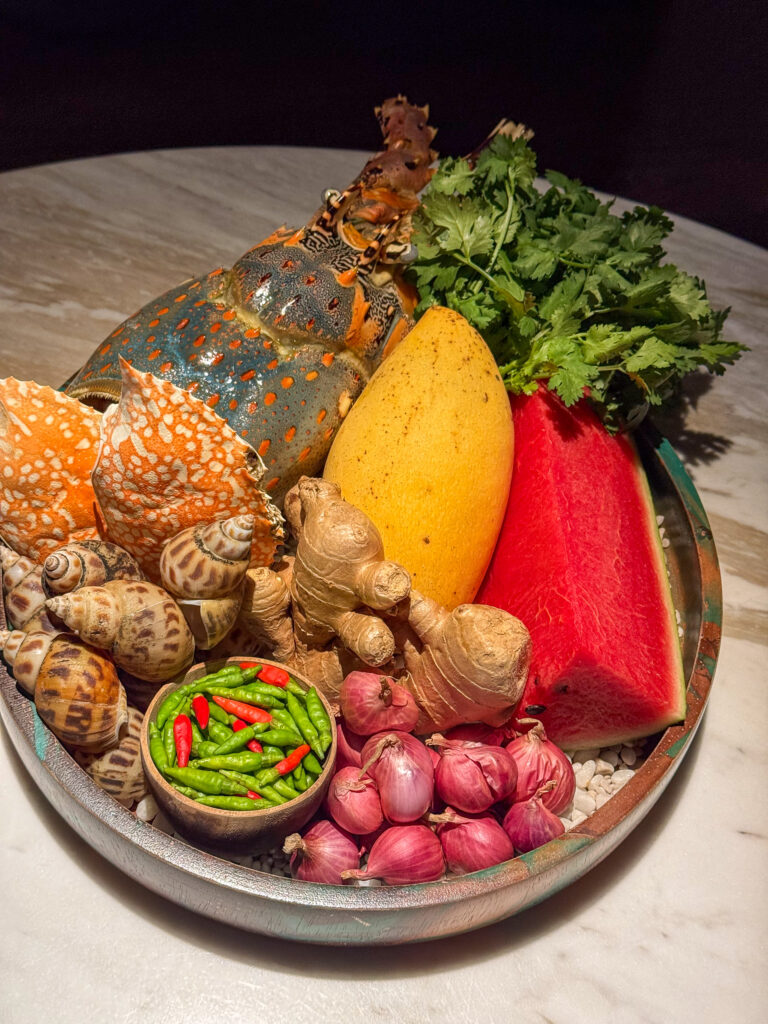
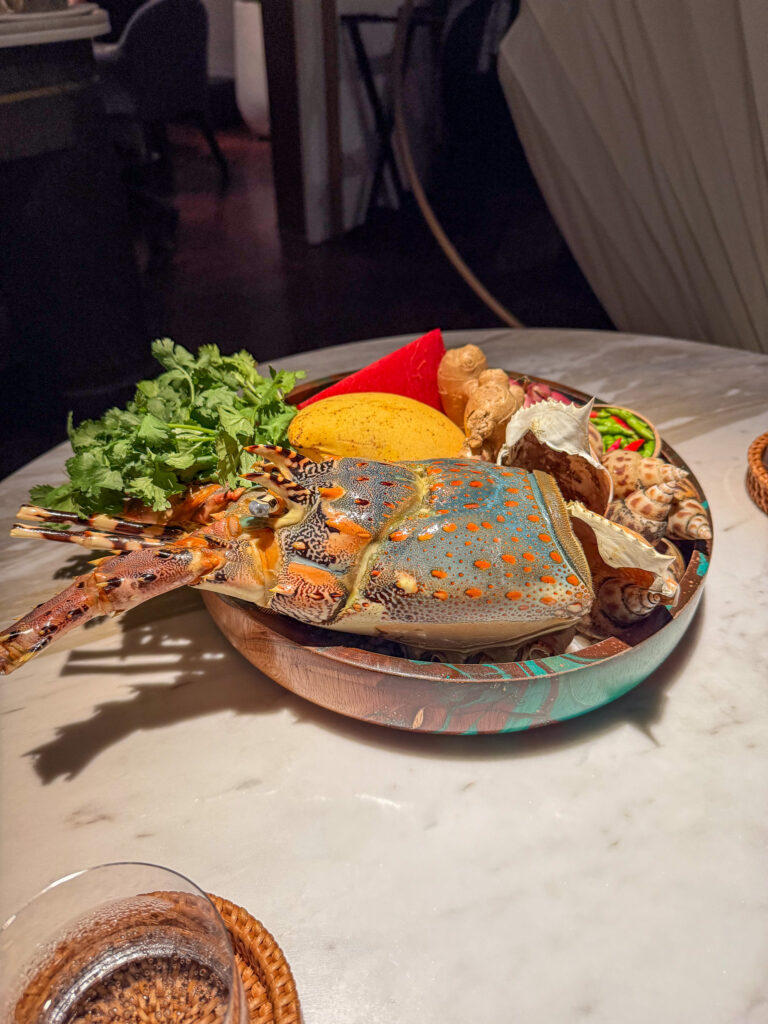
    A ceramic tray of raw ingredients: a whole river prawn, green mangoes, garlic, bird's eye chillies, jasmine rice and black and white peppercorns
    The tray that opens the meal: river prawn, green mango, garlic, bird’s eye chilli, jasmine rice, peppercorns. Sorn shows you the components before the dish.

    Southern Thai cooking is the most aggressively seasoned food in the country, and there is a reason for it. The intensity comes from a time when people foraged and travel took days: the stronger the chilli paste, the more rice it could carry, and the further a small amount went. That logic is still on the plate.

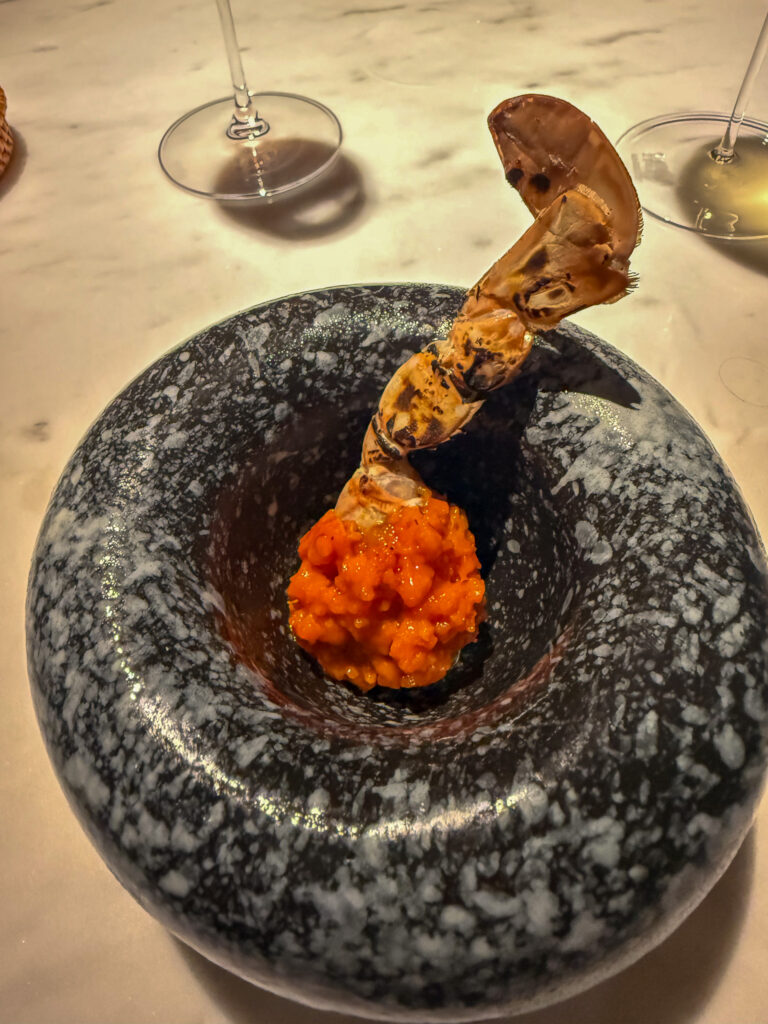
    Almost everything on the table comes from the south, and from fourteen provinces of it. Tapi River prawns and Surat Thani crab arrive each morning, lobster from Phuket, squid from the Andaman, rice from Nakhon Si Thammarat. Even the water the rice is cooked in comes from Ranong – in a clay pot, over charcoal.

    None of it goes through a supplier company. A board on the wall names the individual people who source for the kitchen, which is the argument made as an object: not knowing where the ingredients come from, but knowing who they come from. Accepting his third star, Jongsiri talked about southern farmers burning surplus mangosteen for want of a buyer while Bangkok restaurants imported fruit from Europe.

    One menu, somewhere north of twenty courses

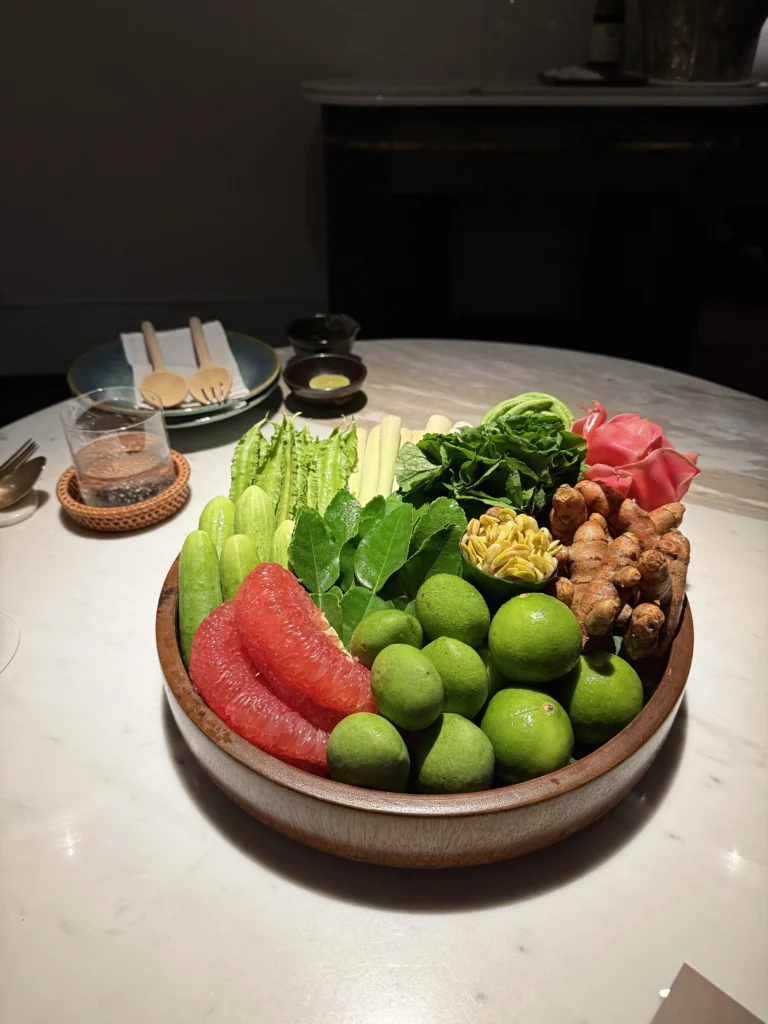
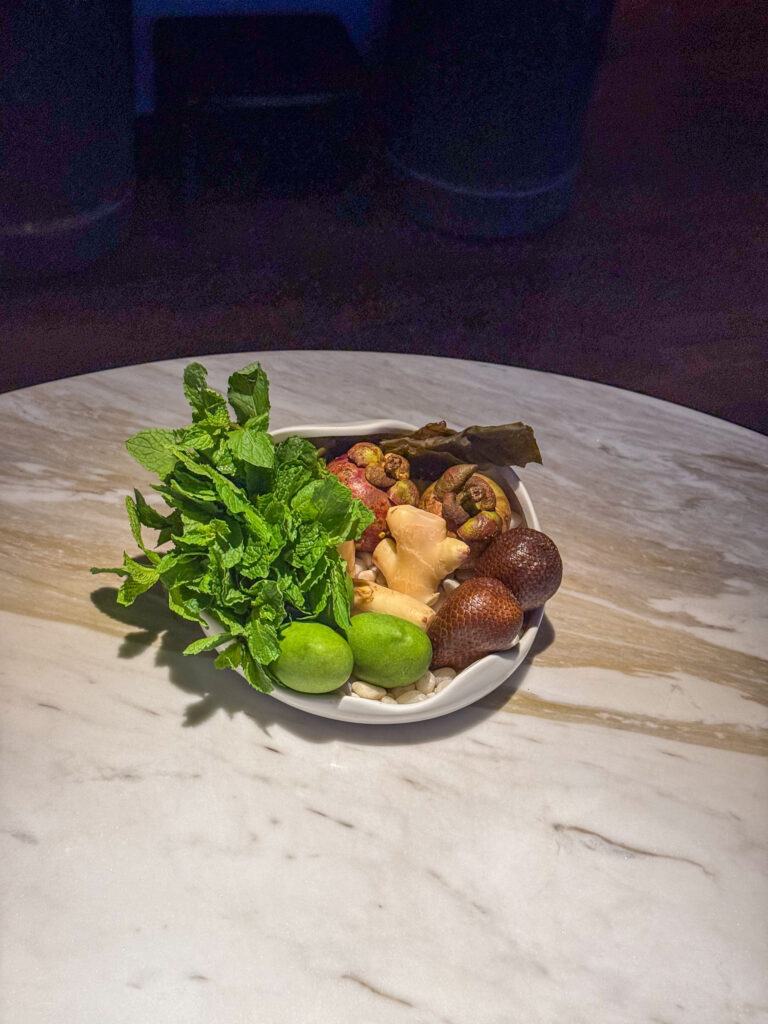
    A wooden bowl of raw southern Thai produce: winged beans, cucumbers, baby corn, betel leaves, torch ginger flower, fresh turmeric, pomelo and green mangoes
    The bowl for the vegetable course: winged beans, baby corn, betel leaves, torch ginger, turmeric, pomelo, green mango. Presented whole, then dressed at the table.

    Nobody agrees how many courses this is, and the disagreement is really about the unit – one course can arrive as three plates. Expect something north of twenty, across about three hours.

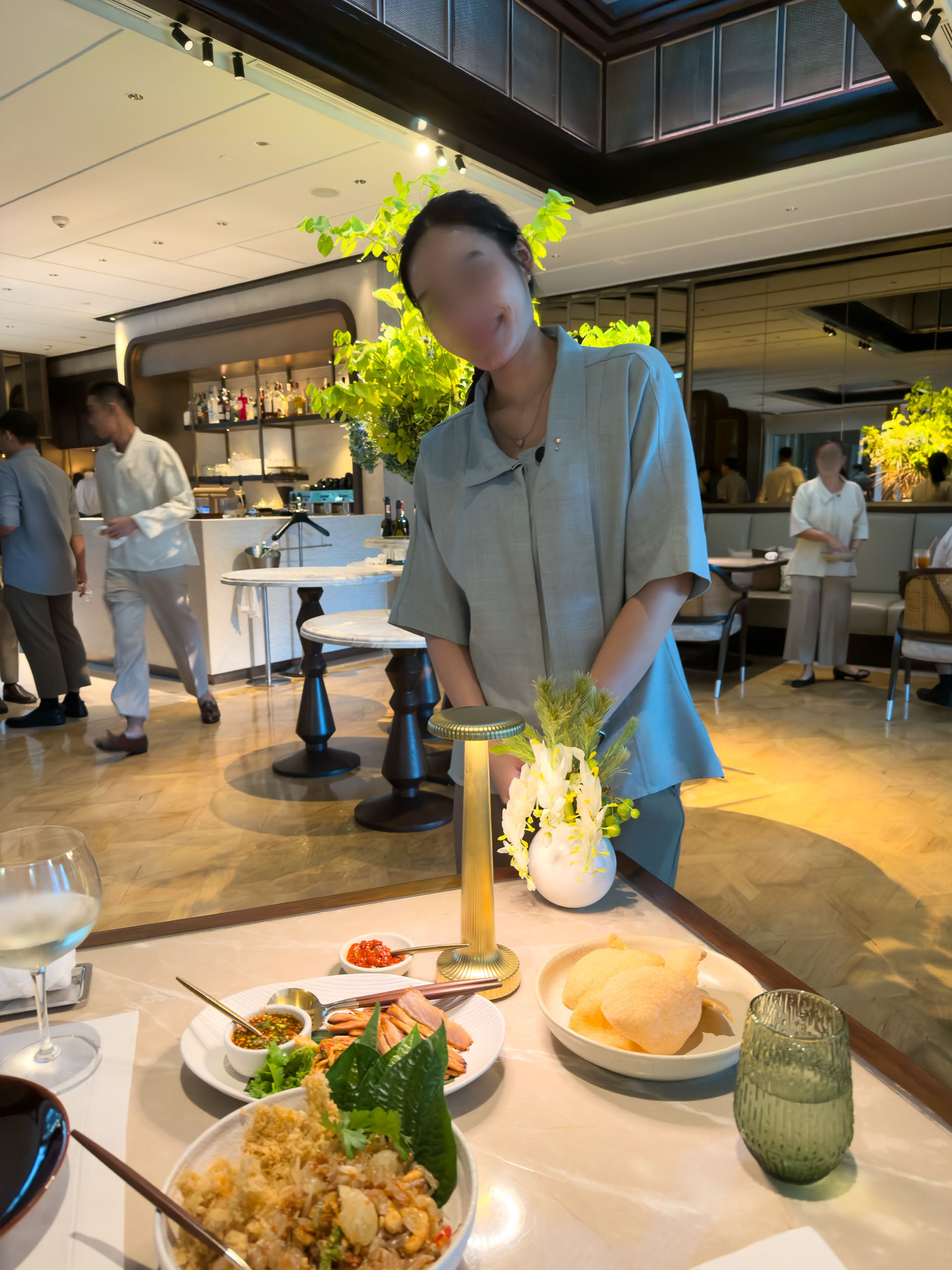
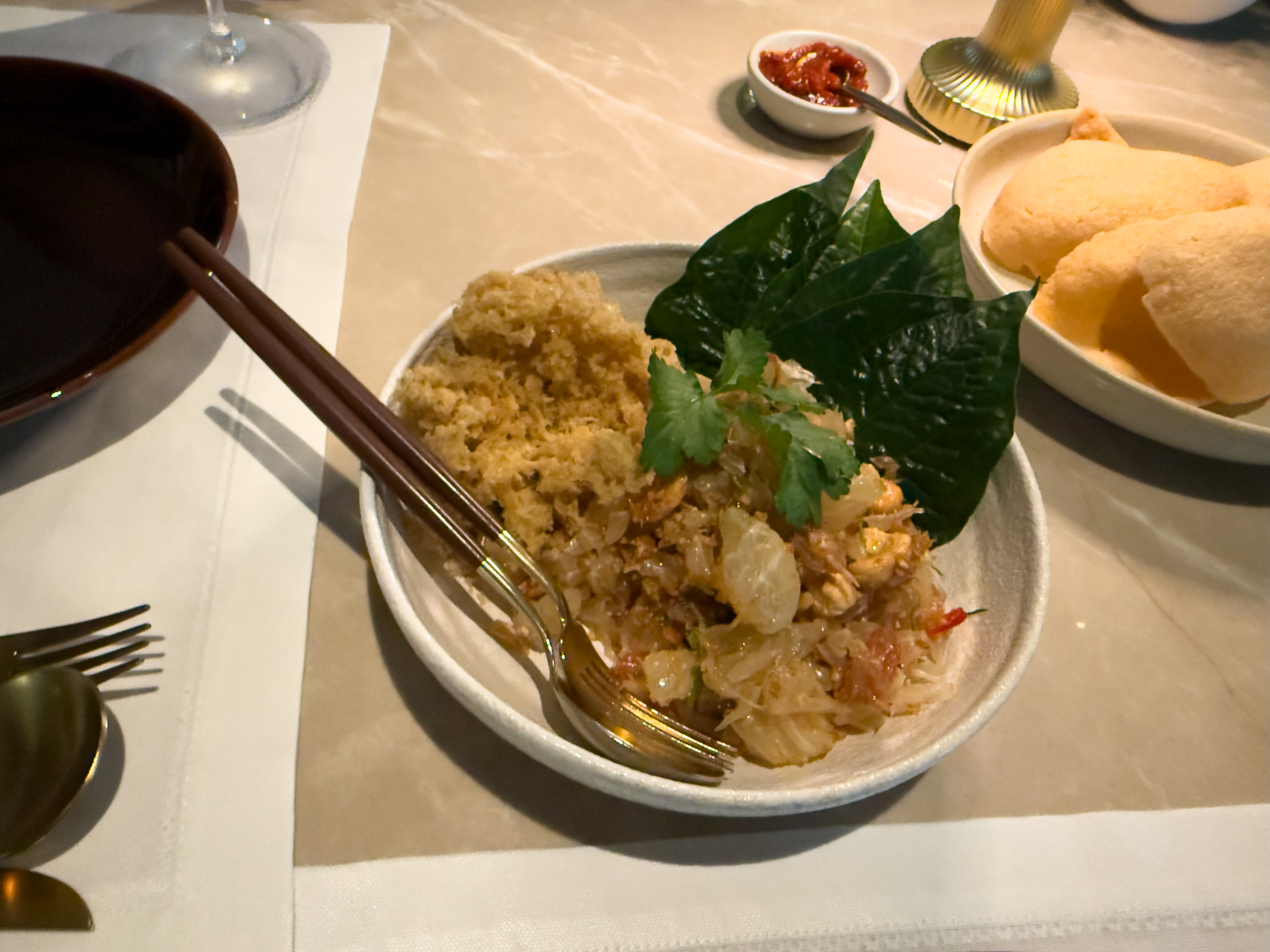
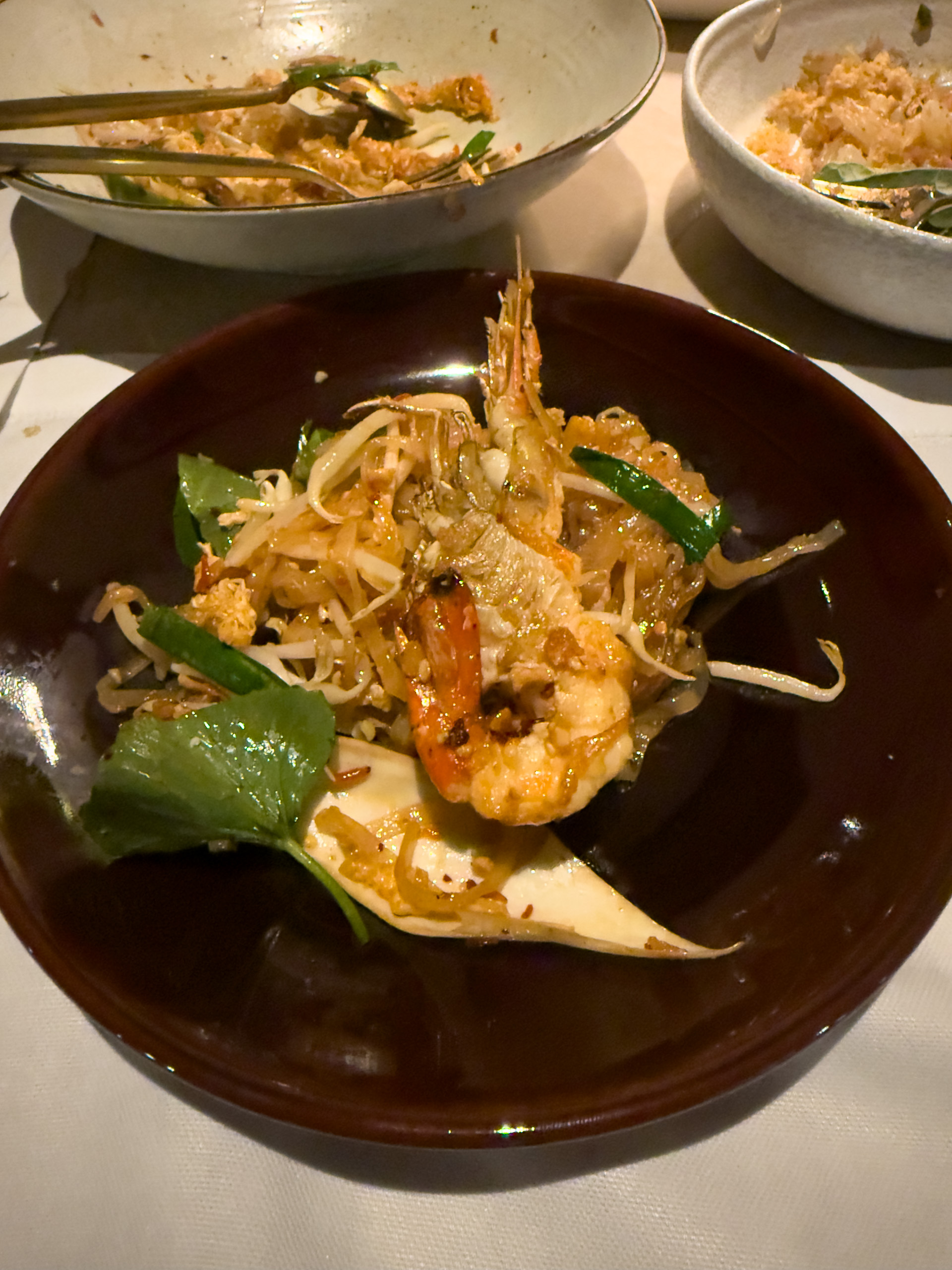
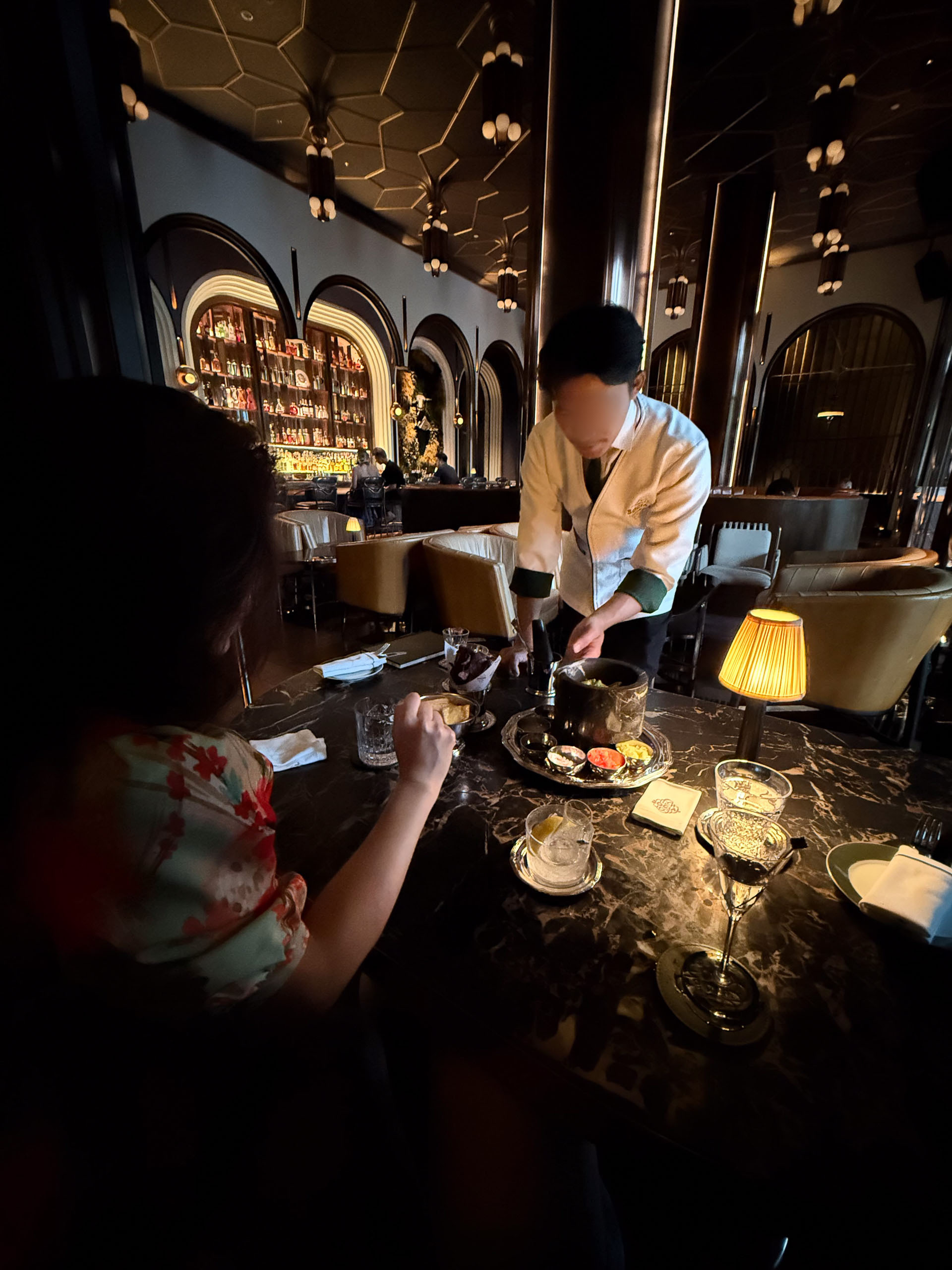
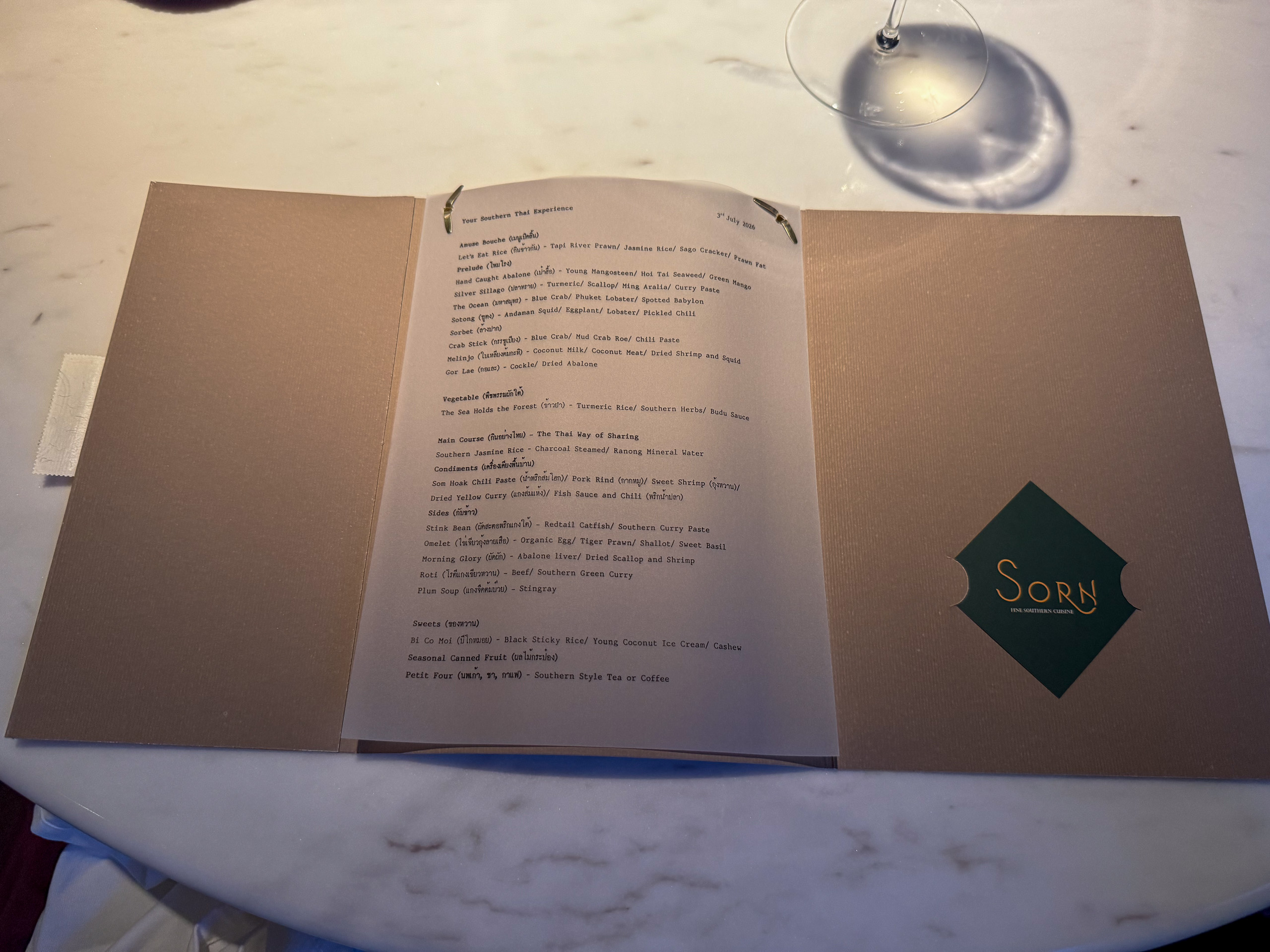
    The shape is consistent. The first act is individually plated and small: raw and lightly worked seafood, a sequence labelled “The Ocean,” a sorbet to clear. Then it pivots. Rice arrives from a clay pot with a spread of condiments – chilli pastes, pork rinds, dried stingray, sweet shrimp, quail egg, herbs – and the southern classics come out family-style: soup, curry, stir-fry, something fried. Then desserts, then the trolley.

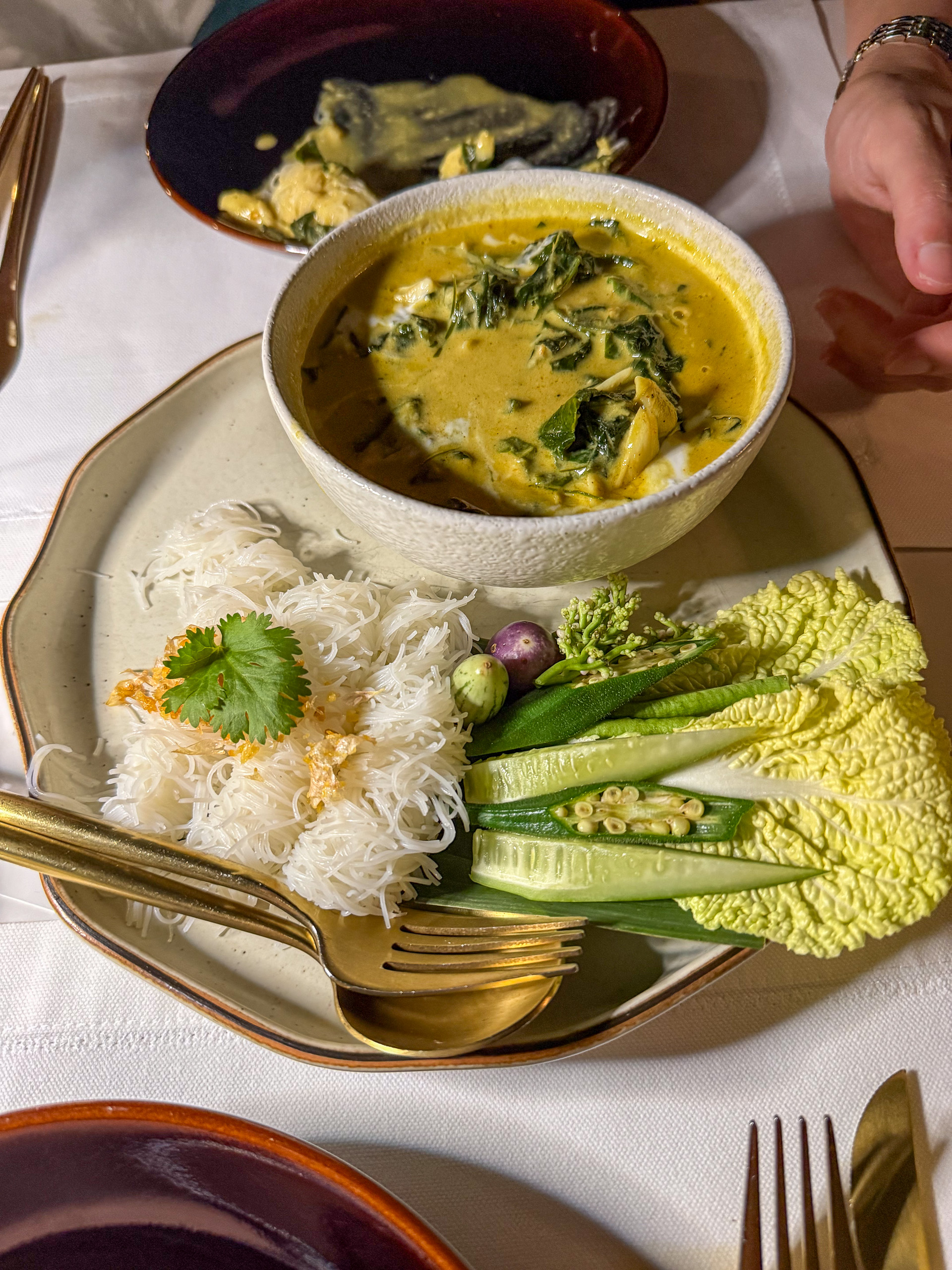
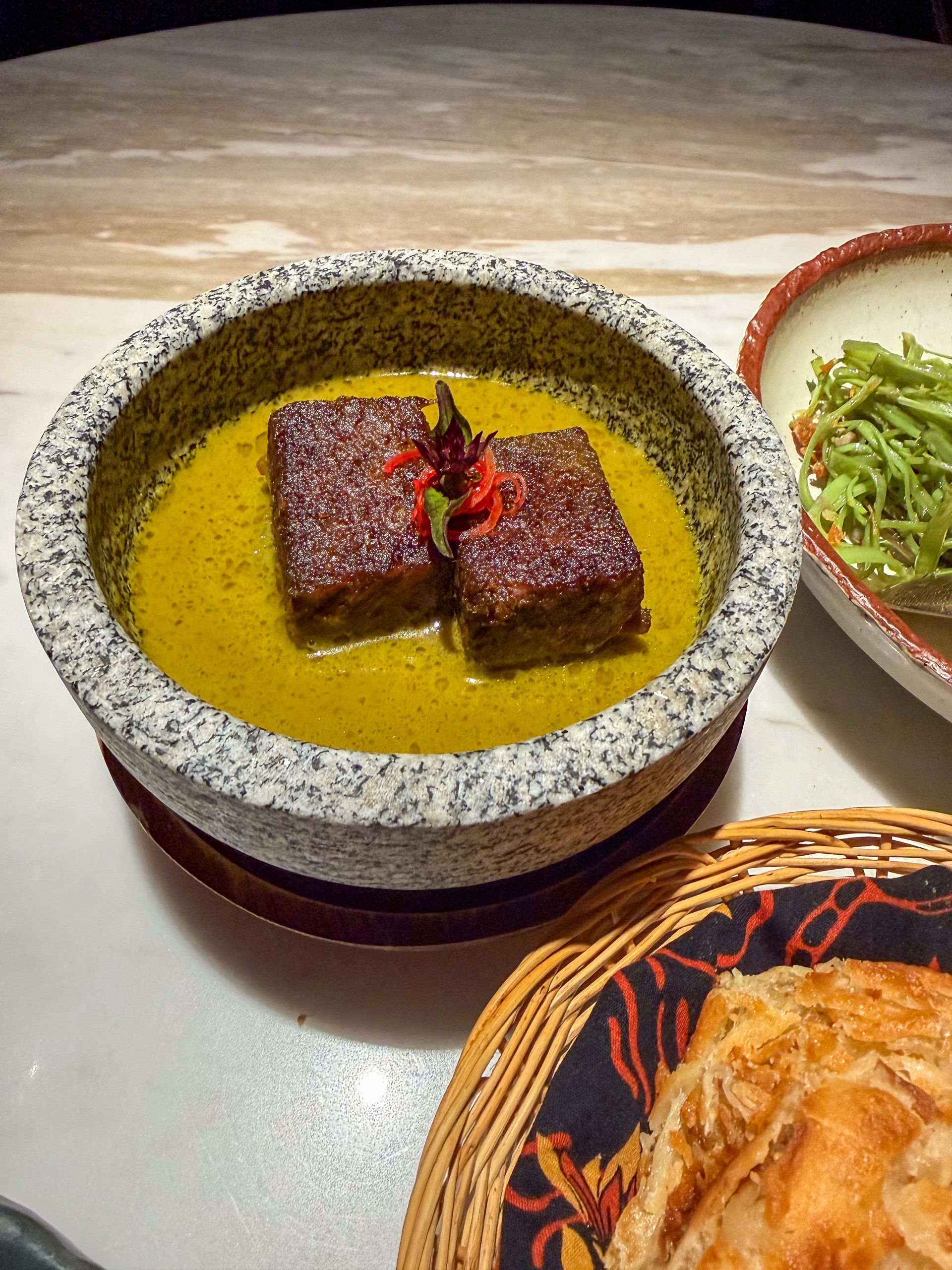
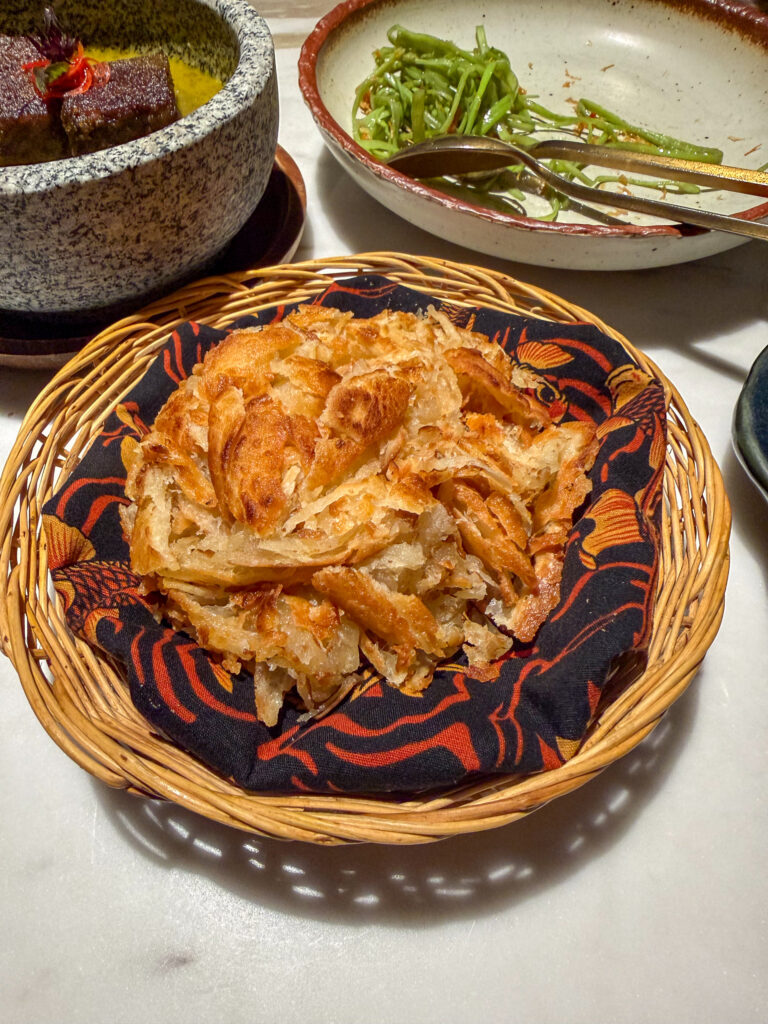
    Torn layers of flaky roti in a cloth-lined basket beside a curry and a bowl of greens
    Roti beside a curry. The green curry is the one to save room for.figcaption>

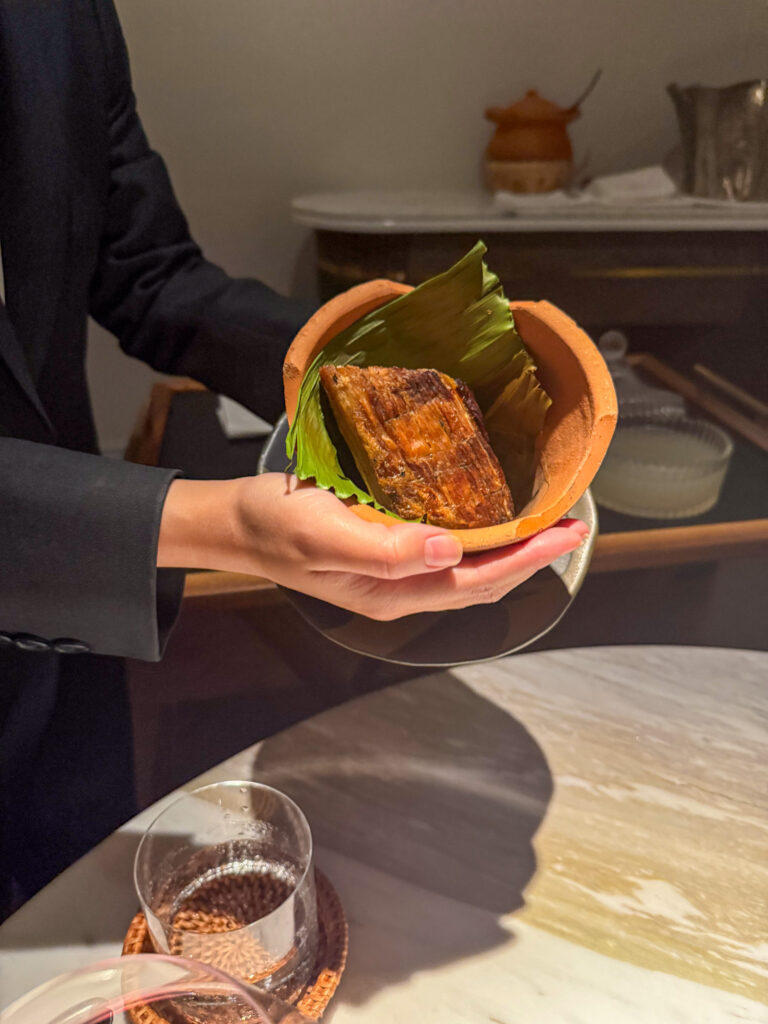
    The rice is the centre of gravity here, not a side dish: southern jasmine from Nakhon Si Thammarat, cooked in a clay pot over charcoal, and good enough that it is the thing you will still be thinking about a week later. Everything alongside is built to be eaten with it, which is why the middle of the meal looks less like fine dining than the opening did. That is deliberate. The fine-dining format is borrowed from the West, as Jongsiri has put it, and it is not who this kitchen is.

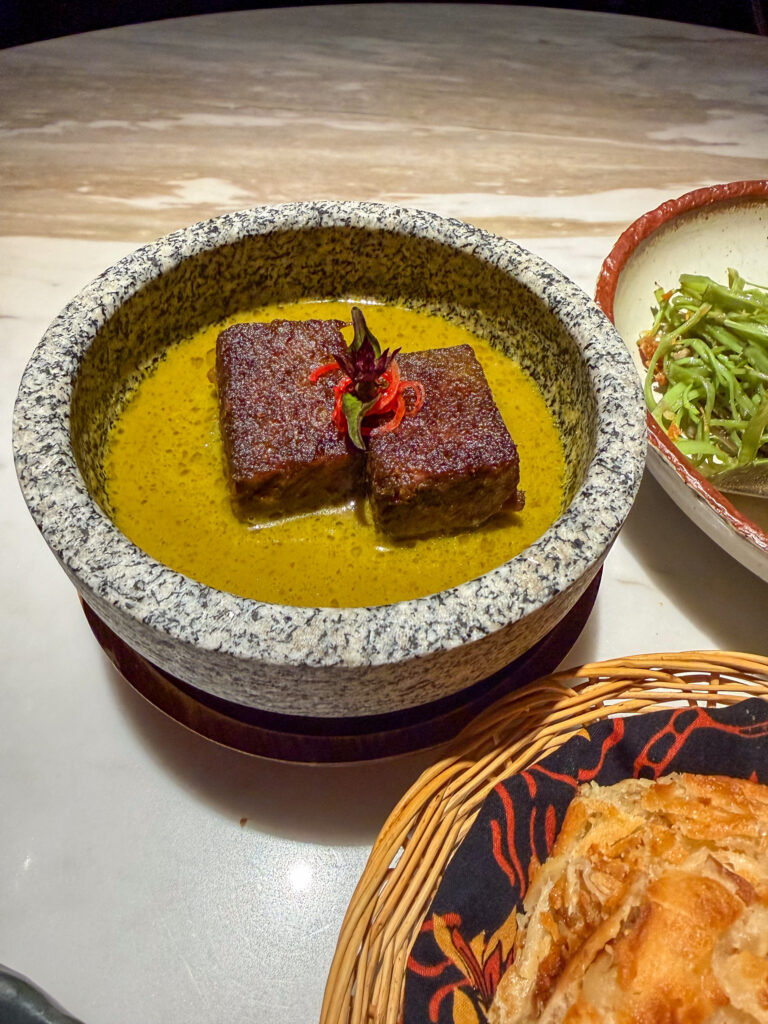
    Two blocks of dark braised meat in a yellow curry served in a granite mortar, a basket of roti alongside
    Braised meat in a yellow curry, served in a granite mortar. Every chilli paste in the house is pounded by hand.

    “I focus on food that complements rice, not courses,” the chef has said.

    You pay in full weeks before you eat. The only thing left to chance is the table.

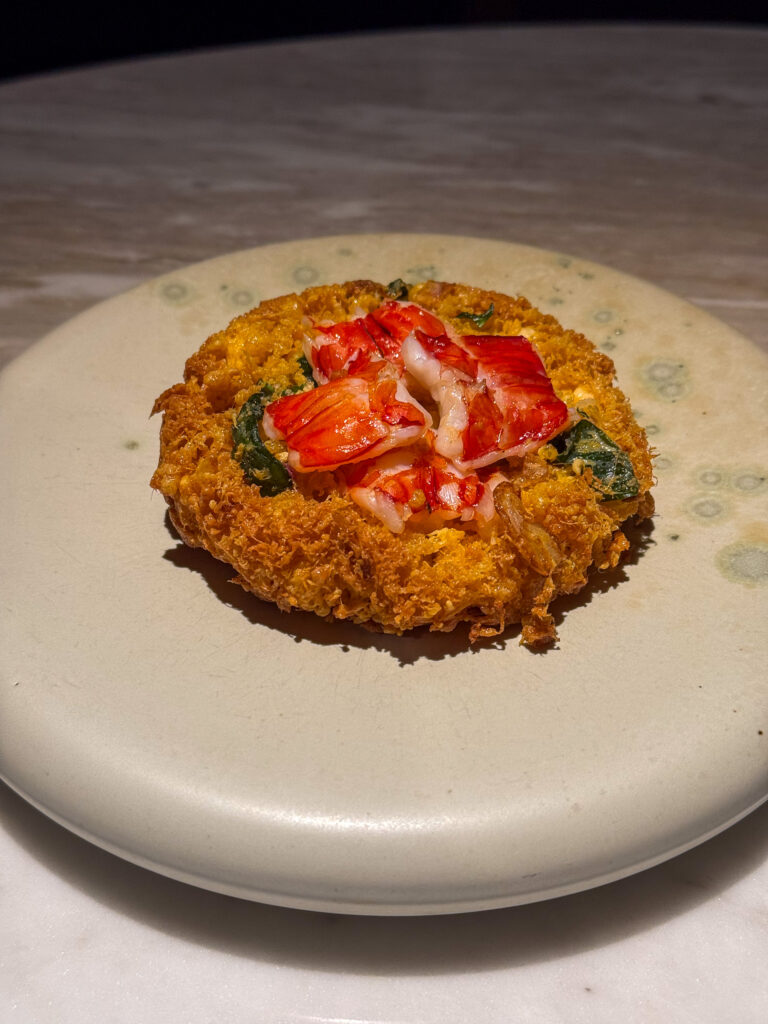
    A crisp golden omelette ringed around chunks of lobster meat and greens on a pale ceramic plate
    A crisp golden omelette built around shellfish and greens, from the family-style half of the meal.

    Spice is the one variable you control. The kitchen asks about allergies and heat before service and will set it per person, anywhere from full southern to mild. Two things are worth knowing. The curries are made in batch and cannot be turned down, and they are the hottest things on the menu. And mild here is still, by most standards, hot.

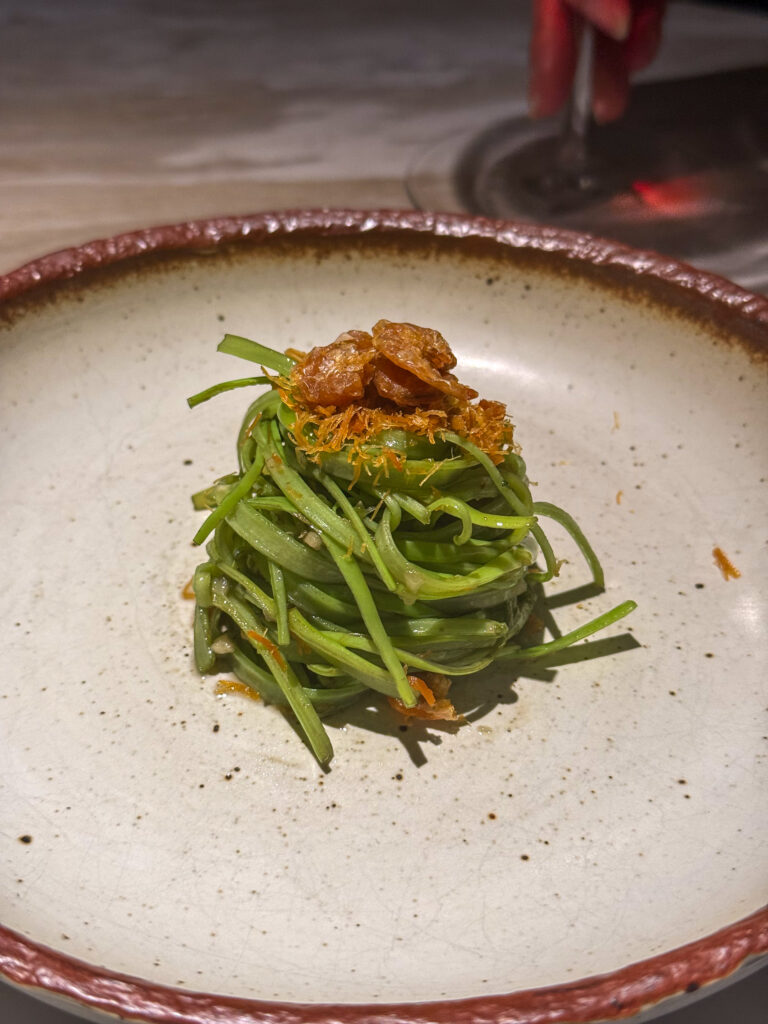
    A tangle of stir-fried morning glory crowned with crisp fried garlic and shallots in a rustic bowl
    Stir-fried morning glory under crisp fried garlic and shallots. By now the plates are shared.

    The last act

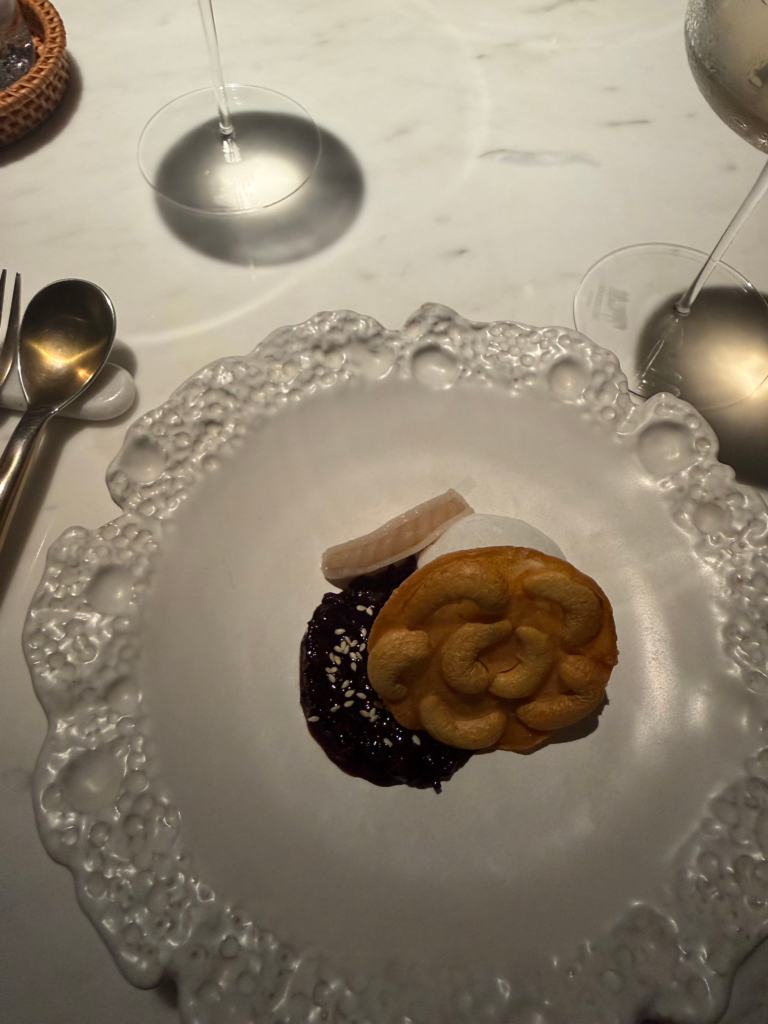
    A dessert of black sticky rice with sesame, coconut ice cream and a cashew-studded wafer on a textured white plate
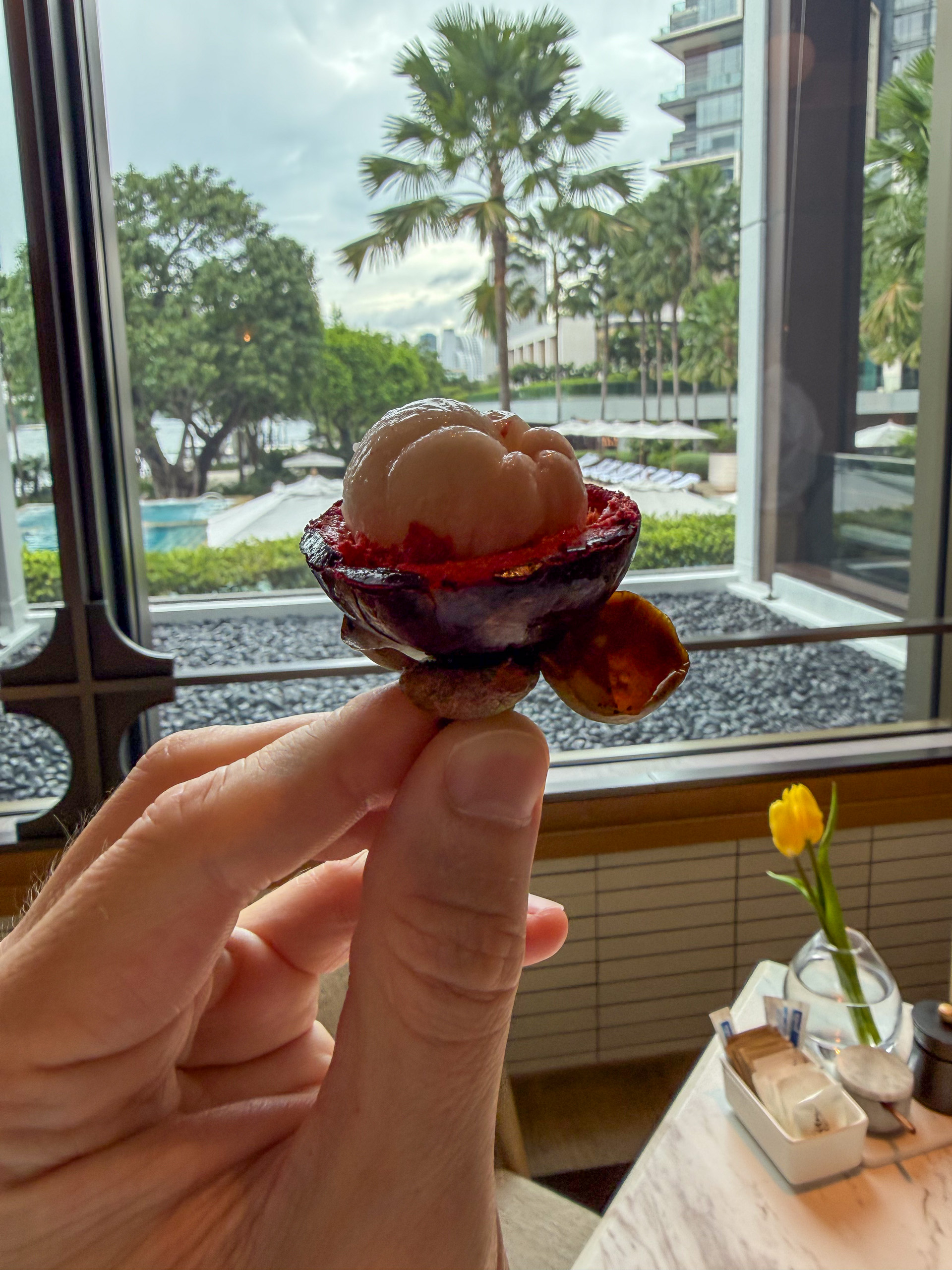
    Black sticky rice with sesame, coconut ice cream and a cashew wafer – the dessert Thai kitchens call bee koh moy.

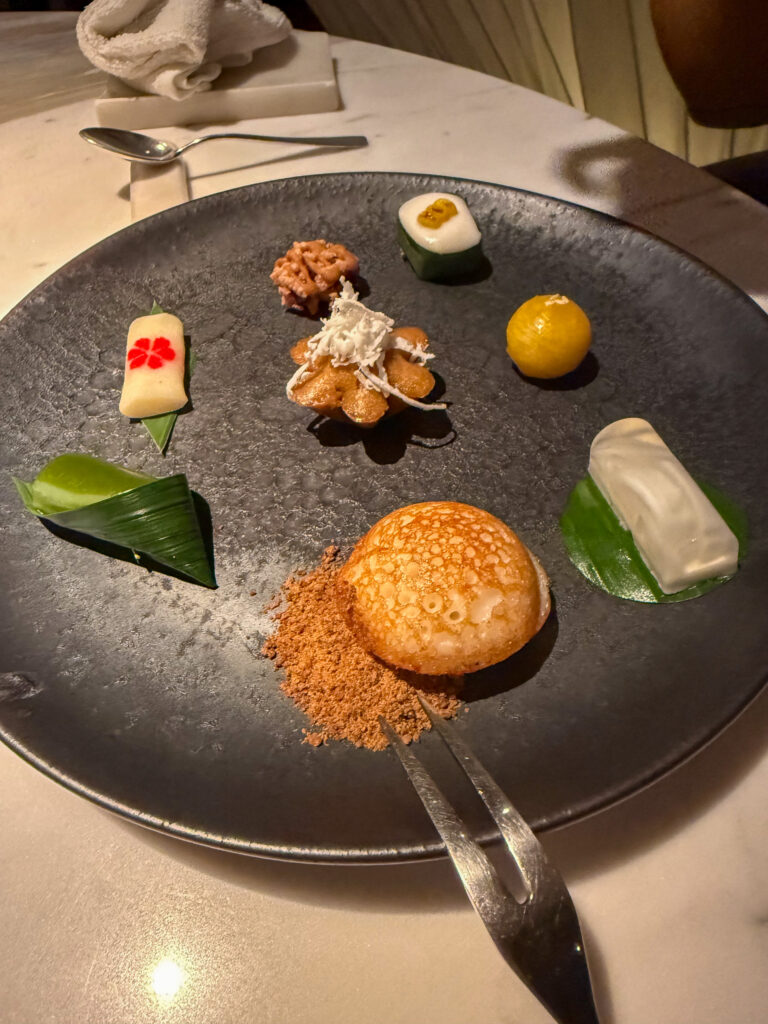
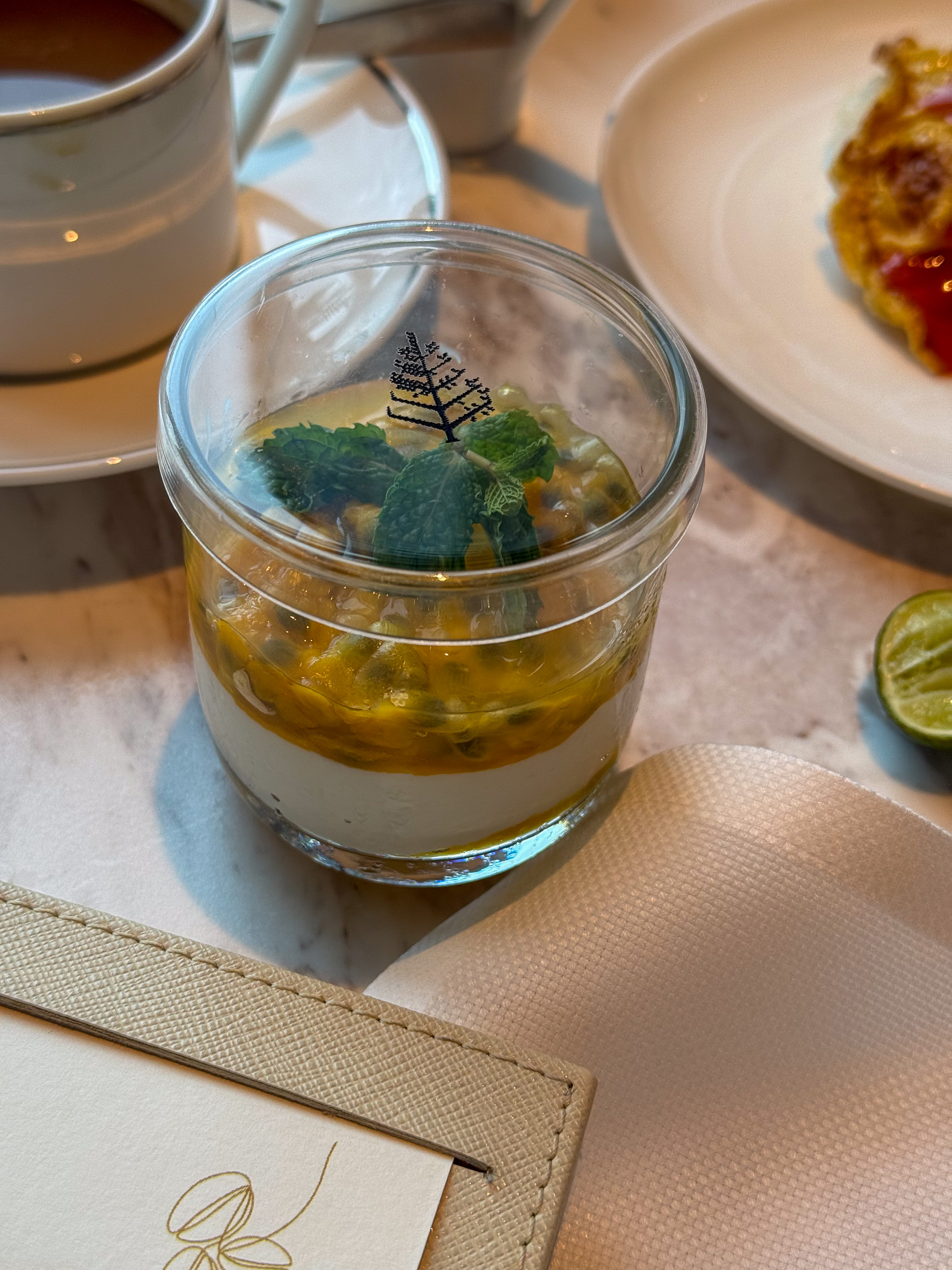
    Desserts run through coconut, black rice, sago and fruit, and then a trolley arrives carrying more than anyone can reasonably eat – eight or so kinds of petit four, and no expectation that you stop at one.

    Seven Thai petits fours arranged on a dark slate plate, a coconut crisp sitting on a heap of palm sugar
    Seven petits fours on slate, a coconut crisp balanced on a heap of palm sugar. The trolley does not ration.
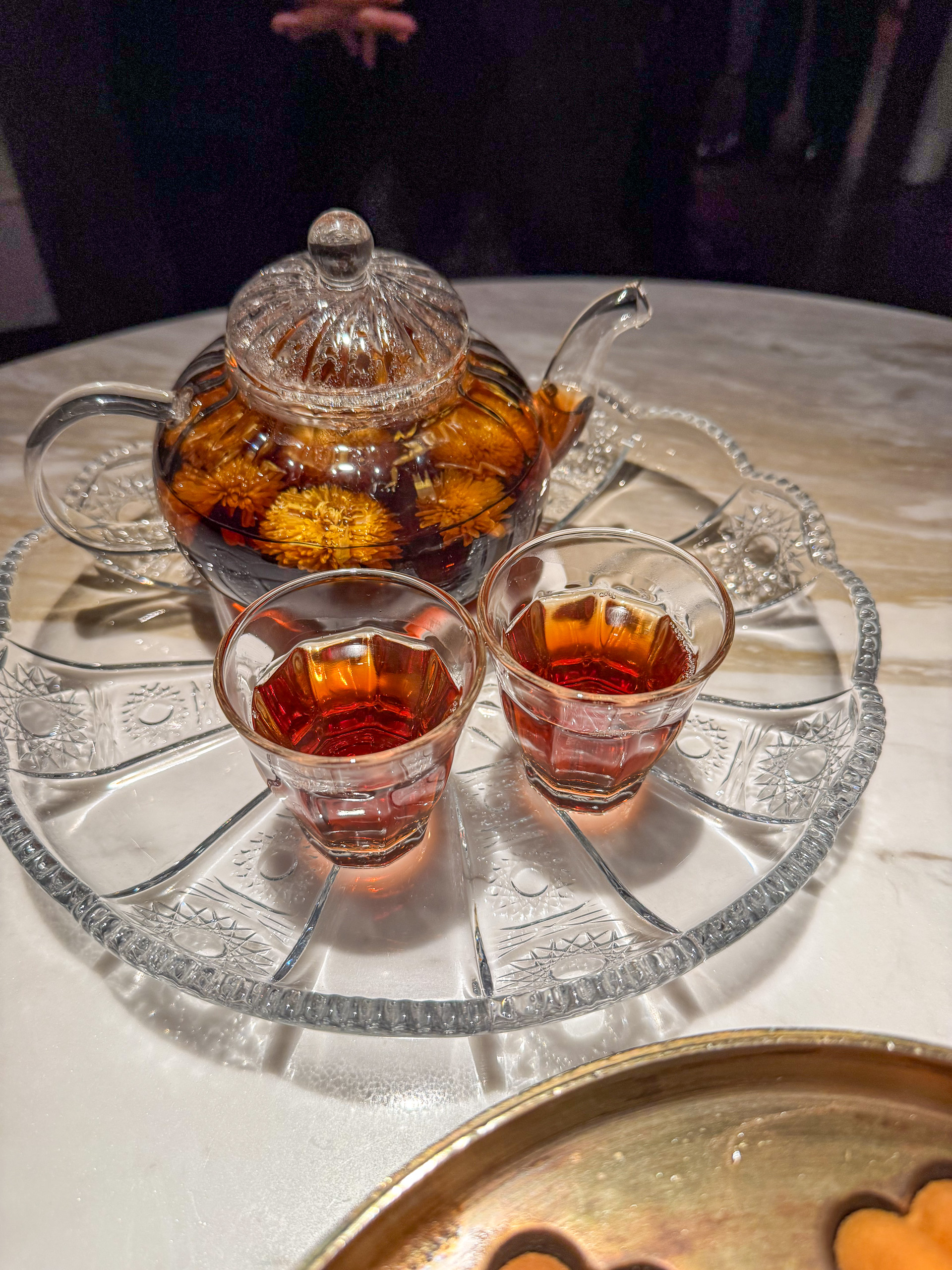
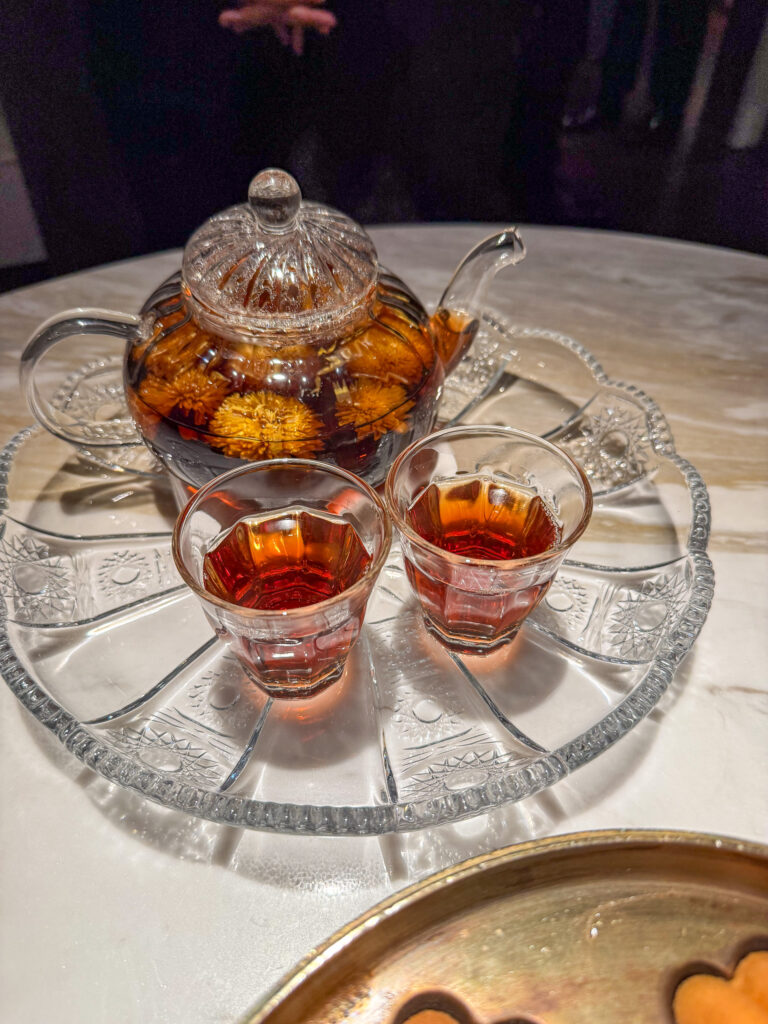
    A glass teapot of flowering chrysanthemum tea and two amber-filled cups on an etched glass tray
    Flowering chrysanthemum tea to close, poured at the table.

    Who Sorn cannot feed

    This needs saying plainly, because the money is gone before you find out. Sorn’s booking terms state there is no vegetarian or vegan menu: the kitchen is “unable to cater to guests who do not consume meat.” It cannot accommodate any degree of shellfish allergy – “even if limited to a single variety” – nor guests who simply do not eat shellfish. And it names eight core ingredients it will not substitute for allergy or intolerance: coriander root, onion, garlic, peppercorns, shrimp paste, coconut, chilli and fish sauce. It is published on the same page that takes your card.

    The counter-argument

    Whatever there is to hold against Sorn is almost never about the food. It is about getting in, and about where you sit once you have.

    The second one is real. There is a table upstairs in a corner between three walls, facing the dumbwaiter, beside the door to the restrooms. Draw it and you will spend the evening watching the service traffic and the queue for the lavatory. At over nine thousand baht a head, paid weeks in advance, that is a great deal to leave to a draw – and it is the strongest argument there is for booking a four-top.

    The pace is quick, and it is deliberate rather than careless: a lot of these dishes are temperature-critical and are meant to reach you fast. The descriptions come just as quickly, and if you want to hear one twice you may find yourself pointed at the printed menu instead. You will also be too full well before the trolley. And ask what the water costs – it is not cheap, and the price is published nowhere.

    What it costs

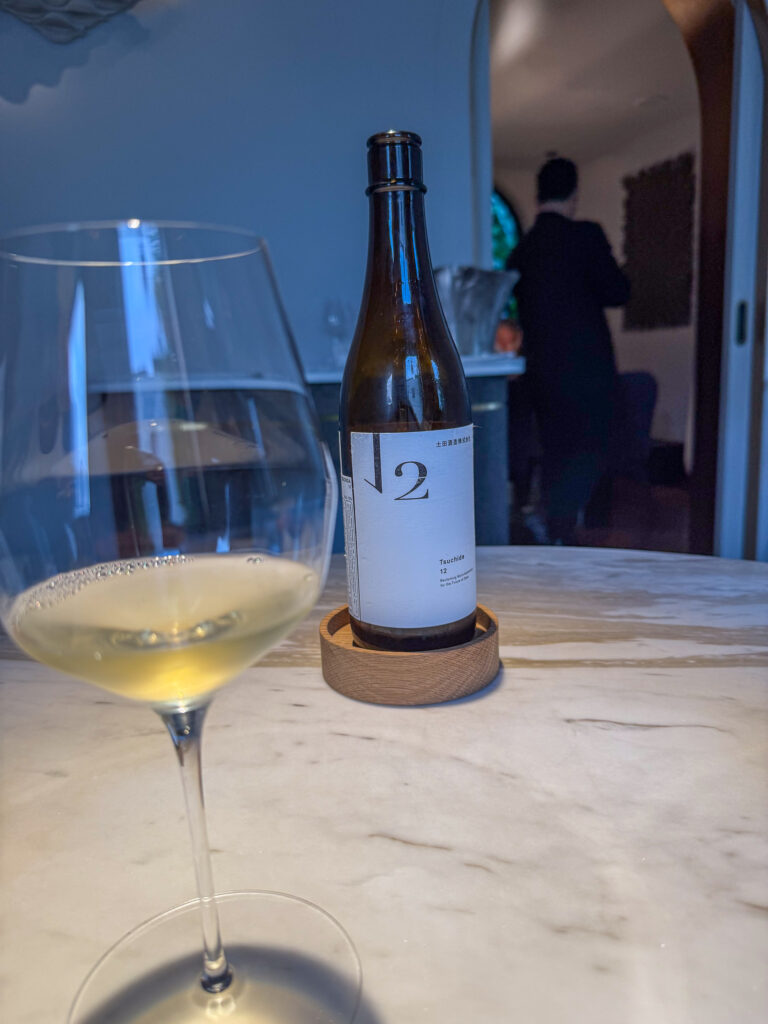
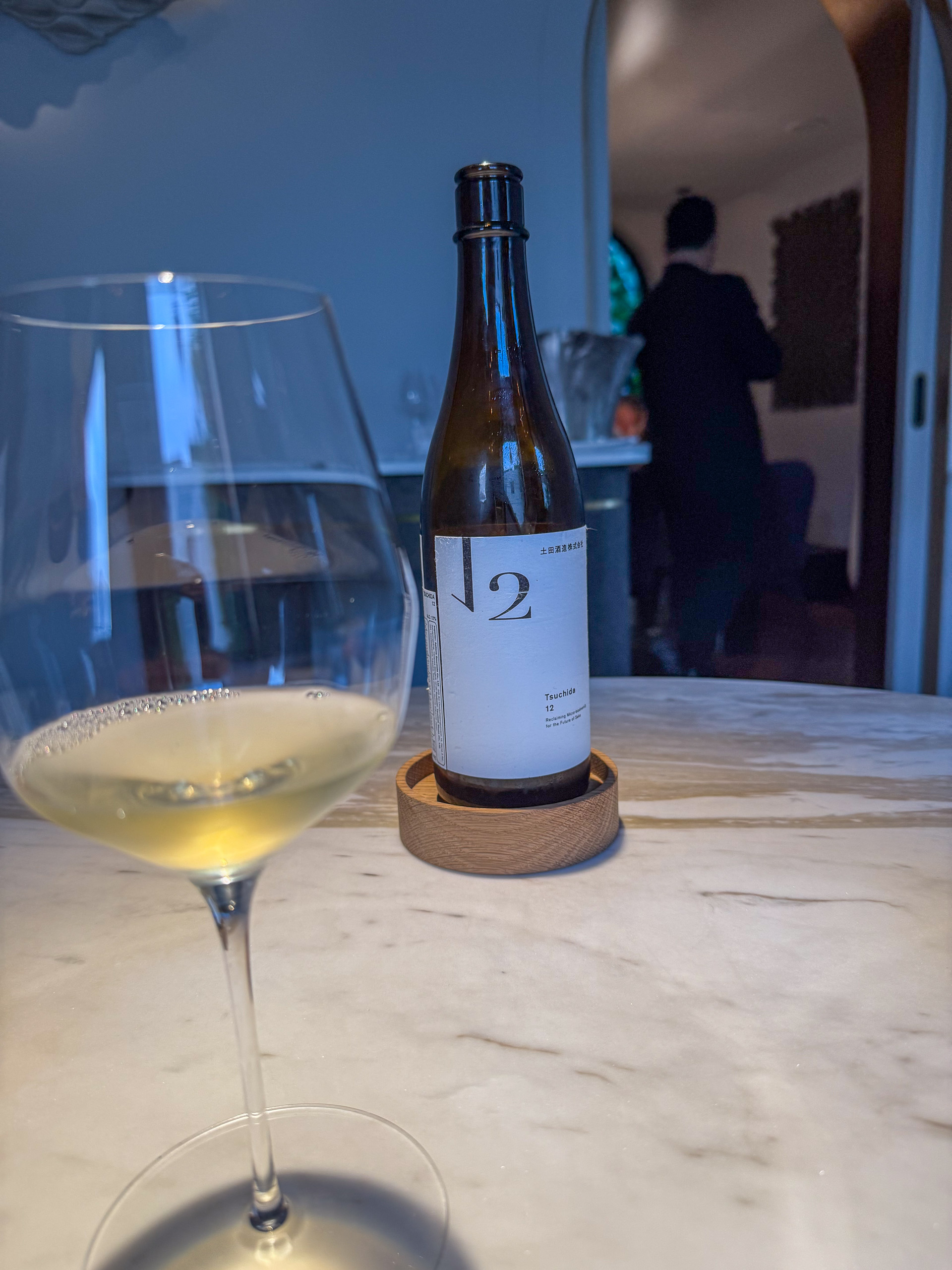
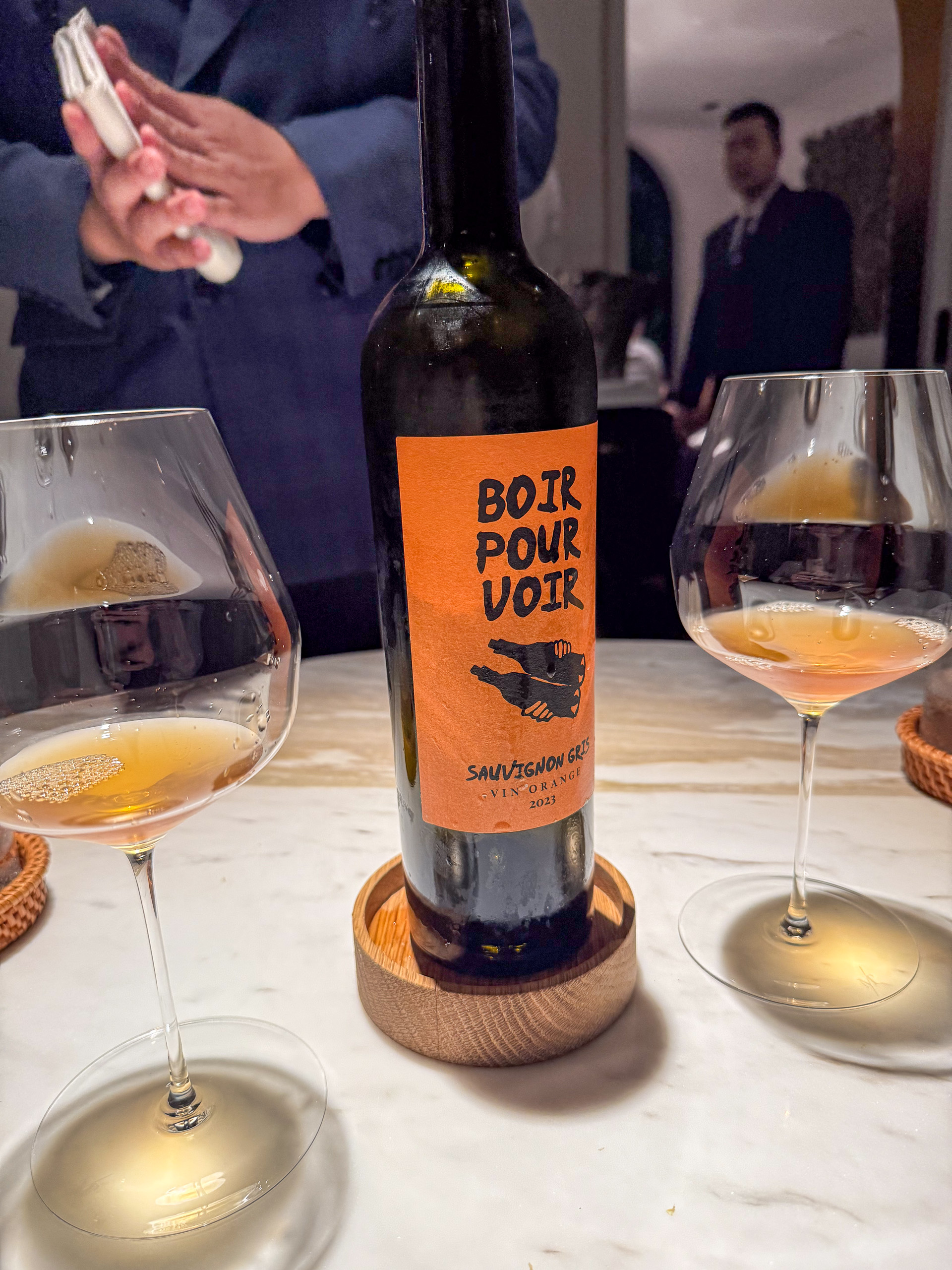
    The restaurant publishes one fixed price per person on its own booking page; service and VAT are added on top. It has roughly tripled in the eight years since opening. Drinks are separate, and the prepaid credit does not touch them. There are two wine pairings, six glasses and nine, and the shorter one is not all wine. Corkage is one for one: every bottle you bring means buying one from the list.

    Know before you go

    The house is down Soi Sukhumvit 26, fifteen minutes on foot from BTS Phrom Phong. On-site parking is very limited, but there is a complimentary shuttle from the Four Wings Hotel car park in the same lane, where parking is charged by the hour. Allow far more time than the map suggests; the thirty-minute forfeit is real.

    There is no published dress code; smart and unfussy is right. Bring a layer, because the room runs cold. Answer the spice question honestly when it comes. Budget three hours. And if this meal is going to shape the trip, book it before you book the flights.

    Two things Sorn does not publish: which days it opens, and what its hours are. What you will find online contradicts itself. One phone call settles it, and it is worth making before you build a day around it.

    Don’t miss

    If you only do five things:

    • Set two alarms: the 15th for email, noon on the 25th for the online release
    • Book for four rather than two – there are more tables that size
    • Answer the spice question truthfully when the chef asks
    • Read the supplier board on the wall before you sit down
    • Leave room for the petit-four trolley

    The Sorn gallery

    Every photo on this site is my own, shot on the night. Slide through →

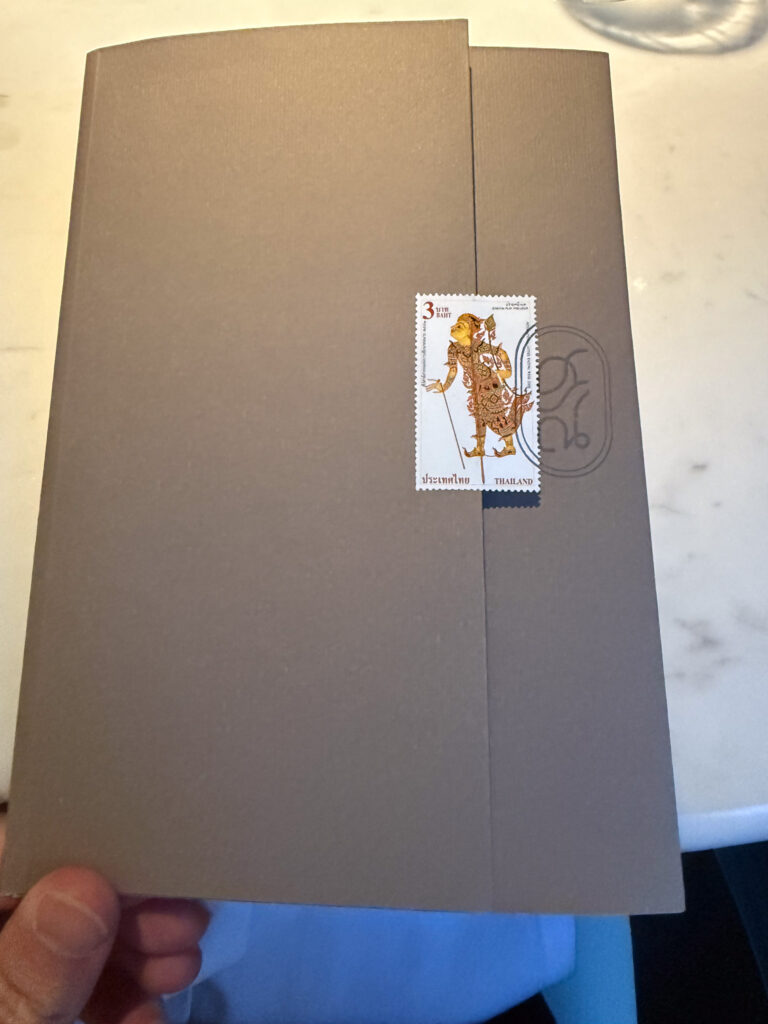
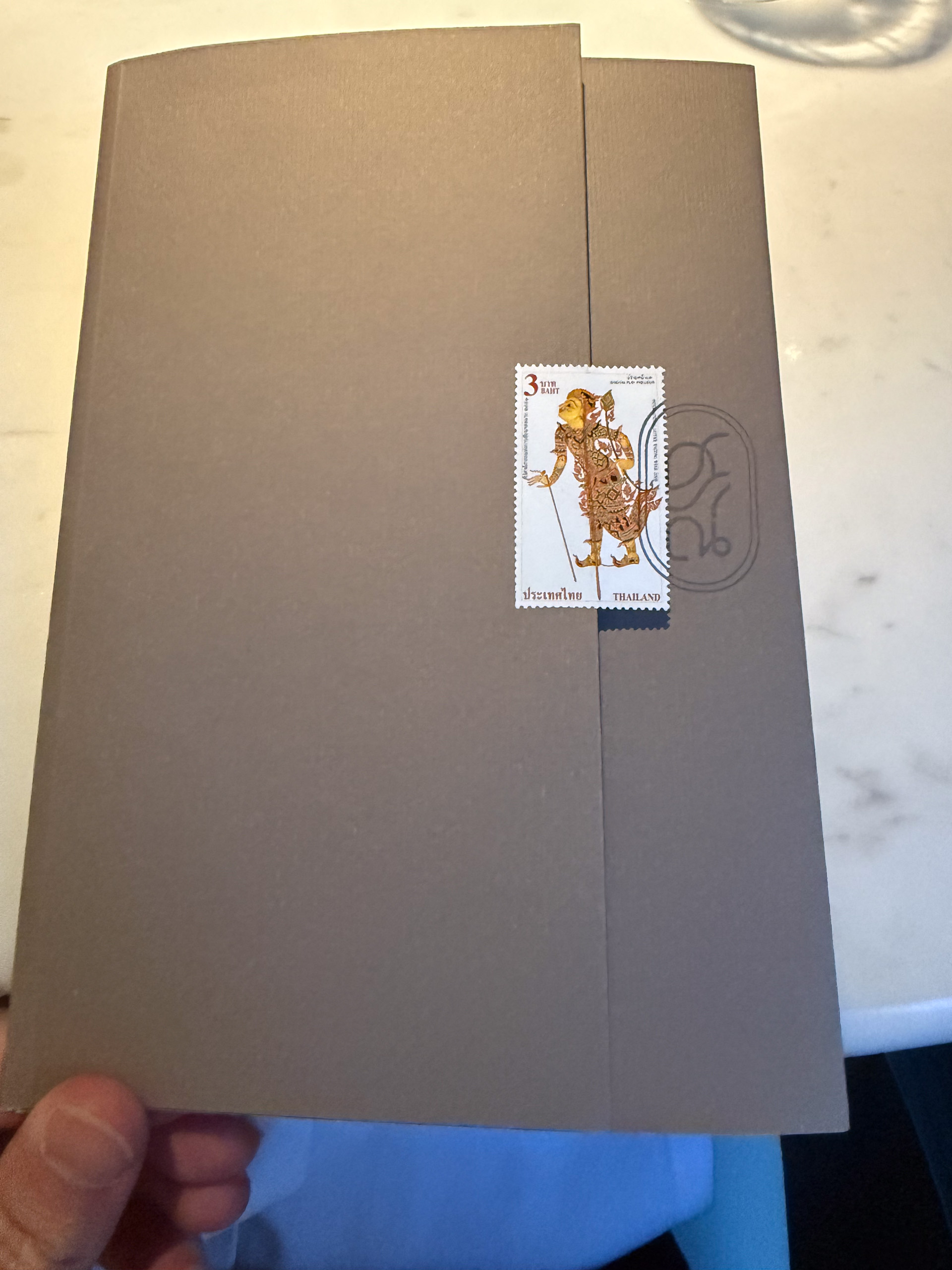
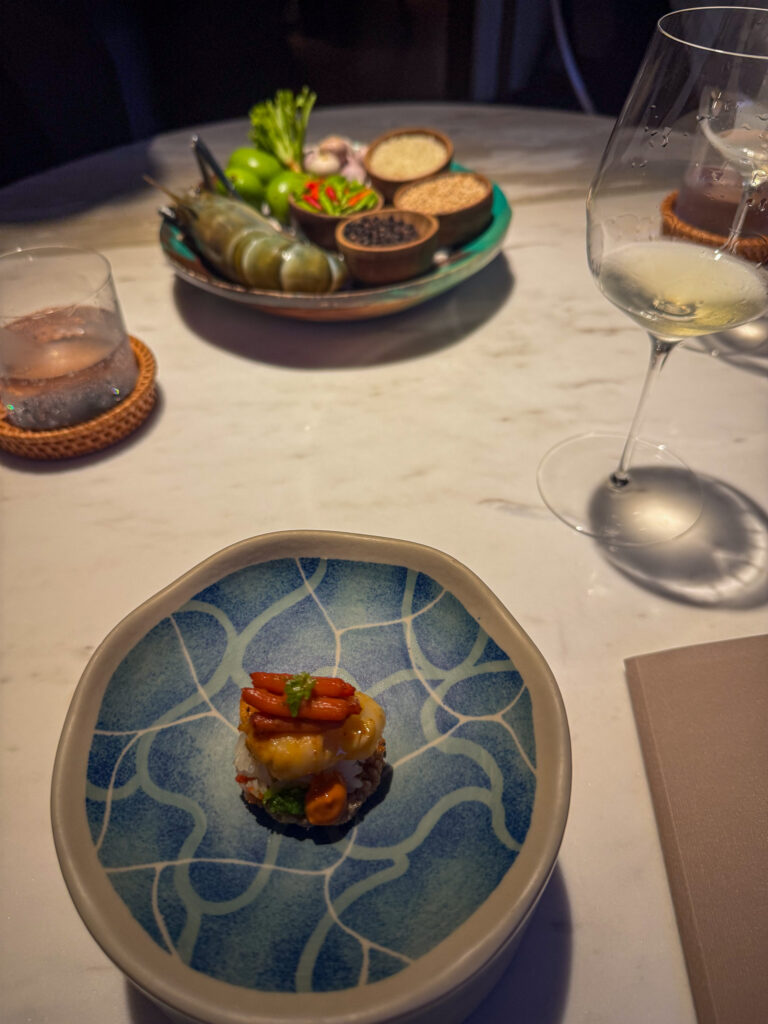
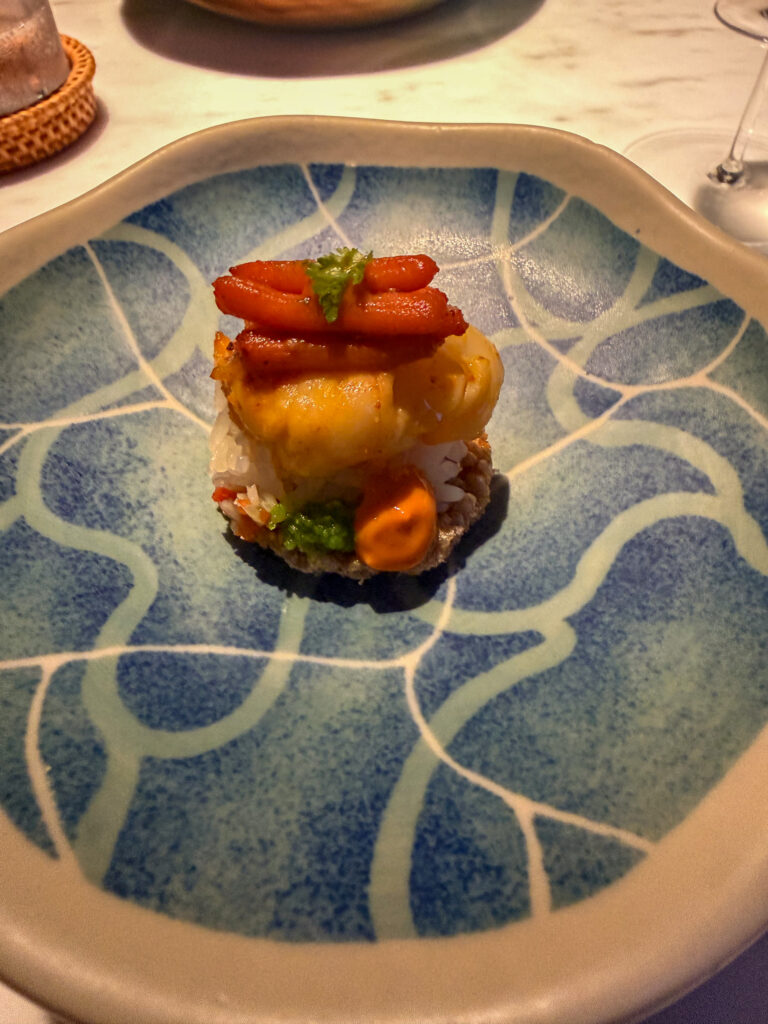
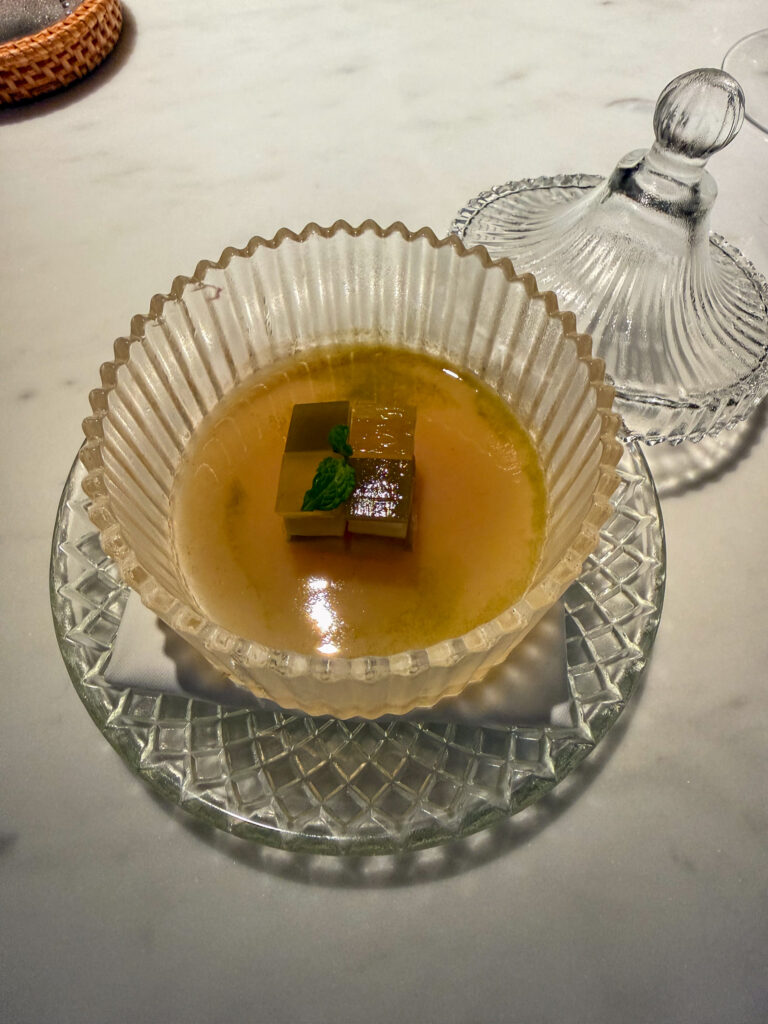
    The closed menu, a grey card folder sealed with a Thai postage stamp, held above the marble tableA ceramic tray of raw ingredients: a whole river prawn, green mangoes, garlic, bird's eye chillies, jasmine rice and black and white peppercornsA single bite of jasmine rice topped with shellfish and glazed red strips, on a blue and white glazed plateA clear consomme in a fluted glass bowl, two cubes and a mint leaf at its centre, the glass lid set asideTwo glazed skewers resting on a wire mesh over a small terracotta charcoal potA wooden bowl of raw southern Thai produce: winged beans, cucumbers, baby corn, betel leaves, torch ginger flower, fresh turmeric, pomelo and green mangoesA small herb and pomelo salad heaped on a speckled blue plate, the bowl of raw produce behind itA terracotta pot of steaming jasmine rice set in a woven basket on the marble tableA crisp golden omelette ringed around chunks of lobster meat and greens on a pale ceramic plateTorn layers of flaky roti in a cloth-lined basket beside a curry and a bowl of greensTwo blocks of dark braised meat in a yellow curry served in a granite mortar, a basket of roti alongsideA dessert of black sticky rice with sesame, coconut ice cream and a cashew-studded wafer on a textured white plateA whole mangosteen dessert on a glazed plate in front of a Thai tin of canned mangosteenA glass teapot of flowering chrysanthemum tea and two amber-filled cups on an etched glass traySeven Thai petits fours arranged on a dark slate plate, a coconut crisp sitting on a heap of palm sugar
  • Capella or Four Seasons: the two hotels that share a driveway in Bangkok

    CHAO PHRAYA ESTATE · CAPELLA vs. FOUR SEASONS · 12 MIN READ

    Capella or Four Seasons: the two hotels that share a driveway in Bangkok

    Same owner, same riverbank, three minutes apart on foot. I stayed at both and the answer is not the one the awards lists give you.

    By J.C. Mercer

    At a glance

    • Estate Chao Phraya Estate, Charoen Krung, Bangkok
    • The matchup Capella Bangkok vs. Four Seasons Bangkok
    • Capella in a line 101 rooms, every one on the river, quiet
    • Four Seasons in a line 299 rooms, three pools, urban resort

    Every stay on this site is paid for in full and booked the way any other guest would book it.

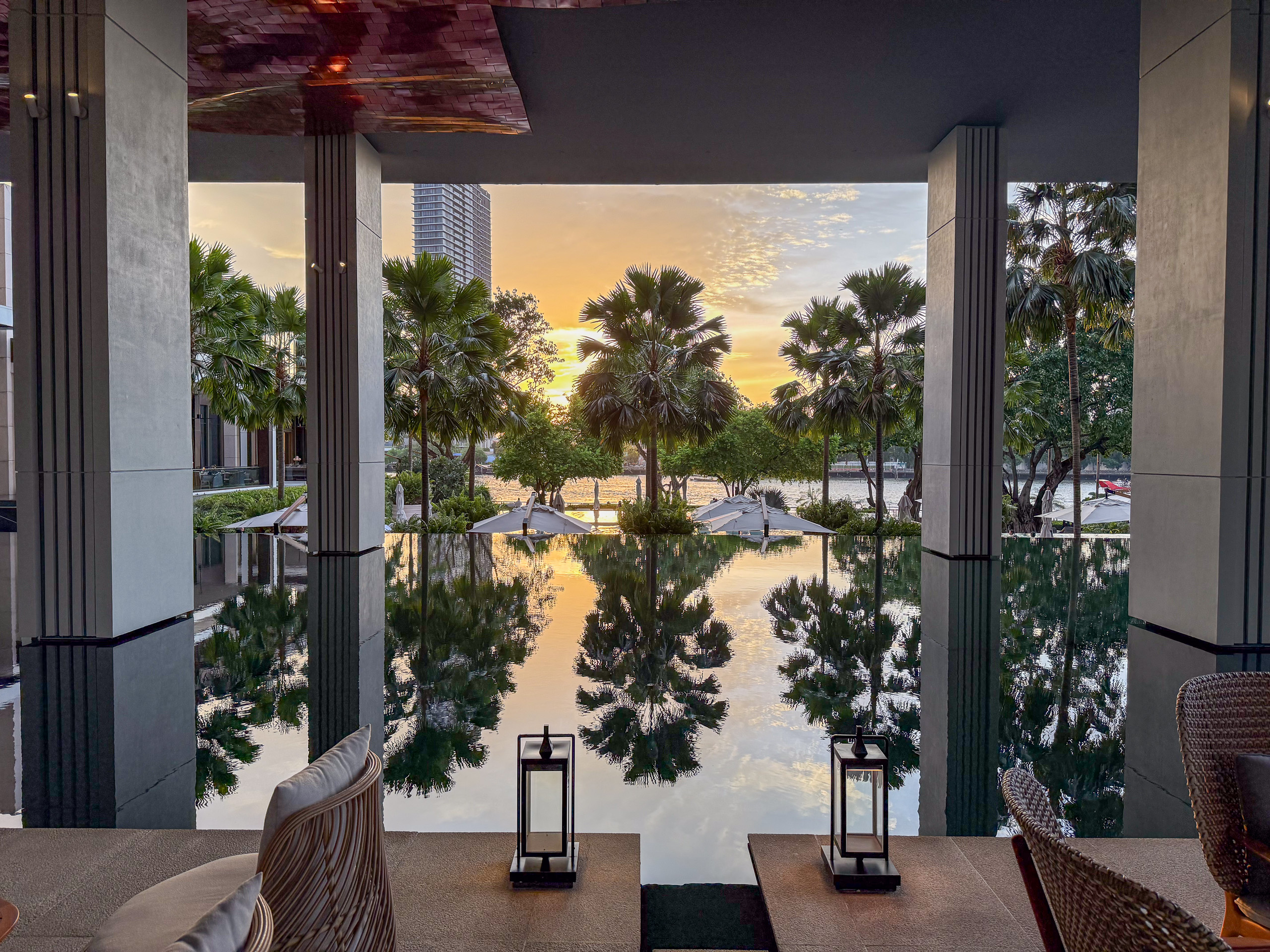
    The Chao Phraya Estate covers fourteen acres on the east bank of the river, and the same company built both hotels on it. They share a driveway. They share a river shuttle. You can walk from one lobby to the other in about three minutes, past a security post that waves you through without asking which guest you are.

    In 2025 the World’s 50 Best Hotels list put Four Seasons Bangkok at number two and Capella Bangkok at number three.

    They are both right. The disagreement tells you more than the ranking does.

    I slept here

    Capella Bangkok

    • Nights 2
    • Stayed May 2026
    • Room booked Riverfront Premier, king, 7th floor
    • How it was booked Amex Fine Hotels + Resorts, public rate
    • Rate band $$$$Check current rates

    Four Seasons Hotel Bangkok at Chao Phraya River

    • Nights 2
    • Stayed May 2026
    • Room booked Deluxe River-View Room, king
    • How it was booked Amex Fine Hotels + Resorts, public rate
    • Rate band $$$$Check current rates
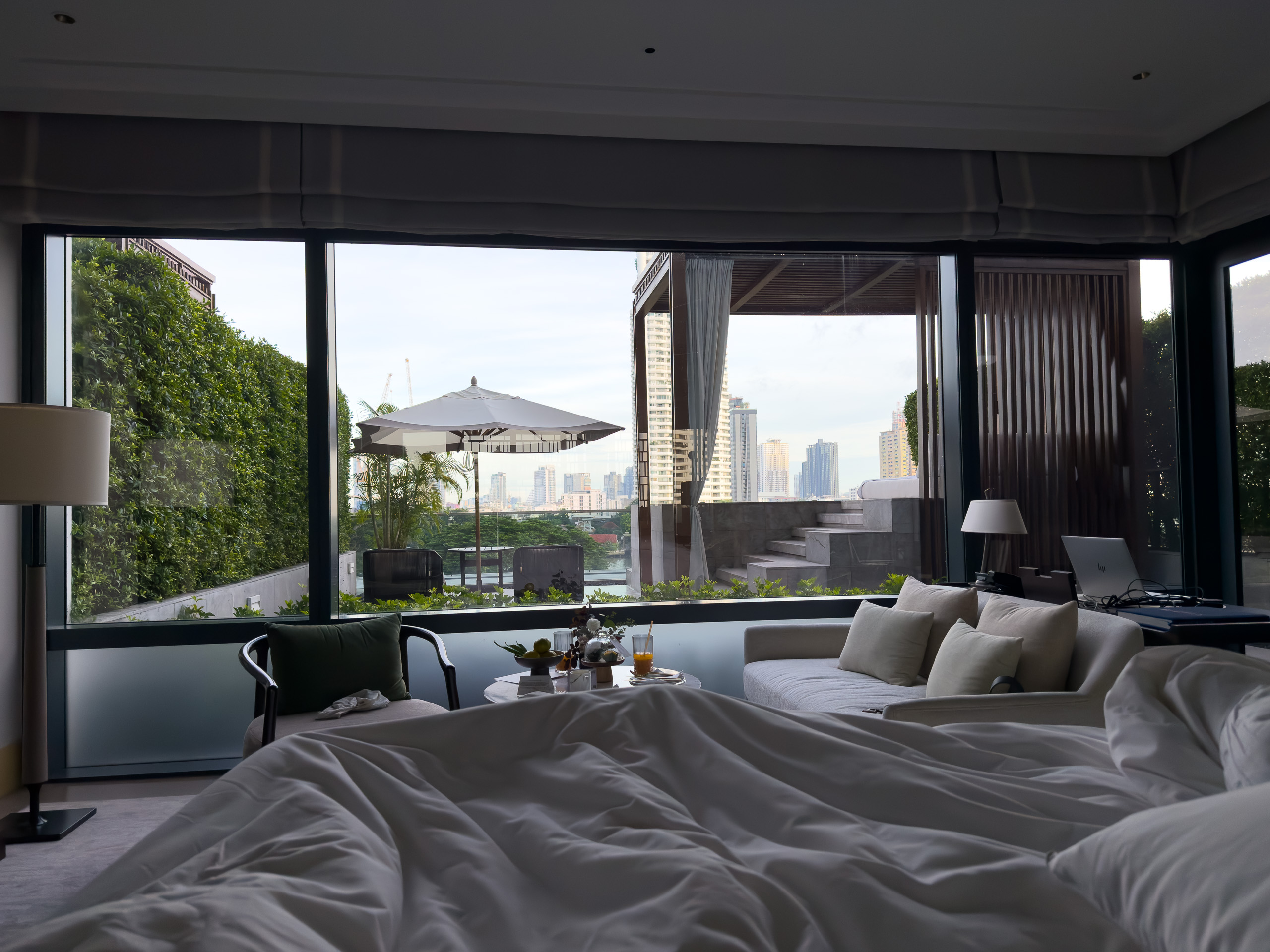
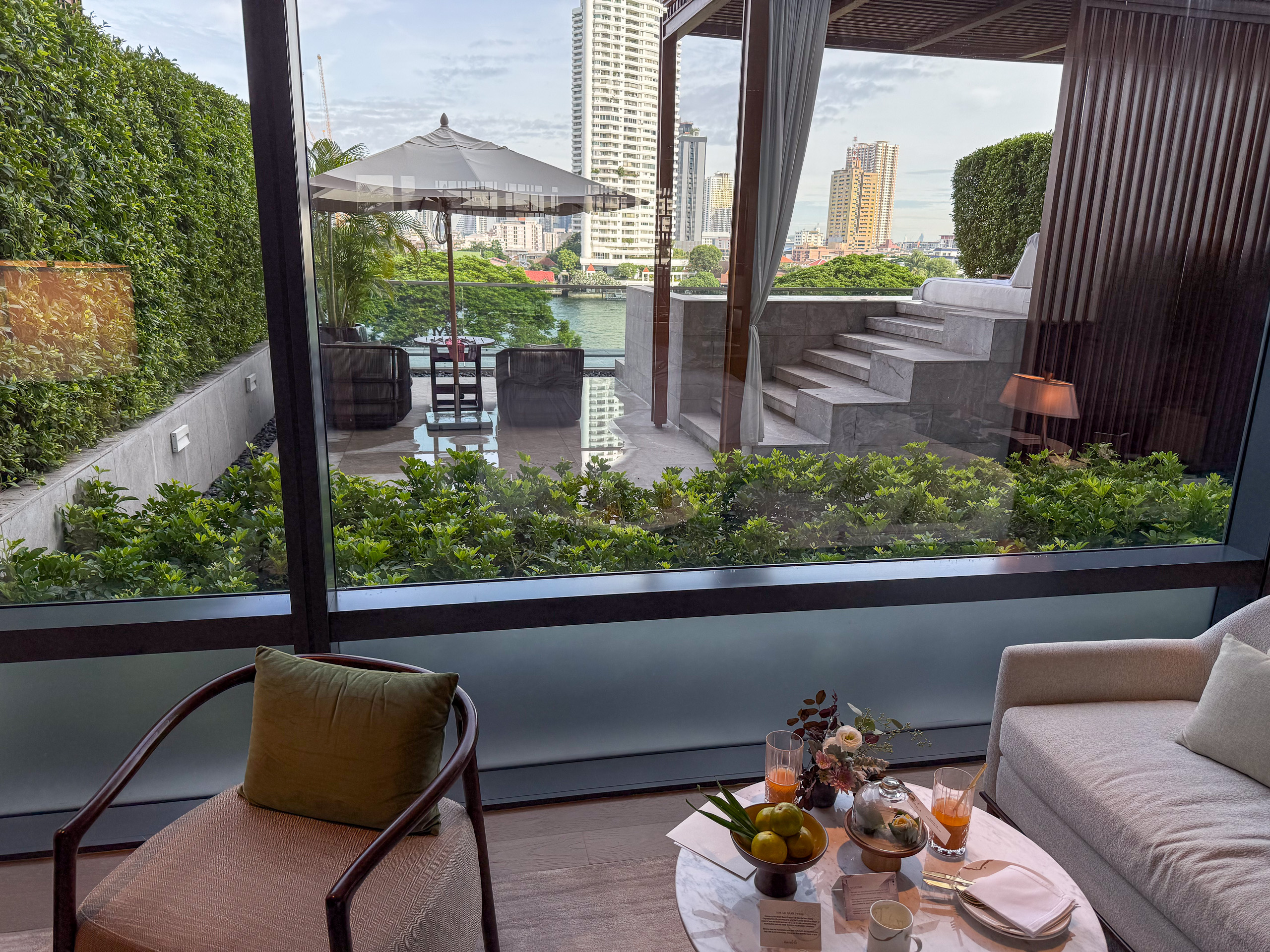
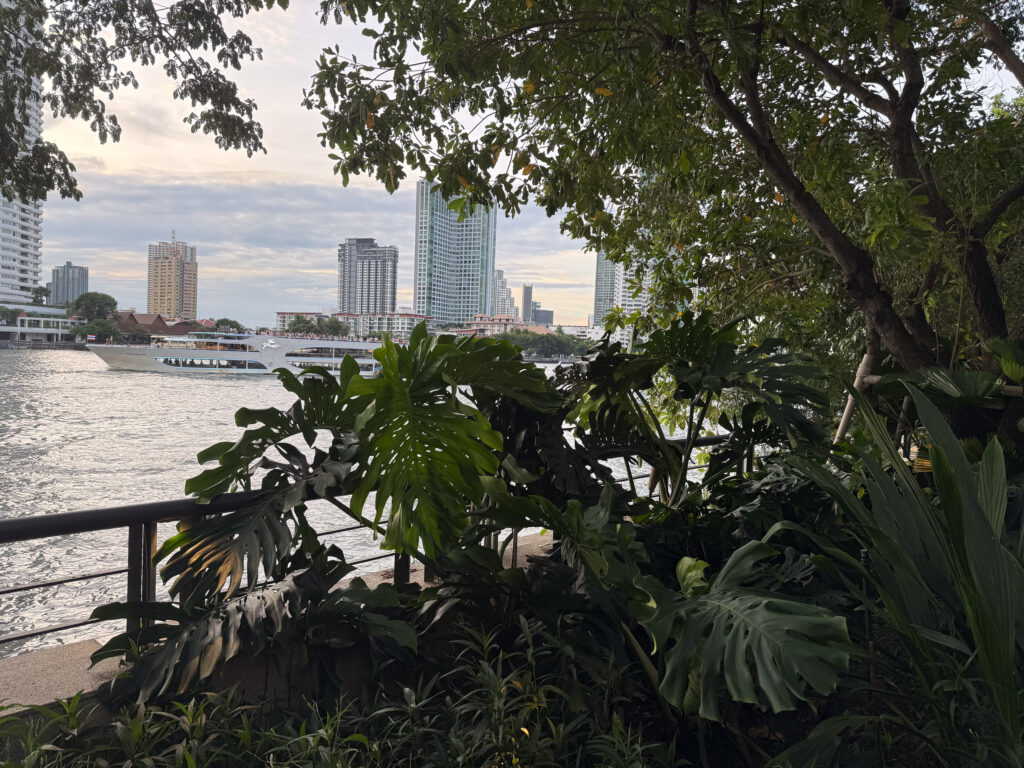
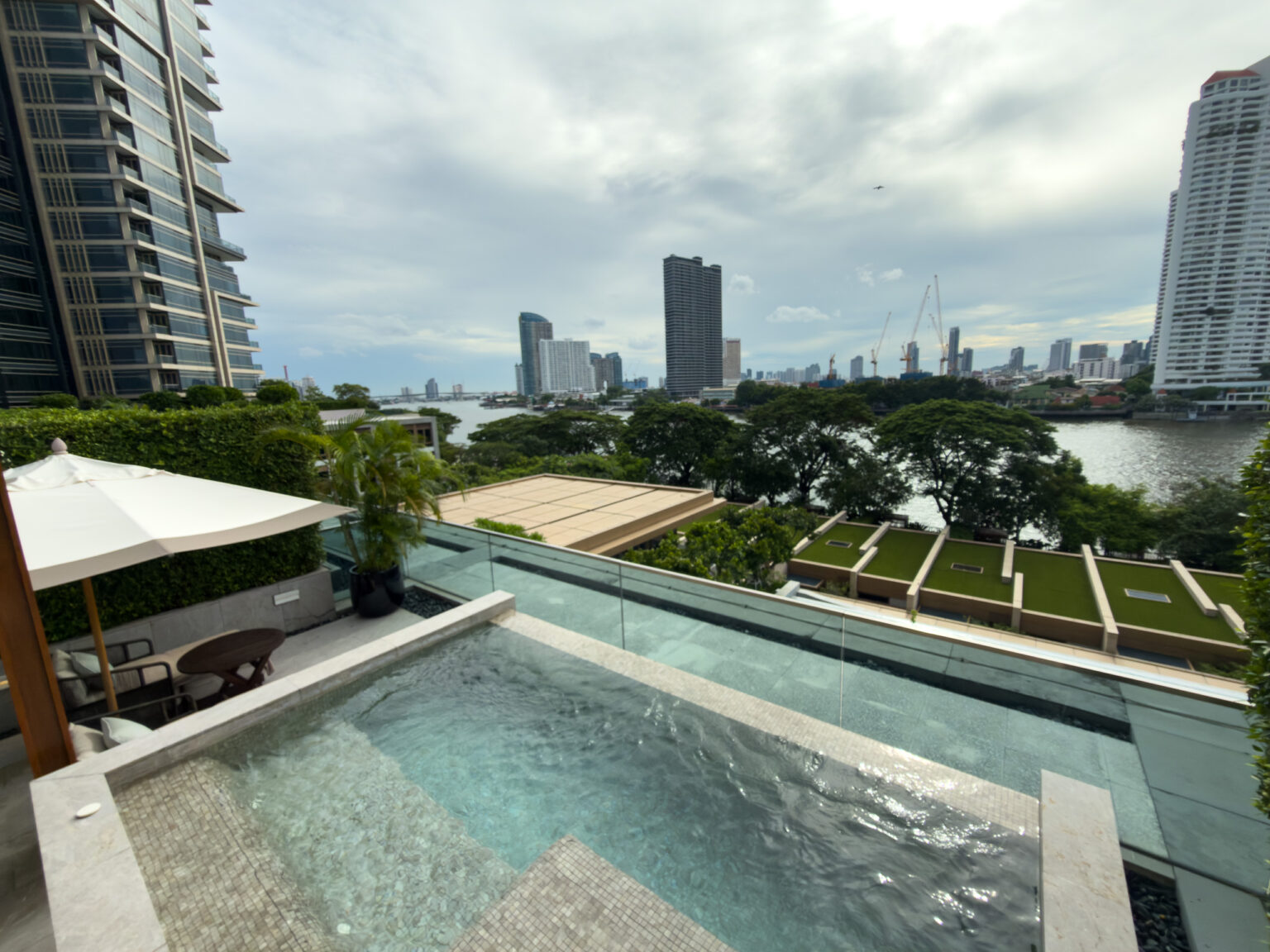
    River view from a Capella balcony
    The view that comes with every Capella room.

    The short version

    Four Seasons is a resort that happens to sit in a city: the hotel lists 299 rooms, three outdoor pools, six places to eat and drink, a spa across two floors with a Muay Thai ring in it, and enough happening that you can stay four days without leaving the property. Capella lists 101 rooms, low-rise, every one facing the river with a balcony, with a personal assistant assigned to your room and a hush over the whole place.

    Where you actually are

    Both hotels sit on Charoen Krung Road in the stretch Bangkok now calls its creative district, which is the oldest paved road in the city and the most interesting neighbourhood either hotel could have landed in. Galleries, coffee roasters and old shophouses run north toward Chinatown. There are fewer tourist sights here than in Sukhumvit or around the Grand Palace, and that is the point.

    Reaching the estate from Suvarnabhumi takes about forty minutes without traffic and considerably longer with it. Four Seasons runs an airport transfer at roughly THB 5,000 per vehicle each way. Capella arranges a limousine with VIP fast-track through immigration if you ask your Culturist a day ahead. A metered taxi does the same run for a fraction of either, and Bangkok traffic will treat all three equally.

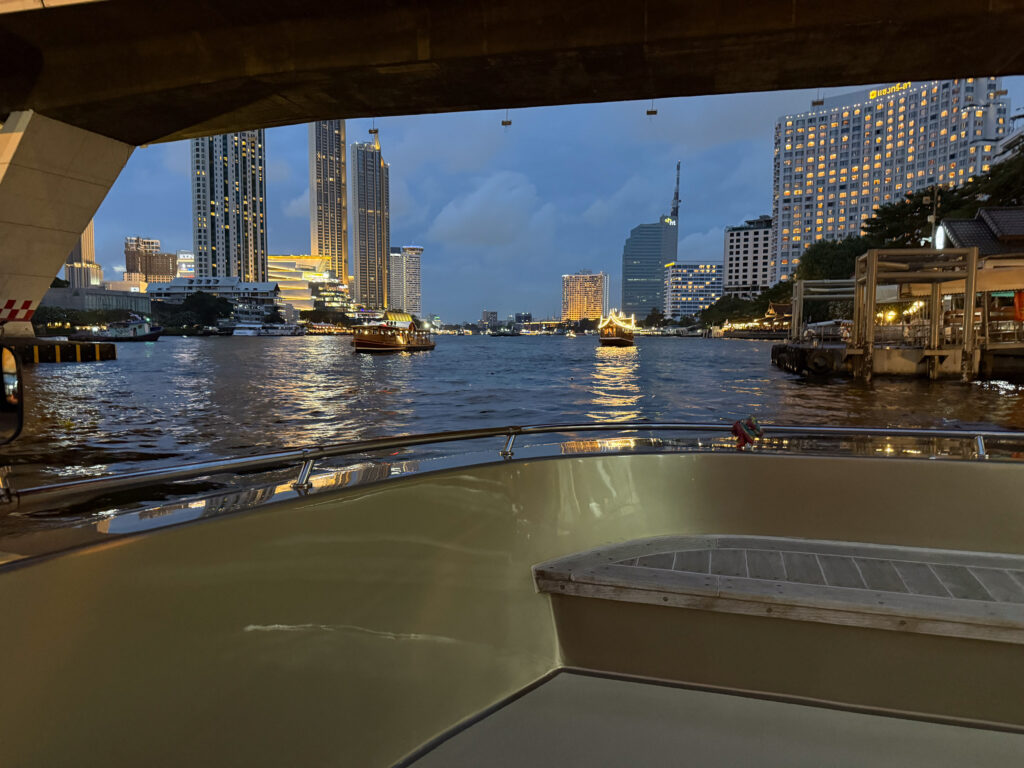
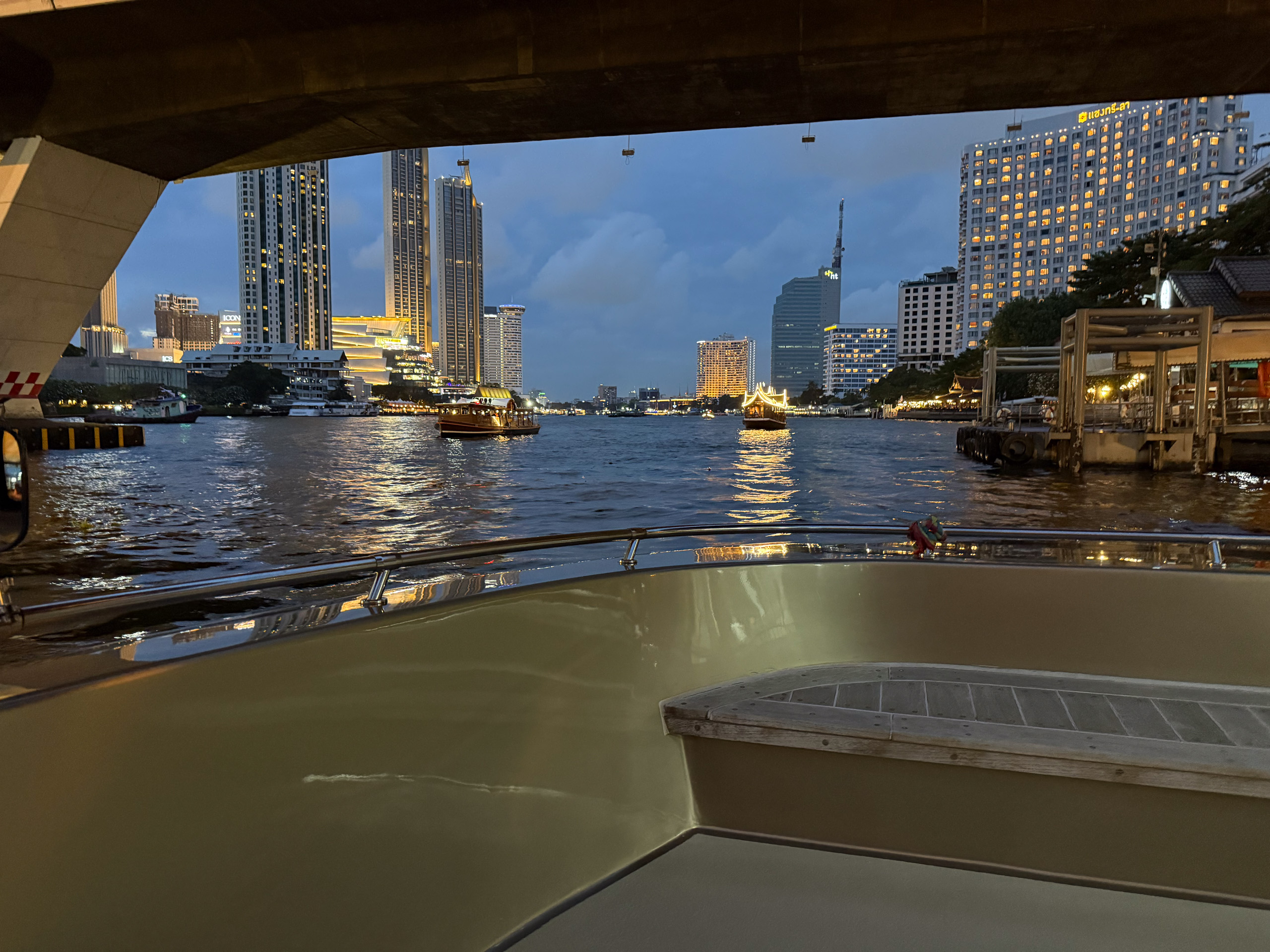
    Once you are on the estate, the shared shuttle boat is the thing to use. It runs to IconSiam, the enormous mall across the water, and to Sathorn pier for the Skytrain, which puts the rest of the city about twenty minutes away without touching a road. Guests of either hotel can board.

    The shared river shuttle on the Chao Phraya
    The shared river shuttle — guests of either hotel can board.

    Arrival and scale

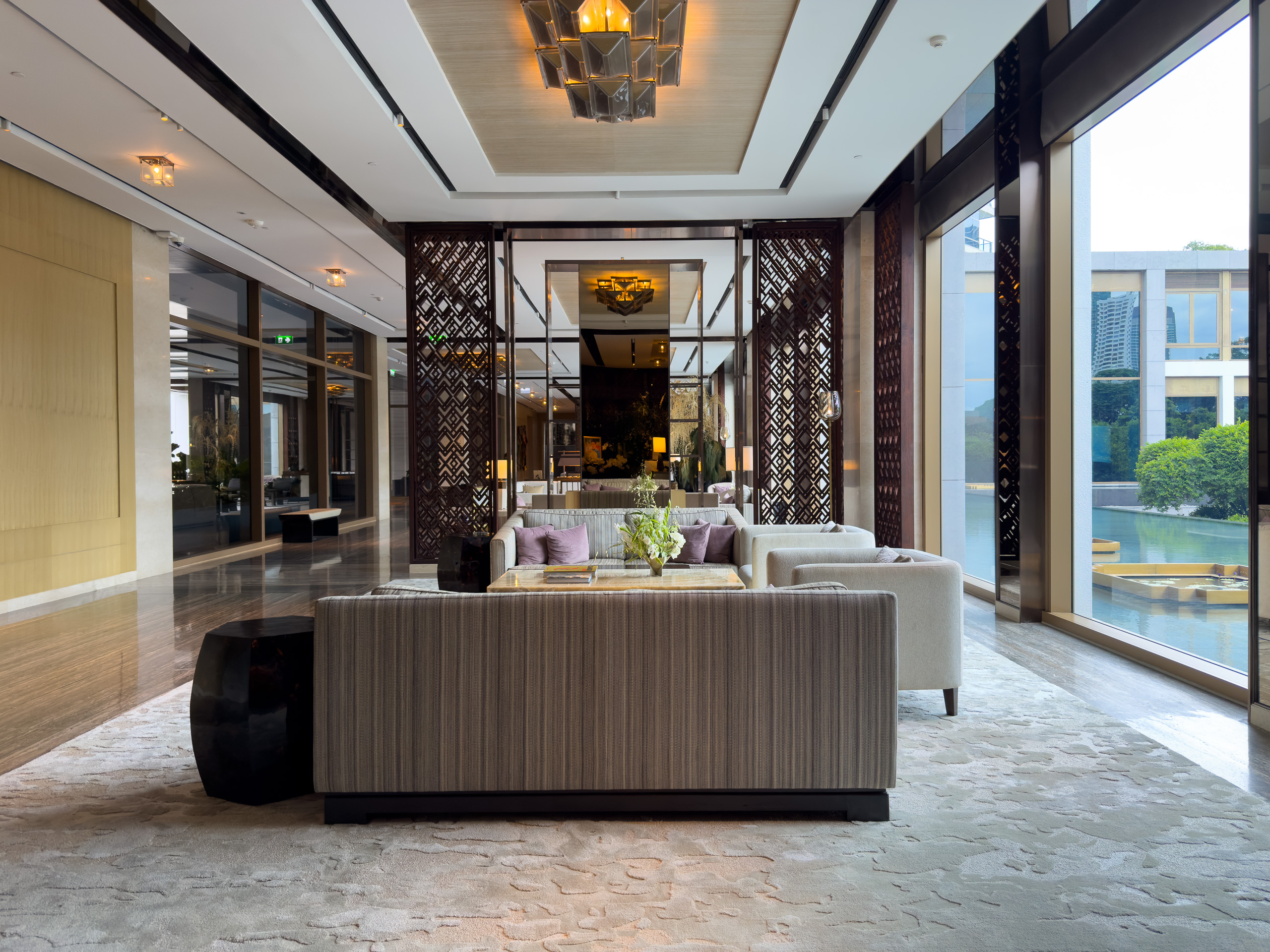
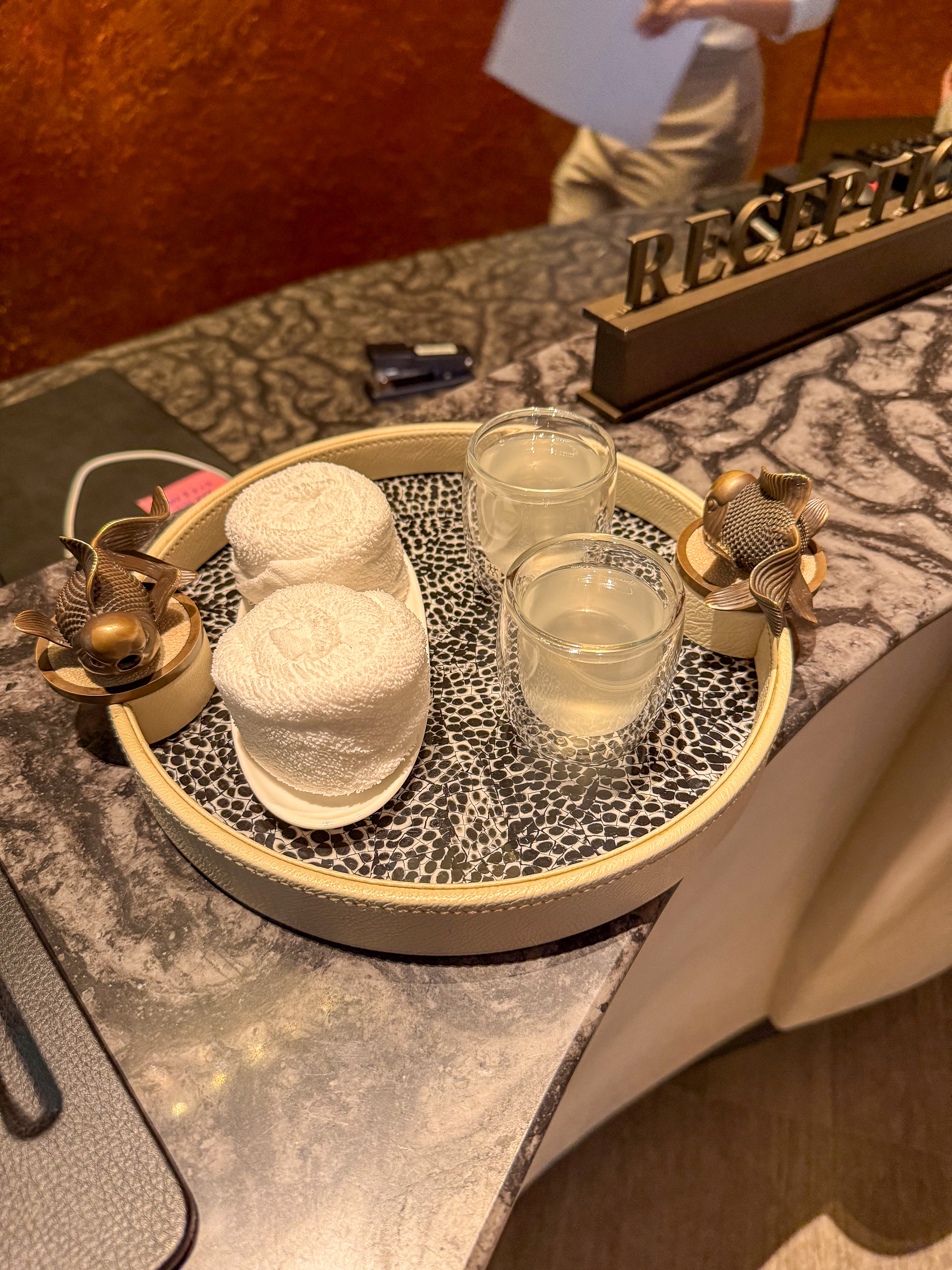
    Four Seasons announces itself. Jean-Michel Gathy designed the public spaces around water, so you cross reflecting pools and pass carved white elephants by the Thai sculptor Dong Pongsatat on the way to a lobby holding more contemporary Thai art than most galleries in the city. I checked in during a rush and the room stayed calm, with cold towels and coconut water arriving before I had put the bags down. The scale absorbs the crowd.

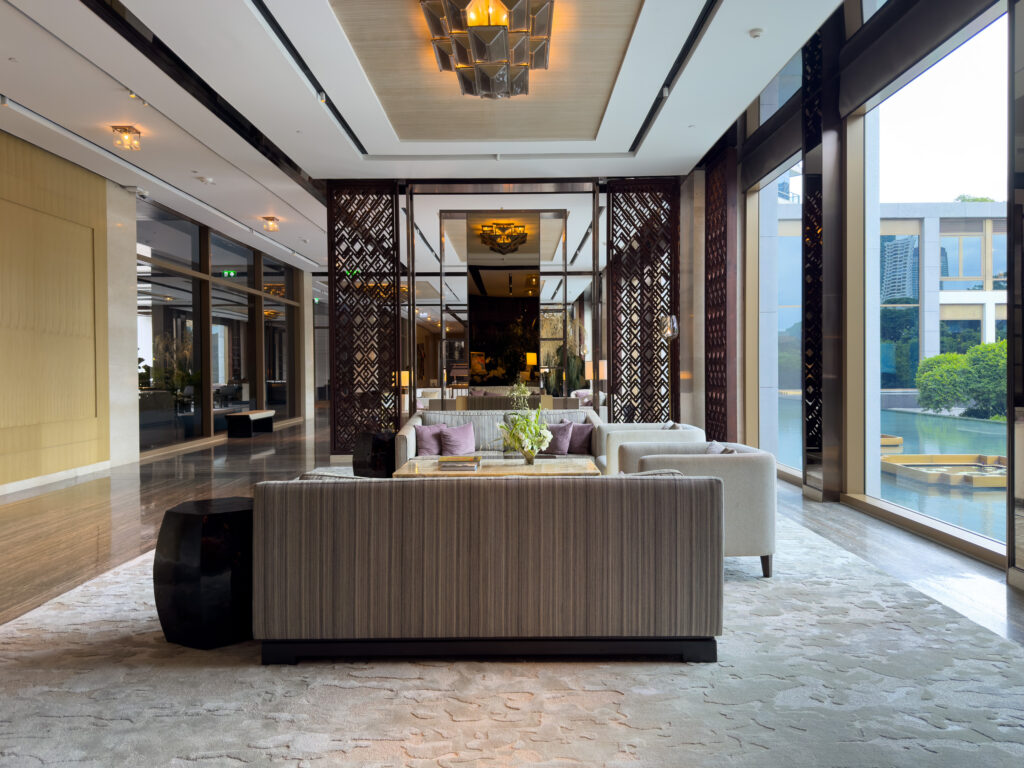
    Capella does the opposite. The wood-panelled exterior is the more elegant of the two buildings seen from the water. Inside, the lobby is small enough that staff clock you on arrival and keep clocking you for the rest of the stay. Nobody is performing. The building runs nine storeys and never feels like it holds a hundred rooms.

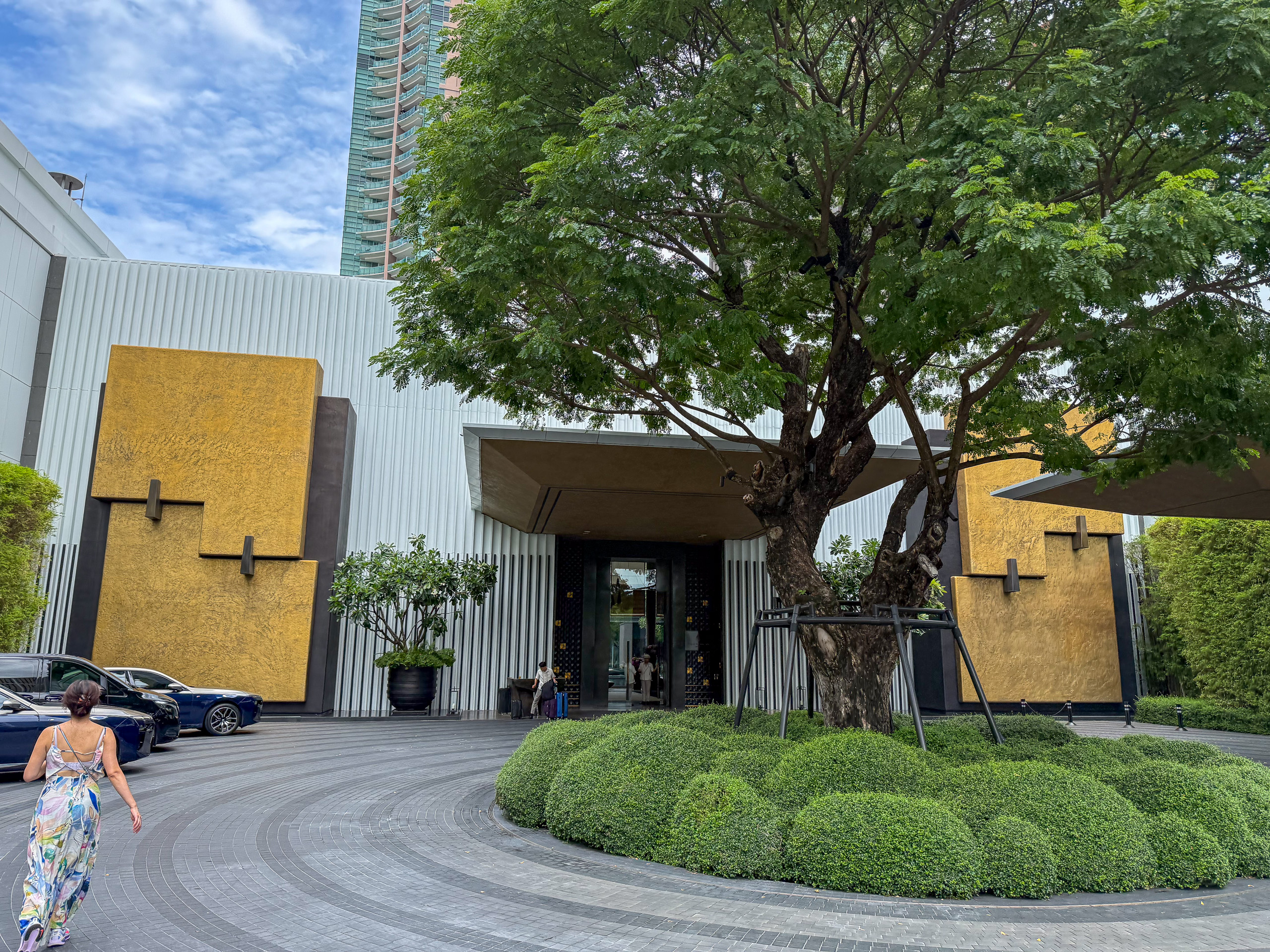
    The estate entrance on Charoen Krung Road
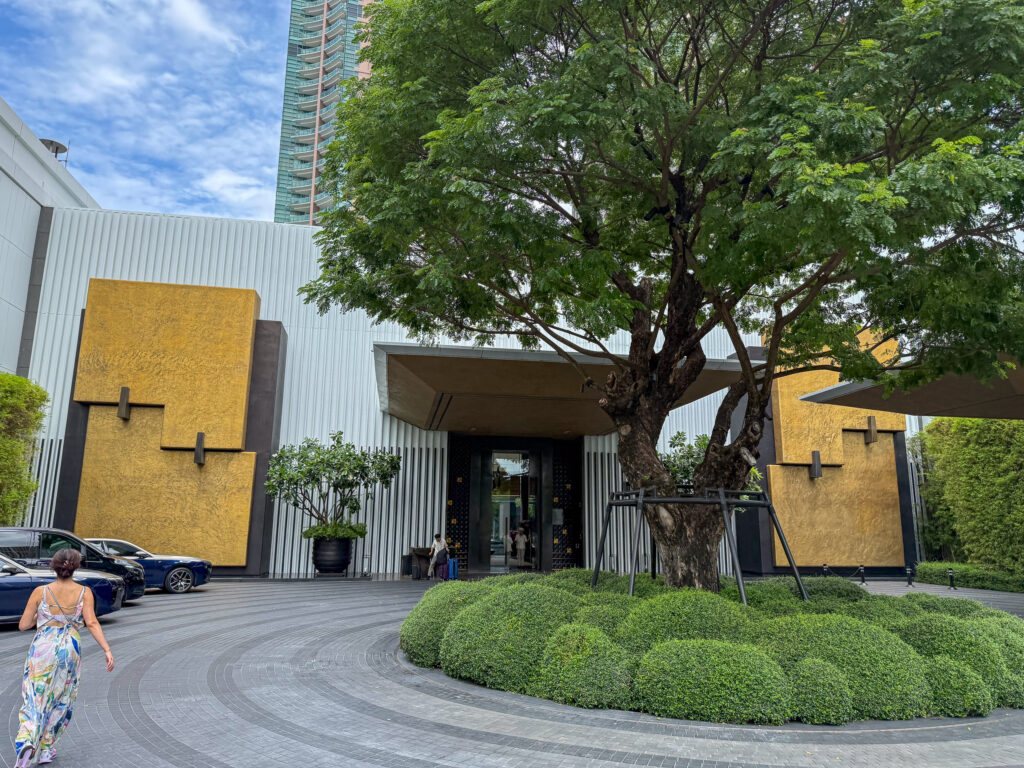
    One driveway, one security post, two hotels.

    The rooms

    This is where the money argument gets settled.

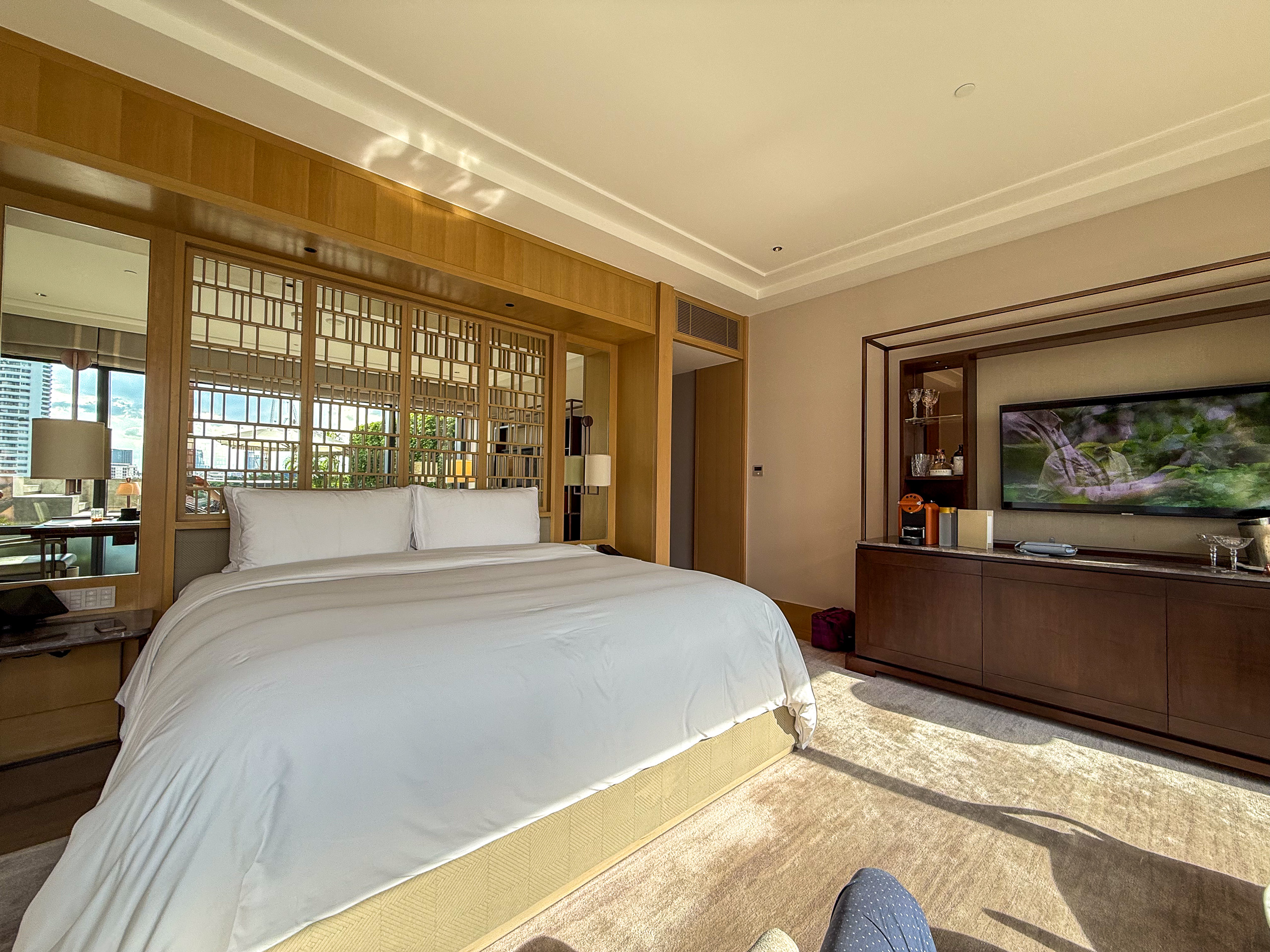
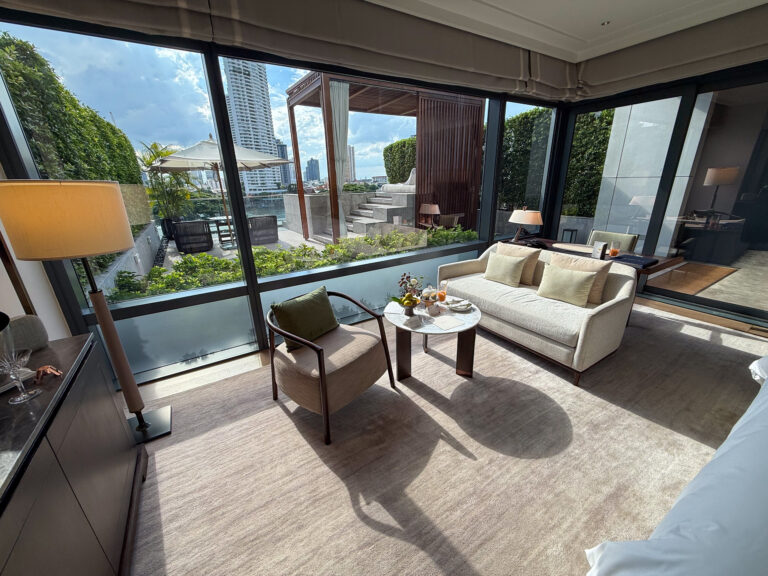
    A Capella river-view suite
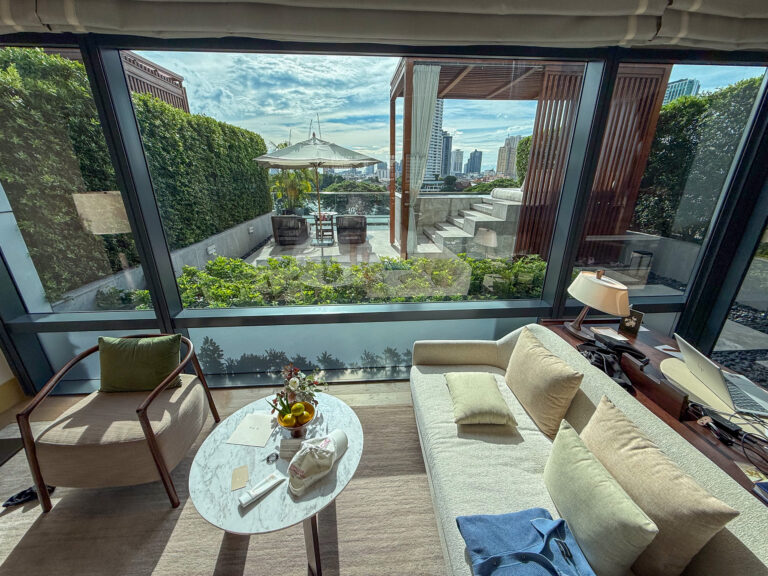
    At Capella, every room faces the river.

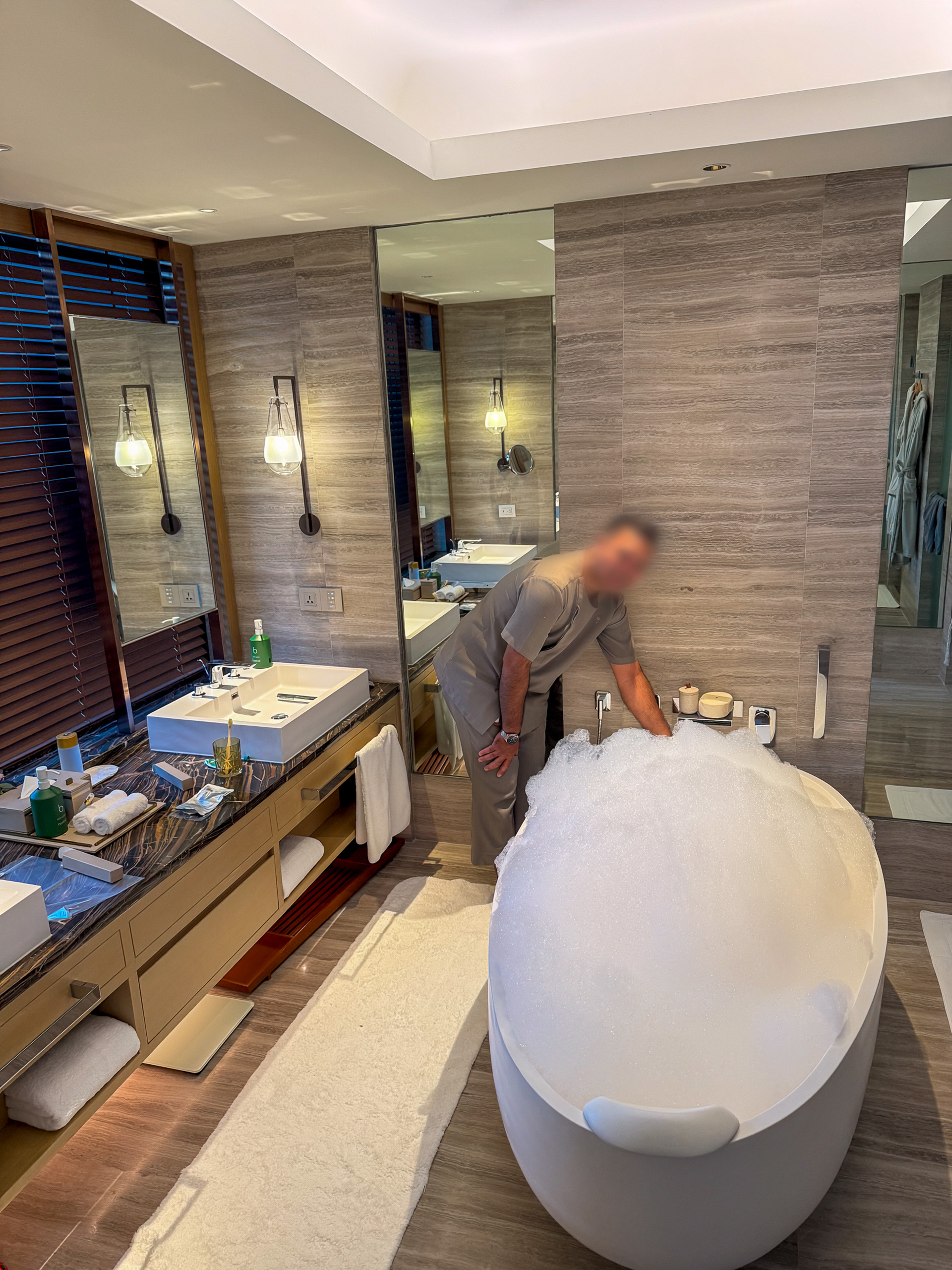
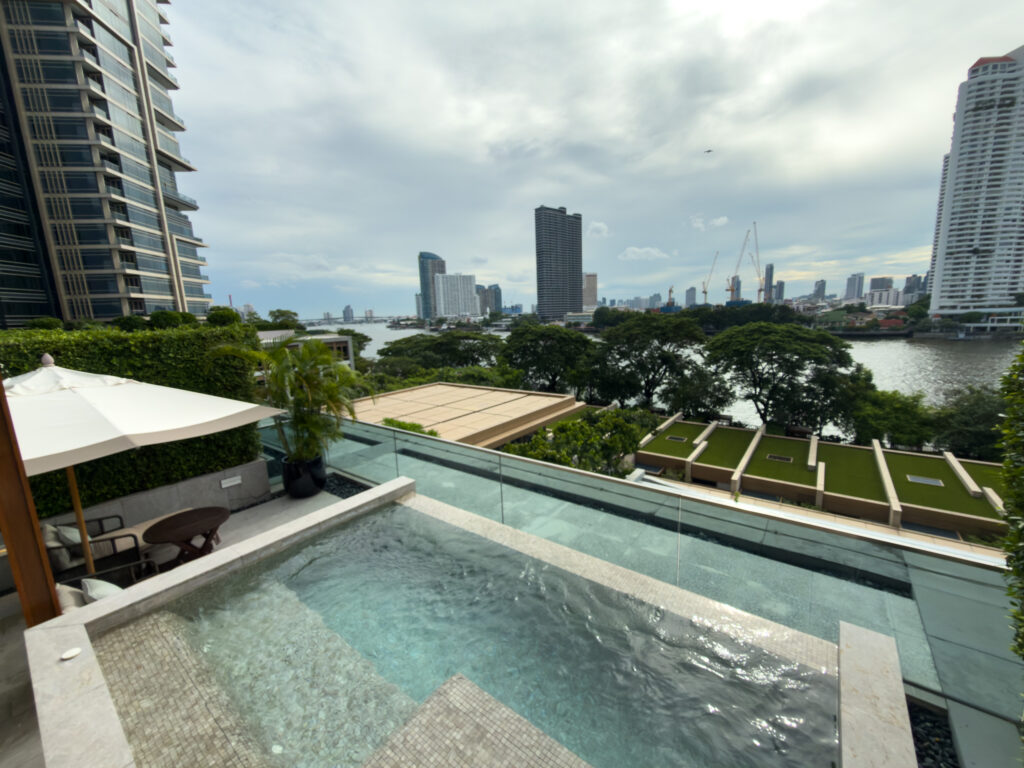
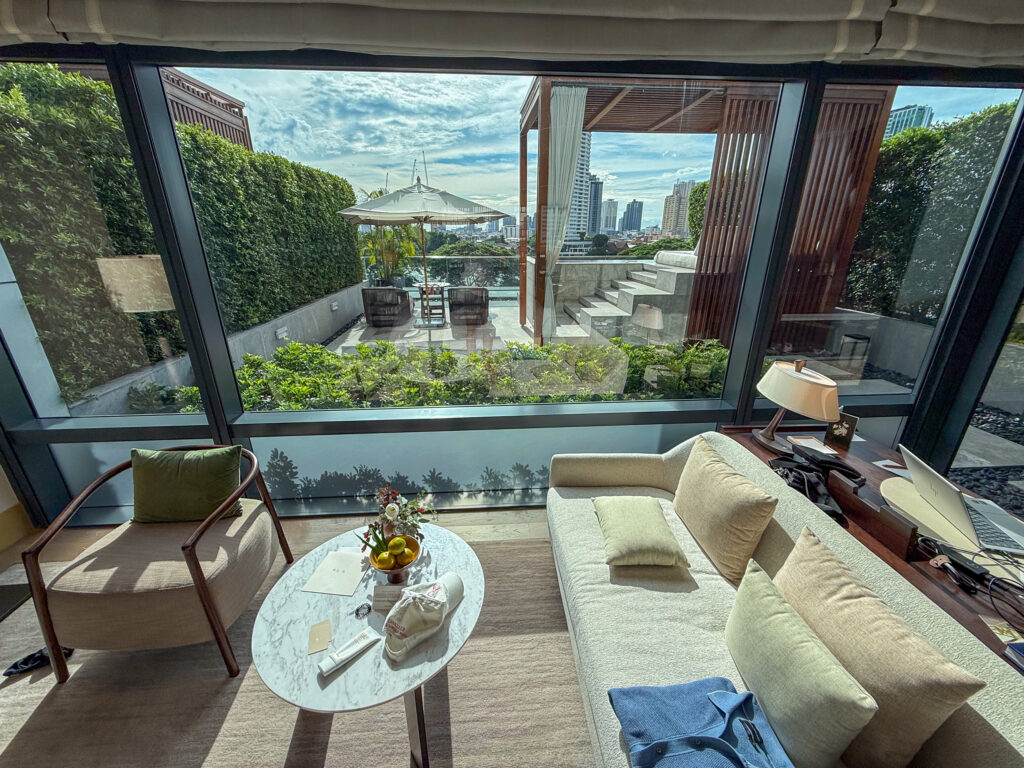
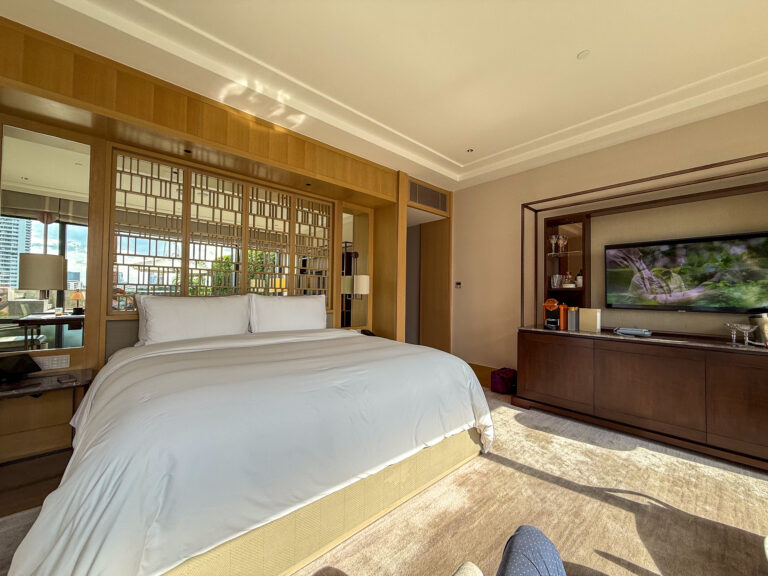
    At Capella every room faces the river, and the entry category runs 61 square metres with a private balcony. Suites start at 95 square metres and climb to 209. Seven villas sit at the water’s edge with private gardens and plunge pools, and there are eighteen or so plunge pools across the property. The entry room reads smaller than the number suggests. Marble bathroom, separate tub and rain shower, and a vanity set at the window so you look at the river while you shave. Bamford amenities. A tablet runs the room.

    At Four Seasons the entry rooms run about 50 square metres and face either the river or the central courtyard. The courtyard is beautiful, planted with reeds that stand in for northern rice fields. It is not the river. If you book here, pay up for a river view or accept that you have booked a very good room in a very good hotel with an ordinary outlook. The beds are the best thing in either building. High ceilings, picture windows, a pillow menu, and a bathroom with the choice of a regular or overhead rain shower.

    Capella hands every guest a mobile phone with free international calls and data, plus a Capella Culturist on call around the clock, which is a personal assistant with a better name. Mine booked a boat, moved a dinner and found a tailor inside one message thread.

    Food and drink

    Four Seasons wins on range and it is not close.

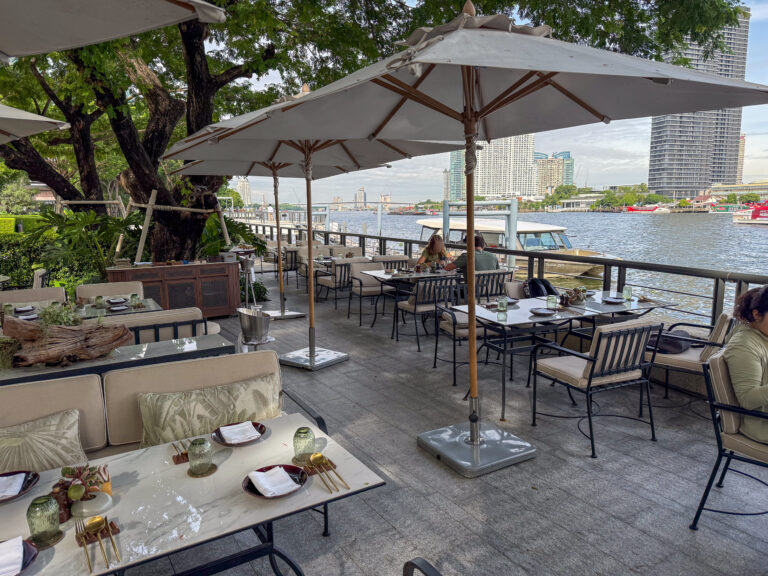
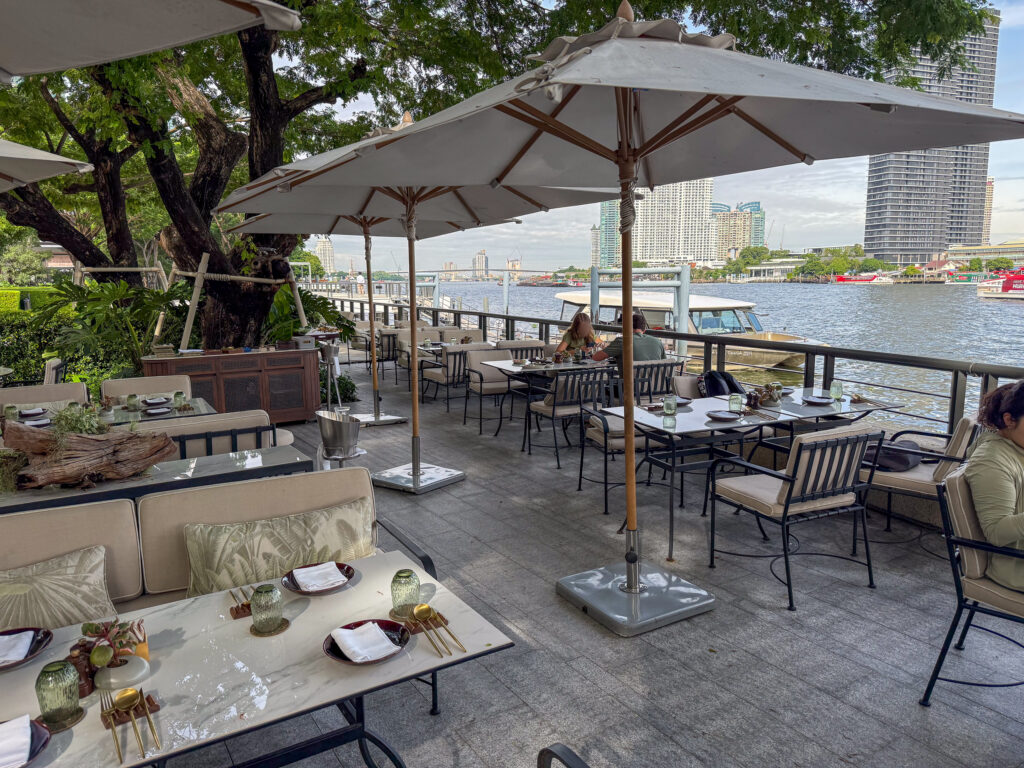
    Yu Ting Yuan holds a Michelin star. Dim sum and Peking duck come out of an open kitchen overlooking the water garden. Brasserie Palmier does French on the riverfront under Guillaume Galliot. Riva del Fiume handles Italian and hosts breakfast, a full buffet plus an à la carte menu that changes daily. BKK Social Club is an Argentinian-themed art deco bar that has landed on the World’s 50 Best Bars list, and it is the single best room on the estate in which to have a drink.

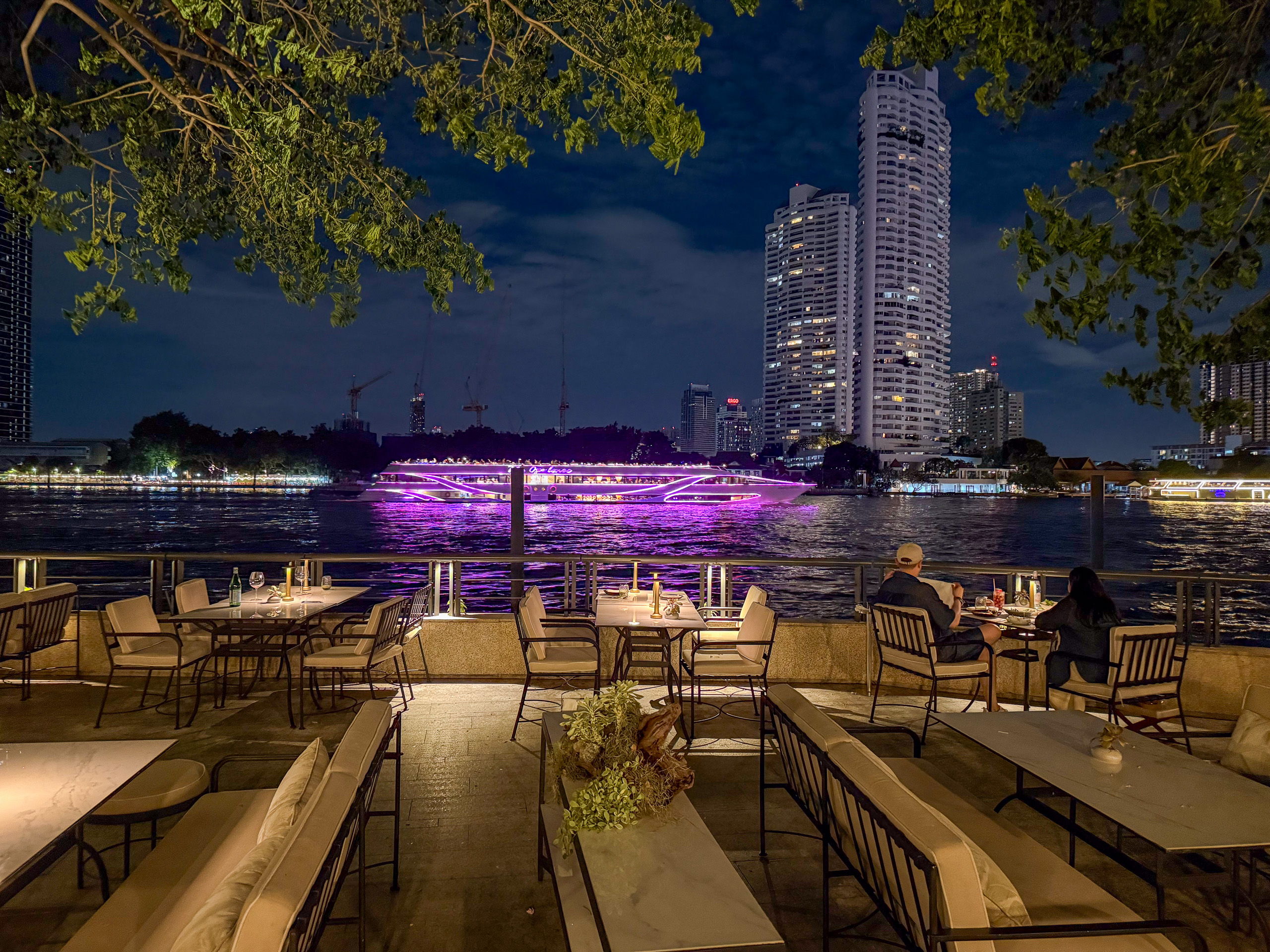
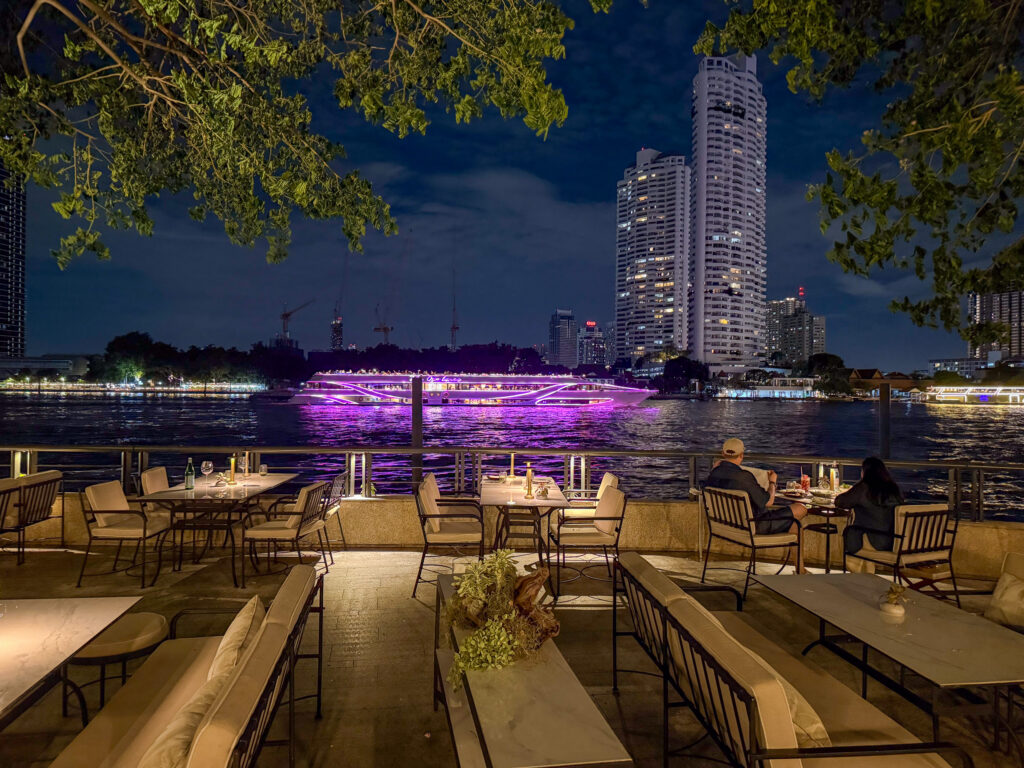
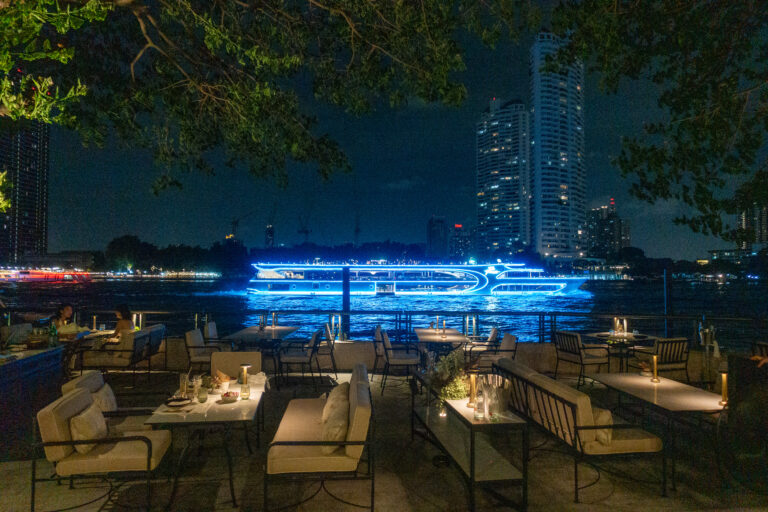
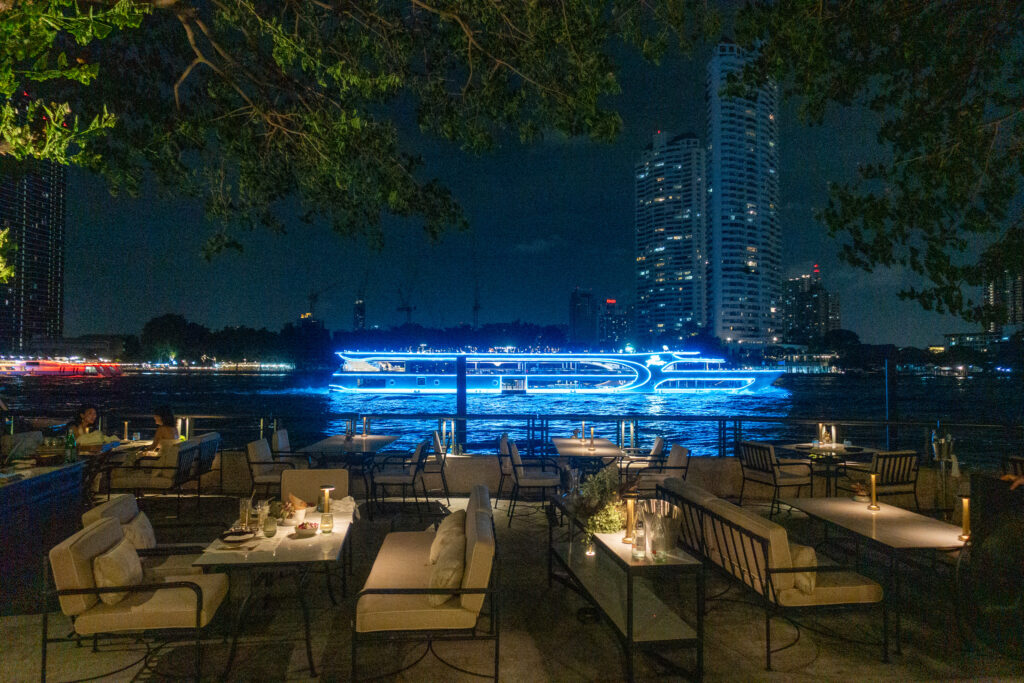
    Riverside dining at Four Seasons at night
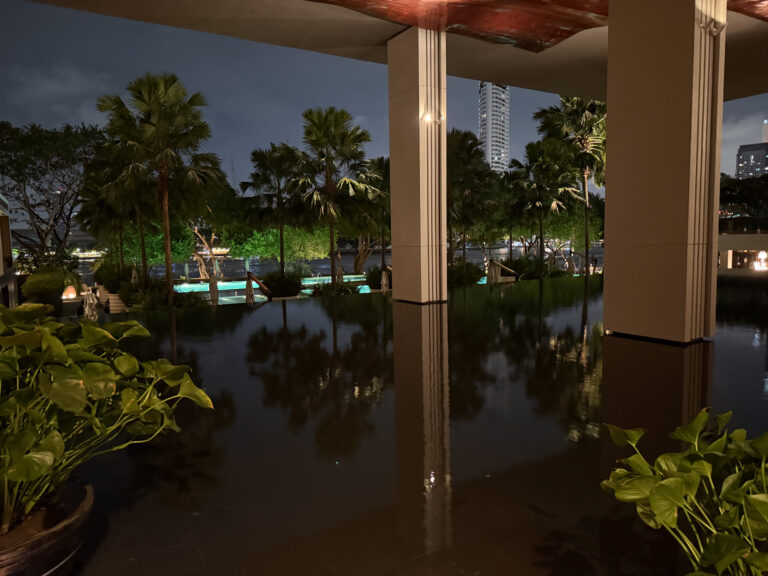
    Riverside at Four Seasons, where BKK Social Club draws the crowd.

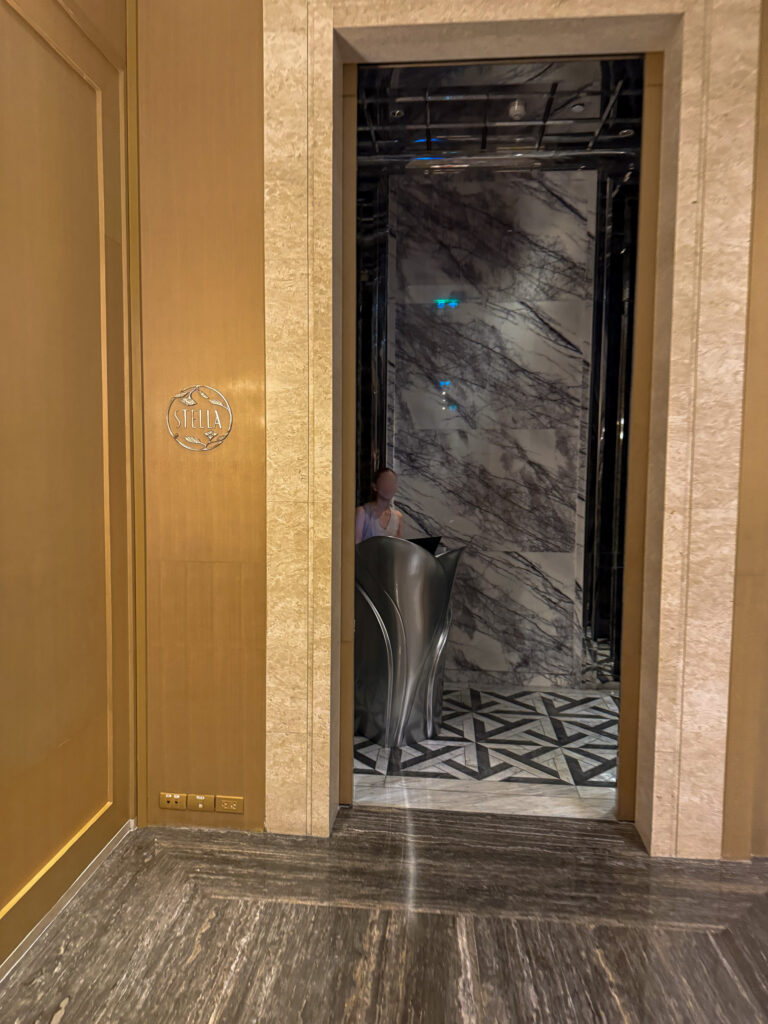
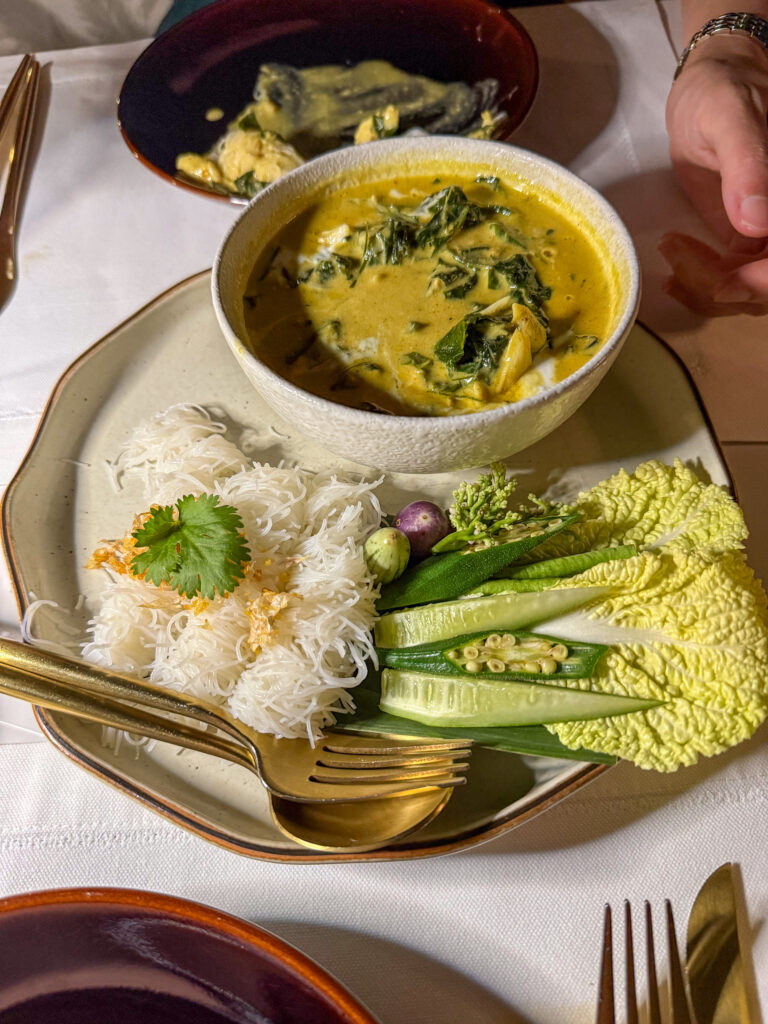
    Capella runs a tighter programme. Côte by Mauro Colagreco does Riviera cooking with a river view and Michelin recognition, and the problem is getting in. Reserve before you fly. Phra Nakhon is the Thai restaurant, run by chef Kannika Jitsangworn, whose menu grew out of eating her way through Bangkok street food with her team. Dinner there was the best Thai meal I had in the city. Stella is the bar, small and good.

    Green curry at Phra Nakhon
    Dinner at Phra Nakhon, the best Thai meal I had in the city.

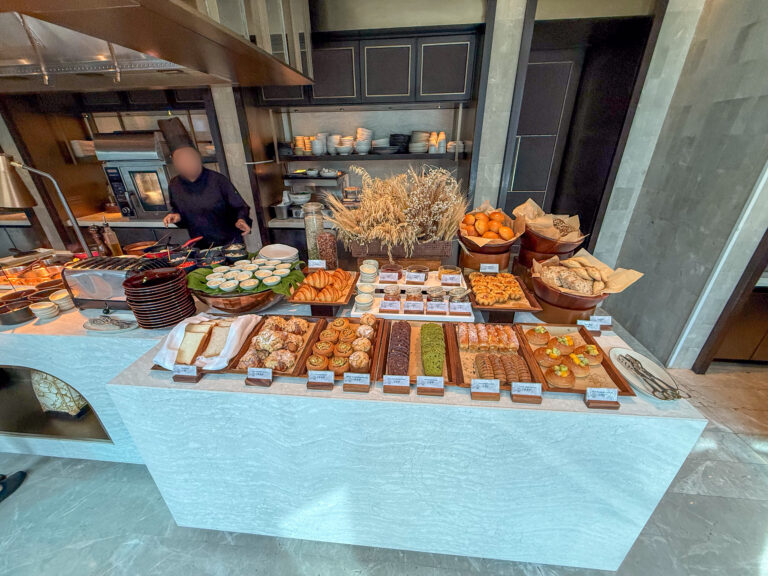
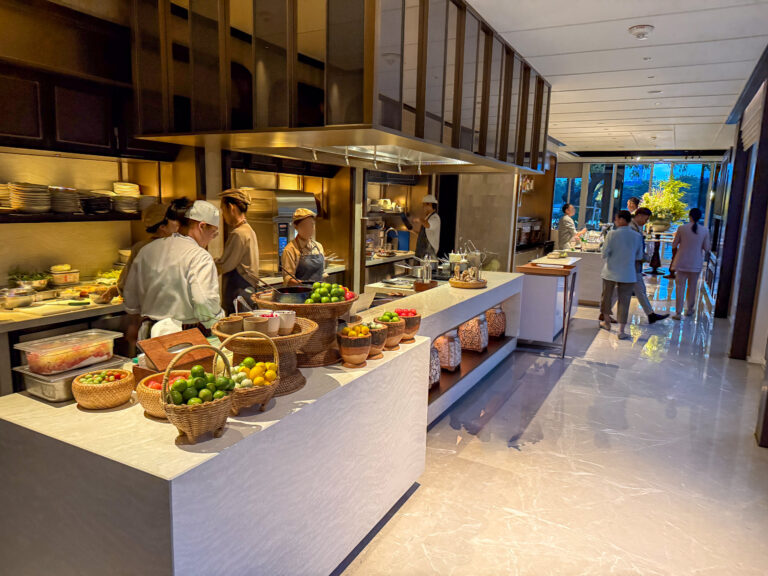
    Breakfast is the split decision. Capella serves it at Phra Nakhon on the riverside terrace, buffet plus unlimited à la carte, and when it lands it is the better meal of the two. Four Seasons breakfast is bigger, safer and never wrong.

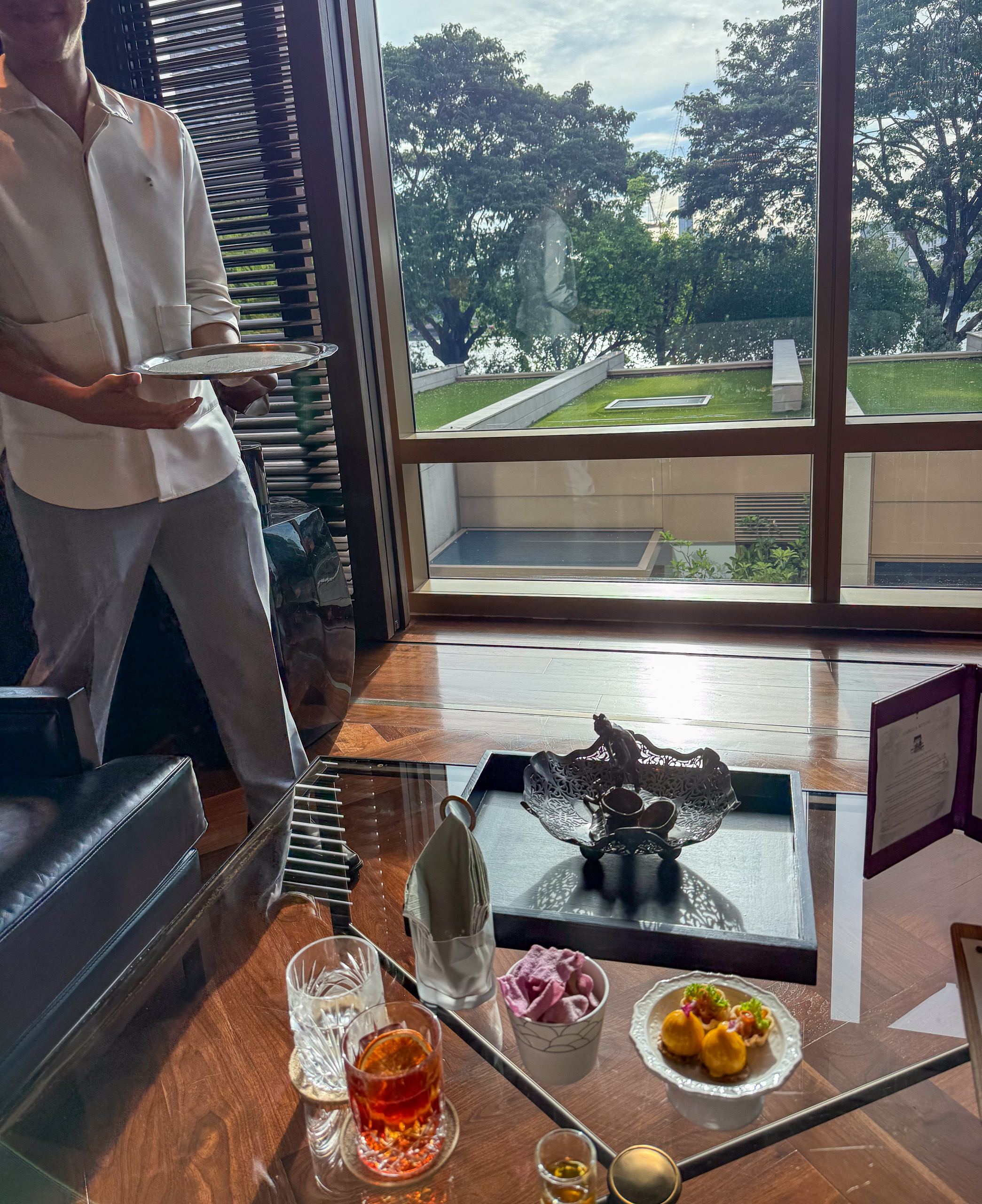
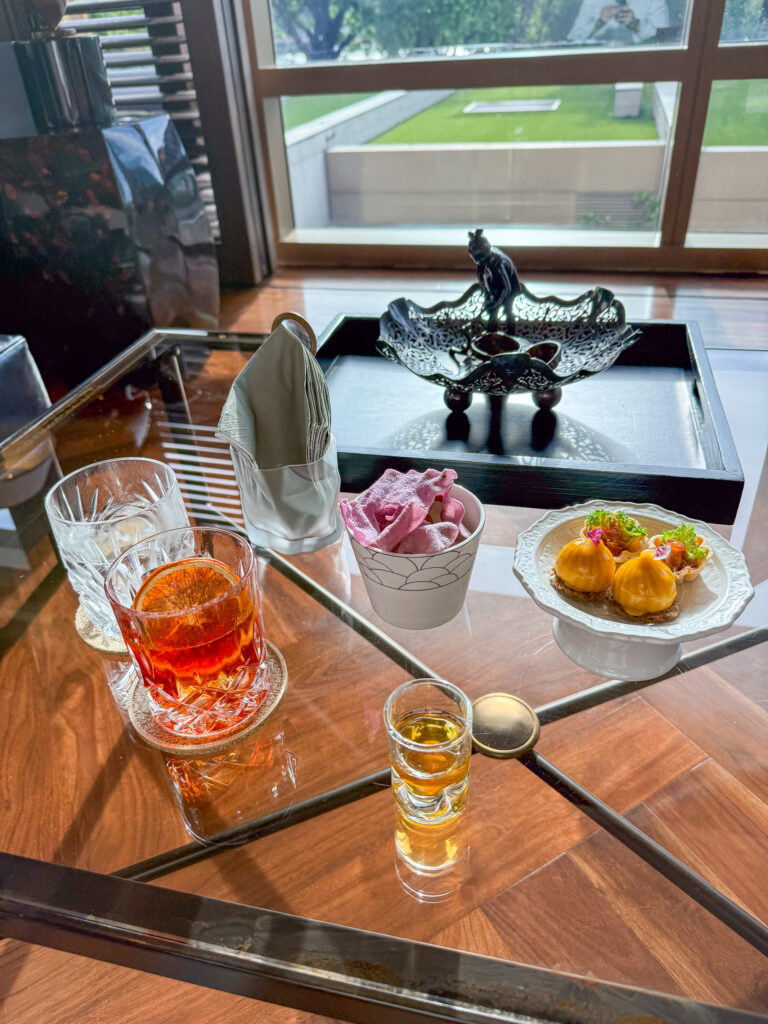
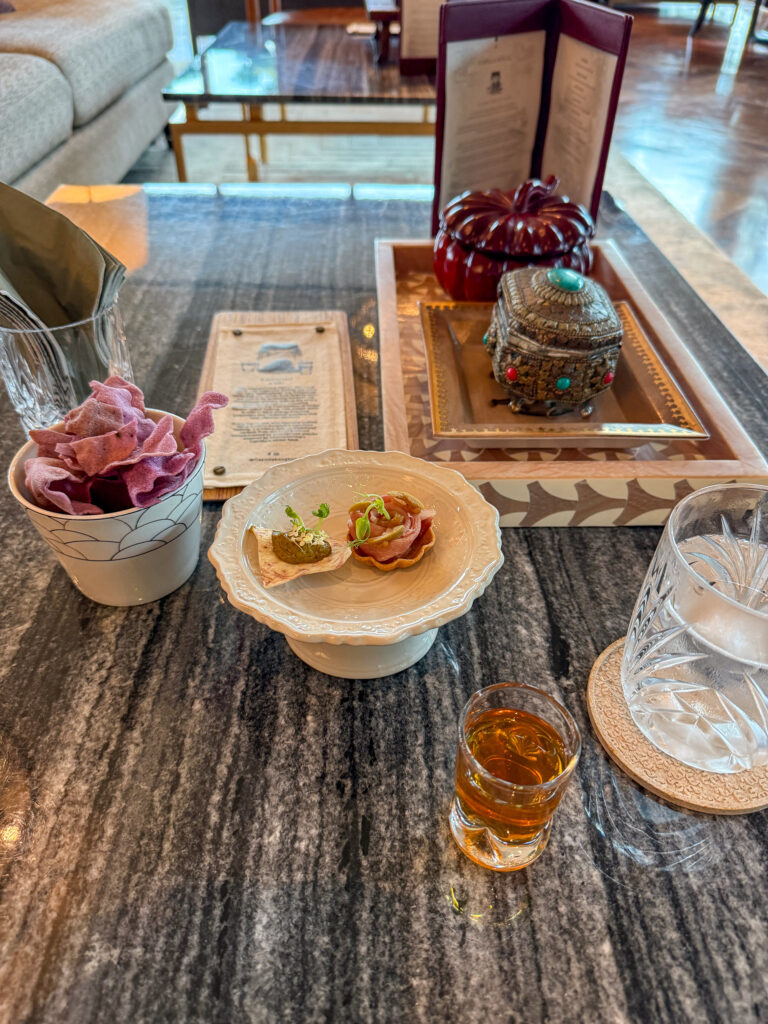
    Capella’s afternoon tea is worth crossing the driveway for whichever hotel you are sleeping in. Both hotels open their restaurants to outside guests, so treat the estate as one menu and book across it.

    Pools, spa, gym

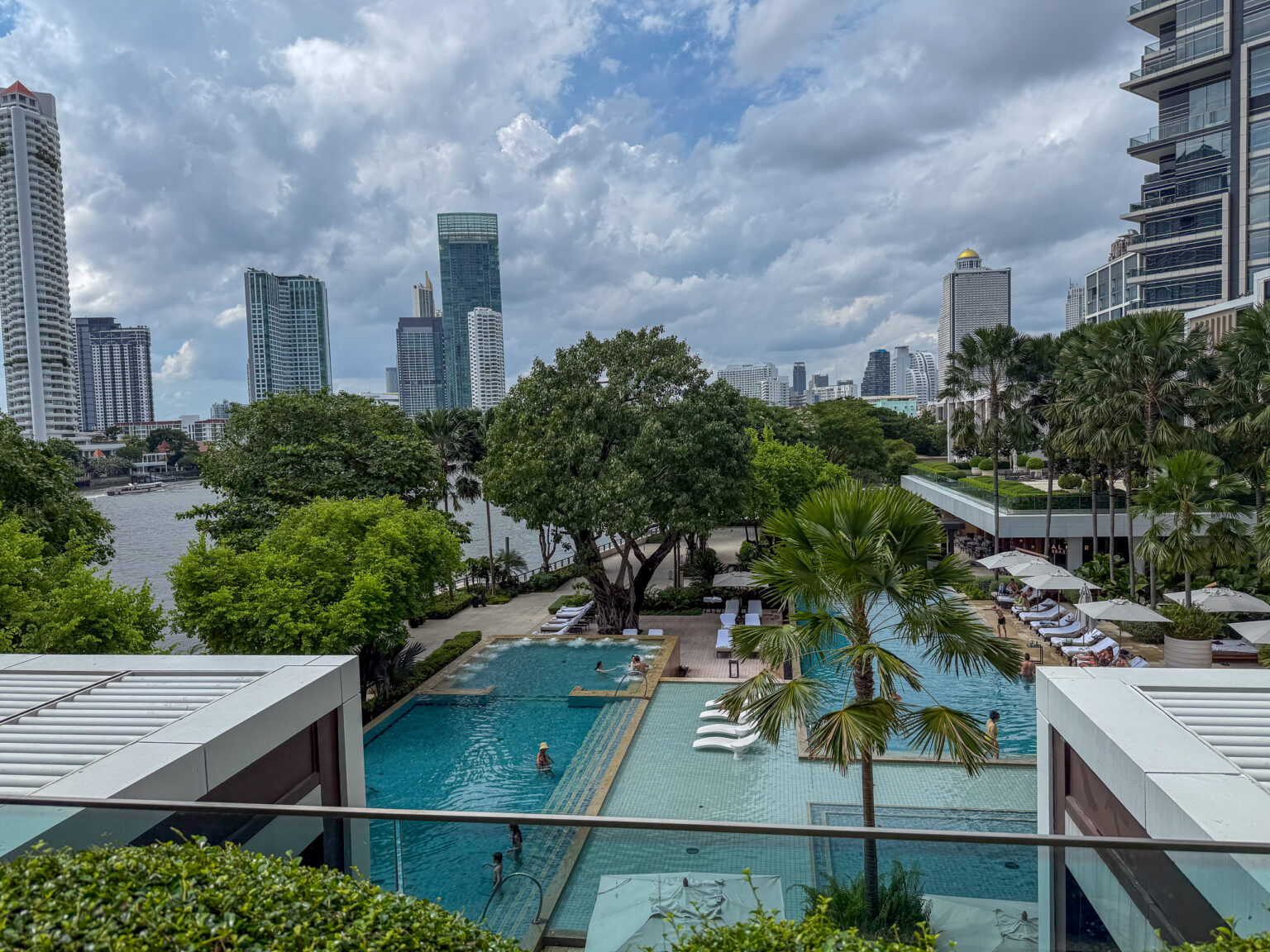
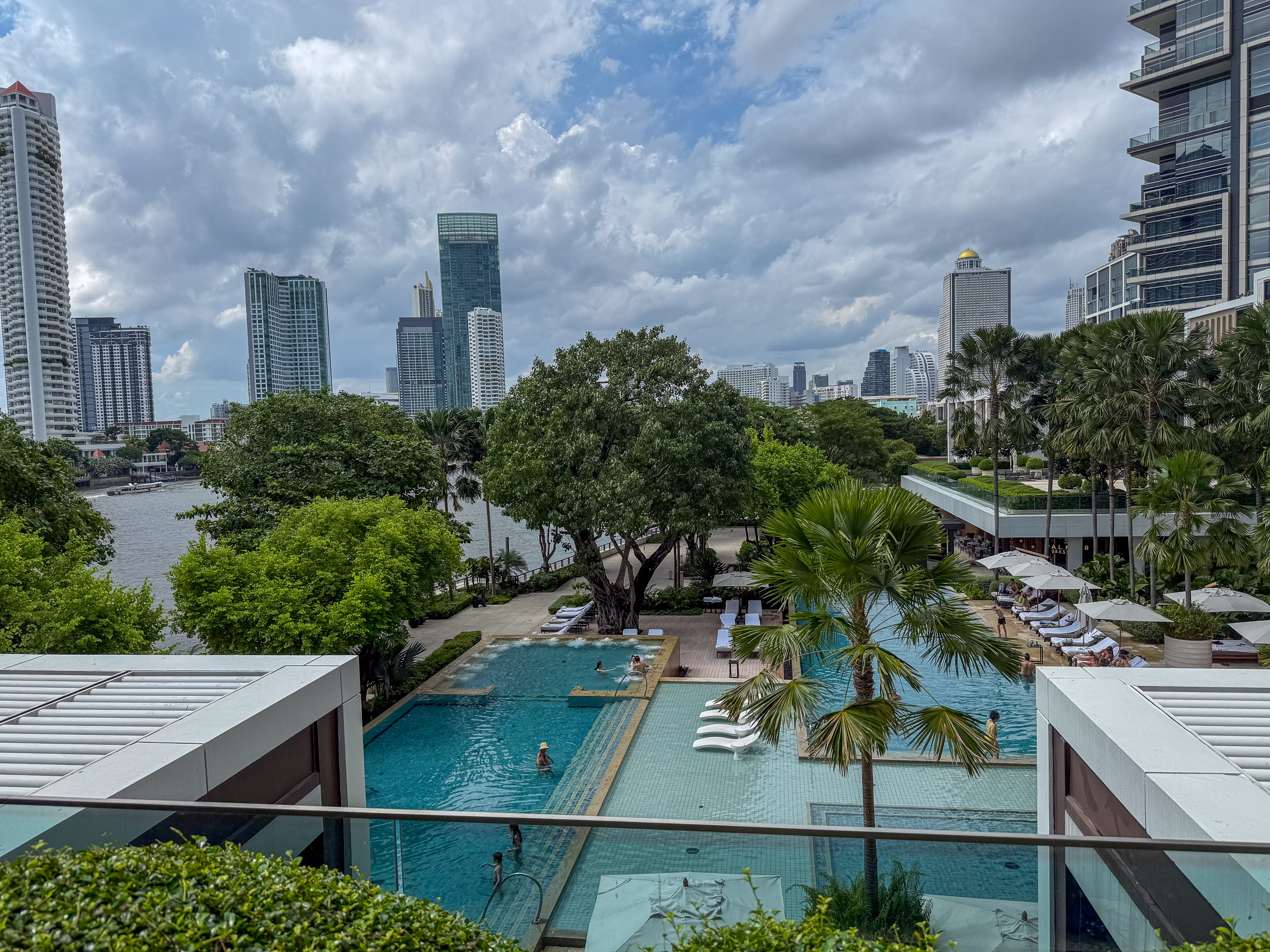
    Four Seasons has three outdoor pools, including two temperature-controlled infinity pools stepping down toward the river and a 35-metre lap pool. The Urban Wellness Centre runs to 2,500 square metres over two floors: nine treatment rooms, vitality pools, a herbal steam room, a heated indoor pool, a 24-hour gym, a Muay Thai ring, an aerial yoga studio, a barber and a salon. You can take a paddleboard class in the lap pool, which is either delightful or absurd, and I came down on delightful.

    Aerial of the Four Seasons pools and skyline
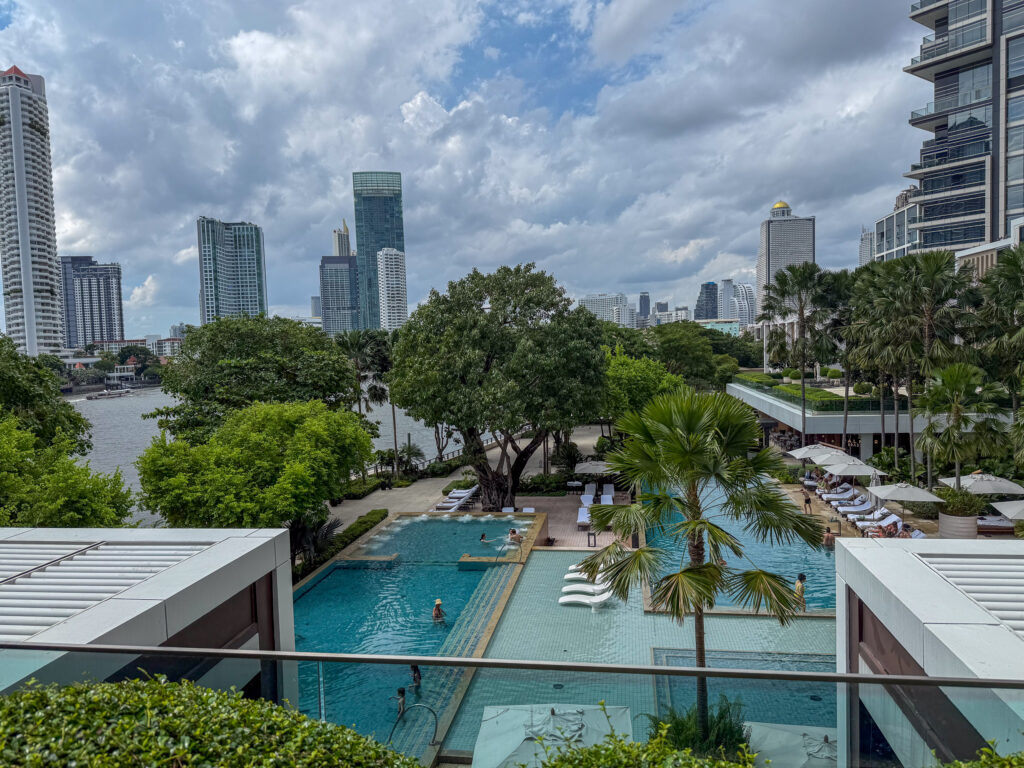
    Four Seasons stacks three pools toward the river.

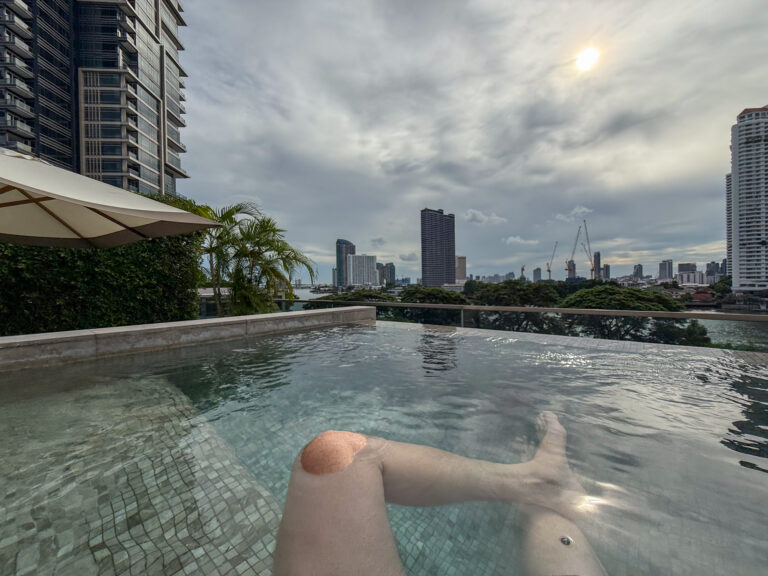
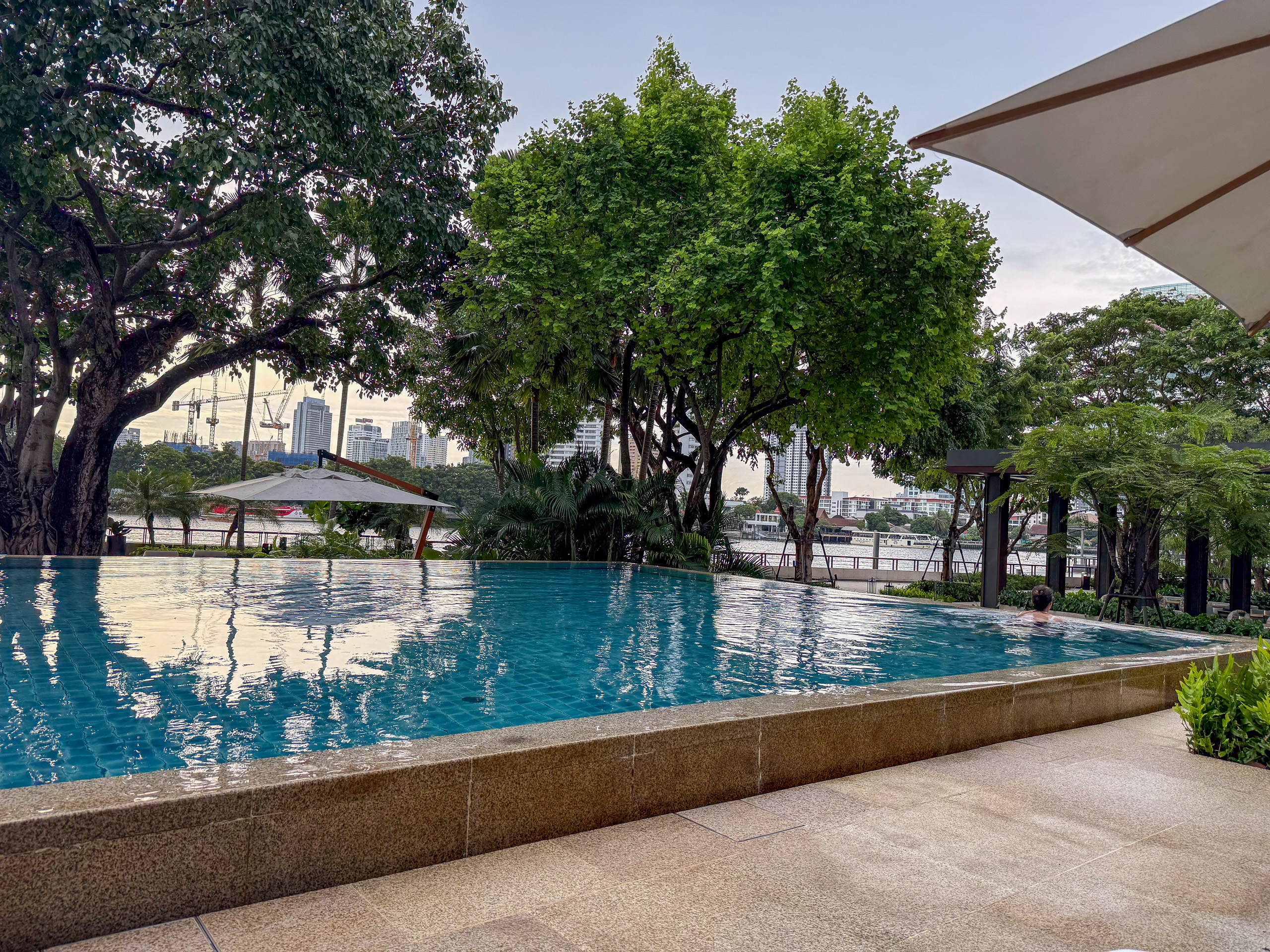
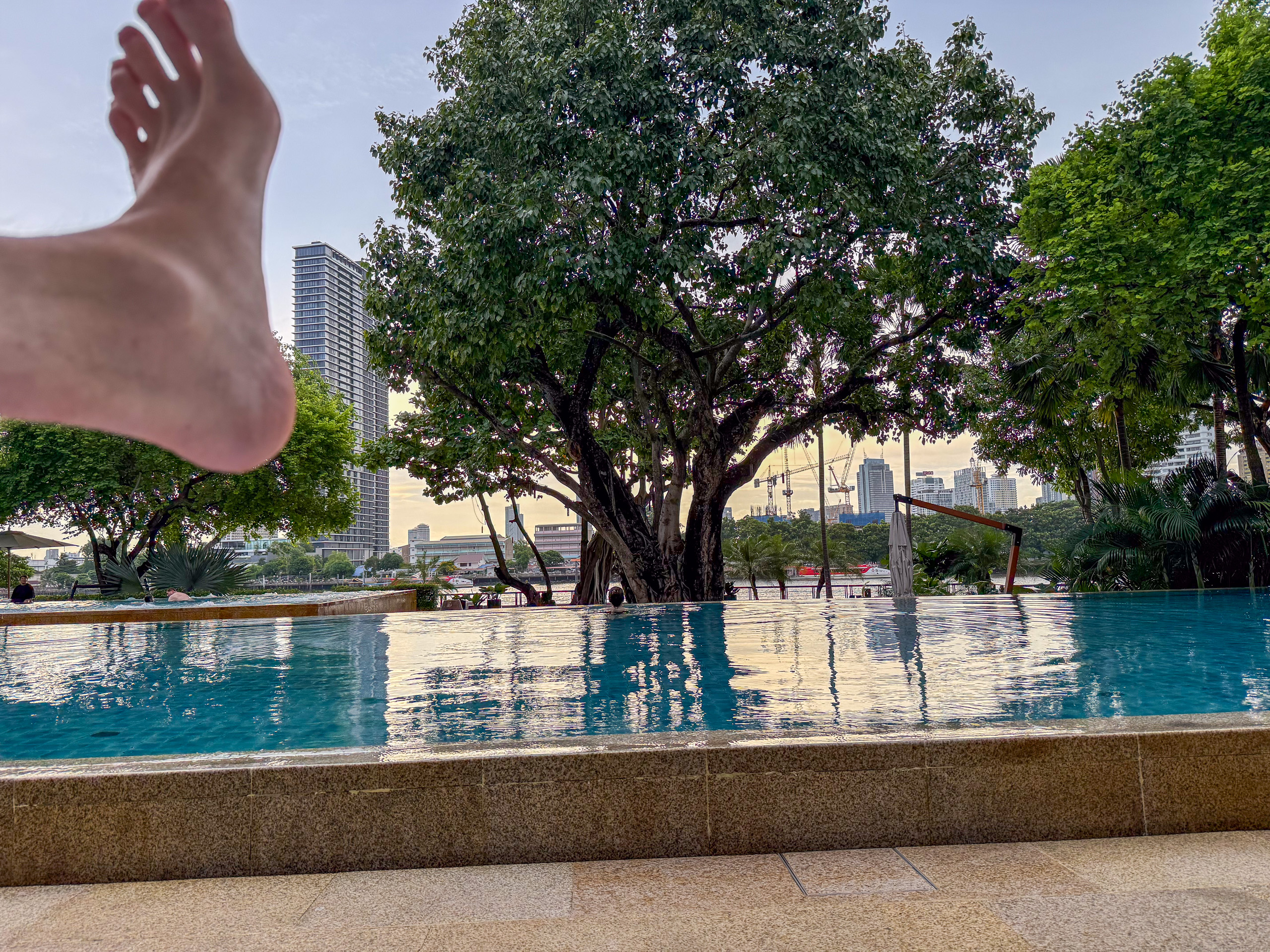
    Capella has one infinity pool. It stayed calm through a weekend in high season with loungers going spare, which no Four Seasons pool will ever do. Auriga Wellness covers about 1,074 square metres with seven treatment suites, and the couples’ room is the most beautiful spa space either of me has been inside. The gym is decent. Against the machine next door it is not a contest, and Capella guests should walk over.

    Service

    Four Seasons service is professional, consistent and impersonal by design. With 299 rooms nobody is learning your coffee order by Tuesday. What you get instead is a floor that never drops: the request gets handled, every time, by whoever is nearest.

    Capella aims higher. At its best the property remembers everything and anticipates the rest, and that is the version I got: warmth that bigger brands rarely manage. One stay is not a guarantee of consistency, and I can only report the one I had.

    Travelling with children

    Four Seasons, without much argument. There is a kids’ club, a children’s pool, three pools total to spread a family across, and the room count means nobody notices a loud table at breakfast. Capella takes children and treats them well, but the property is built around quiet, the pool is single and central, and a family of four in a 61-square-metre room will feel the walls. If you want Capella with children, book a villa.

    The comparison

    WhatCapella BangkokFour Seasons Bangkok
    Size101 rooms, suites and villas299 rooms and suites
    LocationEast bank, low-rise, set back from the roadEast bank, same estate, three minutes north
    Entry room61 sq m plus private balcony50 sq m, no balcony
    ViewRiver from every room, no exceptionsRiver or courtyard, depending on category
    VibeBoutique hideaway, close to silentUrban resort, full of life
    PoolsOne infinity pool, plus 18 private plunge poolsThree, including a 35 m lap pool
    SpaAuriga Wellness, 1,074 sq m, seven suitesUrban Wellness Centre, 2,500 sq m, nine rooms
    GymAdequateAmong the best hotel gyms anywhere
    Signature tableCôte by Mauro ColagrecoYu Ting Yuan
    BarStella, intimateBKK Social Club, World’s 50 Best
    BreakfastBetter ceiling, less reliable floorBigger, safer, never wrong
    Service modelNamed Culturist, 24 hours, per roomDeep bench, consistent, less personal
    ChildrenFine, but book a villaKids’ club, children’s pool, room to spread out
    Entry rateFrom THB 30,000From THB 12,000 courtyard, more for river
    Best forPrivacy, the spa, a villa, slowing downFamilies, facilities, dining, a full day in

    Measured, not guessed

    Here is what I measured and noted across both stays, rather than what the websites promise. This is the part I always want from a review and rarely get.

    WhatCapellaFour Seasons
    NoiseLong-tail boats from 6am with the balcony door open; silent shutSilent; road noise never reached the room
    BedKing, medium-soft, pillow menuKing, medium-firm, the better of the two
    Water pressureStrong, hot in under ten secondsStrong, hot on demand
    Air conditioningQuiet, held temperature overnightQuiet, held temperature overnight
    Shuttle boat to Sathorn pier8 minutes, roughly every 308 minutes, roughly every 30
    Time to first greeting, morningsImmediate, both daysImmediate, both days

    Measured, not guessed.

    What it costs and how to book it

    Capella’s entry Riverfront Premier starts around THB 30,000 before tax and service. Four Seasons opens lower, with courtyard-facing rooms available from roughly THB 12,000 in soft season and river-view rooms climbing from there. Both add 10% service and 7% government tax on top, which people forget and then notice at checkout.

    The gap narrows once you match river view to river view, which is the only fair comparison, since at Capella you cannot book anything else.

    Three things worth knowing before you reserve. Capella participates in the Global Hotel Alliance programme, which makes it the most expensive hotel brand you can earn points at. Four Seasons runs no loyalty scheme, so book through a Preferred Partner or Virtuoso advisor for the upgrade, breakfast and property credit at no extra cost. And both properties discount for length: Four Seasons has run third-night-free offers, and Capella takes 40% off past seven nights.

    Rates across both track the season. November through February is cool, dry and priciest. March to May is punishing heat. June to October brings rain in short afternoon bursts and the best rates of the year, and the rain rarely costs you a whole day.

    Can you do both

    Yes, and I would. Two nights each is enough to see the difference, and the walk between lobbies takes three minutes with a bag. Split the stay with Capella second if you are flying home tired, or with Four Seasons second if you want the gym and pools before a long flight.

    The Capella infinity pool with city view
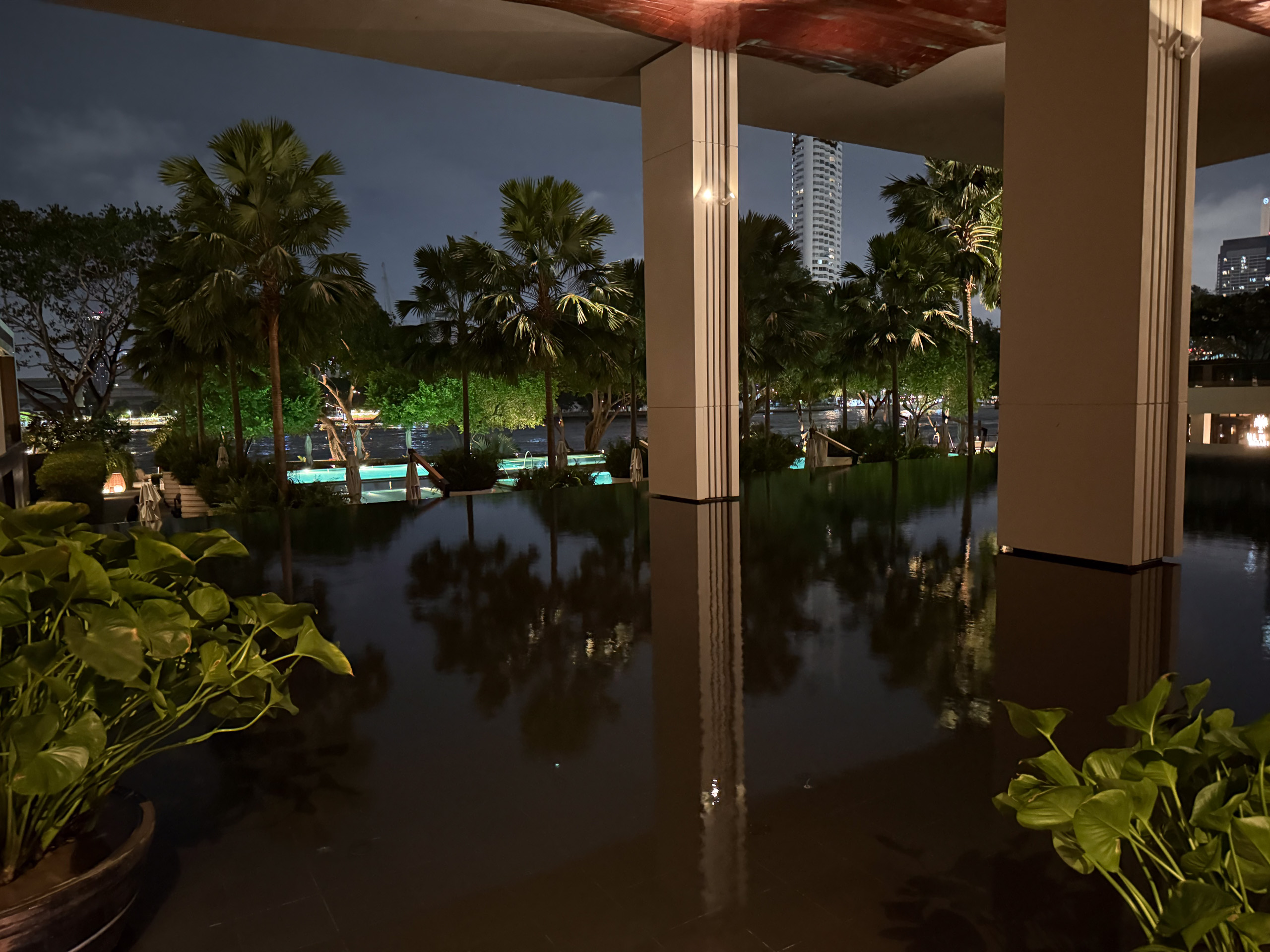
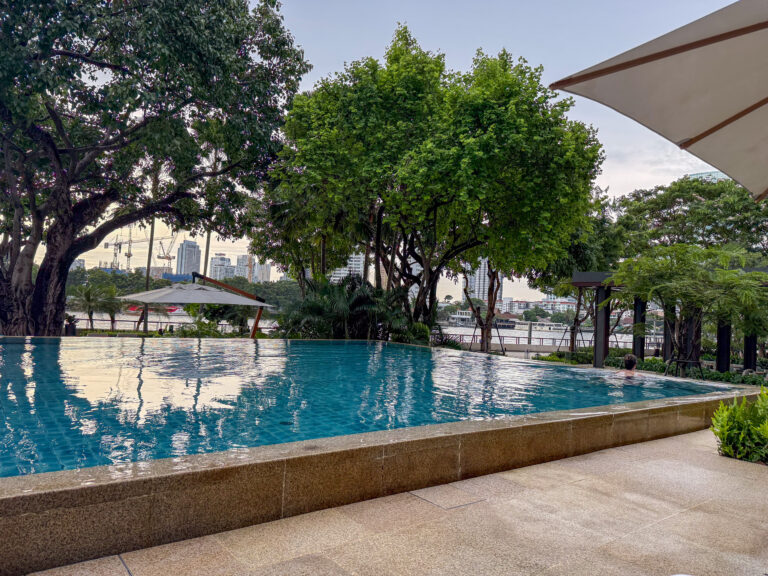
    Capella keeps a single, quiet infinity pool.

    Book Four Seasons if you want the days full. Book Capella if you want them empty.

    Quick verdict

    Which side are you?

    • Book Capella for privacy, the spa and a river view from every window
    • Book Four Seasons for the pools, the gym and six places to eat
    • Travelling with children? Lean Four Seasons
    • Chasing quiet? Lean Capella

    The Bangkok galleries

    Every photo on this site is my own, shot on the stay. Slide through →
    A Capella river-view suiteThe Four Seasons poolsThai cooking at Phra NakhonCapella riverside at nightThe river viewFour Seasons pool at sunsetA marble bathroomCapella infinity poolThe shared river shuttleAfternoon tea