ISTANBUL, TÜRKİYE · RESTAURANT · 5 MIN READ
TURK Fatih Tutak: Modern Anatolian, Two Stars
A clean, well-oiled machine of a restaurant, with just enough flair and showmanship — and the perfect amount of behind-the-curtains action.
By J.C. Mercer
- Covers Two, 7pm
- Dined April 2025
- Menu The tasting menu
- Drinks Wine pairing
- How it was booked The way any other guest would
- Value verdict A terrific introduction to Anatolian cuisine and wines, and a gem of an evening. STRONGLY RECOMMENDED.
Booked the way any other guest would book it.
The room and the counter
TURK Fatih Tutak sits in a unit in the Now Bomonti building in Şişli, inland, with no Bosphorus to sell, in the neighbourhood anchored by the old beer factory reopened as a cultural complex. Two stars on the door, one fixed tasting menu and nothing else. The house line is that it is creating a new alphabet for Turkish cuisine. In practice that means a pantry: named growers, named regions, a named knife-maker in Mersin. The flair is real, but measured: just enough showmanship out front, and the right amount of machinery behind the curtain.
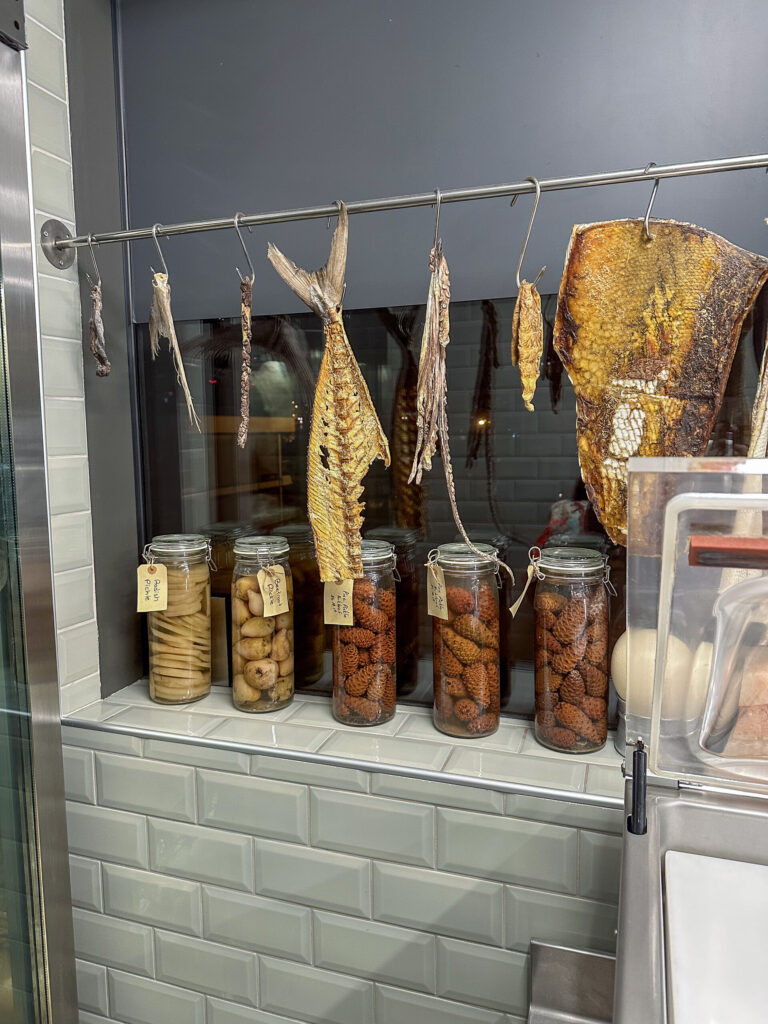
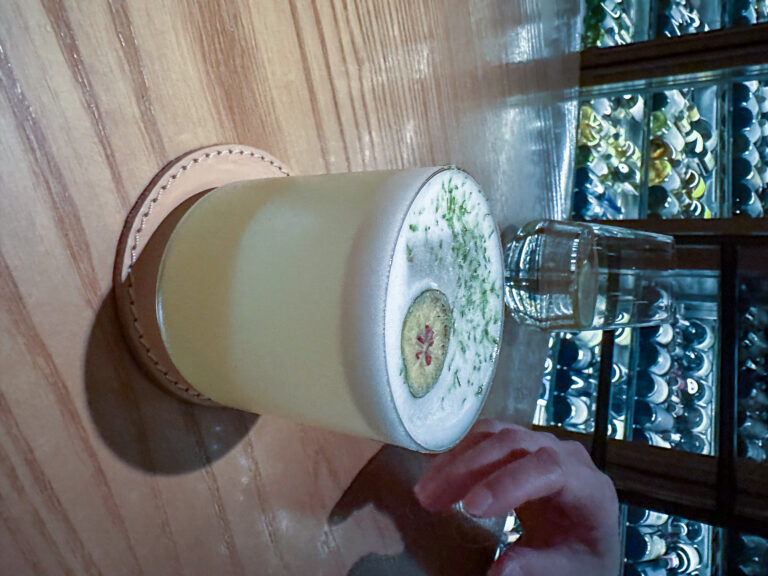
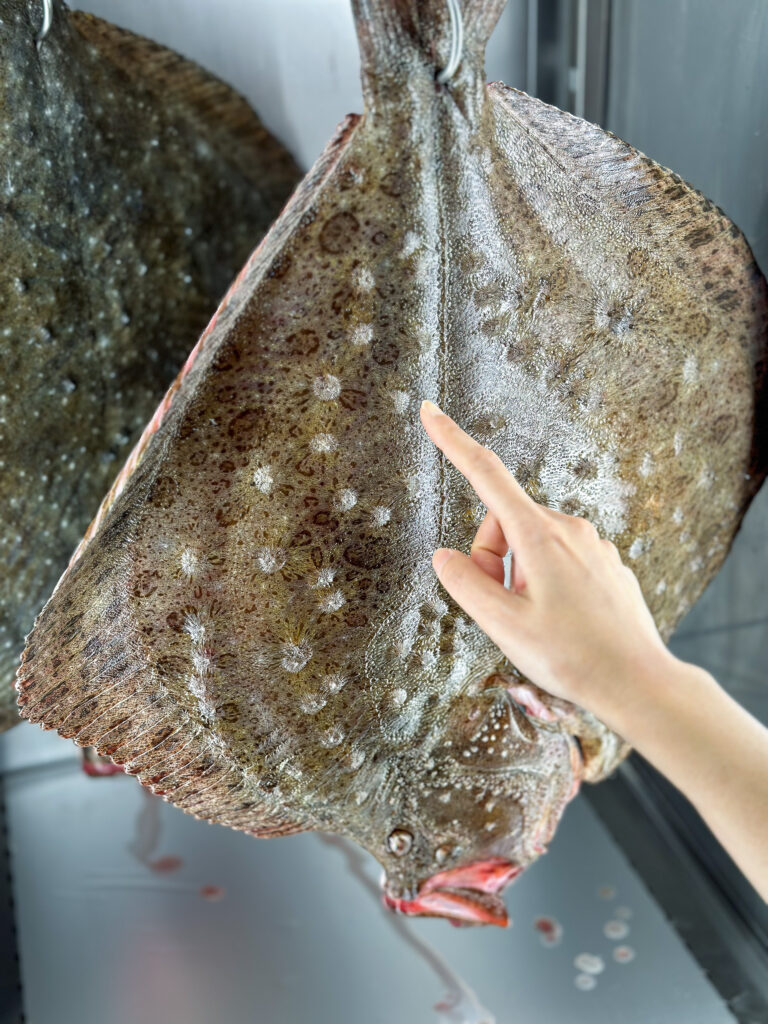
Back-lit cabinets of ingredients stand in the room like furniture, and the sourcing behind them is the most concrete thing about the place: honey from hives at three thousand metres, pomegranate molasses aged for years in barrel, water-buffalo yoghurt, turbot from the Black Sea, butter from Trabzon, bulgur from Urfa. A rolling rack of labelled preserves is the habit that got the kitchen through the lockdown year, when the chef kept buying from his producers and turned the harvest into garums and pickles. A two-door ageing cabinet hangs with fish and flatbreads. Pantry as decor, taken to its logical end, and the only restaurant I know where you can read the wallpaper.
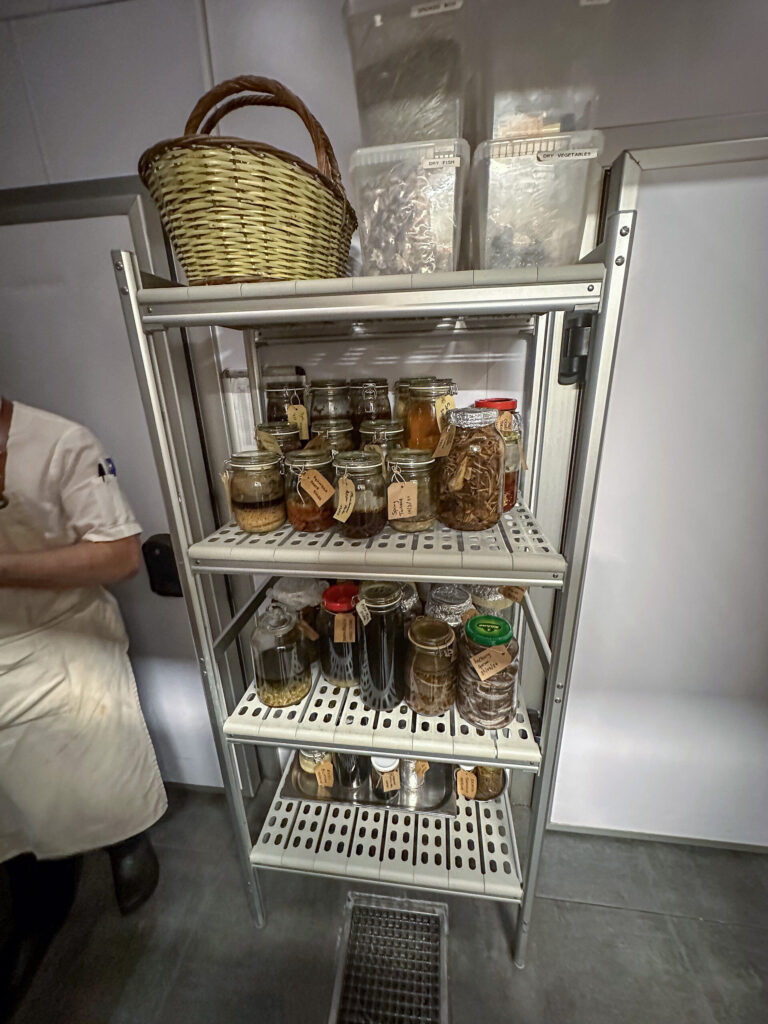
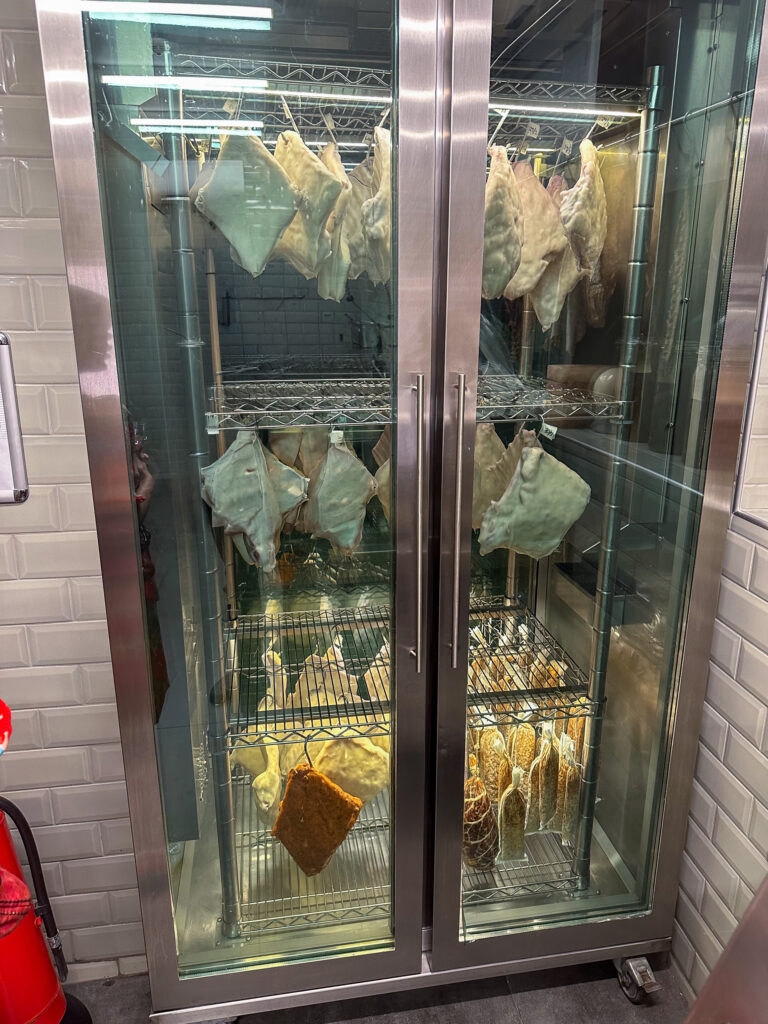
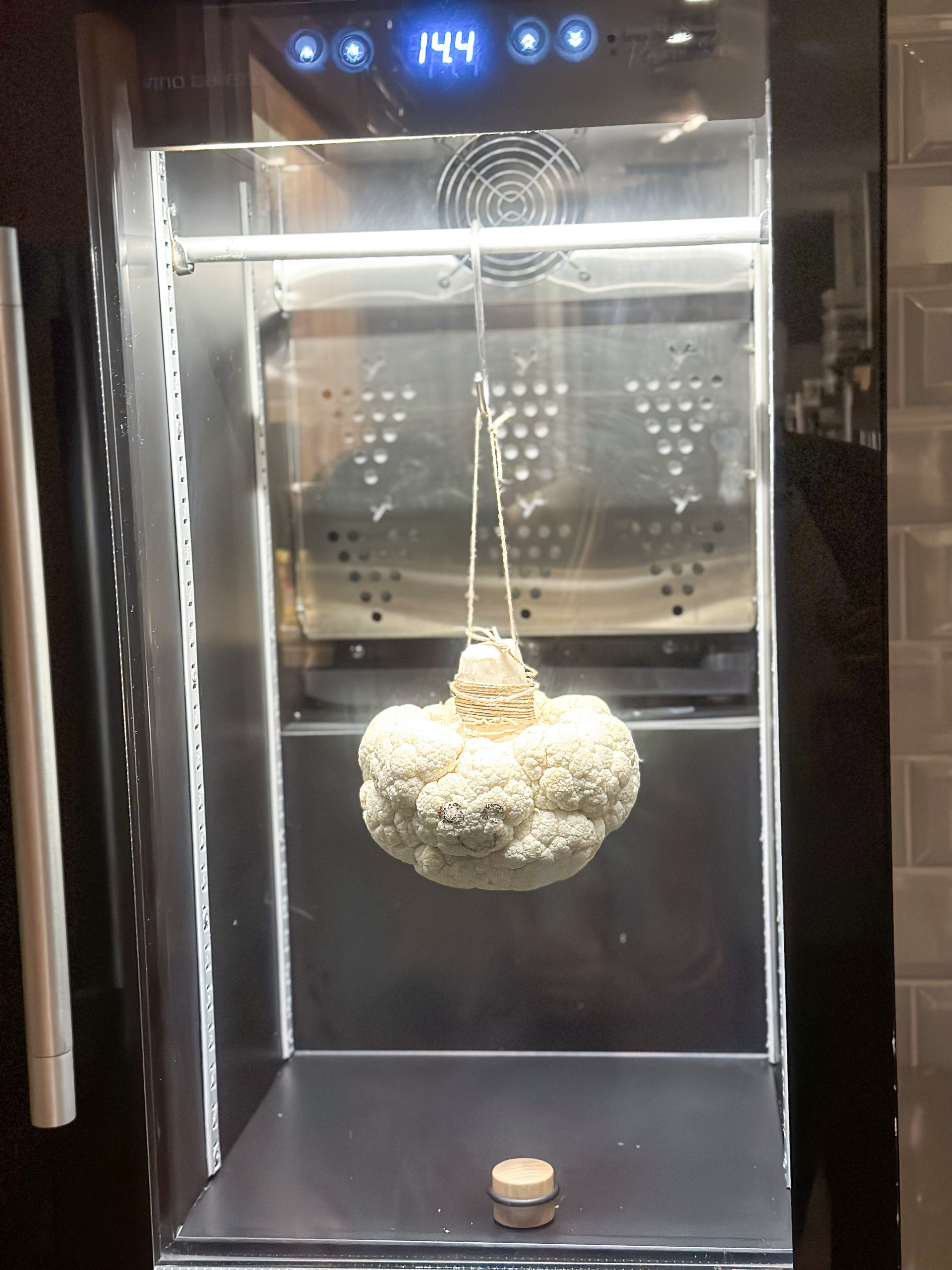
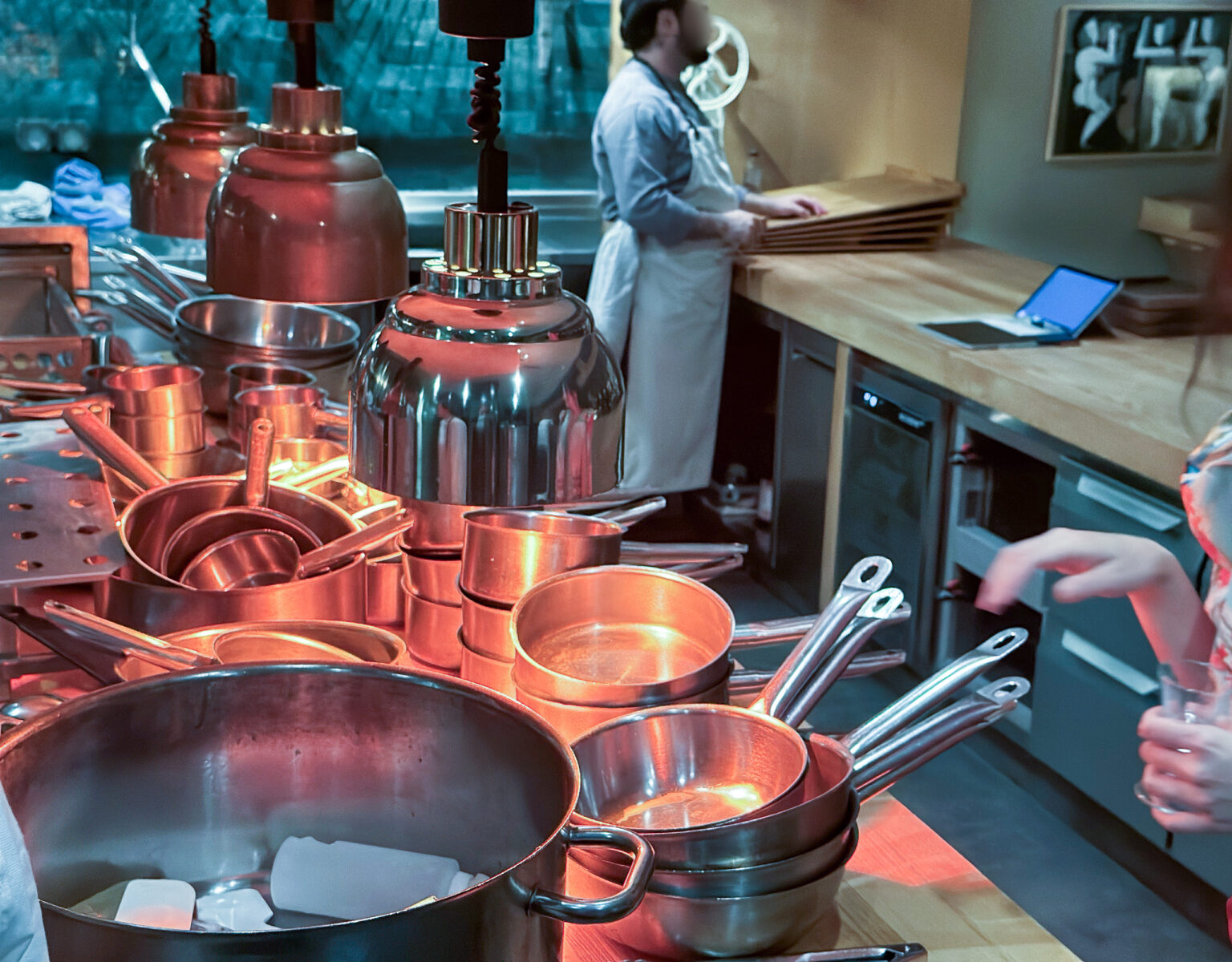
The room beyond is long, narrow and dark, with a bar down one side and an open kitchen fronted by six counter seats. Once it fills it is loud, closer to a bar than a dining room, which some people love and others resent at this level. The tableware makes the pantry’s argument in another material: Turkish ceramics, olive-wood pieces oiled in-house and never put through a dishwasher, and knives for the meat course made by a third-generation craftsman in Mersin, which the shop will sell you on the way out.
How the meal runs
The evening does not start at the table. It starts in the courtyard lounge, where the first canapés come out, and you can be four courses in before anyone shows you to a seat. Then twelve to fourteen courses, depending how you count a course, over about three and a half hours. The menu is micro-seasonal, so any dish list is a record of one night rather than a promise. A few things recur: a double-boiled chicken broth in a Turkish tea glass to open; the mussel dolma, rice-stuffed mussels inside an edible squid-ink shell, which everyone photographs; and the mantı called “From My Mom,” which is still the signature.
Water, coffee and tea come with the meal. The meal ends with a kitchen tour led by the chef or one of his cooks, and you leave with a handwritten menu in a box with two chocolates and a small bottle of something like limoncello. Say yes to the tour.
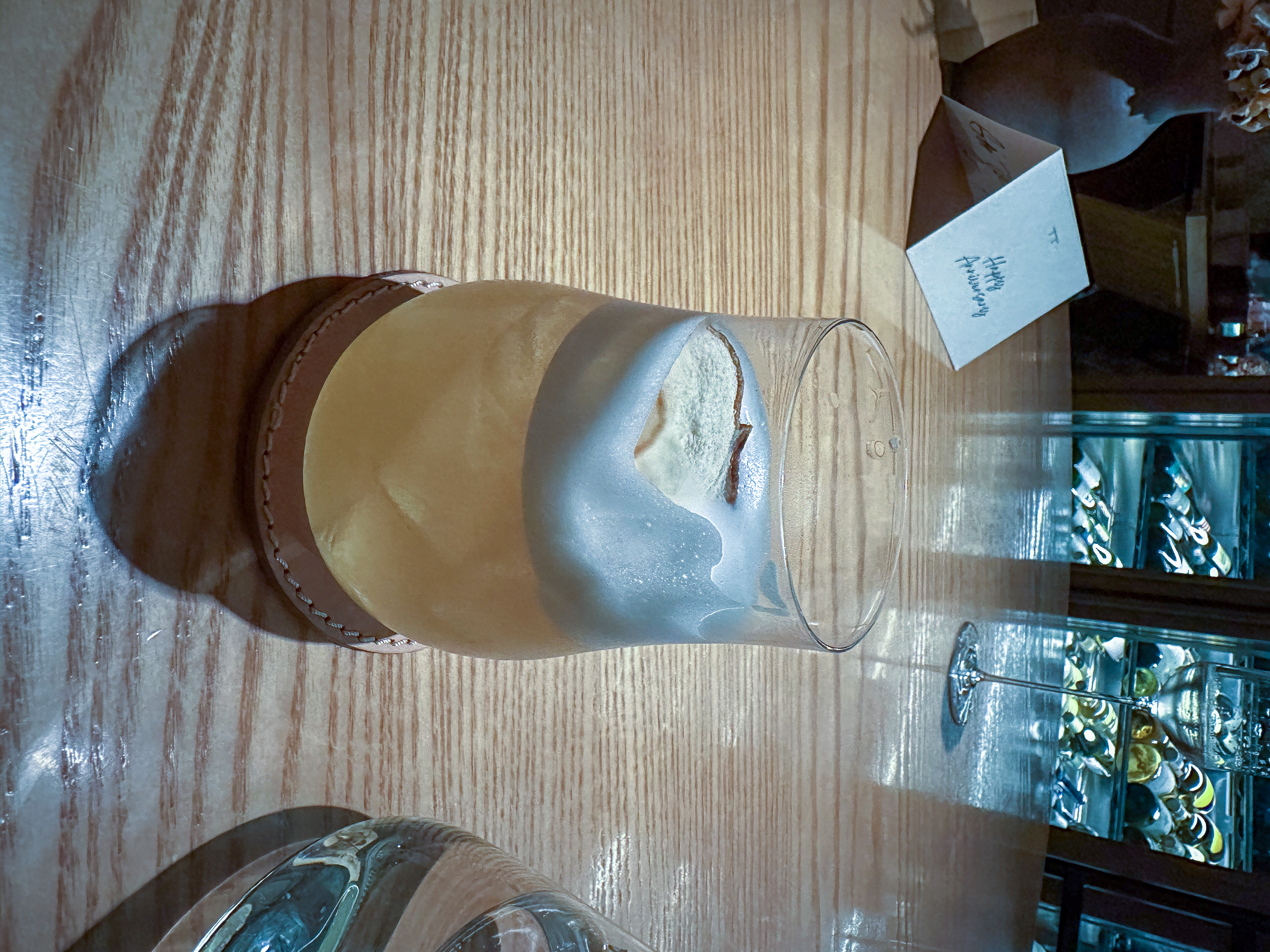
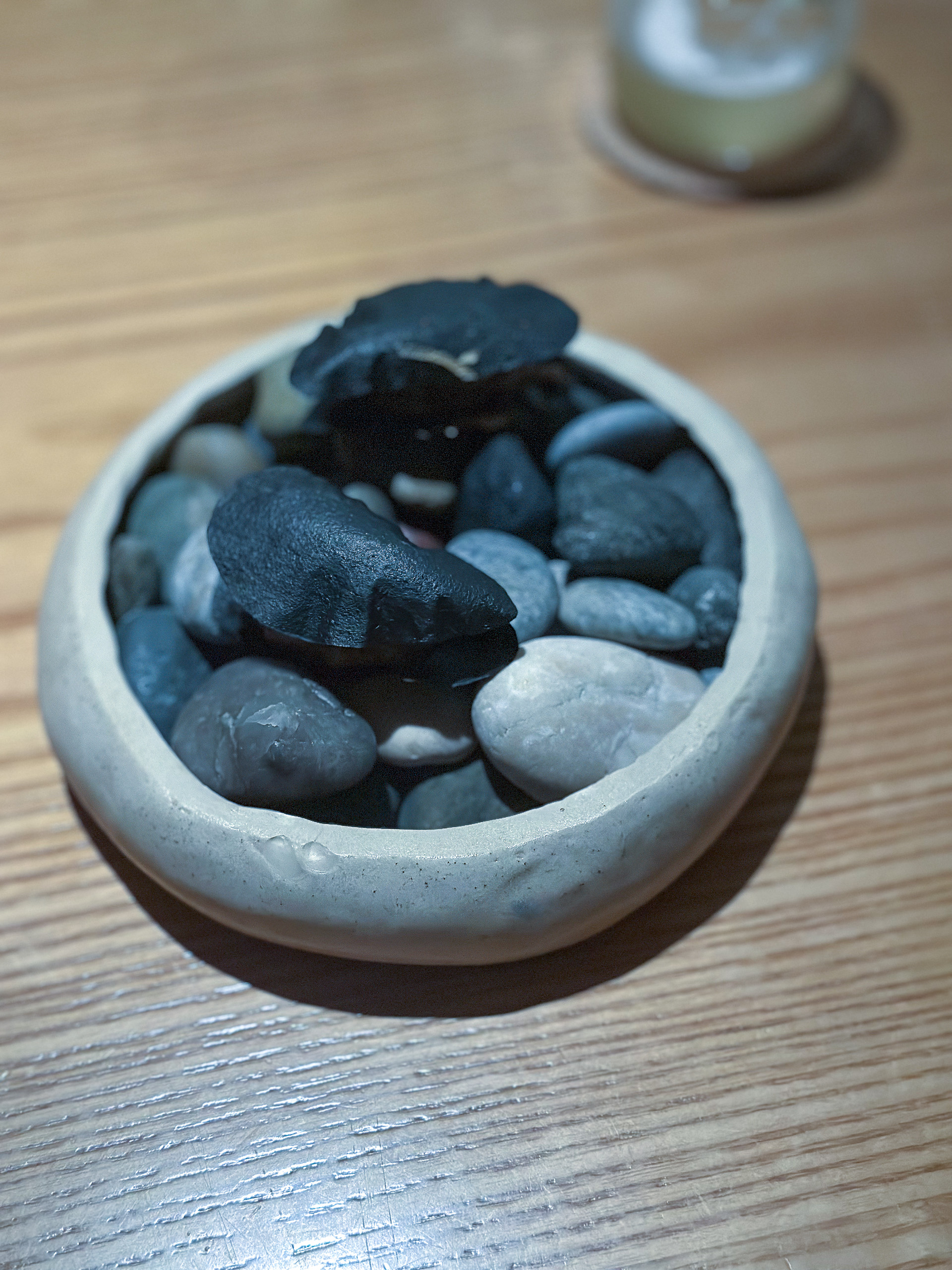
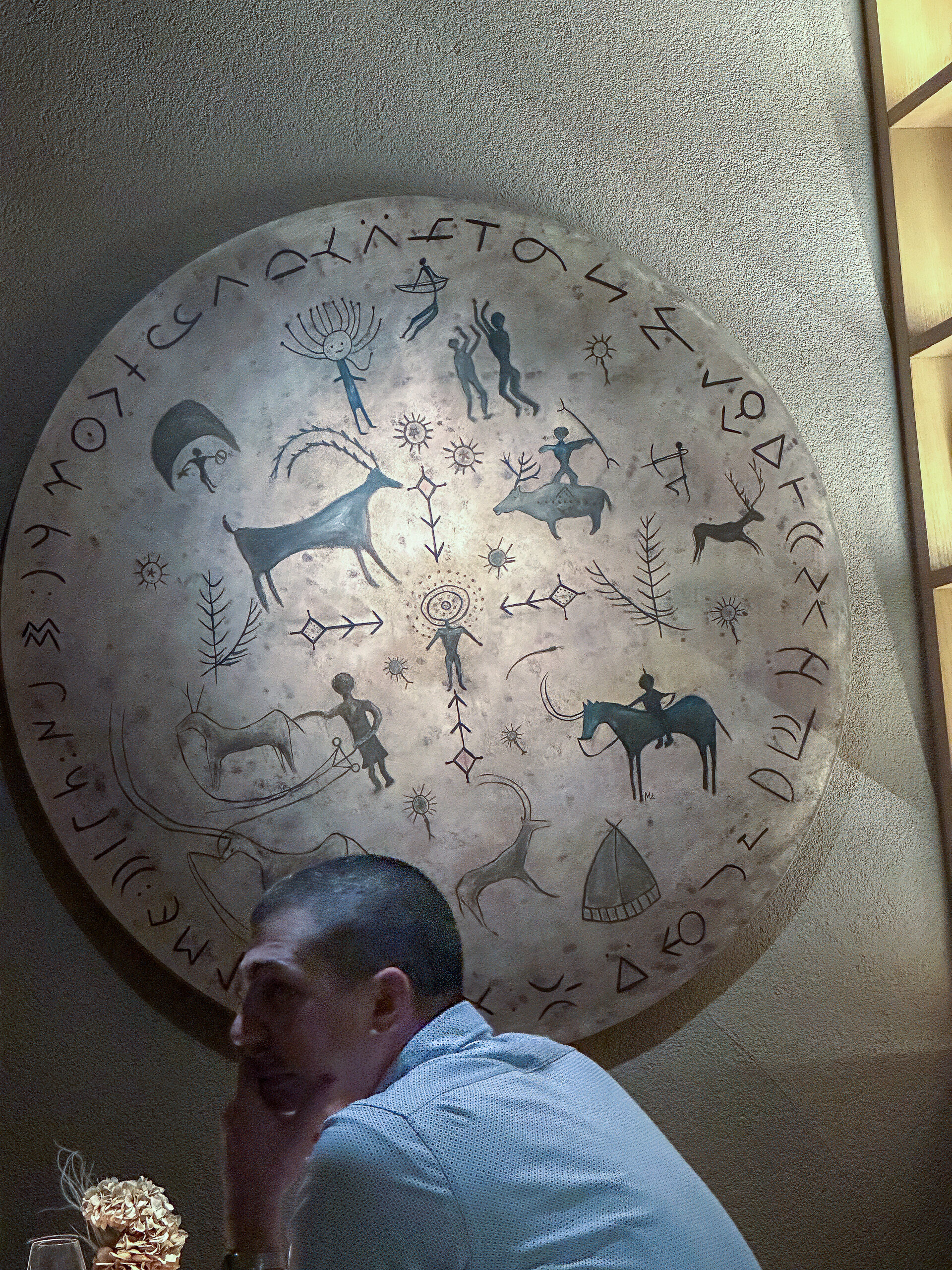
Three dishes that mattered
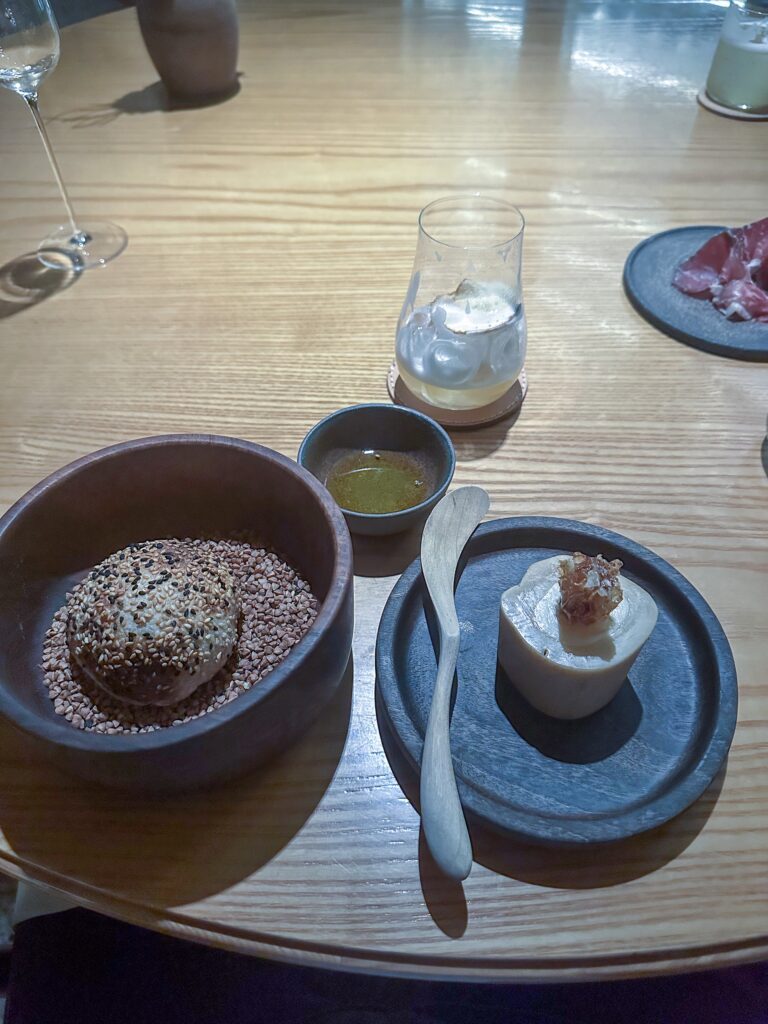
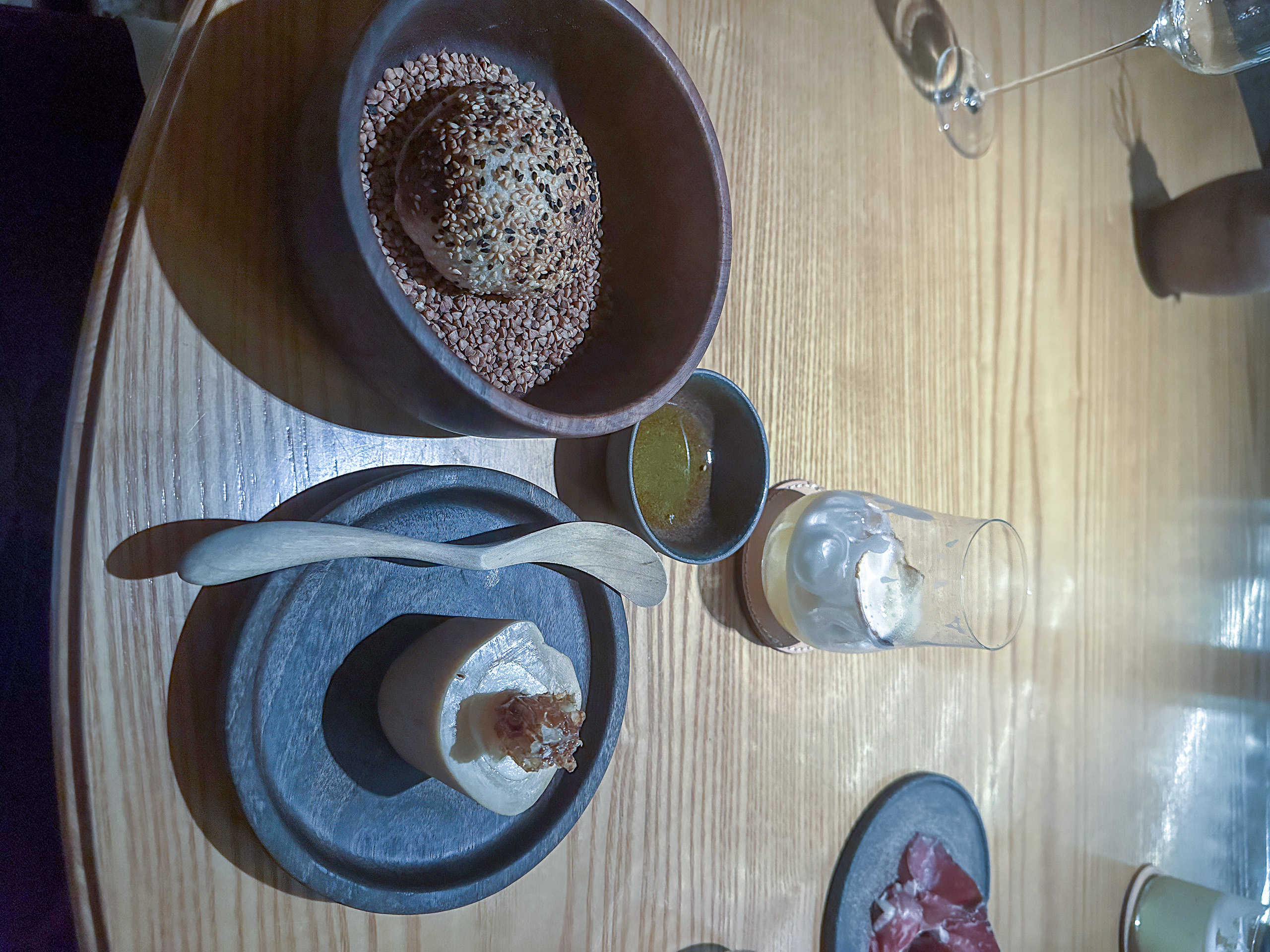
The bread course: a sesame roll bedded in buckwheat, cheese on slate, a wooden spreader, and the first moment the pantry stops being a display and becomes dinner.
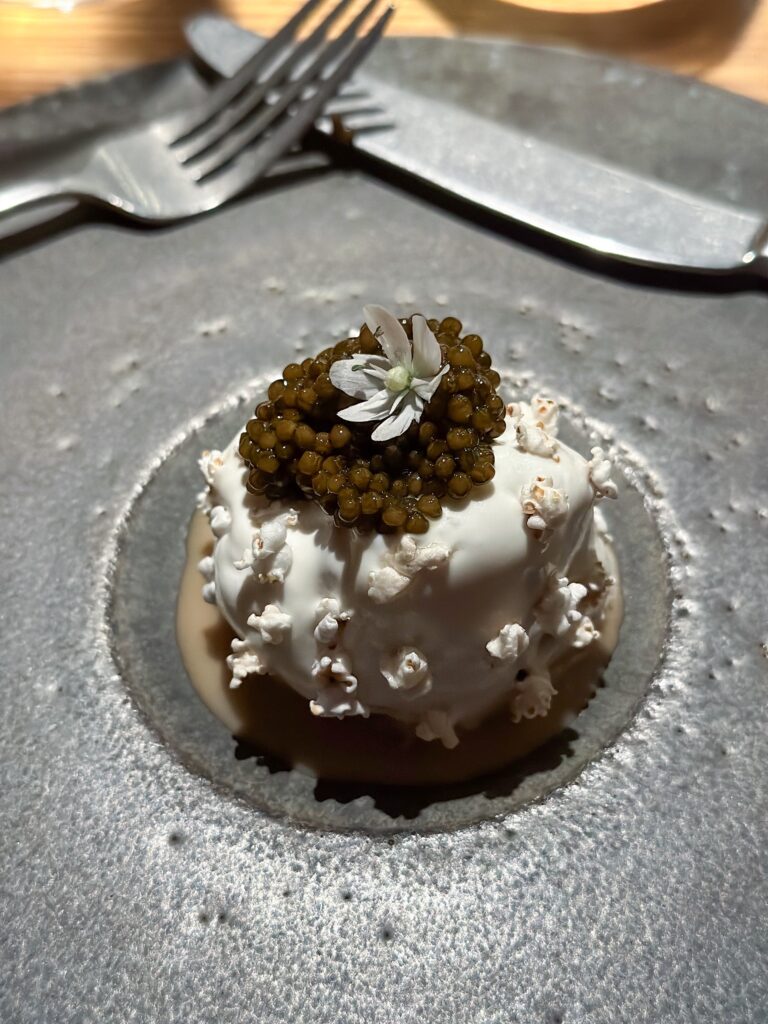
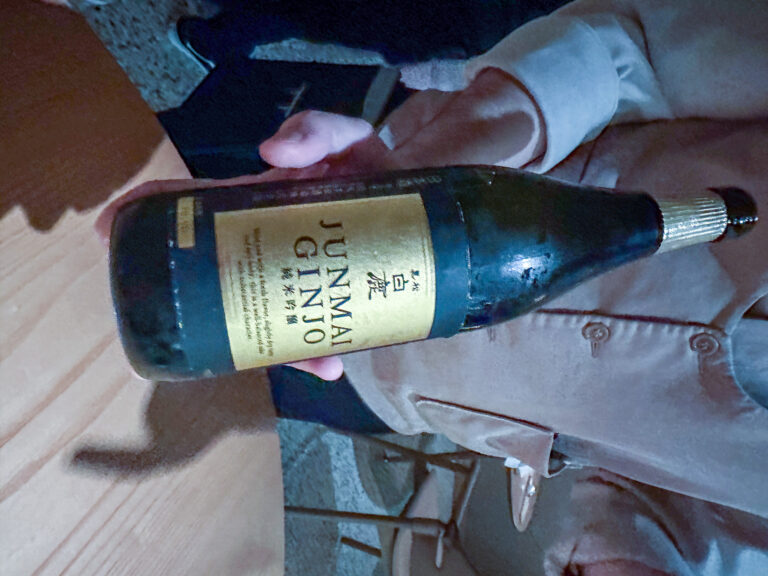
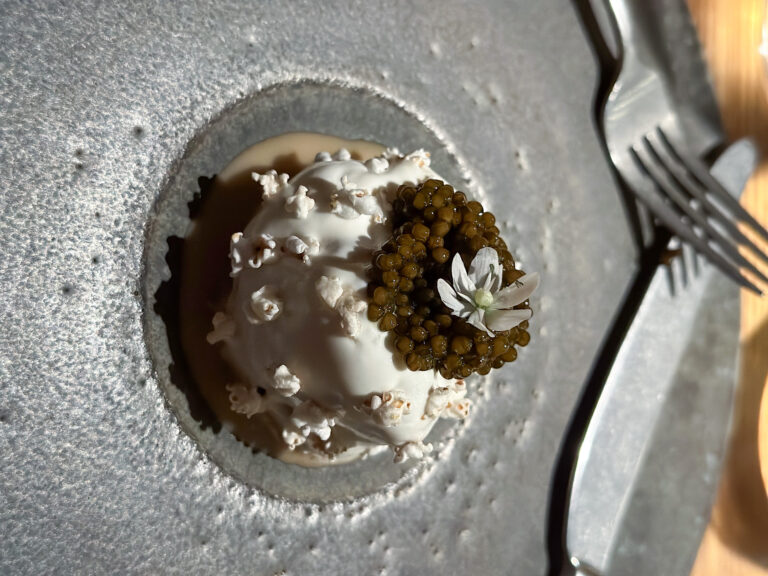
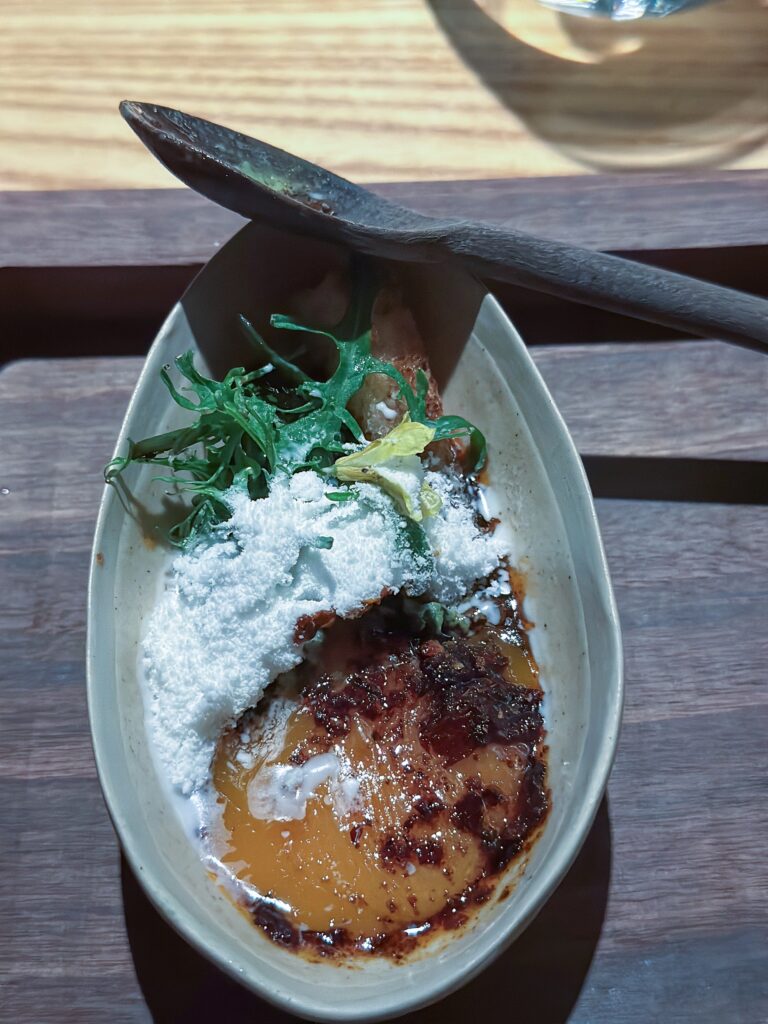
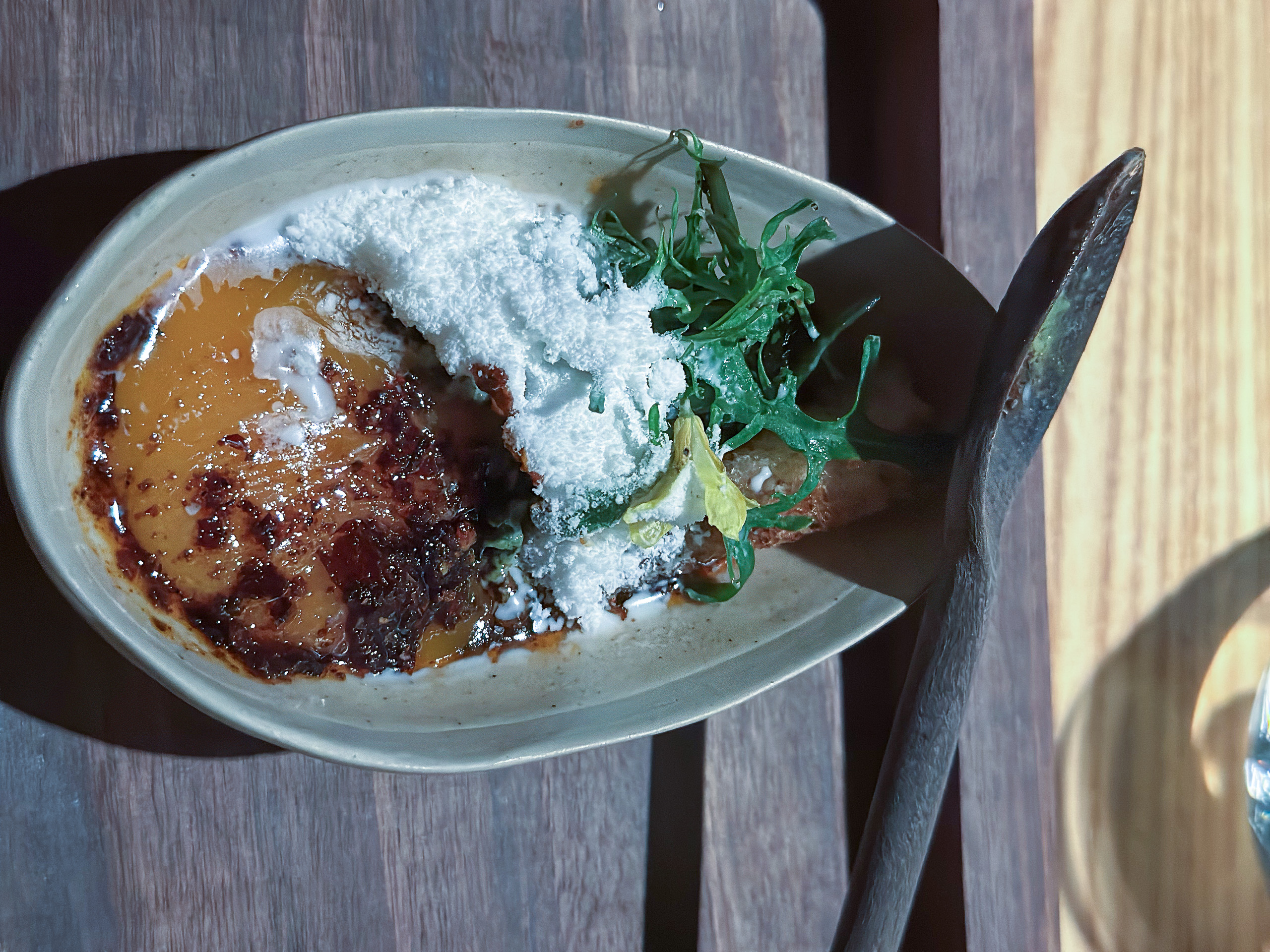
A quenelle of cream under caviar and popcorn, set into the hollow of a stone plate, which is the kind of thing that should not work and did. And the tuna, loin and belly laid out as a checkerboard in green olive oil, which is the dish that raises the question the whole restaurant lives with: the chef’s years in Tokyo and Copenhagen are not hidden, and there is a bottle of Japanese sake on the list.
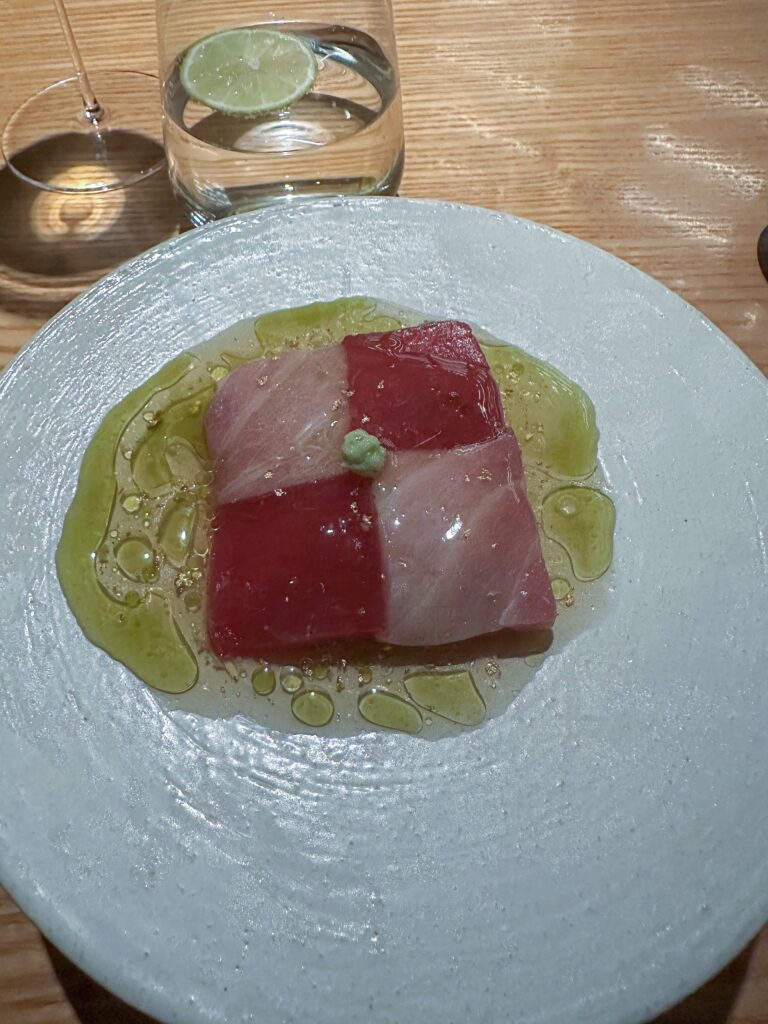
Is this Japanese technique pointed at Anatolian produce, trading on the claim to be Anatolian? His answer is that the Turks came from Central Asia and the kitchen develops what it finds there. The menu does not settle it. You decide at the table.
The glass
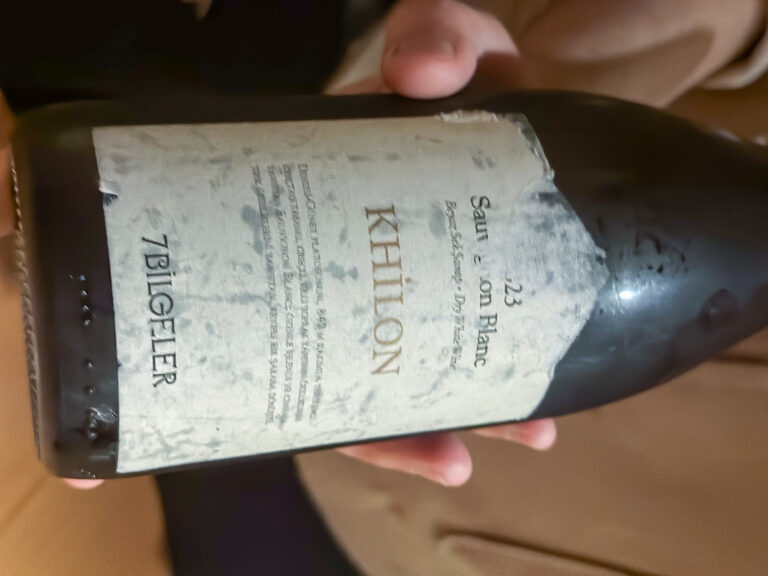
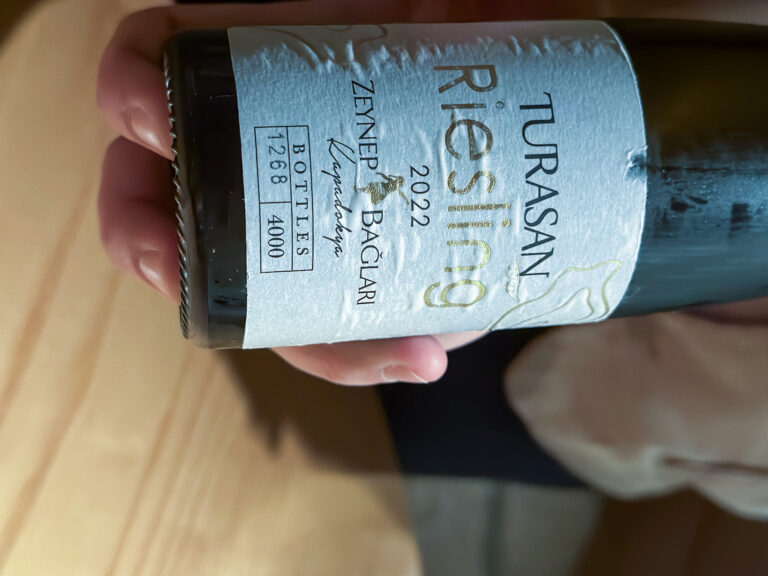
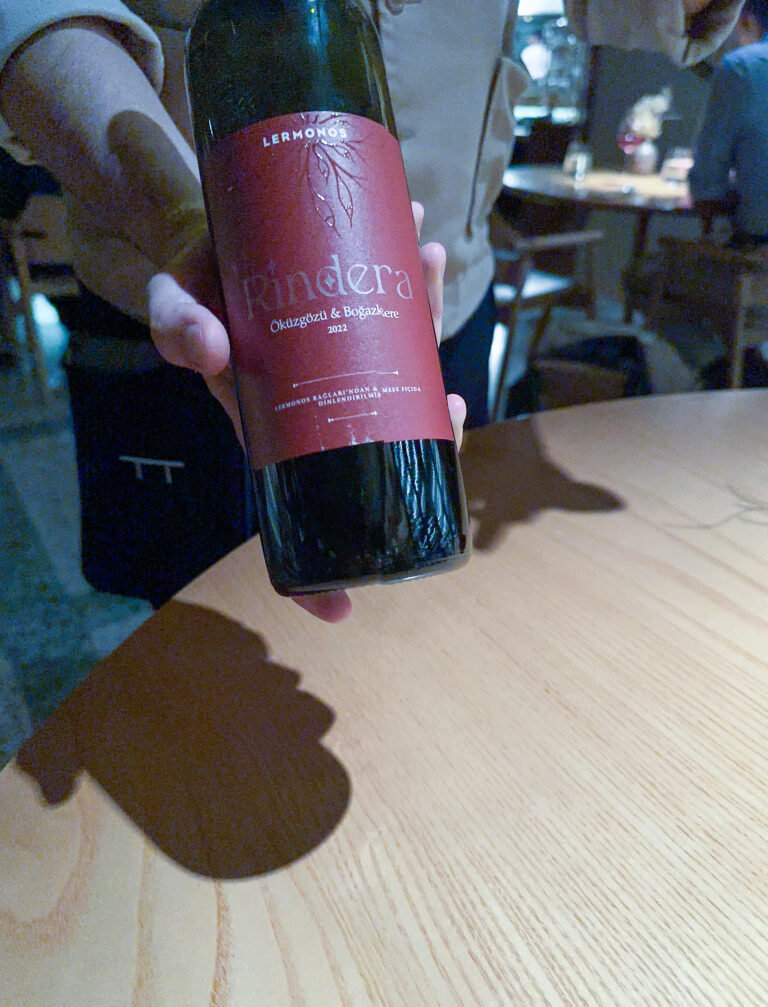
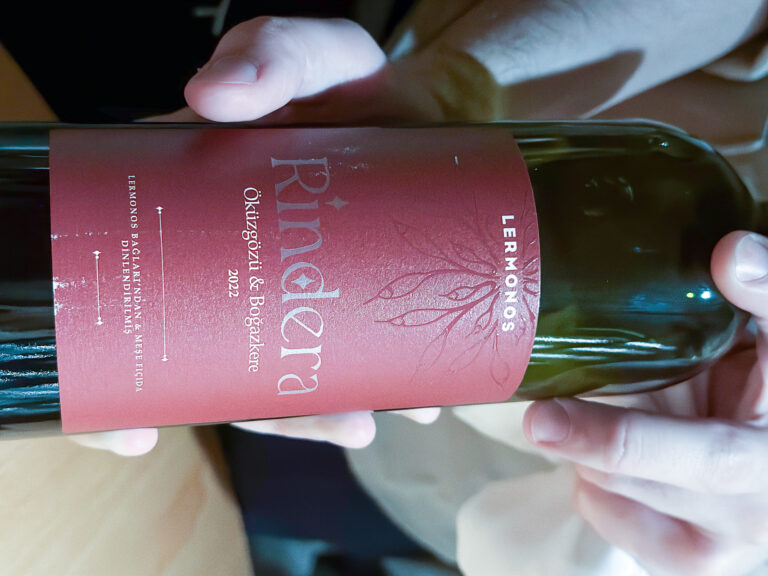
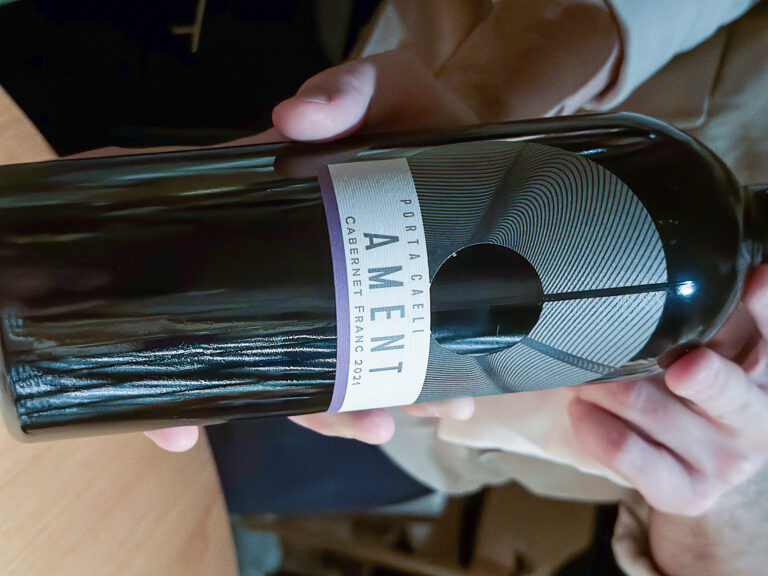
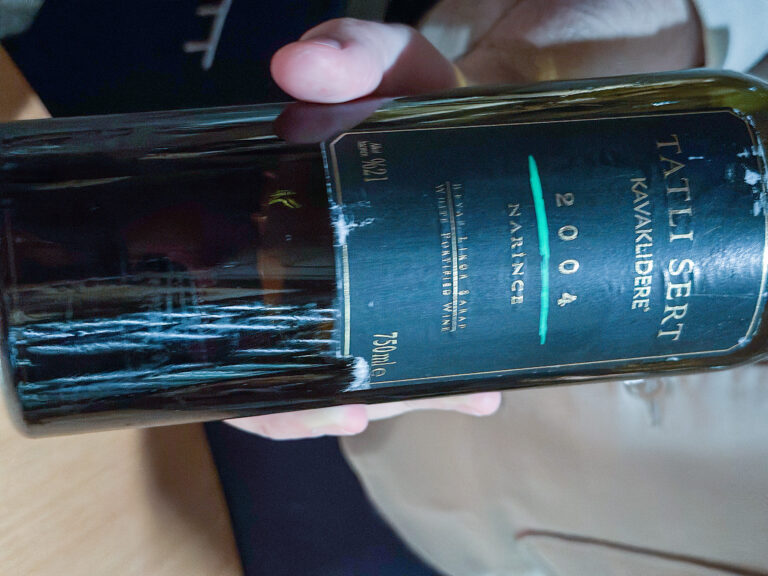
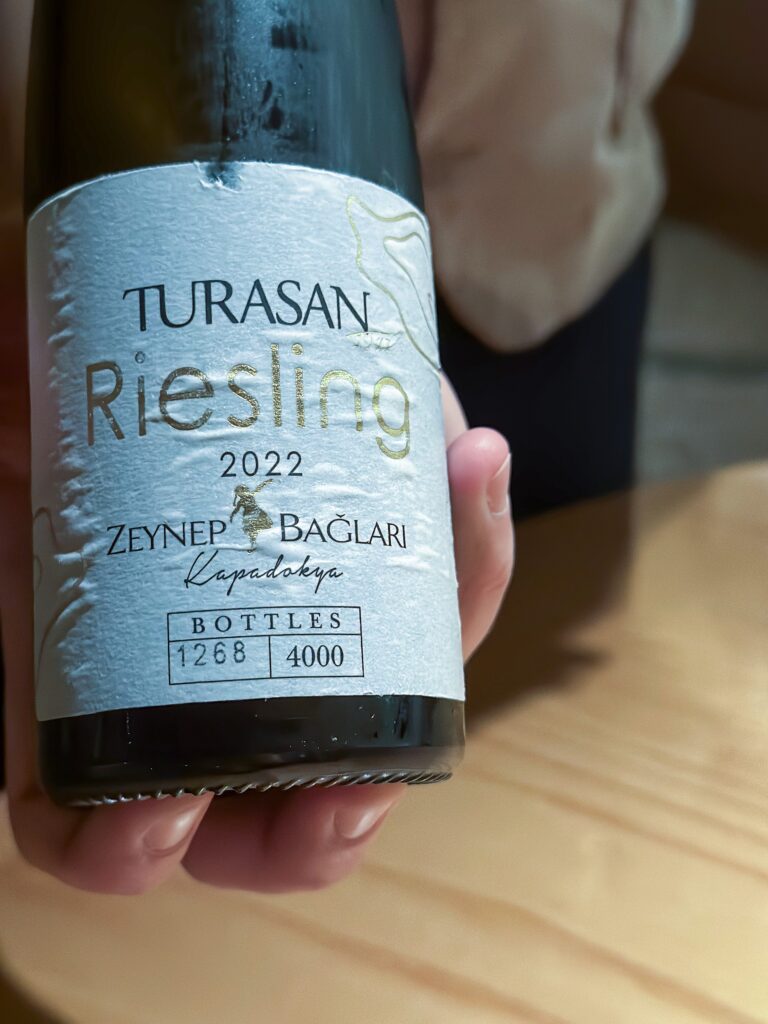
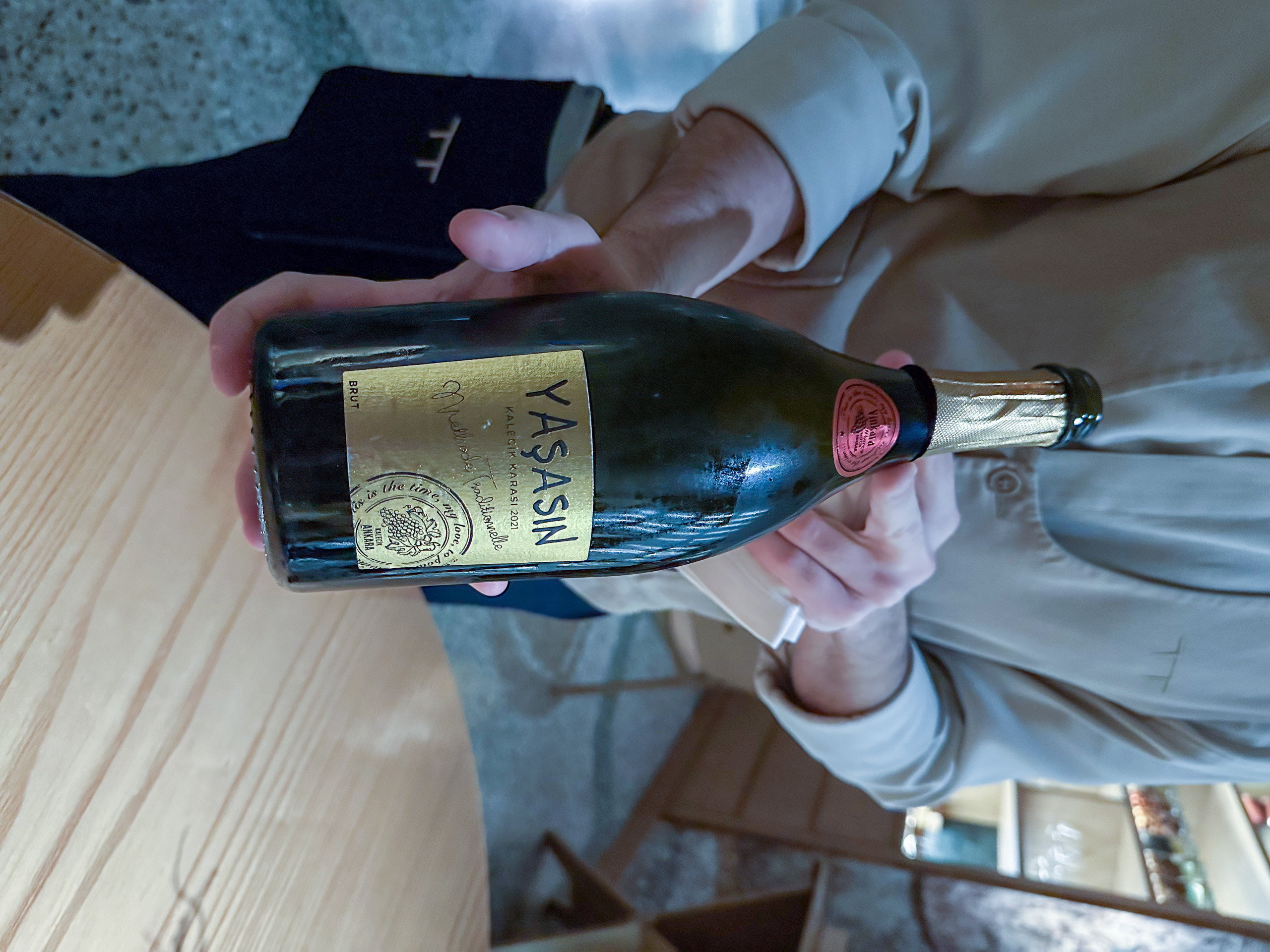
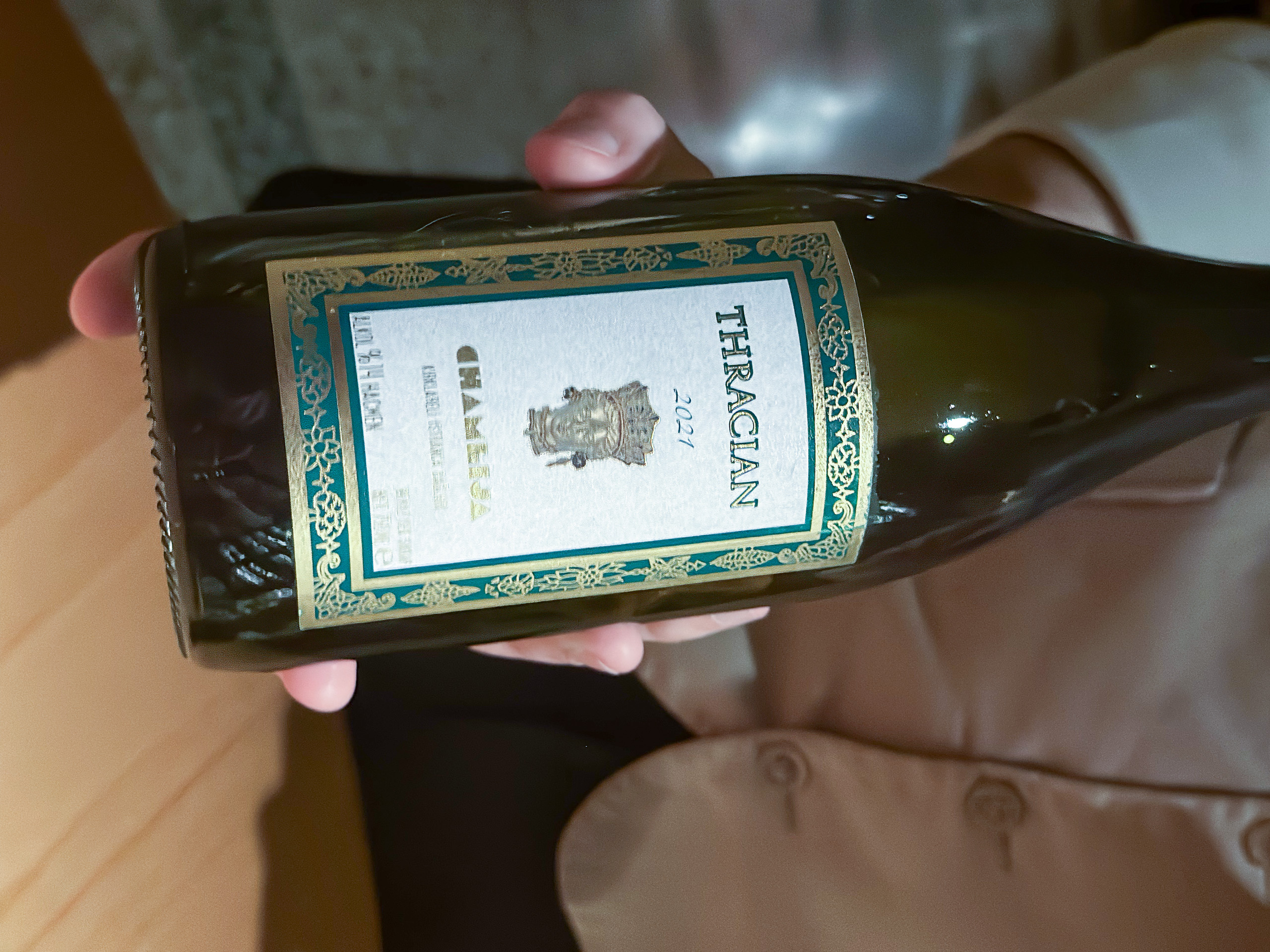
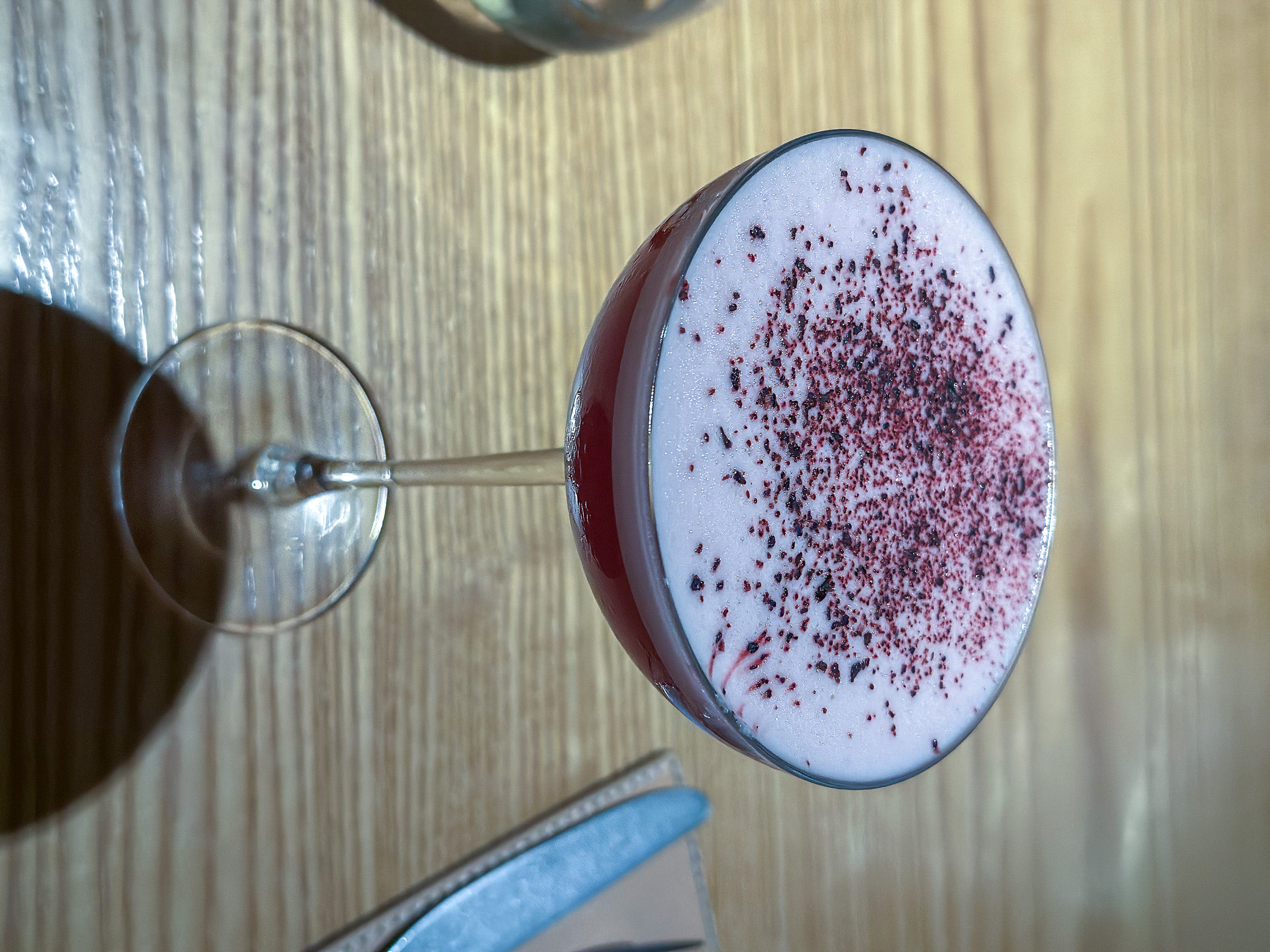
The wine pairing runs seven wines chosen to walk you around Turkish terroir rather than flatter the food with imports: a brut from Kalecik Karası, a Cappadocian Riesling whose label records the bottle number, a Thracian red, a blend of Öküzgözkü and Boğazkere. Take it: the pairing is a must here. The wine adds to the food and the food adds to the wine — many places fail at exactly that, and TURK has it right. Ask for an extra sip of the Anatolian wines. The non-alcoholic pairing runs six house-made drinks, and the fermented elderflower and rose is good enough to make the wine drinkers at the table look over.
Booking reality
Book through the restaurant’s own site and nowhere else. Nothing is confirmed until the email arrives; cancellation closes three days out, and the commitment counts per seat, not per table. Solo diners are seated only at the chef’s table. Two to three weeks ahead is enough midweek; make it three to four for a weekend. Dinner only, Tuesday to Saturday.
Who it is for, and who it is not
Come here for Turkish fusion. Come for the wine pairing. Come if you are open to trying new things and want to see the kitchen — look at the cabinets on the way in and say yes to the tour at the end.
Look elsewhere if anyone in the party is vegetarian, vegan, gluten-free or lactose-intolerant, because the answer is no before you sit down. Look elsewhere if you want the chef at the pass, because he has other rooms in the city now and is not necessarily in this one on a given night, which at thirty covers matters more than it would somewhere larger. And know that the room is dark and, by nine, loud. If you came for a quiet word, have it in the courtyard.
The pantry is not decoration. It is the one thing on the menu nobody else can copy.
Bottom line
TURK is a terrific introduction to Anatolian cuisine and wines, and it was a gem of an evening. STRONGLY RECOMMENDED. Book a weekend three to four weeks out, take the Turkish pairing, and read the dietary policy before you book.
See the full set: Türk Fatih Tütak — in frames. More Istanbul: Kempinski, Istanbul.
The TURK Fatih Tutak gallery
Every photo on this site is my own, shot on the night. Slide through →